Can You Transfer a Maine Fishing License?
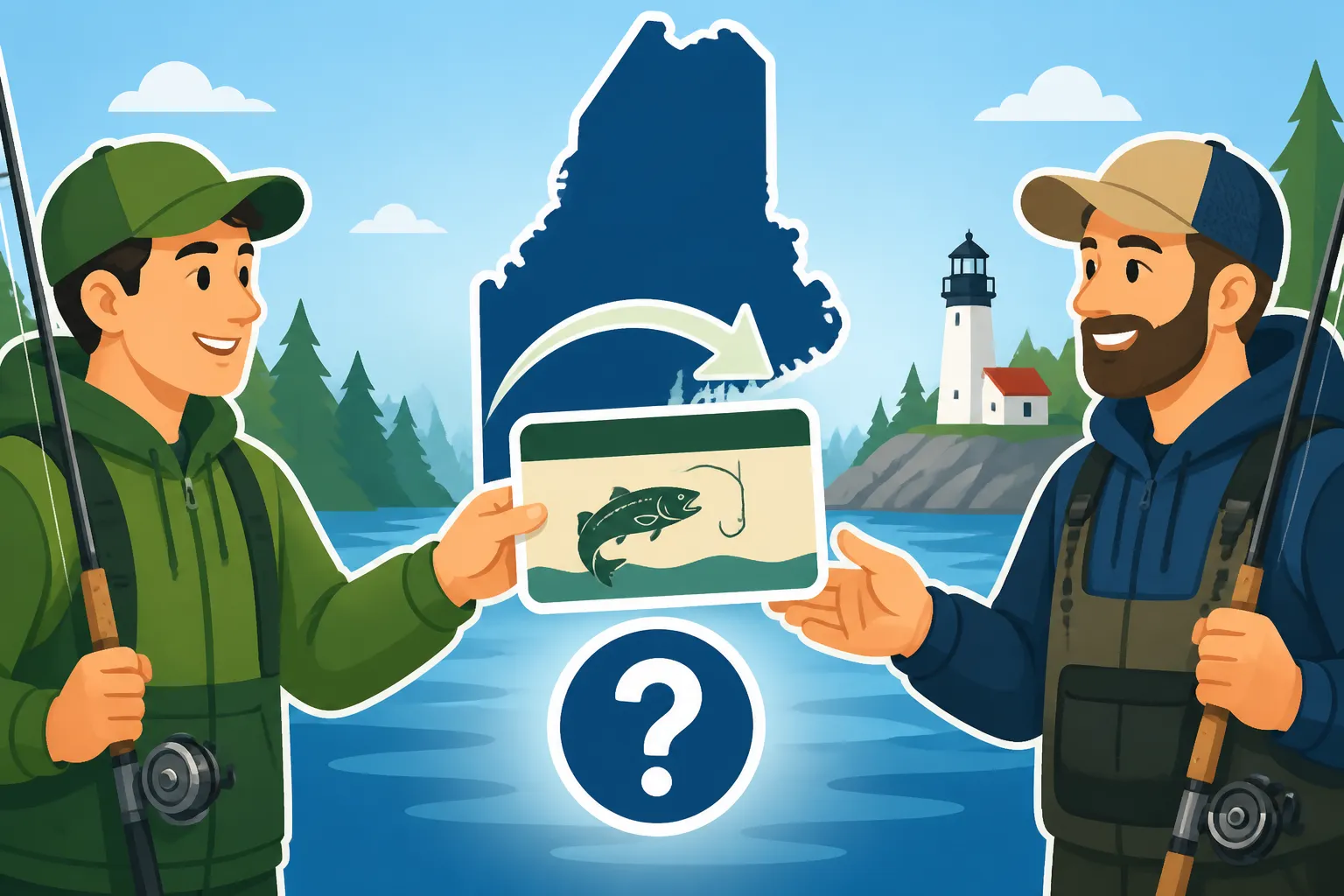
It’s a common scenario: you’ve got a last-minute change of plans, a friend can’t make it on a fishing trip, or maybe you bought a license as a thoughtful gift, only to find it won't be used by the intended recipient. You might be wondering, can you just pass that Maine fishing license along to someone else? Unfortunately, the straightforward answer to whether you can transfer a Maine fishing license is a resounding no. Each license is issued to a specific individual and is explicitly non-transferable.
The Personal Nature of Maine Fishing Licenses
When you purchase a fishing license in Maine, it's not just a piece of paper; it's a legal document tied directly to your identity. The Maine Department of Inland Fisheries and Wildlife (MDIFW) issues these licenses based on specific personal information, ensuring accountability and adherence to regulations. This personal connection is critical for how fishing licenses function in the state.
Why Licenses are Tied to Individuals
The reason licenses are tied to individuals is multi-faceted and rooted in conservation, law enforcement, and accurate data collection. Imagine if licenses could be freely passed around; it would be nearly impossible to track who is fishing, how many people are on the water, and to enforce important regulations like Maine Fish Bag Limits Guide or specific rules for different fish species.
Every license has a unique identification number and is associated with the angler’s name, address, and often a date of birth. This information allows wardens to verify quickly that the person fishing is indeed the person authorized to do so. It’s about more than just checking a box; it’s about maintaining the integrity of Maine’s precious fisheries for everyone.
The Role of Personal Identification
When a warden checks your license out on the water, they're not just looking for the permit itself. They're often verifying your identity against it. This is why having a valid ID that matches your license information is crucial. This system ensures that only those who have properly registered and paid for the privilege are participating in recreational fishing. Without this personal identification aspect, the entire regulatory framework designed to protect Maine's natural resources would crumble. It's a system built on individual responsibility, which is key to sustainable fishing.
Understanding Non-Transferability and What It Means
The concept of a non-transferable license can be frustrating, especially if you find yourself with an unused license or a change in plans. It essentially means that once a license is issued to you, it belongs to you and cannot be legally given, sold, or shared with anyone else.
No Sharing, Gifting, or Reselling
It’s important to clarify that "non-transferable" means exactly that. You cannot:
- Share your license with a family member or friend, even if they're standing right next to you and you're not actively fishing.
- Gift an already purchased license to someone else, regardless of your good intentions. Once your name is on it, it's yours.
- Resell your unused license to another angler, even if you’ve never wet a line with it. The transaction is between you and the state, and it doesn't extend to third-party sales.
Attempting to do any of these things could lead to significant penalties, as What Happens If You Fish in Maine Without a License? can attest to. Fishing without a valid license, or with one that isn't yours, is a violation of state law, and wardens take such infractions seriously.
Why Refunds or Exchanges Aren't Typically Offered
Just as you can't transfer a license, generally, you also can't get a refund or exchange it for another person's use. The MDIFW operates on the principle that once a license is purchased, that revenue has been allocated, and the administrative process is complete. This policy helps maintain the financial stability of the department, which relies on license sales to fund vital conservation efforts, fish stocking programs, and law enforcement. While unforeseen circumstances can always arise, the system is designed for individual responsibility in purchasing.
Scenarios Where Anglers Wish for Transfers (and the Alternatives)
Anglers often inquire about transferring licenses in a few common situations. Let's explore these and, more importantly, discuss the proper alternatives to ensure everyone can enjoy Maine's fantastic fishing opportunities legally.
Unused Seasonal or Short-Term Licenses
Perhaps you bought a Maine 7-Day Nonresident Fishing License for a week-long vacation, but unforeseen events cut your trip short. Or maybe you purchased a full season license but life got in the way, and you barely made it out fishing. The frustration of an unused license is real.
The Alternative: Unfortunately, there's no way to recoup the cost or transfer the remaining days. This is where planning ahead becomes crucial. If your visit to Maine is brief, consider a shorter duration license, such as a Maine 1-Day Fishing License Price for Visitors or a Maine 3-Day Nonresident Fishing License. These options are tailored for shorter trips and can save you money while ensuring you're legally covered for the time you are able to fish. Always check the Maine Fishing License Costs Guide to compare prices and options before you buy.
Gifting a Fishing Experience
Many people want to give the gift of fishing to a loved one, especially for a trip to a beautiful place like Maine. Their first thought might be to buy a license for them. While the sentiment is wonderful, directly purchasing a license in someone else’s name (without their immediate details) or intending to "transfer" one you bought for yourself is not how the system works.
The Alternative: Instead of trying to transfer a license, consider other ways to facilitate a fishing trip gift. You could purchase a gift certificate for a local tackle shop like Kittery Trading Post or L.L.Bean, where they can pick out their own gear. Or, for convenience, a gift card to a large online retailer like Amazon, which offers a vast selection of fishing equipment, could be a great choice. You could also offer to pay for their license when they are ready to purchase it themselves, or even book a guided trip with a Hiring a Maine Fishing Guide service, where the guide can help ensure all participants are properly licensed. The key is to empower them to obtain their own license.
Trip Cancellations or Reschedules
Life happens. A planned fishing trip might need to be canceled or rescheduled due to weather, illness, or other unexpected events. If you've already bought your license, you might hope to push its validity date or transfer it to someone else who can go.
The Alternative: Maine fishing licenses are generally valid for the calendar year they are issued in, expiring on December 31st, regardless of when you purchased them during the year. This means if you buy a license in June for a July trip and have to cancel, that license will still expire in December. There are no provisions for extending validity or transferring it. The best course of action is to be aware of the Maine Fishing Season Dates Guide and try to plan your purchase closer to your actual trip date, especially for short-term licenses. If you plan a trip far in advance, be aware of the fixed expiration date.
Licenses for Children or Youth
Parents often wonder about licenses for their kids. They might think they can use their own license for their child, or transfer one they purchased. However, even for younger anglers, the rules apply to a certain extent.
The Alternative: In Maine, children under 16 years of age generally do not need a fishing license. This is a fantastic exemption designed to encourage youth participation in fishing. For those approaching or over 16, they will need their own individual license. For a comprehensive overview, refer to the Maine Junior Fishing License Rules guide. This exemption simplifies things greatly for families with young children eager to cast a line.
How to Get Your Own Maine Fishing License
Since transferring a license isn't an option, the critical takeaway is that every angler needs their own. Thankfully, obtaining a Maine fishing license is a straightforward process, designed to be accessible to residents and visitors alike.
Online Purchase: The Easiest Route
For most people, buying a license online is the most convenient method. The MDIFW website provides a user-friendly portal where you can select your license type, provide your personal details, and pay securely. You can then print your license at home or save a digital copy on your phone. This option is available 24/7, making it perfect for last-minute purchases before hitting the water. For detailed steps, check out How to Get a Maine Fishing License.
In-Person at Authorized Agents
If you prefer a face-to-face transaction or need some assistance, you can purchase a license at numerous authorized agents throughout Maine. These agents typically include town clerks' offices, sporting goods stores, and sometimes even general stores in smaller communities. They can walk you through the options, ensure you have the correct documentation, and print your license on the spot. This is particularly helpful if you have questions about specific regulations or want to grab some bait and tackle at the same time.
Different License Options to Consider
Maine offers a variety of license types to suit different needs:
- Resident vs. Non-Resident Licenses: If you're a full-time Maine resident, you'll qualify for the Maine Resident Fishing License Cost, which is typically less expensive. Non-residents will need to purchase a Maine Nonresident Fishing License Cost.
- Annual Licenses: These are valid for the entire calendar year (January 1st to December 31st).
- Short-Term Licenses: For visitors, Maine offers 1-day, 3-day, 7-day, and 15-day non-resident options. These are excellent for short trips, ensuring you only pay for the time you'll be fishing.
- Combination Licenses: If you're also planning to hunt, combination licenses are available which can offer cost savings.
- Special Category Licenses: Maine also offers exemptions or special licenses for specific groups, such as eligible disabled veterans or active military personnel. Be sure to explore Maine Fishing License Exemptions if you think you might qualify.
Here's a quick comparison of popular short-term non-resident license options, which are often a good alternative to the desire for a "transferable" full season license for a quick visit:
| License Type | Validity Period | Typical Use Case |
|---|---|---|
| Non-Resident 1-Day | 1 calendar day | Quick stopover, first-time try |
| Non-Resident 3-Day | 3 consecutive days | Long weekend trip, short visit |
| Non-Resident 7-Day | 7 consecutive days | Week-long vacation, extended stay |
| Non-Resident 15-Day | 15 consecutive days | Longer vacation, multi-week stay |
| Non-Resident Annual Season | Jan 1 – Dec 31 | Multiple visits, full season of fishing |
Note: Costs are subject to change, always check the official MDIFW website for the most current pricing.
Planning Ahead for Your Maine Fishing Adventures
Understanding that licenses are personal and non-transferable truly emphasizes the need for thoughtful planning before your trip. It’s all about making informed decisions so you can focus on the fishing, not the paperwork.
Double-Checking Dates and Durations
Before you hit that "buy" button, take a moment to confirm your exact trip dates. If you're only visiting for a few days, a shorter license like the Maine 3-Day Nonresident Fishing License might be the perfect fit and more cost-effective than a full annual license. If you expect to make multiple trips throughout the year, then an annual license makes more sense. Consider the Maine Fishing License Renewal Rules if you're a returning angler, as licenses expire at the end of the calendar year.
Preparing for the Unexpected
While we all hope for smooth sailing, sometimes things don't go as planned. It's wise to consider the possibility of cancellations or changes when purchasing your license. If you're investing in a full season pass, do so with the understanding that its value is tied to your personal use for the calendar year, regardless of how much you end up fishing.
Having your license readily available, whether printed or digitally, along with a matching photo ID, is crucial. Wardens patrol all waters, from the remote ponds in the North Woods to the bustling coastal areas, ensuring everyone is following the rules. Being prepared demonstrates respect for the regulations and the efforts to preserve Maine's natural beauty.
Ultimately, while the inability to transfer a Maine fishing license might seem inconvenient at times, it's a necessary component of a robust system designed to protect and manage our incredible fishery resources. By understanding the rules and planning accordingly, you can ensure your time on the water is both enjoyable and legal.
Disclaimer
The information provided in this guide is for general informational purposes only and does not constitute legal advice. Fishing regulations in Maine can change, and it is always the angler's responsibility to consult the most current regulations published by the Maine Department of Inland Fisheries and Wildlife (MDIFW) before engaging in any fishing activity.