Do Maine Charters Have a Rain Policy?
It's a familiar scenario for anyone planning a fishing trip in Maine: you've got your dates picked, your gear ready, maybe even your travel booked, and then you start watching the weather forecast. Will it rain? What happens if it does? The uncertainty can be a real headache, making you wonder if your dream outing on the beautiful Maine waters will be washed out. This guide will dive deep into the typical rain policies of Maine fishing charters, helping you understand what to expect and how to protect your investment when Mother Nature decides to change her plans.
The Reality of Weather and Fishing Charters in Maine
Fishing in Maine is an incredible experience, but it’s also an outdoor activity, which means it’s inherently tied to the weather. From the wild Atlantic coast to the serene inland lakes and rivers, conditions can change rapidly. A sunny morning can turn into a blustery, rainy afternoon in the blink of an eye, and a smart angler is always prepared for the unexpected.
Why Weather Policies Are Crucial
For both charter captains and their clients, clear weather policies are absolutely non-negotiable. First and foremost, safety is the number one priority. No one wants to be out on the open water during a lightning storm, in gale-force winds, or when visibility drops to near zero. Captains are professionals who understand the dangers and will always prioritize the well-being of their passengers over getting a trip out on the water. It’s not just about comfort; it's about preventing serious accidents.
Beyond safety, comfort plays a big role. While a light drizzle might not deter a hardy angler, sustained heavy rain, coupled with cold temperatures, can make for a miserable experience, even for the most seasoned fishermen. And let's be honest, you're paying for an enjoyable experience, not a test of endurance. Furthermore, extreme weather conditions often impact fish behavior, making it less likely to have a productive fishing trip anyway. Fish might go deep, stop biting, or simply be impossible to target effectively in choppy seas or turbulent river currents. Best Time of Year to Fish in Maine can often depend heavily on predicting stable weather patterns.
Captain's Discretion: The Ultimate Authority
When it comes to deciding if a trip goes out, the captain's word is law. This isn't just a suggestion; it's a fundamental aspect of maritime safety and charter operations. They are the experts on the water, intimately familiar with local conditions, currents, and how their vessel handles in various types of weather. They have the training, experience, and legal responsibility to make the final call.
This discretion means that even if the forecast predicts light rain, a captain might decide to cancel if they observe unexpected high winds or an approaching front that wasn't fully captured by the weather models. Conversely, a forecast that looks grim might improve, allowing a trip to proceed if the captain deems it safe. It’s crucial to respect their judgment. Arguing with a captain about a weather call is not only unproductive but can also be seen as disregarding their professional assessment, which is something no one wants to do before a shared day on the water.
Common Rain and Weather Policies for Maine Fishing Charters
While each charter company or individual captain might have slightly different wording in their policies, there are some very common themes you'll encounter when it comes to rain and other adverse weather conditions. Understanding these will help manage your expectations and prevent surprises.
Full Cancellation and Rescheduling Options
The most significant aspect of any rain policy is usually related to full cancellations. Most Maine fishing charters will explicitly state that trips are cancelled due to "inclement weather," "unsafe conditions," or "captain's discretion due to weather." What does this usually mean? It goes beyond a simple sprinkle. We're talking about:
- Heavy, sustained rain: Not just a passing shower, but persistent downpours that would make fishing miserable and potentially obscure visibility.
- High winds and rough seas: These are often a bigger concern than rain itself, making navigation difficult, fishing uncomfortable, and creating genuine safety hazards. A day of Maine Deep Sea Fishing Charters would be especially impacted by this.
- Lightning and thunderstorms: An absolute no-go. Boats are often the highest point on the water, making them vulnerable to lightning strikes.
- Dense fog: Severely reduces visibility, making safe navigation impossible, especially in busy waterways or coastal areas.
When a trip is cancelled due to such conditions, you typically have two main options:
- Reschedule: This is often the preferred option for both parties. You get to keep your deposit or payment and apply it to a new date that works for both you and the captain. This is usually contingent on the captain having availability and you being flexible with your schedule. Many platforms like FishingBooker help facilitate this process, making it easier to find an alternative slot without losing your initial investment.
- Full Refund: If rescheduling isn't possible, either because the captain has no open dates, or you're a visitor leaving the area, most reputable charters will offer a full refund of any deposits or payments made. This is standard practice, as the cancellation was due to circumstances beyond your control and the captain's decision for safety reasons.
It's important to differentiate between weather conditions that the captain deems unsafe versus merely undesirable. A light, intermittent rain might not trigger a cancellation and refund, which brings us to the next point.
"Fish or No Fish" – When the Trip Still Goes On
Not all rain is created equal, and not every drop will cause a cancellation. Many charters operate under a "fish or no fish" mentality, meaning if it's safe to go out, the trip is on, regardless of a little precipitation. Captains generally distinguish between genuinely unsafe conditions and simply unpleasant ones.
- Light rain or drizzle: A continuous light rain or occasional drizzle, especially if winds are calm and temperatures are mild, might not warrant a cancellation. Anglers are expected to dress appropriately for these conditions. What to Bring on a Maine Fishing Charter often includes rain gear for this very reason.
- Overcast skies: Often, cloudy days with no rain can be excellent for fishing, as bright sun can sometimes make fish less active. Charters will almost always proceed on overcast days.
- Short, passing showers: If the forecast indicates brief, isolated showers that are expected to pass quickly, a captain might still decide to go out, perhaps adjusting the start time slightly to avoid the worst of it.
In these "fish or no fish" scenarios, if you decide not to go because you simply don't want to fish in the rain (even if it's safe), you would typically forfeit your deposit or full payment. This is why it's crucial to understand the policy before booking and to be prepared for various weather conditions.
Partial Refunds or Credit for Cut-Short Trips
What happens if you head out, the weather looks fine, and then suddenly a squall rolls in or a severe thunderstorm pops up unexpectedly? Maine weather can be unpredictable. In these situations, where a trip has already begun but must be cut short due to deteriorating and unsafe conditions, charters often have policies for partial refunds or future trip credits.
- Prorated refund: Some captains might offer a prorated refund based on the amount of time spent on the water versus the planned trip duration. For example, if you paid for a four-hour trip and only fished for two hours before safety required heading back, you might receive a 50% refund.
- Credit for future trip: Another common option is to offer a credit for a future trip, sometimes at a discounted rate or for the remaining value of the time lost. This is a good way for both parties to mitigate the loss and ensures the captain still has a chance to earn your business.
- No refund for minor discomfort: If the trip is cut short due to your decision to return because you're uncomfortable (e.g., you're cold, wet from light rain, or feeling seasick) rather than the captain declaring conditions unsafe, you generally would not receive a refund. This again emphasizes the distinction between genuine safety concerns and personal preference. This is particularly relevant for Maine Deep Sea Fishing Charters where seasickness can sometimes be an issue even in moderate conditions.
How to Understand and Confirm Your Charter's Weather Policy
Navigating the nuances of weather policies might seem daunting, but with a little proactive effort, you can ensure you're fully informed before you commit to a trip. The key is communication and careful review.
Before You Book: Essential Questions to Ask
This is perhaps the most important step. Don't wait until the day before your trip to find out the policy. Before you hand over any money, pick up the phone or send an email and ask these specific questions:
- "What is your exact policy regarding bad weather or rain?"
- "What conditions would lead you to cancel a trip (e.g., heavy rain, high winds, lightning, fog)?"
- "If the captain cancels due to weather, what are my options for rescheduling or a refund?"
- "If we start the trip and it gets cut short due to weather, what is your policy for compensation?"
- "If the weather is just 'unpleasant' (e.g., light rain) but not unsafe, and I decide not to go, what happens to my payment?"
Sometimes, booking platforms like FishingBooker will have these policies clearly outlined on the charter's listing page, which can save you a call. However, it never hurts to double-check directly with the captain, especially for specific local conditions that might not be generalized online. Understanding Maine Fishing Regulations Explained and how they might factor into a captain's decision for a specific body of water can also be helpful.
Reading the Fine Print of Your Agreement
When you book a charter, you'll often receive a booking confirmation, a contract, or terms and conditions. It might seem tedious, but read it. This document will legally outline the weather policy, cancellation terms, and refund procedures. Pay close attention to sections on "Act of God" clauses or "Force Majeure," which often cover weather-related cancellations.
If anything in the agreement is unclear or seems to contradict what you discussed, follow up immediately. Getting clarifications in writing can prevent disputes down the line. Remember, a verbal agreement might be harder to enforce if there's a disagreement.
Communication is Key: Staying in Touch with Your Captain
A good captain will always be in communication with you leading up to your trip, especially if the forecast looks questionable. Most will reach out a day or two before to discuss the weather and make a preliminary call.
- Don't be afraid to reach out: If you're looking at the forecast and feeling anxious, don't hesitate to contact your captain. A quick call or text can often ease your mind or give you an early heads-up about potential changes.
- Be reachable: Ensure your phone number and email are current with the charter company so they can easily contact you if plans need to change.
- Trust their expertise: Once the captain makes a decision, trust that it's for the best. They want to put you on fish, but they also want to bring you back safely. This trust is part of Hiring a Maine Fishing Guide and ensures a positive experience.
Preparing for Inclement Weather on Your Maine Fishing Trip
Even with the best weather policies, it's wise to come prepared. Maine is known for its dramatic coastline and rugged interior, which means weather can be variable. Being ready for anything will make your trip more enjoyable, regardless of what the skies decide to do.
Packing Smart: Gear for Rain and Cold
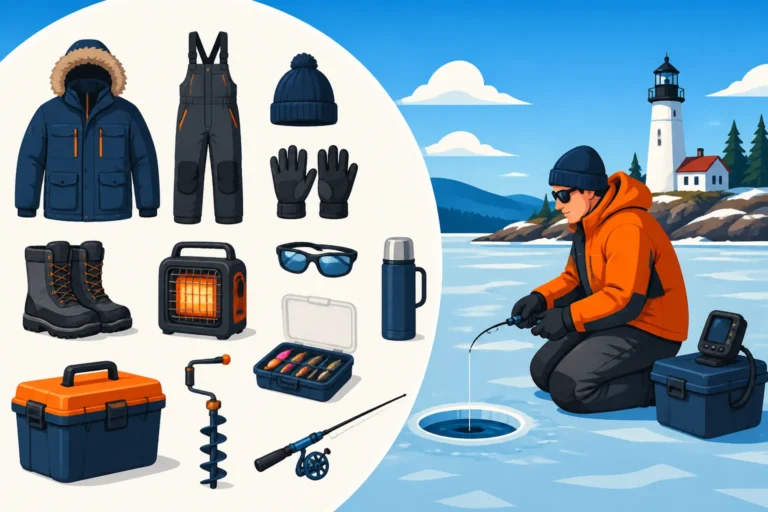
Layering is your best friend when fishing in Maine, especially from spring through fall, and absolutely critical for a Maine Winter Ice Fishing Guide experience. Even on a seemingly warm day, boat spray or a sudden drop in temperature can leave you chilled.
- Waterproof Outerwear: This is non-negotiable. A good quality waterproof and windproof jacket and pants (often called "foul weather gear") will be your first line of defense against rain and spray. Don't rely on a simple rain poncho; you need something durable.
- Warm Layers: Think fleece, wool, or synthetic base layers. Avoid cotton, as it loses its insulating properties when wet. Even in summer, a warm layer under your rain gear can make a huge difference.
- Waterproof Footwear: Boots that are waterproof and offer good grip are essential. Deck shoes with non-slip soles are also a must for safety on a wet boat deck.
- Headwear and Gloves: A waterproof hat with a brim will keep rain out of your eyes, and waterproof gloves will keep your hands warm and functional.
- Dry Bag: Consider bringing a small dry bag for your phone, wallet, and any other electronics or valuables you want to keep absolutely dry.
Being over-prepared is always better than being caught off guard. Even if the sun is shining when you leave the dock, having these items accessible can save your day if conditions change.
Mental Preparedness: Embracing the Elements
Sometimes, a fishing trip in Maine isn't about perfect conditions; it's about the adventure. Being mentally prepared for less-than-ideal weather can significantly impact your enjoyment.
- Flexibility: Understand that fishing is unpredictable. Be flexible with expectations regarding weather, fishing spots, and even the type of fish you might catch. The Best Fishing Spots in Maine by Region can still have challenging days.
- Positive Attitude: A little rain can actually make for fantastic fishing conditions sometimes, as it can stimulate fish activity. Embrace the elements, and remember you're out there to experience Maine's natural beauty, rain or shine.
- Focus on the Experience: Even if the fish aren't biting as much as you hoped due to a cold front or a passing shower, focus on the camaraderie, the stunning scenery, and the sheer joy of being out on the water.
By being informed, prepared, and maintaining a positive outlook, you can ensure that even a rainy forecast won't dampen your Maine fishing adventure.
Summary of Maine Fishing Charter Rain Policies
Here’s a quick overview of what you can generally expect from Maine fishing charter rain policies:
| Weather Condition | Captain's Action | Angler's Options (Typical) | Notes |
|---|---|---|---|
| Heavy Rain, Lightning, High Winds, Dense Fog | Cancellation (Captain's Discretion) | Full Refund or Reschedule | Safety is paramount. Captain will notify well in advance if possible. |
| Light Rain, Drizzle, Overcast Skies | Trip Proceeds (unless conditions worsen) | Trip goes on. If angler cancels, deposit/payment is typically forfeited. | Anglers are expected to dress appropriately. Often good fishing conditions. |
| Trip Starts, then Deteriorates Mid-way | Trip Cut Short (Captain's Discretion) | Partial Refund or Credit for Future Trip | Varies by charter; often prorated or a percentage of trip value. No refund if cut short due to angler discomfort. |
| Forecast Looks Bad, but Clears Up | Trip Proceeds (Captain's Discretion) | Trip goes on. If angler cancels, deposit/payment is typically forfeited. | Captain continuously monitors conditions; final call may be closer to trip time. |
Remember, this table provides typical scenarios. Always confirm the specific policy with your chosen charter, as each business may have slight variations. Platforms like FishingBooker usually outline these details clearly for each listed charter.
Ultimately, knowing what to expect from a Maine fishing charter's rain policy means you can book your trip with confidence, understanding the measures in place for your safety and enjoyment. It’s all part of planning a successful and memorable adventure on Maine's beautiful waters.
Disclaimer
This article is for general informational purposes only and does not constitute professional advice. Laws, prices and regulations vary by location and change over time. Consult a qualified professional for guidance on your specific situation.