Maine Canoe Trip Fishing Guides
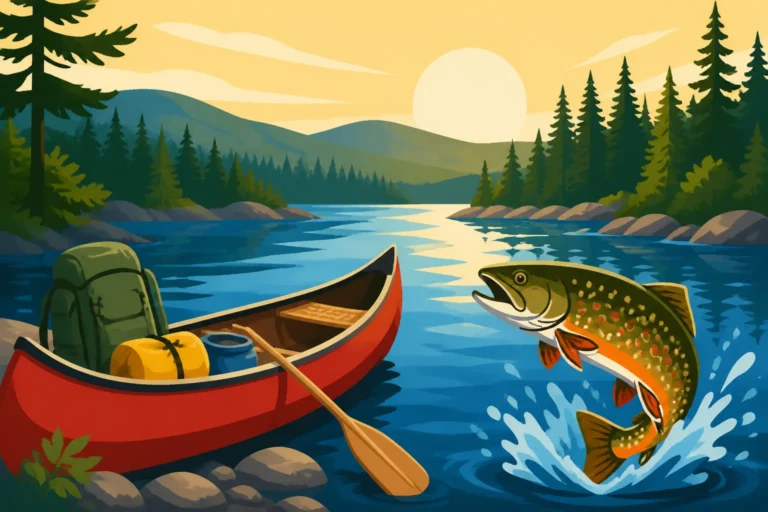
There's nothing quite like the allure of Maine's wild rivers and lakes, where the whisper of the wind through the pines and the splash of a rising fish are the only sounds for miles. Yet, for many of us, the idea of packing up a canoe, navigating remote waterways, and finding those secret fishing holes feels like a monumental task, often leading us to stick to more accessible spots. If you've ever dreamed of a truly immersive wilderness fishing experience but felt intimidated by the logistics, this guide is for you. We're going to dive deep into how Maine canoe trip fishing guides can transform that dream into a memorable, stress-free reality, connecting you with the heart of Maine's legendary outdoors.
Why Hire a Maine Canoe Trip Fishing Guide?
Embarking on a multi-day canoe trip into the vast Maine wilderness is an incredible adventure, but it comes with its own unique set of challenges. Without proper planning and expertise, a dream trip can quickly turn into a frustrating ordeal. That's where a seasoned Maine canoe trip fishing guide becomes invaluable, offering far more than just navigation and fishing advice.
Navigating the Remote Wilderness
Maine's interior is a labyrinth of interconnected lakes, ponds, rivers, and portages, many of which are truly wild and undeveloped. Imagine trying to navigate the extensive Allagash Wilderness Waterway Fishing Guide or the countless smaller feeder streams without intimate knowledge of the currents, hidden rocks, and portage trails. It's a daunting prospect. Guides spend their lives learning these waterways, understanding their nuances, and knowing how to safely get you from point A to point B, even when conditions are less than ideal. They know where fallen trees might block a passage, which channels are deep enough, and how to read the water to avoid hazards. This local expertise saves you countless hours of confusion and ensures your focus remains on the experience, not just survival.
Beyond simple navigation, guides are masters of efficiency. They know the best places to make camp, how to set up a comfortable and safe site, and how to manage the daily routine of a wilderness trip. This means less time struggling with maps and gear, and more time enjoying the tranquility and the fishing opportunities that abound. Their knowledge extends to reading weather patterns, an essential skill in a place where conditions can change rapidly. This foresight allows them to adapt plans, ensuring your safety and maximizing your enjoyment, even if Mother Nature decides to throw a curveball.
Unlocking Prime Fishing Opportunities
Let's be honest, you're going on a canoe trip to fish! But simply being in the wilderness doesn't guarantee you'll find the fish. Maine's pristine waters hold incredible populations of species like Brook Trout Fishing in Maine and Landlocked Salmon Fishing in Maine, but they can be elusive. A local guide has spent years, often decades, understanding the habits of these fish in specific water bodies. They know where the fish feed at different times of day, what flies or lures are working best, and how water temperature and current affect their behavior. This isn't just general knowledge; it's hyper-specific to the lakes, ponds, and sections of river you'll be traversing.
Think about it: while you might spend half a day casting fruitlessly in one spot, your guide would steer you directly to a hidden eddy or a deep pool where salmon are holding, or a bubbling riffle where brook trout are actively feeding. They know the secret honey holes that aren't marked on any map, gained through years of personal experience and shared wisdom within the guiding community. This insider knowledge dramatically increases your chances of a successful and rewarding fishing trip, leading to more hooked fish and unforgettable stories. Moreover, they understand the specific regulations that might apply to different stretches of water, helping you stay compliant with Maine Fishing Regulations Explained.
Ensuring Safety and Comfort in the Backcountry
The Maine wilderness, while beautiful, demands respect. A guide's paramount responsibility is your safety. They are trained in wilderness first aid, navigation, and emergency preparedness. If someone gets a hook stuck, twists an ankle on a portage, or if a sudden storm blows in, your guide is the one with the skills and equipment to handle the situation calmly and effectively. They carry comprehensive first aid kits, emergency communication devices, and know how to react in a crisis, which can be literally life-saving when you are miles from the nearest road.
Beyond safety, a good guide elevates your comfort. They ensure you have delicious meals cooked over an open fire, hot coffee in the morning, and a dry, comfortable camp setup. From selecting ideal campsites sheltered from wind and rain, to setting up tents efficiently, and even building a perfect campfire, they handle the chores so you can relax and soak in the environment. This takes away the anxieties of roughing it and allows you to fully immerse yourself in the natural beauty and the joy of fishing, knowing that all the practicalities are expertly managed. Many guides are also well-versed in Leave No Trace principles, ensuring your trip has minimal impact on the environment, leaving it pristine for future generations.
What a Maine Canoe Trip Fishing Guide Provides
When you embark on a guided canoe trip in Maine, you're not just getting a ride down the river. You're investing in a comprehensive experience where an expert handles the complexities, allowing you to focus purely on the adventure and the angling. This goes far beyond simply pointing out where to cast.
Expert Guidance and Local Knowledge
At the heart of any guided trip is the guide's deep well of knowledge. A Registered Maine Guide is not just someone who knows how to paddle a canoe; they are certified professionals with extensive training in wilderness skills, safety, and natural history. They possess an intimate understanding of the specific waterways you'll be exploring, from the depths and currents of Best Fishing Rivers in Maine to the hidden coves of remote ponds. This includes knowledge of local fish populations – what species thrive where, their feeding patterns, and the best techniques to catch them. Your guide will tell you that certain stretches of the Penobscot might be great for smallmouth bass, while a smaller stream feeding into a lake could be a brook trout haven.
They’ll teach you about the local flora and fauna, sharing insights into the eagles soaring overhead, the moose you might spot along the shore, or the history of logging camps long since reclaimed by the forest. This isn't just an outing; it's an educational immersion into Maine's natural heritage. Whether it's showing you how to properly cast a fly to a rising fish, helping you identify a subtle bite, or explaining why a particular lure is effective in specific conditions, their hands-on instruction is invaluable. Guides often have a preferred gear setup based on years of experience, and they can offer recommendations on everything from rods and reels to line weights, ensuring you're using the right tools for the job.
Essential Gear and Logistics Management
One of the biggest hurdles for planning a multi-day canoe trip is accumulating all the necessary gear and then figuring out how to transport and manage it in the backcountry. This is where a guide truly shines. Most Maine canoe trip fishing guides provide the majority of the essential heavy gear, meaning you don't need to own or rent canoes, paddles, personal flotation devices, tents, sleeping bags, or cooking equipment. They bring high-quality, reliable gear suited for the rugged Maine wilderness, ensuring you're comfortable and safe. This also includes specialized fishing equipment, often offering a range of rods, reels, and tackle appropriate for the target species and conditions. This can be especially helpful if you're flying in from out of state and don't want the hassle of transporting bulky gear.
Beyond just providing the items, guides are logistics masters. They handle the permits needed for various wilderness areas, plan the route down to the finest detail, arrange shuttles for vehicles if you're doing a one-way trip, and manage all food and water supplies. Imagine arriving at the launch point, and everything is already organized and ready to go – canoes packed, food stowed, and a clear plan for the days ahead. This meticulous planning eliminates the stress and uncertainty that often accompanies self-guided wilderness trips, allowing you to relax and enjoy the journey from the very first paddle stroke. Some guides even work with services like FishingBooker to make the booking process seamless, listing their available trips and guiding services online for easy access.
Culinary Delights and Camp Management
After a long day of paddling and casting, nothing beats a delicious, hot meal cooked over an open fire. Your guide isn't just a navigator and a fishing expert; they are often a fantastic camp chef. Forget freeze-dried meals; many guides take pride in preparing hearty, fresh, and often gourmet-level meals right there in the wilderness. Think sizzling bacon and eggs for breakfast, fresh-caught fish expertly cooked for dinner, or a warm pot of stew to combat a chilly evening. They manage all the food planning, packing, and cooking, including special dietary needs if communicated in advance. And yes, they'll even make sure the coffee is brewing before you even crawl out of your sleeping bag!
Moreover, camp management is a huge part of their role. Setting up a comfortable and functional campsite in the wilderness involves more than just pitching a tent. A guide knows how to choose a sheltered spot, establish a safe campfire area, properly store food to deter wildlife, and maintain a clean and organized camp. They'll show you how to efficiently break down camp each morning, pack the canoes, and leave no trace behind. This seamless management of daily camp life means you can spend your evenings relaxing by the fire, recounting the day's catches, and truly disconnecting from the stresses of everyday life, rather than worrying about chores. A truly great guide turns a wilderness trip into a genuine vacation, where your only job is to fish, relax, and soak in the beauty.
Selecting Your Ideal Canoe Trip Fishing Guide
Choosing the right Maine canoe trip fishing guide is crucial for ensuring a memorable and successful adventure. It's not a one-size-fits-all decision, as different guides specialize in different areas, species, and types of trips. Taking the time to properly vet potential guides and communicate your expectations will pay dividends.
Vetting Credentials and Experience
The first and most important step is to ensure your guide is a Registered Maine Guide. This isn't just a title; it signifies that they have passed rigorous state exams covering wilderness first aid, navigation, trip planning, and state regulations. You can learn more about this process and what it entails in our guide on How to Become a Registered Maine Guide. Don't be shy about asking for their license number or looking for reviews. Beyond the basic registration, consider their specific experience with canoe trips and fishing. Do they primarily guide on the specific river or lake system you're interested in, like the Allagash River Brook Trout Fishing in Maine? How many years have they been guiding these types of trips?
Look for guides who specialize in the kind of fishing you want to do. If you're passionate about fly fishing for brook trout, you'll want a guide who is also an experienced fly angler and can help you with techniques and fly selection. If you're hoping to target larger landlocked salmon, find someone with a proven track record in those specific waters. Websites like FishingBooker often provide profiles of guides, detailing their specialties, experience, and client testimonials, which can be an excellent starting point for your research. Don't hesitate to ask for references from past clients, as their firsthand accounts can offer valuable insights into a guide's personality and professionalism.
Customizing Your Trip and Communicating Needs
A great guide-client relationship is built on clear communication. Before you even book, have a detailed conversation about your expectations, preferences, and any specific goals for the trip. Are you a beginner angler hoping to learn the ropes, or an experienced one looking for trophy fish? Do you prefer a rustic camp experience or something with a few more creature comforts? Are there any dietary restrictions or physical limitations your guide needs to be aware of? The more information you provide, the better your guide can tailor the trip to your needs. This is especially true for multi-day excursions.
Discuss the daily itinerary, including approximate paddling distances, time spent fishing versus relaxing, and the types of fish you hope to catch. Clarify what gear you're expected to bring (e.g., personal clothing, fishing rods if you prefer your own) and what the guide will provide. If you have a specific destination in mind, such as the remote waters of the Allagash, ensure your chosen guide has permits and experience operating there. Some guides offer pre-set itineraries, while others are more flexible in creating a custom adventure. Finding a guide whose philosophy aligns with your own will make for a much more enjoyable experience.
Understanding Pricing and Booking Procedures
The cost of a guided canoe trip can vary significantly based on duration, remoteness, number of participants, and the guide's level of service. Most guides will have a clear pricing structure, often quoted per day, with potential discounts for longer trips or larger groups. Make sure you understand what is included in the price: Is all food provided? Do they include fishing licenses or is that your responsibility? What about transportation to and from the launch point? Knowing this upfront prevents any unwelcome surprises later on.
It's common for guides to require a deposit to secure your booking, with the balance due closer to the trip date. Inquire about their cancellation policy – what happens if you need to cancel, or if the guide has to cancel due to unforeseen circumstances like severe weather? Reputable guides will have clear policies in place. When you're ready to book, many guides can be found through online platforms like FishingBooker, which streamline the booking and payment process. Don't forget to inquire about Tipping Etiquette for Maine Fishing Guides as it's customary to show your appreciation for a job well done. Clear communication on all financial aspects ensures a smooth and transparent transaction for both parties.
Exploring Types of Guided Canoe Fishing Trips in Maine
Maine offers a diverse landscape of waterways, from vast, undeveloped lakes to intricate river systems, each providing unique opportunities for guided canoe fishing trips. Understanding the different types of trips available can help you pinpoint the adventure that best suits your angling desires and outdoor preferences.
Multi-Day Wilderness Expeditions
These are the quintessential Maine canoe trips, often spanning several days to a week or more, venturing deep into the state's wildest regions. Think of the Allagash Wilderness Waterway, the St. John River, or remote portions of the Penobscot drainage. These trips are designed for those who want to truly disconnect and immerse themselves in the backcountry. A guide is essential for these expeditions, not only for navigation and safety but also for managing the complex logistics of food, water, and gear over multiple days in an environment with limited access. These trips are often highlighted as Maine Overnight Guided Fishing Trips because they truly allow you to experience the solitude and rhythm of the wilderness.
On a multi-day expedition, you'll typically paddle from point to point, setting up camp in new locations each evening. The fishing opportunities are often incredible, targeting wild brook trout, landlocked salmon, and smallmouth bass in waters that see far less pressure than roadside spots. Your guide will handle everything from cooking delicious camp meals to finding the most picturesque campsites, leaving you free to enjoy the paddling, the fishing, and the breathtaking scenery. These trips offer an unparalleled sense of accomplishment and a deep connection to nature, truly allowing you to unwind and experience Maine's untamed beauty firsthand.
Specialized Fly Fishing or Species-Specific Trips
For the dedicated angler with a passion for a particular fishing method or species, many guides offer specialized canoe trips. If your heart beats for the delicate art of fly fishing, you can find guides who focus exclusively on Maine Fly Fishing Guides for brook trout in secluded streams or landlocked salmon in specific river sections. These guides often have extensive knowledge of entomology, understanding the insect hatches and knowing exactly which patterns will entice a bite. They can provide casting instruction, help you "read" the water, and teach you advanced techniques for targeting wary fish.
Similarly, if you have a specific fish species in mind, like chasing trophy brook trout in a remote pond or targeting hard-fighting smallmouth bass in a river system, you can find guides who specialize in those pursuits. They know the best times of year to target these fish, their preferred habitats, and the most effective baits or lures. For example, a guide might lead you to small, pristine ponds known for their robust brook trout populations, or to certain river stretches famous for their active bass fishing. These specialized trips cater to anglers who want to hone their skills or achieve a specific fishing goal, benefiting from a guide's focused expertise.
Family-Friendly and Educational Adventures
Canoe trips aren't just for hardcore anglers; they can be fantastic family adventures! Many Maine fishing guides offer trips tailored to families with children, focusing on a balance of fishing, outdoor education, and fun. These trips might involve shorter paddling days, more time for swimming or exploring the shore, and a greater emphasis on learning about the local ecosystem. Guides are skilled at engaging younger participants, teaching them basic fishing techniques, identifying wildlife tracks, or even starting a campfire.
These educational trips can be a wonderful way to introduce children and beginners to the joys of the outdoors and the sport of fishing in a safe and supportive environment. The focus is often less on trophy catches and more on the experience of being in nature, learning new skills, and creating lasting family memories. Guides can adapt the itinerary to suit different ages and energy levels, ensuring everyone has a positive and enriching experience. Whether it’s a leisurely paddle on a calm lake or a short river journey with plenty of stops, a family-focused guide ensures that everyone, regardless of experience level, feels comfortable and excited about their wilderness adventure.
| Feature | Self-Guided Canoe Trip (DIY) | Guided Canoe Trip |
|---|---|---|
| Experience Level | Requires advanced wilderness skills & navigation | Suitable for all levels, from novice to expert |
| Logistics | Your responsibility (gear, food, permits, shuttles) | Handled by guide (most gear, food, permits, shuttles) |
| Fishing Success | Relies on personal research & luck | Enhanced by guide's local knowledge & expertise |
| Safety | Your responsibility (first aid, emergency comms) | Guide provides safety protocols & emergency skills |
| Comfort | Varies based on personal gear & camp skills | High level of comfort with guide's camp management |
| Cost | Initial gear investment, ongoing consumables | Upfront cost includes guide fees, most provisions |
| Learning Curve | Steep, learn by doing | Hands-on instruction from experienced professional |
| Responsibility | High personal responsibility for all aspects | Guide takes on most trip responsibilities |
Planning Your Maine Guided Canoe Fishing Adventure
Planning a wilderness trip can seem like a lot, but when you're working with a guide, much of the heavy lifting is taken off your shoulders. Still, there are some key aspects you'll want to consider and discuss to ensure your guided canoe fishing adventure in Maine is everything you hoped for.
Best Seasons and Destinations
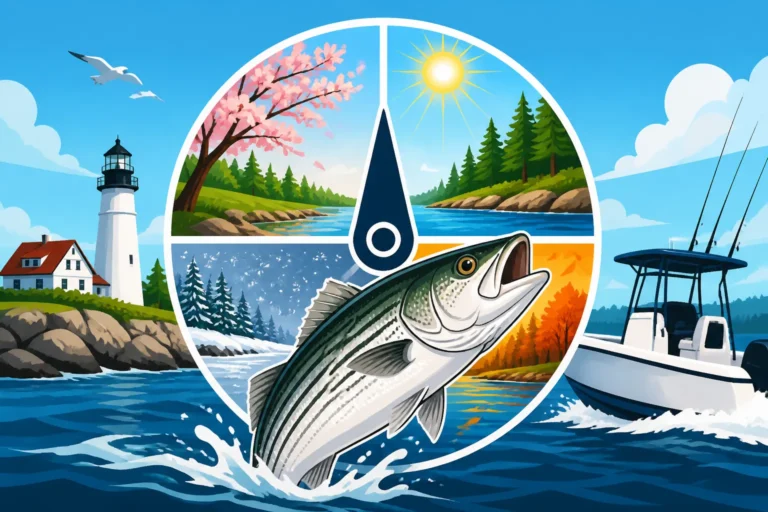
Maine truly is a four-season state, but for canoe fishing, certain times of year and certain destinations shine brighter than others. Spring, particularly May and early June after ice-out, is fantastic for coldwater species like brook trout and landlocked salmon as they become more active in cooler water near the surface. The Maine Fishing Season Calendar will show you typical open water dates. Places like the Rangeley Lakes region, Moosehead Lake, or many of the smaller, pristine ponds in the North Woods are incredible destinations. However, spring can also mean black flies and unpredictable weather, so discussing these factors with your guide is important.
Summer offers warmer weather and great fishing for smallmouth bass, especially in rivers like the Penobscot or the Kennebec. For trout and salmon, you'll often need to target deeper, cooler waters or fish early mornings and late evenings. The Allagash Wilderness Waterway is a classic summer destination, offering a mix of paddling and fishing. Fall, from September through October, brings stunning foliage, fewer bugs, and often aggressive fish as they prepare for winter. Trout and salmon are again more active, making rivers and shallow lake areas productive. Your guide will have expert advice on the prime time for your target species and preferred experience, helping you choose the perfect window to visit.
Essential Pre-Trip Paperwork and Regulations
Even with a guide, you'll need to handle some personal paperwork. The most important is your Maine fishing license. Your guide cannot purchase this for you, so be sure to secure it well in advance. You can purchase them online through the Maine Department of Inland Fisheries and Wildlife website or find locations where to buy one in person by checking out our Maine Fishing License Guide. Remember that you'll need a different license for freshwater and saltwater, and if your trip takes you through both, you'll need both. Your guide will confirm what kind of license is appropriate for your specific itinerary.
Beyond your license, it's crucial to understand the fishing regulations that apply to your chosen waters. Maine has highly specific rules for different zones, lakes, and rivers regarding bag limits, length limits, and even tackle restrictions. For instance, the regulations on Brook Trout Daily Bag Limits or Landlocked Salmon Size and Bag Limits in Maine can vary greatly depending on where you are. Your guide will be an expert on these local regulations, ensuring you fish legally and responsibly. However, it's always a good practice to familiarize yourself with the Maine Fishing Regulations Explained yourself, so you understand the "why" behind what your guide is telling you. This mutual understanding contributes to a smooth and enjoyable trip for everyone.
Crafting a Realistic Budget
While a guided trip is an investment, it's one that often pays dividends in experience and peace of mind. Discuss the full cost with your guide upfront. This includes their daily guiding fees, which often cover their expertise, canoes, camp gear, and all meals. However, there will be other costs you need to budget for. These might include your personal fishing license, travel expenses to and from Maine, any personal gear you need to purchase (like appropriate clothing or waders), and incidental expenses. Don't forget about tips for your guide; it's customary to tip for excellent service, similar to how you would on a Maine Fishing Charters Guide.
Some guides might also offer optional add-ons, such as specialized flies or lures, alcoholic beverages, or extra days for longer trips. Be clear about what's included and what's extra to avoid any surprises. Reputable guide services and platforms like FishingBooker will provide transparent pricing. A clear budget helps manage expectations and ensures you can fully enjoy your adventure without financial stress. Remember, you're not just paying for a guide's time; you're paying for their years of experience, their intimate knowledge of the wilderness, their safety expertise, and the convenience of having every detail taken care of for you.
Preparing for Your Wilderness Canoe Trip
Even with an expert guide handling the bulk of the logistics, a canoe trip into Maine's wilderness still requires some personal preparation. A little foresight on your part will ensure you're comfortable, well-equipped, and ready to embrace the challenges and joys of the backcountry.
Physical Preparation and Personal Gear
A multi-day canoe trip involves paddling, carrying gear over portages (which can sometimes be muddy or hilly), and being active outdoors. While you don't need to be an Olympic athlete, a reasonable level of fitness will make the trip much more enjoyable. Consider getting in a few walks or light hikes in the weeks leading up to your trip. If you have access to a canoe, even a short paddle can help you get accustomed to the motion. Your guide will adjust the pace and intensity to the group's abilities, but being prepared means you'll spend more time enjoying and less time struggling.
When it comes to personal gear, layers are key in Maine. Even in summer, evenings can be cool, and weather can change rapidly. Think moisture-wicking base layers, insulating mid-layers (fleece or wool are great), and a waterproof/windproof outer shell. Quick-drying pants and shirts are ideal. Don't forget a wide-brimmed hat, sunglasses, and plenty of sunscreen. Comfortable, broken-in waterproof boots or shoes for camp and walking, plus water-friendly footwear for paddling and wading, are essential. You can refer to our general guide on What to Bring on a Maine Fishing Charter for some overlapping gear ideas, but your canoe guide will provide a specific packing list tailored to your trip. Remember a good headlamp, personal toiletries, and any medications you need. And yes, a quality bug repellent is your best friend in the Maine woods!
Mental Preparedness and Expectations
Heading into the wilderness is as much a mental journey as a physical one. Be prepared for moments without cell service, for the occasional bug bite, and for the fact that nature can sometimes be unpredictable. Embrace the opportunity to truly unplug and immerse yourself in the natural world. A positive attitude and a sense of adventure will go a long way in making your trip fantastic, even if a shower isn't an option for a few days. The beauty of a guided trip is that most unexpected challenges are deftly handled by your experienced guide, but being mentally flexible helps everyone.
Have realistic expectations about the fishing. While your guide will put you in the best possible positions, fishing is still fishing – there are no guarantees of a "fish every cast" experience. Enjoy the process, the pristine environment, and the thrill of the chase. This isn't a luxury resort; it's an authentic wilderness experience. Appreciate the simplicity of camp life, the quiet moments on the water, and the camaraderie around the campfire. Many people find these trips incredibly rejuvenating, a chance to reconnect with nature and themselves. Be open to learning from your guide, not just about fishing, but about the unique ecosystem and history of Maine.
Protecting Maine's Pristine Waters
As guests in Maine's magnificent wilderness, we all have a responsibility to protect it. Your guide will be a staunch advocate for Leave No Trace principles, and you should be too. This means packing out everything you pack in, including all trash and food scraps. It means respecting wildlife by observing from a distance and never feeding animals. It means staying on established trails and campsites, and not polluting the waters with soaps or other chemicals. These practices ensure that the pristine beauty and incredible fishing opportunities remain for generations to come.
Understanding and respecting Maine Fishing Regulations Explained is also part of protecting the resource. Adhering to bag limits and length restrictions, and practicing proper catch-and-release techniques when appropriate, helps maintain healthy fish populations. Your guide will lead by example, but your active participation in these conservation efforts is vital. By working together, we can ensure that future anglers can experience the same wild, productive waters that draw us to Maine year after year. It's a privilege to fish these waters, and treating them with care is our collective duty.
Disclaimer
This article is for general informational purposes only and does not constitute professional advice. Laws, prices and regulations vary by location and change over time. Consult a qualified professional for guidance on your specific situation.