Rangeley Lakes Fishing Guides
Venturing out onto the vast, breathtaking waters of Maine's Rangeley Lakes region can be an incredible experience, but it also presents a unique set of challenges. From deciphering the ever-changing bite patterns of trophy landlocked salmon to navigating intricate regulations for brook trout, it's easy to feel overwhelmed. This guide is here to walk you through everything you need to know about engaging a local fishing guide in Rangeley, ensuring your trip is not just successful, but truly unforgettable.
Why Hire a Fishing Guide for the Rangeley Lakes?
You might be thinking, "Can't I just grab a map and go?" And sure, you can. But the Rangeley Lakes system – with its sprawling main lake, interconnected ponds, and feeder streams – is a complex beast. Hiring a seasoned local guide isn't about being unable to fish; it's about elevating your experience, cutting down the learning curve, and tapping into generations of acquired wisdom that no map or online forum can truly replicate.
Navigating Complex Waters and Regulations
The Rangeley region isn't just one big lake. It encompasses Rangeley Lake, Mooselookmeguntic Lake, Richardson Lakes, and a myriad of smaller ponds and rivers, each with its own character and hidden gems. A guide knows these waters intimately – where the thermocline sits on a hot summer day, which coves offer shelter from a strong westerly wind, or where to find the subtle current breaks that hold fish. More importantly, they are masters of the Maine Fishing Regulations Explained. Different lakes can have specific rules regarding bag limits, length limits, and even terminal tackle. Trying to keep track of all that while also focusing on fishing can be a headache, not a relaxing day on the water. Your guide handles the nuances, allowing you to focus on the tug on your line.
They've spent countless hours on these waters, reading every ripple, understanding the unique currents, and memorizing the subtle underwater structures that hold fish. This isn't just about finding the fish; it's about navigating safely, avoiding potential hazards, and knowing the best launch points for various conditions. For a first-timer, or even an experienced angler new to the region, this local knowledge is priceless.
Tapping into Local Expertise
Maine fishing, especially in a storied region like Rangeley, is steeped in tradition and local knowledge. A guide offers a direct conduit to that expertise. They know when the Best Time of Year to Catch Landlocked Salmon in Maine is hitting its peak, which insect hatches are happening on specific streams, or the exact trolling speed that triggers a strike from a deep-dwelling togue. They live and breathe these waters, monitoring water temperatures, weather patterns, and fish behavior daily.
Think about it: they are out there almost every day of the season. They know what flies are working, what color spoons are getting hit, and the specific quirks of each fishing hole. This isn't information you can easily glean from a quick internet search. It's experiential knowledge, passed down through fishing communities and honed over years of trial and error. This insight means less time guessing and more time fishing effectively, giving you a significant advantage, especially if your time on the water is limited.
Maximizing Your Catch Potential
Ultimately, most people hire a guide to increase their chances of catching fish, and the Rangeley Lakes are no exception. Guides possess a deep understanding of fish behavior, patterns, and the best techniques for each species found in the region. Whether you're chasing the acrobatic landlocked salmon, the elusive brook trout, or the deep-water togue, a guide will put you in the best position to succeed.
They’ll often have specialized equipment, from specific trolling setups for Rangeley Lake Trolling Depths to fine-tuned fly rods and custom fly patterns, all optimized for the local conditions. They can teach you techniques you might not have tried, like specific jigging motions for lake trout or precise presentations for wary brook trout. This isn't just about catching a fish; it's about pursuing the trophy fish or simply having a productive, action-packed day. Their goal is your success and enjoyment, and they work tirelessly to make it happen.
What Kinds of Guides Operate in the Rangeley Region?
The diverse fisheries of the Rangeley Lakes region attract a variety of specialized guides. Depending on your preferred fishing style, target species, and the time of year, you’ll find guides who excel in different disciplines. It's not a one-size-fits-all situation; knowing what kind of experience you're looking for will help you narrow down your options.
Fly Fishing Specialists
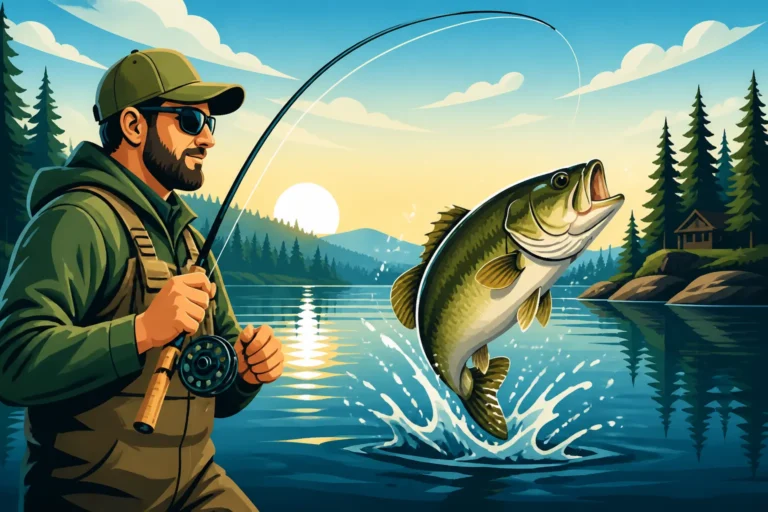
The Rangeley Lakes are legendary for their fly fishing opportunities, particularly for brook trout and landlocked salmon in the many rivers and streams that feed the main lakes. Fly fishing guides in this area are typically experts in reading water, understanding insect hatches, and teaching proper casting and presentation techniques. They might focus on wade fishing smaller tributaries, drifting larger rivers in drift boats, or even targeting rising fish on the lake's surface with dry flies.
These guides often have a deep appreciation for the art of fly fishing and conservation. They can introduce you to the nuances of matching the hatch, selecting the right leader and tippet, and expertly presenting your fly. If your dream is to cast a perfect loop to a rising Brook Trout Fishing in Maine in a pristine stream, or to feel the powerful surge of a landlocked salmon on a streamer, a fly fishing specialist is definitely the way to go. They’ll have an arsenal of local patterns and the knowledge to put them to good use.
Trolling and Open Water Guides
For those who prefer to cover more water and target the larger, deeper-dwelling fish like landlocked salmon and togue, trolling guides are your go-to experts. These guides typically operate larger, well-equipped boats designed for lake fishing. They specialize in techniques like flat-lining, using lead core line, downriggers, or even copper line to present lures at specific depths. Their boats are often outfitted with advanced sonar and GPS systems to locate fish and structure.
A good trolling guide understands the intricacies of Trolling Techniques for Maine Lakes, from choosing the right spoon color for the prevailing light conditions to setting up multiple lines at varying depths and speeds to cover the water column effectively. They know the subtle contours of the lake bottom, the hidden reefs, and the deep channels where fish congregate. If you're looking for a comfortable day on the water, steadily working lures to entice big game fish, a trolling guide will provide the best setup and expertise. They also often have success with Best Lures for Rangeley Lakes Salmon.
Ice Fishing Guides
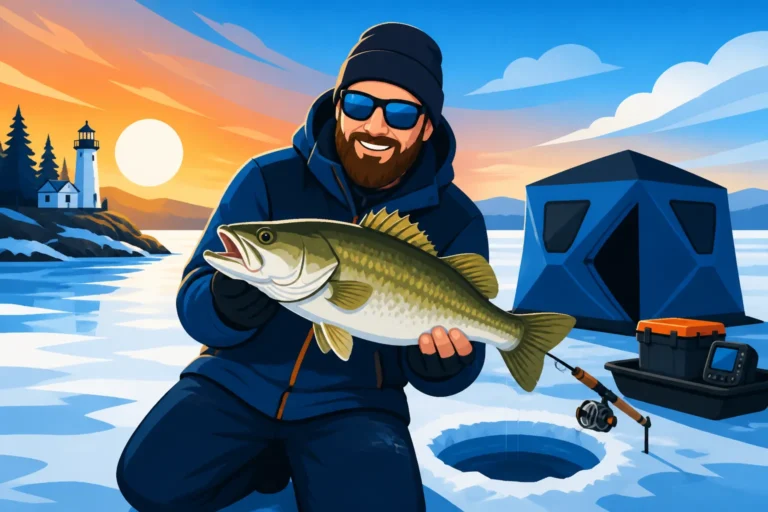
When winter blankets the Rangeley Lakes in ice, a whole new fishing season begins, and specialized ice fishing guides emerge. These guides are experts in navigating the frozen landscape safely and efficiently. They'll have heated ice shacks, powerful augers, and a comprehensive understanding of where the fish hold under the ice, often targeting Togue and Lake Trout Fishing in Maine, as well as salmon and brook trout.
An ice fishing guide will provide all the necessary gear, from tip-ups and jigging rods to bait and heaters. They know about Maine Ice Fishing Line Limits and the best bait for specific species, such as shiners for togue or small jigs for brook trout. They are also adept at setting up comfortable and safe fishing environments, which is crucial in Maine's sometimes harsh winter conditions. If you've ever wanted to experience the unique thrill of pulling a fish through a hole in the ice in a pristine winter wonderland, an ice fishing guide will make it a comfortable and productive adventure. They'll handle the logistics, letting you enjoy the stillness and the fight.
What to Expect from a Guided Trip on Rangeley Lakes
Booking a guided trip in Rangeley isn't just about showing up with your waders. Understanding what to expect can help you prepare properly and maximize your experience. Every guide has their own style, but there are some common elements that you'll find across the board.
Typical Trip Duration and Inclusions
Most Rangeley Lakes fishing guides offer half-day (typically 4-5 hours) and full-day (8-9 hours) trips. What's included can vary, but generally, expect the guide to provide the boat, fuel, specialized fishing gear (rods, reels, tackle), and often bait or flies. Some guides might also include snacks, drinks, or even a shore lunch, especially on a full-day excursion. Always confirm these details when booking.
Many guides will meet you at a predetermined public boat launch or a specific access point convenient to the area you'll be fishing. For fly fishing, it might be a roadside pull-off near a prime stream. The guide’s goal is to make your day as seamless as possible, so they’ll often handle all the heavy lifting of preparing the boat, rigging the rods, and getting you to the best spots. If you're looking for a specific type of experience, like a remote pond trip or a multi-day adventure, make sure to discuss this upfront, as specialized trips may have different offerings.
Gear, Bait, and Licensing Considerations
One of the major benefits of a guided trip is that the guide almost always provides all the necessary fishing gear. This means you don't need to worry about bringing your own expensive rods, reels, or an overflowing tackle box. They'll have top-of-the-line equipment perfectly suited for the local species and conditions. They also provide all the appropriate bait or flies. However, many anglers prefer to use their own lucky rod or favorite fly box; just clear it with your guide beforehand.
What you are responsible for is your Maine Fishing License Guide. Every angler, regardless of whether they are with a guide or not, must possess a valid Maine fishing license, unless they fall under specific Maine Fishing License Exemptions like a free fishing day or age exemption. It’s crucial to purchase this before your trip, either online or from a local agent. Your guide cannot sell you a license. Also, bring appropriate clothing for the weather (layers are key in Maine!), sunglasses, a hat, sunscreen, and any personal snacks or drinks you might want.
Catch and Release vs. Keeping Your Catch
Before you even step on the boat, it's a good idea to discuss your preferences regarding catch and release versus keeping fish with your guide. Many anglers in Rangeley are passionate about conservation and practice Catch and Release Best Practices in Maine, especially for wild brook trout. However, if you're hoping to take some fish home for dinner, most guides are happy to accommodate, provided the fish are legal size and within the daily bag limits for the specific waters you are fishing.
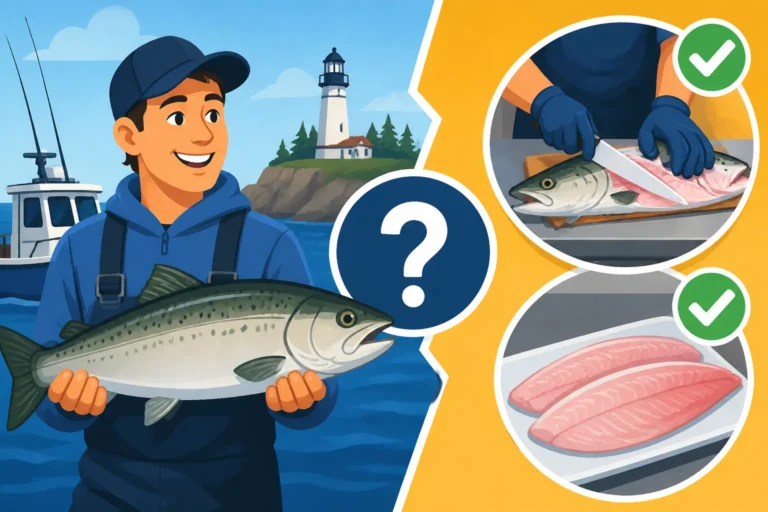
Your guide will be knowledgeable about all local bag and length limits. If you plan to keep fish, they can often provide advice on proper handling to ensure the fish stay fresh, and many guides will even clean and fillet your catch for you at the end of the day. This is a great perk, turning your fresh catch into a delicious meal with minimal effort on your part. Just be clear about your intentions and respect the guide's recommendations, especially if fishing in special regulation waters where catch-and-release might be mandatory for certain species.
Choosing the Right Rangeley Lakes Fishing Guide
Finding the perfect guide is like finding the perfect pair of hiking boots – it needs to fit you. With so many talented guides operating in the Rangeley region, taking the time to research and ask the right questions will ensure a fantastic experience tailored to your expectations.
Key Questions to Ask Prospective Guides
When you're first reaching out, treat it like an interview. Here are some essential questions to ask a potential Rangeley Lakes fishing guide:
- What are your areas of expertise? Do they specialize in fly fishing, trolling, ice fishing, or a specific species like landlocked salmon or brook trout?
- What's included in the trip price? (Gear, bait, lunch, drinks?)
- What's your typical fishing style for a trip like mine? Are they hands-on instructors, or do they prefer to let you fish independently?
- How many years have you guided in the Rangeley area? Experience matters in these complex waters.
- What's your cancellation policy, especially for weather? Maine weather can be unpredictable.
- Do you cater to beginners, families, or experienced anglers? Ensure their approach aligns with your skill level.
- Do you have references? A reputable guide will be happy to provide them.
Don't be shy about asking. A good guide wants to ensure a good fit as much as you do. For example, some anglers might use platforms like FishingBooker to browse multiple guides and check reviews, which can give you a good starting point for these questions.
Understanding Different Guide Styles and Personalities
Just like people, guides have unique personalities and guiding styles. Some guides are quiet, letting the fishing do the talking, offering subtle tips and interventions. Others are enthusiastic storytellers, sharing local lore, conservation insights, and constant encouragement. Some are highly instructional, breaking down casting techniques or knot tying, making them ideal for beginners. Others are more focused on simply getting you on the fish, perfect for experienced anglers who just want to enjoy the action.
Consider what kind of interaction you prefer. Do you want a teacher, a quiet companion, or a lively conversationalist? Reading reviews and talking to the guide on the phone can give you a good sense of their personality. A great guide-client match can turn a good day of fishing into an unforgettable adventure. Don't underestimate the importance of this personal connection; it can truly make or break your trip.
How to Book and Prepare for Your Trip
Once you've chosen your guide, booking is usually straightforward. Most guides will require a deposit to secure your date, with the remainder due on the day of the trip. Many professional guides, or services like FishingBooker, make this process clear and efficient, handling payments and confirmations. Booking well in advance, especially for peak seasons like early summer or fall, is highly recommended as popular guides fill up quickly.
Leading up to your trip, your guide will likely communicate with you about specific meeting times and locations. Pay close attention to their recommendations for clothing, as Maine weather can change rapidly. Layers are always a good idea, as are rain gear and waterproof footwear. Pack any personal items like medications, sunscreen, bug spray (especially in spring and early summer!), and a camera. Remember to purchase your Maine Fishing License Guide ahead of time. A little preparation goes a long way in ensuring a smooth and enjoyable day on the water.
Costs and Tipping Etiquette for Rangeley Guides
Let's be realistic – hiring a fishing guide is an investment. It's an investment in an experience, in local expertise, and often in a significantly higher chance of success. Understanding the cost structure and proper tipping etiquette will help you budget effectively and show your appreciation.
What Influences Guide Rates
The cost of a Rangeley Lakes fishing guide can vary quite a bit depending on several factors. First, whether you opt for a half-day or a full-day trip is the most obvious differentiator, with full-day trips costing more but offering significantly more time on the water. The type of trip also plays a role; a specialized fly fishing wade trip might have a different rate than a multi-person trolling trip on a large boat.
Furthermore, the guide's experience, reputation, and the inclusions in the trip (e.g., lunch, premium gear) can influence pricing. Some guides might have slightly higher rates due to their high demand or specialized knowledge. Remember that the price covers much more than just the hours you're on the water; it includes their vast experience, boat maintenance, fuel, insurance, tackle, bait, and all the unseen preparation work. You can find general rate structures by researching online or checking platforms like FishingBooker, which often list prices clearly.
Budgeting for Your Trip
When budgeting for a guided Rangeley Lakes fishing trip, don't just consider the base guide fee. Here's a quick breakdown of potential costs:
| Item | Description |
|---|---|
| Guide Fee | Half-day or full-day rate for the guide's services and boat |
| Fishing License | Mandatory state license, varies by residency and duration |
| Bait/Tackle (Optional) | If not included or if you want specialized items beyond what's provided |
| Food & Drink | Personal snacks, drinks, or any meals not included by the guide |
| Travel Expenses | Gas, lodging, tolls to get to and from Rangeley |
| Gratuity/Tip | Customary for good service, typically 15-20% of the guide fee |
| Incidental Costs | Sunscreen, bug spray, rain gear if you need to purchase new |
Always ask for a clear breakdown of costs when booking to avoid surprises. While the initial investment might seem substantial, comparing it to the cost of purchasing and maintaining your own boat, gear, and endlessly experimenting on unknown waters puts it into perspective. A guided trip can save you time, money, and frustration in the long run.
The Importance of Tipping
Tipping your fishing guide is customary and highly encouraged, much like tipping in the service industry. A good rule of thumb is to tip 15-20% of the total guide fee if you've had a productive and enjoyable experience. If your guide went above and beyond – worked tirelessly in tough conditions, cleaned your fish with care, was an exceptional teacher, or made the day truly special – consider tipping more generously.
The tip is a direct reflection of your appreciation for their hard work, dedication, and expertise. Guides work long hours, often starting long before dawn and ending after dark, to ensure their clients have a great day. They often rely on tips as a significant portion of their income. Always carry cash for your tip, as it's the easiest and most preferred method. A sincere thank you, coupled with a generous tip, will be greatly appreciated and remembered.
Popular Fish Species Targeted with Guides in Rangeley
The Rangeley Lakes are renowned for a few key species, drawing anglers from all over for a chance to hook into some truly iconic Maine fish. Guides specialize in targeting these fish, employing specific strategies and techniques honed over years on the water.
Landlocked Salmon Strategies
Landlocked salmon are the undisputed kings of the Rangeley Lakes system. Known for their acrobatic jumps and powerful runs, they are a thrilling sport fish. Guides targeting landlocked salmon often focus on trolling techniques in the main bodies of Rangeley and Mooselookmeguntic Lakes. They'll use a variety of spoons, flies, and baitfish imitations, presented at specific depths using lead core, downriggers, or copper line, as dictated by water temperature and the time of year.
In spring, soon after ice-out, salmon are often found near the surface and in shallower coves as they chase smelt. As the water warms in summer, they retreat to deeper, cooler waters, often found near the thermocline. In the fall, they become more aggressive and can be found closer to spawning tributaries. A guide knows these seasonal patterns intimately and will put you on the best bite, whether that's targeting them in the open water or focusing on specific areas where they hold. Landlocked Salmon Fishing in Maine is a primary draw for the region.
Brook Trout and Native Waters
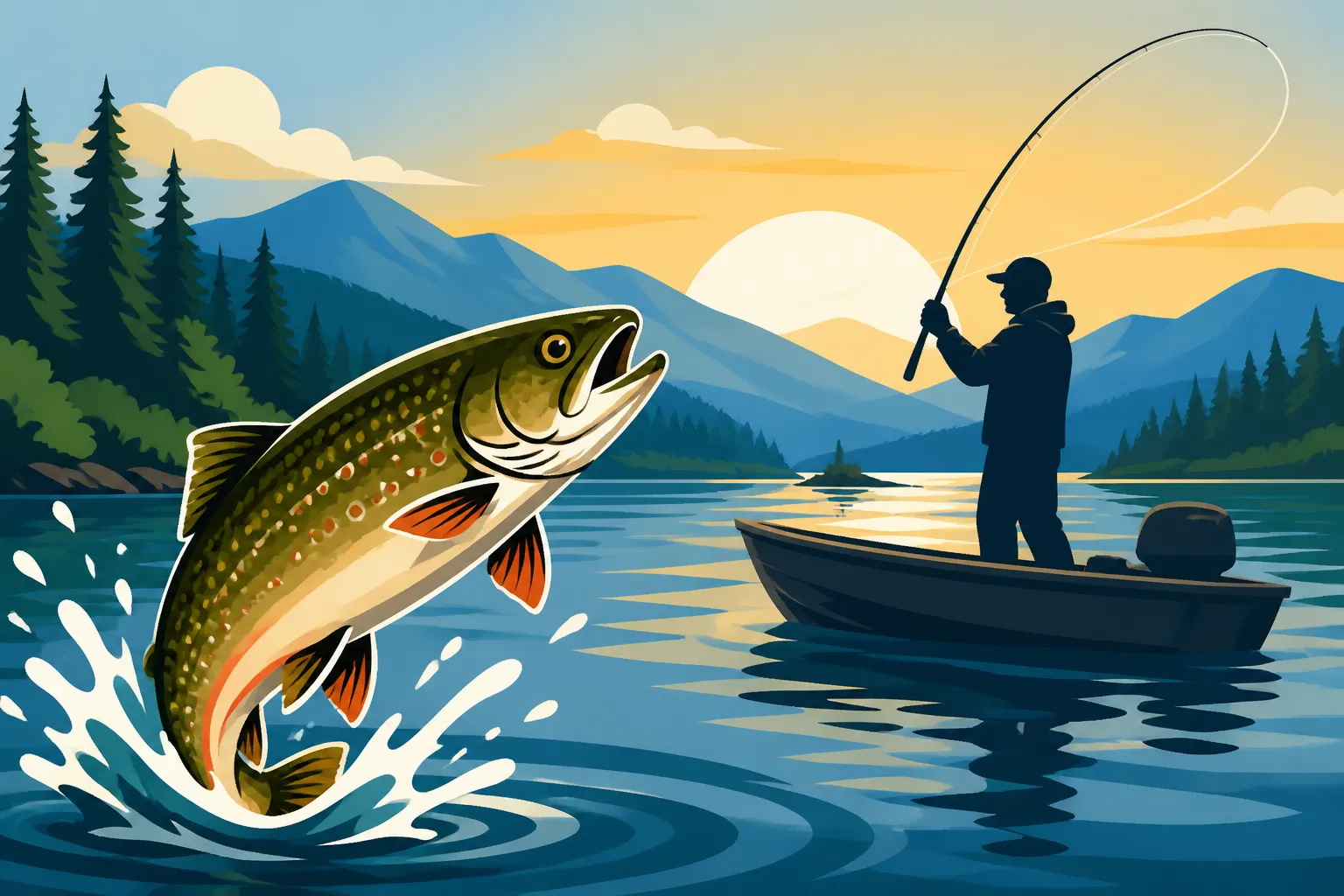
While landlocked salmon might get a lot of press, the Rangeley region is also a stronghold for wild brook trout. Many smaller ponds, pristine streams, and feeder rivers offer incredible opportunities for these beautiful, native char. Fly fishing guides are often the specialists here, leading clients to secluded spots where they can cast for brightly colored brookies.
These native waters often have special regulations, including catch-and-release only sections or specific gear restrictions, which your guide will be well aware of. Guides will know the best flies to use, often mimicking local insect life, and how to approach these wary fish without spooking them. While brook trout in the smaller waters might not reach the size of their lake-dwelling cousins, their vibrant colors and the wild setting make for an incredibly rewarding experience. For an authentic Maine wilderness fishing trip, chasing brook trout with a knowledgeable guide is a fantastic option.
Togue and Lake Trout Pursuits
The Rangeley Lakes are home to impressive populations of togue, which is the local name for lake trout. These deep-water predators are known for their size and strong fight. Guides targeting togue typically employ similar trolling techniques as they would for salmon, but often at greater depths and with larger baits or spoons. In winter, togue are a prime target for ice anglers.
Togue prefer cold, oxygen-rich water, so in warmer months, they're found in the deepest parts of the lakes, often hugging the bottom or suspended over deep structure. A guide’s sonar and GPS capabilities become invaluable for locating these fish. When ice fishing, guides will know the deep holes and underwater ledges where togue congregate, often setting up multiple tip-ups with live bait to entice a strike. Catching a large togue is a battle, and having a guide there to assist with landing and proper handling, especially if you plan to release it, is a huge advantage.
Disclaimer
This article is for general informational purposes only and does not constitute professional advice. Laws, prices and regulations vary by location and change over time. Consult a qualified professional for guidance on your specific situation.