Maine Charter Fishing Cost Guide
Oh, the dream of fishing in Maine! It's one of the most incredible experiences you can have, whether you're chasing a trophy striped bass along the coast or a feisty landlocked salmon in one of our pristine lakes. But let's be real, once you start looking into charter fishing, the question of cost pops up pretty quickly. It can feel like you're navigating a maze of different prices, trip durations, and inclusions, leaving you wondering what's a fair deal and what you're actually getting for your hard-earned money. This comprehensive guide is here to untangle all that for you, helping you understand the true cost of a Maine fishing charter and how to budget for your perfect angling adventure.
Understanding the Factors That Influence Charter Costs
When you're looking at booking a fishing charter in Maine, it's not just a single price tag; it's a dynamic calculation influenced by several key factors. Think of it like booking a vacation: the destination, the length of your stay, and the amenities all play a role in the final price. Fishing charters are no different, and understanding these variables will help you make an informed decision and manage your expectations.
Trip Duration and Type: Half-Day vs. Full-Day, Inshore vs. Offshore
One of the most significant cost drivers for any charter is simply how long you're out on the water and where you're going. A quick half-day trip is almost always going to be less expensive than a full-day excursion, simply because it requires less fuel, less crew time, and less wear and tear on the boat. Half-day trips are fantastic for families with younger kids, or for anglers who just want to get a taste of the action without committing to an entire day. They often focus on closer-to-shore species or specific techniques that don't require extensive travel.
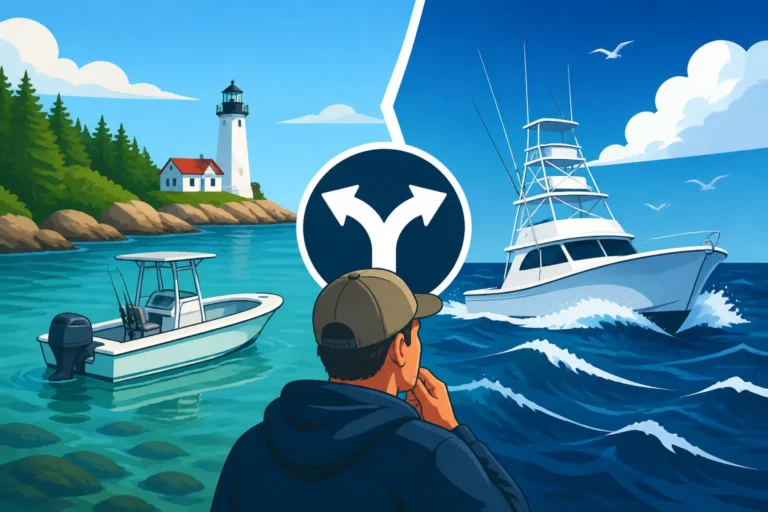
Then there's the distinction between inshore and offshore. Inshore charters typically stick to bays, estuaries, and nearshore coastal waters, targeting species like striped bass, mackerel, or sometimes even bottom fish like flounder. These trips usually consume less fuel and can be done on smaller, more agile boats, which contributes to a lower overall cost. Offshore or deep sea charters, on the other hand, venture miles out into the open ocean. They're chasing bigger game—think tuna, cod, haddock, or even sharks—which means larger, more robust boats, significantly more fuel, specialized heavy-duty gear, and often longer run times to reach prime fishing grounds. All of these factors naturally push the price tag higher, but they also offer the potential for truly memorable, big-fish experiences. It’s a trade-off between accessibility and the thrill of the deep.
Target Species and Specialization
The type of fish you're hoping to catch also plays a substantial role in charter pricing. Some species require very specific, often expensive, equipment and techniques, or necessitate traveling to particular, sometimes distant, locations. For example, a dedicated giant bluefin tuna trip is almost always going to be at the top end of the price spectrum. These powerful fish demand heavy-duty rods, reels, lines, and lures, and the boats themselves need to be robust and capable of handling rough offshore conditions for extended periods. Tuna fishing is also a very specialized pursuit, often involving long hours of searching and waiting.
Conversely, a charter focused on catching mackerel or pollock for fun, or even a casual striped bass trip in an estuary, might be more budget-friendly. These species are often found closer to shore, require lighter tackle, and generally involve less complex strategies. Some charters specialize in fly fishing for Landlocked Salmon Fishing in Maine or Brook Trout Fishing in Maine on a particular river or lake. These trips might involve drift boats or wade fishing, and while they may not require as much fuel, the expertise of a fly fishing guide who knows the local waters and hatches is a premium service. If you're targeting a highly sought-after species or a particularly challenging one, expect the cost to reflect the captain's expertise, the specialized gear, and the effort involved in putting you on the fish.
Boat Size, Amenities, and Crew Experience
Just like hotels, fishing charters come in all shapes and sizes, and the quality of the vessel and its crew directly impacts the price. A larger, more comfortable boat with a spacious cabin, a head (marine toilet), and state-of-the-art electronics (like advanced fish finders and radar) will generally command a higher price. These amenities enhance your comfort, especially on longer trips or during inclement weather, and the specialized electronics dramatically improve the captain's ability to locate fish and ensure safety.
The experience and reputation of the captain and crew are also paramount. A seasoned captain with decades of local knowledge, who consistently puts clients on fish and ensures a safe, enjoyable trip, is a huge asset. Their expertise in reading the water, understanding fish behavior, and adapting to changing conditions is invaluable. Many charters also include a mate or deckhand, especially on larger boats or offshore trips. This crew member is there to assist with rigging lines, netting fish, re-baiting hooks, and ensuring everyone has a smooth experience, and their presence is factored into the cost. A top-tier, highly respected captain and a well-trained crew often come with a higher price tag, but they also offer a significantly enhanced fishing experience, increasing your chances of success and enjoyment. It's often worth paying a bit more for that peace of mind and expertise.
Average Costs for Different Types of Maine Fishing Charters
Now that we've covered the influencing factors, let's talk about what you might actually expect to pay for different kinds of fishing experiences here in Maine. Keep in mind that these are general ranges, and prices can fluctuate based on the specific operator, time of year, and current fuel costs. Always check with individual charter companies for their most up-to-date rates.
Inshore and Coastal Charters
Inshore and coastal charters are often the most accessible entry point for many anglers looking to experience Maine fishing without breaking the bank. These trips typically focus on the waters inside bays, estuaries, and within a few miles of the coastline. You'll often be targeting popular species like Striped Bass Fishing in Maine, mackerel, bluefish, or various bottom fish like flounder and pollock. The boats used for these trips can vary, from smaller center consoles perfect for 1-4 anglers to slightly larger vessels that can accommodate a few more.
A typical half-day inshore trip (around 4 hours) might be a great option for families or those new to saltwater fishing. These are perfect for getting some lines in the water, enjoying the scenic Maine coast, and catching some fun, fighting fish. A full-day inshore trip (6-8 hours) offers more time on the water, allowing the captain to explore more spots and potentially target a wider variety of species or spend more time honing in on a particular bite. These trips generally have lower fuel consumption compared to offshore runs and require less specialized heavy tackle, which contributes to their more moderate pricing. They're an excellent way to experience the vibrant inshore fishery without the commitment or cost of a deep-sea adventure.
Deep Sea and Offshore Charters
For those seeking the thrill of bigger game and the expansive horizon of the open ocean, deep sea and offshore charters are where it's at. These trips venture further out, often 10 to 50 miles or more offshore, to target larger species that inhabit deeper, cooler waters. Think about chasing giant bluefin tuna, battling robust cod and haddock on the bottom, or even pursuing sharks. The boats for these excursions are typically larger, more robust, and equipped for longer runs and more challenging conditions. They often have more powerful engines, specialized navigation and fish-finding electronics, and heavy-duty gear designed to handle powerful fish.
Due to the increased fuel consumption, specialized equipment, and the extended time commitment, deep sea charters are generally the most expensive option. A full-day deep sea trip (8-10 hours, sometimes longer for tuna) is the standard, allowing ample time to reach the fishing grounds and spend quality time angling. These trips offer the chance for truly once-in-a-lifetime catches and the camaraderie of a serious angling adventure, but they require a greater investment. It's important to remember that offshore fishing is also more weather-dependent, so flexibility in your schedule can be a real asset when booking these trips.
Lake and Freshwater Guided Trips
While Maine is famous for its coast, let's not forget our incredible freshwater fisheries! Thousands of lakes, ponds, and rivers crisscross the state, offering fantastic opportunities for species like Landlocked Salmon Fishing in Maine, Brook Trout Fishing in Maine, lake trout (which we affectionately call togue), and both smallmouth and largemouth bass. Guided trips on these inland waters offer a different, often more serene, experience compared to the saltwater hustle. Guides often use specialized boats like bass boats, drift boats, or even canoes, depending on the water body and target species.
A guided freshwater trip typically ranges from a half-day to a full-day, much like coastal charters. These trips are all about local knowledge – knowing the hidden coves, the productive depths, and the right techniques for the specific fish you're after. For instance, a Moosehead Lake Fishing Guide specializing in togue might focus on trolling deep with downriggers, while a guide on the Penobscot River Fishing Guide might specialize in fly fishing for trout or smallmouth bass. While fuel costs might be lower than offshore trips, the value here is in the guide's intimate understanding of the complex freshwater ecosystems and their ability to put you directly on the fish. Many guides also offer specialized services like ice fishing trips in winter or multi-day wilderness canoe expeditions in remote areas like the Allagash Wilderness Waterway Fishing Guide, each with its own cost structure reflective of the logistics and expertise involved.
Here's a general table outlining the typical cost shape for different charter types in Maine. Remember, these are broad categories, and specific prices will vary by operator.
| Charter Type | Typical Duration | Primary Target Species | General Cost Shape (per trip) |
|---|---|---|---|
| Inshore/Coastal | 4-8 hours | Striped Bass, Mackerel, Flounder | Mid-range |
| Deep Sea/Offshore (Bottom) | 8-10 hours | Cod, Haddock, Pollock, Halibut | Higher |
| Deep Sea/Offshore (Tuna) | 10-14+ hours | Bluefin Tuna, Shark | Premium |
| Freshwater Lakes/Rivers | 4-8 hours | Landlocked Salmon, Togue, Bass, Trout | Mid-range to Higher |
| Specialized Fly Fishing | 6-8 hours | Brook Trout, Landlocked Salmon | Higher |
| Ice Fishing (Guided) | 4-8 hours | Togue, Brook Trout, Perch | Mid-range |
What's Included (and Not Included) in Your Charter Fee
One of the biggest sources of confusion when booking a charter is understanding exactly what your hard-earned money covers. It's not always just "fishing"; there's a whole experience bundled into that price, but there are also often a few things you'll need to account for separately. Being clear on these details upfront will prevent any unwelcome surprises on the day of your trip.
Standard Inclusions: Gear, Bait, Captain
Almost universally, when you book a fishing charter in Maine, your fee will include the services of a professional, licensed captain. This is the individual who is responsible for safely operating the boat, navigating to the best fishing spots, and, most importantly, putting you on the fish. They are experts in their field, often holding certifications like a Coast Guard captain's license for saltwater operations, and possess an intimate knowledge of local waters, tides, and fish behavior. For freshwater trips, you'll be hiring a Registered Maine Guide, who brings similar expertise to inland waters. Their guidance and expertise are a significant part of what you're paying for.
Beyond the captain, the charter price almost always covers all the necessary fishing gear. This means rods, reels, lines, tackle, and terminal rigging suitable for the target species. You won't need to lug your own heavy rods or worry if your tackle box is equipped for Maine's specific fisheries. The charter will also provide all the bait, whether it's live bait like mackerel, seaworms, or shiners, or artificial lures and flies that are proven effective in the local waters. Having the right gear and bait, expertly prepared, is a huge convenience and ensures you're ready to fish as soon as you hit the prime spots. Some charters, especially offshore ones, will also include a professional mate or deckhand who assists the captain and is there to help you directly with all aspects of fishing, from baiting hooks to landing fish.
Common Exclusions: Licenses, Food/Drinks, Gratuities, Fish Cleaning
While much is included, there are several items that are almost always not covered by the base charter fee, and it's essential to factor these into your overall budget. First and foremost, you will almost certainly need your own fishing license. For freshwater fishing, this means a Maine Fishing License Guide. For saltwater, while Maine has a Maine Saltwater Fishing Registry Guide, most recreational anglers fishing from a charter boat generally do not need an individual state saltwater fishing license if the vessel itself is federally permitted or the captain holds the appropriate blanket license for all on board. However, it's always best to confirm this directly with your chosen charter captain, as rules can vary and it's your responsibility to be legal.
Food and drinks are another common exclusion. While some high-end, longer trips might offer some light refreshments, it's generally expected that you'll bring your own snacks, lunch, and beverages. Staying hydrated and fueled up is crucial for a successful day on the water, so pack plenty. Gratuities are also not included in the base price and are an important part of compensating your hard-working captain and crew. We'll dive more into tipping etiquette shortly. Lastly, while some charters might offer basic fish cleaning (like gutting and gilling) as part of the service, more extensive filleting might come with an additional charge. Again, clarity here is key – ask your captain what their policy is if you plan to keep your catch.
Potential Hidden Costs to Consider
Beyond the obvious exclusions, there are a few other potential "hidden" or less obvious costs that can crop up if you're not prepared. One is transportation to and from the dock. If you're staying a significant distance from the charter's departure point, you'll need to factor in gas money, or potentially a taxi or ride-share service. Parking fees at busy marinas can also add up, especially for full-day trips.
Another consideration, particularly for longer offshore excursions, is seasickness medication. While not a "charter cost," investing in preventative measures like Dramamine or motion sickness patches beforehand can save your trip and your wallet from a wasted day. Some charters might have a very basic first aid kit, but it's always wise to bring any personal medications you might need. Finally, unexpected expenses can arise from things like needing to purchase rain gear last minute if the weather turns, or wanting to buy a souvenir t-shirt at the dock. While not part of the charter itself, these small incidentals can add to your overall trip cost, so it's good to have a little buffer in your budget. Always ask your charter operator for a clear breakdown of what's included and what's not, and don't be shy about asking about any additional fees you might incur.
How to Budget for Your Maine Fishing Adventure
Planning a fishing trip to Maine should be an exciting experience, not a stressful one when it comes to finances. With a bit of foresight and understanding, you can comfortably budget for your adventure, ensuring you get the most bang for your buck without any unexpected financial headaches. It's all about making smart choices and knowing where you can potentially save a few dollars.
Comparing Half-Day vs. Full-Day Value
The decision between a half-day and a full-day charter often comes down to balancing time, experience, and cost. A half-day trip is undoubtedly less expensive upfront. It's perfect if you have a limited schedule, want to combine fishing with other activities, or if you're introducing children or new anglers to the sport. The shorter duration is often ideal for maintaining attention spans and preventing fatigue. However, a full-day trip, while a greater initial investment, often offers superior value in terms of actual fishing time.
With a full day, the captain has more flexibility to travel further to find active fish, try different spots, or adjust tactics if the initial bite isn't hot. You're not rushing back to the dock just as the fish start biting. For serious anglers or those targeting more elusive species, the extended time on the water dramatically increases your chances of a successful and memorable trip. It allows for a more relaxed pace, more opportunities to learn from the captain, and a deeper immersion in the fishing experience. While the per-hour cost might seem lower on a full-day trip, the opportunity cost of cutting a productive trip short can be significant. Assess your goals: if it's a casual outing, half-day might be fine; if it's about maximizing fishing potential, a full-day is usually the better value.
Group Rates and Splitting Costs
Fishing charters are almost always priced per trip, not per person, up to a certain maximum number of passengers. This makes them incredibly cost-effective for groups. For example, if a charter costs a certain amount for up to six people, the per-person cost drops significantly if you fill all six spots compared to just two or three. Many anglers find success by organizing trips with friends, family, or fellow enthusiasts to split the total cost, making even the pricier offshore excursions much more affordable.
If you don't have a large group, some charter operators might offer "open boat" or "head boat" options, especially for deep sea bottom fishing or mackerel trips. On these trips, you book an individual spot, and you share the boat with other anglers you don't know. This is a fantastic way to experience a charter at a much lower per-person cost, though you'll have less control over the specific target species or itinerary. If you're flexible and social, asking about open boat availability can be a great way to save money and meet other passionate anglers. Always clarify the per-person versus per-trip pricing structure when inquiring, as it's a crucial distinction for your budget.
When to Book for Best Value
Timing can sometimes influence cost, or at least availability and the likelihood of getting a preferred rate. Peak fishing seasons for popular species (like the summer run of striped bass or the fall salmon bite) tend to have higher demand, meaning less room for negotiation and fewer available slots. Booking well in advance, especially during these peak times, is essential to secure your preferred date and captain. You might not get a "discount" per se, but you'll get access to the best options.
Off-peak seasons, if available, can sometimes offer slightly lower rates or more flexibility. For instance, early spring or late fall might present opportunities for certain species when demand isn't as high. Weekdays are almost universally less expensive than weekends, or at least more available, particularly for popular captains. If your schedule allows, consider booking mid-week to potentially save a few dollars and avoid the crowds. Additionally, some charters might offer special promotions during certain periods or for last-minute openings. Keeping an eye out for these deals, perhaps by signing up for newsletters from your favorite operators or checking booking platforms like FishingBooker, can occasionally yield a pleasant surprise.
Navigating Booking Platforms and Finding the Right Charter
In today's digital world, finding and booking a Maine fishing charter is easier than ever, but it also means sifting through a lot of options. Knowing where to look and what to prioritize in your search can make all the difference in finding the perfect match for your budget and fishing aspirations.
Online Booking Sites and Their Advantages
Online booking platforms have revolutionized the way people find and book fishing charters. Sites like FishingBooker are essentially marketplaces that connect anglers with charter captains and guides across Maine and beyond. The primary advantage of these platforms is convenience. You can browse dozens, if not hundreds, of listings from the comfort of your home, comparing prices, trip types, boat amenities, and customer reviews all in one place. This transparency is incredibly helpful when you're trying to gauge what's available and what constitutes a fair price.
Many of these platforms also offer secure online payment processing, clear cancellation policies, and sometimes even a customer service team to help with any questions or issues. They often feature detailed profiles for each captain, complete with photos of their boat, descriptions of their fishing philosophy, and extensive guest reviews. This treasure trove of information allows you to get a good feel for a charter before committing, which is especially useful if you're unfamiliar with the Maine fishing scene. While there might be a small booking fee or commission built into the price (which is how these platforms sustain themselves), the value of easily comparing options and reading verified reviews often outweighs this minimal cost.
Direct Booking with Captains and Local Outfitters
While online platforms offer convenience, sometimes going straight to the source can also be beneficial. Many experienced Maine charter captains and local sporting outfitters have their own websites, social media pages, or operate purely through word-of-mouth referrals. Booking directly can sometimes allow for more personalized communication, where you can discuss your specific fishing goals and preferences directly with the captain or guide. This can be particularly useful if you have very specific requirements, like targeting a unique species or planning a multi-day backcountry adventure.
Local tackle shops and bait stores are also fantastic resources. They often know the local captains personally and can provide recommendations based on your desired fishing experience and budget. Sometimes, booking directly might lead to a slightly lower price by cutting out any intermediary booking fees, but this isn't guaranteed. The trade-off is that you'll need to do more legwork in researching individual captains, verifying their licenses, and managing payment and communication yourself. Whichever route you choose, don't hesitate to reach out to potential captains with questions. A good captain is happy to talk fishing and ensure you're a good fit for their operation.
Reading Reviews and What to Look For
Reviews are your best friend when selecting a fishing charter, especially when using platforms like FishingBooker. They offer invaluable insights into what past clients experienced and can help you discern the truly great charters from the merely average. When reading reviews, don't just look at the star rating; delve into the comments. Look for recurring themes. Do people consistently praise the captain's knowledge and friendliness? Was the gear in good condition? Did they feel safe and comfortable on the boat? Pay attention to how the captain handles different fishing conditions and whether they go the extra mile to ensure a positive experience, even when the fish aren't biting.
It's also important to read between the lines. A few negative reviews amidst many positive ones might not be a deal-breaker, especially if the captain has responded constructively. Everyone has an off day, and fishing can be unpredictable. However, if you see a pattern of complaints about safety, equipment, or an unapproachable captain, those are red flags. Look for reviews that mention clear communication, patience, and a genuine passion for fishing. Remember that the "cost" of a charter isn't just monetary; it's also the investment of your time and anticipation. A well-reviewed charter provides confidence that your investment will pay off in a memorable experience, regardless of the size of the fish you catch.
Tipping Etiquette and Other Considerations
Understanding the cost of a Maine fishing charter goes beyond the upfront fee. There are important social expectations and practical considerations that, if overlooked, can detract from your experience or leave you feeling unprepared. Let's make sure you're squared away on all fronts.
Standard Tipping Guidelines for Guides and Mates
Tipping is a common practice in the service industry, and fishing charters are no exception. Your captain and any crew members (mates or deckhands) work incredibly hard, often starting their day long before you arrive and finishing long after you've left, cleaning the boat, preparing tackle, and maintaining equipment. They rely on tips as a significant part of their income. A general guideline for tipping a charter captain or guide in Maine is 15-20% of the total trip cost. If there's a mate on board, the tip is typically split between the captain and the mate, or you can tip the mate separately if you feel they provided exceptional service.
Consider giving your tip in cash at the end of the trip, as it's often preferred and appreciated. The amount you tip should reflect your satisfaction with the overall experience, not just the number of fish caught. Did the captain work hard to find fish? Was the boat clean and safe? Was the crew friendly, helpful, and attentive? If you had an outstanding experience, consider tipping closer to the 20% mark or even more. If the experience was subpar due to factors within their control, you might adjust accordingly, but remember that fishing success can often be out of their hands. Good communication, effort, and a positive attitude always deserve recognition. When you're budgeting for your trip, definitely factor in that additional 15-20% for the tip.
Cancellation Policies and Weather Contingencies
One of the less glamorous, but critically important, aspects of booking a fishing charter is understanding the cancellation policy. Mother Nature is unpredictable, especially in Maine, and sometimes weather conditions simply aren't safe or conducive to a good fishing trip. Most reputable charter operators will have a clear policy regarding weather cancellations. Typically, if the captain deems the conditions unsafe (e.g., high winds, heavy seas, thunderstorms), they will be the one to cancel the trip, and you will usually receive a full refund or the option to reschedule without penalty. This decision rests solely with the captain for safety reasons.
However, if you decide to cancel for personal reasons, or if you simply don't like the forecast but the captain still deems it safe to fish, their policy will likely involve a forfeiture of your deposit or a cancellation fee, especially if it's within a short notice period (e.g., 48-72 hours). Always read and understand the charter's cancellation policy before you book. Don't be afraid to ask about their specific procedures for weather-related cancellations and rescheduling. Knowing these details upfront protects both your investment and the captain's business. Consider purchasing travel insurance for more expensive trips if you're concerned about unforeseen circumstances impacting your ability to go.
Preparing for Your Trip: What to Bring
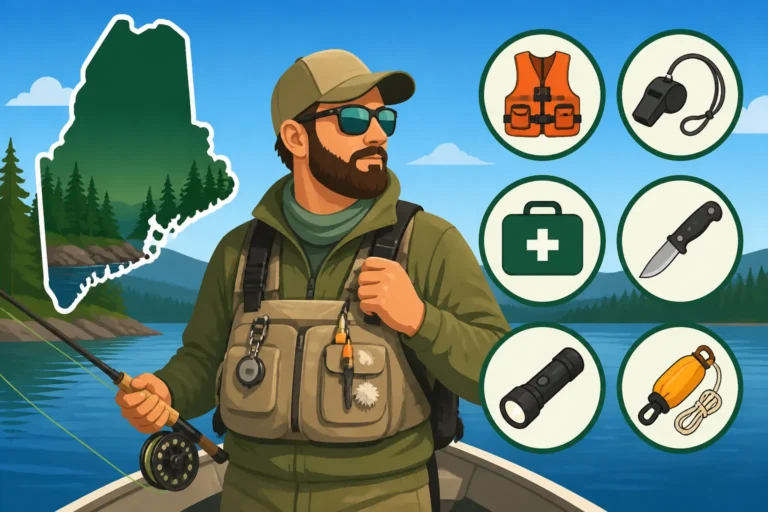
To ensure you have the best possible day on the water, a little preparation goes a long way. Beyond your fishing license and any agreed-upon personal items, there are some essentials you should always pack. Dress in layers! Maine weather can change quickly, even in summer. A waterproof and windproof jacket is highly recommended, regardless of the forecast. Comfortable, non-slip shoes are a must for safety on a wet boat deck.
Sun protection is critical: sunglasses, a wide-brimmed hat, and plenty of sunscreen. Even on cloudy days, the sun's reflection off the water can lead to a nasty burn. Bring your own food and drinks, as discussed, and maybe a small cooler for them. Don't forget any personal medications, especially motion sickness remedies if you're prone to seasickness. A camera or smartphone is great for capturing memories (just be careful not to drop it overboard!). Depending on the time of year and target species, you might also want a small towel, extra trash bags for personal waste, or even a pair of binoculars for spotting wildlife. Your charter captain will typically provide a "what to bring" list, so always review it carefully. The more prepared you are, the more you can relax and focus on the thrill of fishing in beautiful Maine waters.
Disclaimer
This article is for general informational purposes only and does not constitute professional advice. Laws, prices and regulations vary by location and change over time. Consult a qualified professional for guidance on your specific situation.