Maine Fly Fishing Guides
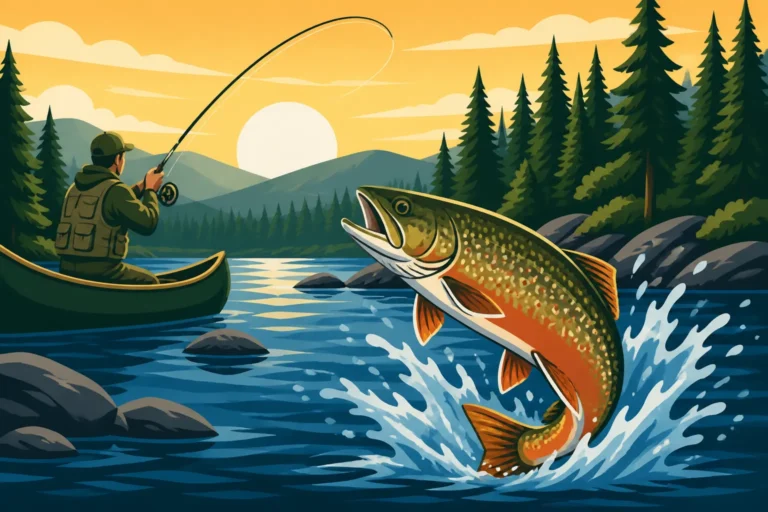
There's something truly magical about fly fishing in Maine, isn't there? The crisp morning air, the whisper of the river, the silent dance of the fly on the water's surface, and then that electrifying tug from a feisty brook trout or a silver-sided landlocked salmon. It's an experience that calls to the soul, but let's be honest, trying to navigate Maine's vast and varied waters on your own can feel incredibly daunting. You might find yourself staring at a map, wondering where to even begin, or casting endlessly without a single bite. That's where a Maine fly fishing guide becomes not just a luxury, but a genuine asset, turning potential frustration into unforgettable success. This guide will walk you through everything you need to know about hiring a Maine fly fishing guide, from understanding their value to finding the perfect match for your angling adventure.
Why Hire a Maine Fly Fishing Guide?
Many anglers, especially those new to Maine or fly fishing, might wonder if hiring a guide is truly necessary. After all, you have your rod, your flies, and a sense of adventure, right? While that spirit is commendable, Maine's waters are a complex tapestry, and a local guide offers unparalleled advantages that can transform a good trip into an extraordinary one.
Navigating Maine's Diverse Waters
Maine isn't just one type of fishery; it's a mosaic of countless lakes, ponds, rivers, and streams, each with its own character, challenges, and hidden gems. Imagine pulling up to a river you've never seen before. Where do you park? Where's the public access? Are there tricky currents or submerged snags you can't see? A guide eliminates this guesswork entirely.
A Registered Maine Guide lives and breathes these waterways. They know the subtle seams where brook trout hide, the deep pools where landlocked salmon linger, and the quiet back eddies where smallmouth bass ambush their prey. They've spent countless hours on these waters, understanding everything from current speed and water levels to insect hatches and fish movements. They can take you to that secluded stretch of river that only locals know, or navigate a remote pond accessible only by foot or canoe, ensuring you spend less time searching and more time fishing. This isn't just about convenience; it's about unlocking opportunities you simply couldn't find on your own, especially when you're short on time.
Mastering Maine's Unique Fish Species
Maine boasts an incredible array of game fish, from the iconic brook trout, its native state fish, to acrobatic landlocked salmon, powerful lake trout (or "togue" as we call them here), and hard-fighting smallmouth and largemouth bass. Each of these species demands different techniques, different fly patterns, and different approaches based on the season, water temperature, and even time of day.
Think about trying to "match the hatch" on a complex river for rising trout. What flies are emerging? What stage are they in? A guide has an intimate knowledge of the local entomology and can hand you the exact pattern that fish are keying in on. For landlocked salmon, they'll know the precise trolling depths and speeds for specific lakes, or the best runs to target during spawning seasons. For smallmouth bass, they'll guide you to rocky structures or drop-offs where these aggressive fish hold. Their expertise is invaluable in presenting the right fly, at the right depth, with the right retrieve, dramatically increasing your chances of success and allowing you to truly appreciate the nuances of catching these magnificent fish.
Learning and Improving Your Skills
Perhaps you're new to fly fishing, or maybe you're an experienced angler looking to refine specific techniques. A guided trip is an unparalleled learning experience. It's like having a private instructor on the water with you all day long, offering real-time feedback and personalized coaching.
For beginners, a guide can teach you the fundamentals: how to cast efficiently, how to mend your line, how to tie essential knots, and how to properly present a fly. They'll explain how to "read" the water, identifying likely holding spots and current breaks. For more seasoned anglers, a guide can help you master advanced casting techniques, fine-tune your roll casts for tight quarters, or teach you the intricacies of Euro nymphing or swinging streamers for anadromous species. They might introduce you to new gear or strategies perfectly suited for Maine's conditions. Many guides are also passionate conservationists who can share insights into the local ecosystem, fish biology, and ethical Catch and Release Best Practices in Maine. Every cast becomes an opportunity to learn, making your time on the water not just about catching fish, but about becoming a better, more knowledgeable angler.
Types of Maine Fly Fishing Guides and Trips
Just like Maine's diverse waters, its fly fishing guides offer a variety of experiences tailored to different preferences, skill levels, and target species. Understanding these options will help you choose the adventure that best suits you.
Wade Fishing Guides
Wade fishing is perhaps the most intimate way to experience fly fishing, allowing you to immerse yourself directly in the aquatic environment. Wade fishing guides specialize in leading you through smaller streams, rivers, and sometimes even the shallows of larger lakes or ponds.
These trips are often focused on stalking native brook trout in their natural habitats. Imagine carefully navigating a pristine, tree-lined stream, the guide pointing out subtle current breaks and pockets where trout are likely holding. They'll show you how to approach a spot quietly, make a precise cast, and then skillfully play a feisty brook trout in tight quarters. Wade trips typically involve more physical activity, as you'll be walking, navigating uneven terrain, and moving through water. The guide will likely carry a backpack with essentials like water, snacks, first-aid, and various fly boxes, but you'll be responsible for your own waders and wading boots, which the guide can help you select if needed. These experiences are fantastic for anglers who love the solitude of smaller waters and the challenge of precise casting in a truly wild setting.
Drift Boat and Raft Guides
For those who want to cover more water or prefer a less physically demanding approach, drift boat and raft guides offer an excellent solution. These guides typically operate on larger rivers like the Kennebec, Penobscot, or Androscoggin, using specialized boats designed to float downstream while the angler casts from a comfortable, stable platform.
A drift boat allows the guide to maneuver the vessel with oars, positioning you perfectly for each cast, whether you're targeting landlocked salmon in a swift run or smallmouth bass along a rocky bank. This method lets you access stretches of river that are difficult or impossible to reach by wading, opening up vast amounts of prime fishing territory. On these trips, you often have the advantage of carrying more gear, so the guide can provide various rod setups, a wider array of flies, and usually a more elaborate shore lunch experience. These trips are ideal for anglers who want to cast repeatedly, cover a lot of ground, and enjoy a comfortable day on the water, often resulting in higher fish counts due to the increased access to prime spots. It’s also a great option for those with limited mobility, as the boat provides a stable platform throughout the day.
Lake and Pond Guides (Float Tube/Boat)
Maine is dotted with thousands of lakes and ponds, many of which offer fantastic fly fishing opportunities for species beyond just stream trout. Lake and pond guides specialize in targeting these larger bodies of water, often employing different tactics than river fishing.
These guides might use a traditional motorboat, allowing them to quickly move between different lake features like reefs, points, or deep-water drop-offs where landlocked salmon and togue reside. For these species, they might use techniques like trolling with streamers or specialized flies at specific depths, or indicator fishing with nymphs near temperature breaks. For bass, they'll guide you to rocky shorelines, submerged timber, or weed beds. Some guides also specialize in float tube trips on smaller, remote ponds, offering a unique, stealthy way to target trophy brook trout. The guide will provide the necessary watercraft, whether it's a fully equipped bass boat, a traditional Maine lake skiff, or a personal float tube. These trips are perfect for anglers who enjoy the challenge of big water, the pursuit of larger, colder-water species, or the peaceful solitude of a remote pond. Lakes like Moosehead, Sebago, and the Rangeley chain are popular destinations for these types of guided adventures.
Multi-Day and Wilderness Trips
For the truly adventurous, some Maine fly fishing guides offer multi-day and wilderness trips, providing an immersive experience deep in the state's backcountry. These trips are often expeditions, not just day trips, focusing on remote ponds and rivers within areas like the Allagash Wilderness Waterway Fishing Guide or the vast North Woods.
These adventures usually involve canoeing, backpacking, or even seaplane access to reach truly untouched fisheries. You'll camp out under the stars, often cooking your fresh catch over an open fire, and spend days exploring waters that see minimal fishing pressure. Guides for these trips are not only expert anglers but also skilled woodsmen, navigators, and camp cooks. They handle all the logistics, from meal planning and gear transport to campsite setup and ensuring your safety in the wilderness. These trips require a higher level of commitment and a willingness to disconnect, but they offer unparalleled solitude, stunning scenery, and the chance to catch wild, native fish in their pristine environment. It’s an unforgettable way to experience the wild heart of Maine, often focused on finding native brook trout in numbers and sizes you won't find anywhere else.
What to Expect from a Maine Fly Fishing Guide
Hiring a guide is an investment in your fishing experience, and knowing what to expect can help you prepare and get the most out of your trip. A good guide prioritizes your safety, comfort, and, of course, your success on the water.
Pre-Trip Communication and Planning
The relationship with your guide often begins long before you even step into the boat or onto the riverbank. Most reputable guides will initiate contact to discuss your expectations, skill level, and desired fishing experience. This is a crucial step to ensure everyone is on the same page.
During this conversation, be honest about your casting ability, your physical limitations, and what you hope to achieve. Are you a seasoned angler aiming for a trophy fish, or a beginner hoping to catch your first brook trout on a fly? Do you want to learn specific techniques, or just enjoy a relaxing day? The guide will use this information to select the best water, target species, and techniques for your trip. They'll also provide essential information regarding meeting points, trip duration, what clothing to wear, and any personal items you should bring, such as your Maine Fishing License Guide and any snacks or beverages. This communication ensures a smooth start and helps tailor the day specifically to you. Don't be shy about asking any questions you have; a good guide welcomes them.
On-Water Instruction and Assistance
Once you're on the water, your guide transforms into your personal fishing coach, wilderness expert, and sometimes even your chef! Their primary role is to put you on fish and enhance your experience. This involves a constant flow of instruction and assistance.
Expect your guide to offer continuous tips on casting, line management, and fly presentation. If you're struggling with a specific technique, they'll demonstrate and provide patient coaching. They'll help you tie knots, change flies, and troubleshoot any gear issues. When a fish is hooked, they'll be there to offer guidance on playing it, and often, expertly net it for you. Beyond fishing, they'll navigate the waters, pointing out wildlife, explaining local ecology, and ensuring your safety. Whether it's identifying rising fish, predicting the next best casting opportunity, or simply offering encouragement, your guide is there to ensure you have a productive and enjoyable day. They might also share interesting anecdotes about the area or local fishing lore, adding to the richness of the experience.
Gear and Equipment Provided
One of the great benefits of hiring a fly fishing guide is that much of the heavy lifting, in terms of gear, is often taken care of. Most guides provide high-quality rods, reels, and lines specifically suited for the target species and water. This means you don't need to worry about purchasing specialized equipment or packing bulky items for your trip.
In addition to rods and reels, guides will supply a vast array of flies, leaders, and tippet materials. They've spent years accumulating a comprehensive fly box, stocked with patterns that are proven producers on their home waters. This saves you the headache (and expense) of trying to figure out which flies to buy before your trip. Some guides might also provide waders and wading boots if you don't have your own, though it's always best to confirm this in advance. However, you should still plan to bring personal items like appropriate clothing (layered for Maine's unpredictable weather), polarized sunglasses, a hat, sunscreen, and insect repellent. Always check with your specific guide about what they provide and what you should bring.
Shore Lunch and Comfort
A guided trip often includes more than just fishing; it's an immersive outdoor experience. Many full-day fly fishing trips in Maine feature a delicious shore lunch, adding a memorable culinary component to your day. Imagine pulling over to a scenic bank, and your guide magically producing a hot meal, often featuring grilled items, fresh salads, or hearty sandwiches. It's a fantastic break from the action and a chance to refuel and share stories.
Beyond lunch, guides are committed to ensuring your comfort throughout the day. This includes having extra layers or rain gear on hand, providing seating in a drift boat, or finding sheltered spots if the weather turns. They'll offer advice on staying warm, dry, or cool, depending on the conditions. Their goal is to make your day as pleasant and stress-free as possible, allowing you to fully focus on the fishing and the beauty of Maine's wilderness. They often carry a well-stocked cooler with beverages, so you can stay hydrated. This commitment to comfort means you can focus on the joy of fishing, rather than being distracted by minor inconveniences.
Finding the Right Maine Fly Fishing Guide
With so many registered guides in Maine, finding the right one for your specific needs can feel a bit overwhelming. It's not just about finding someone available; it's about finding someone who matches your personality, skill level, and fishing goals.
Researching and Vetting Guides
The first step in finding a guide is thorough research. Start by searching online for "Maine fly fishing guides" or "fly fishing guides [specific Maine region, e.g., Rangeley, Moosehead]." You'll likely find websites of individual guides, sporting camps that offer guide services, or larger guide networks.
Look for guides who specialize in the type of fishing you want to do (e.g., wade fishing for brook trout, drift boat for salmon, etc.) and the species you're interested in. Pay close attention to testimonials and reviews from previous clients. Websites like FishingBooker can be an excellent resource, as they allow you to browse multiple guides in a specific area, see their specialties, read reviews, and often view their availability and rates in one place. You can compare different options side-by-side, giving you a good overview of the market. Always verify that a guide is a Registered Maine Guide. This certification indicates they've met state requirements for outdoor leadership, first aid, and navigation, ensuring a higher standard of professionalism and safety. Don't hesitate to check their social media presence if they have one, as it often provides a visual sense of their trips and approach.
Key Questions to Ask Before Booking
Once you've narrowed down a few potential guides, it's time to reach out and ask some specific questions. This conversation is your chance to clarify details and ensure there's a good fit.
Here's a table of important questions to consider:
| Category | Questions to Ask Your Guide | Why It Matters |
|---|---|---|
| Experience | How long have you been guiding in this area? What are your specialties? | Ensures they have local expertise and can deliver the type of trip you want. |
| Trip Details | What waters will we likely fish? What species will we target? | Confirms the trip aligns with your desires and expectations. |
| What's included in the price (gear, flies, lunch, beverages)? | Prevents surprises about additional costs. | |
| What should I bring (clothing, license, personal items)? | Helps you pack appropriately. | |
| Logistics | What's your cancellation policy? | Important in case of unforeseen circumstances or bad weather. |
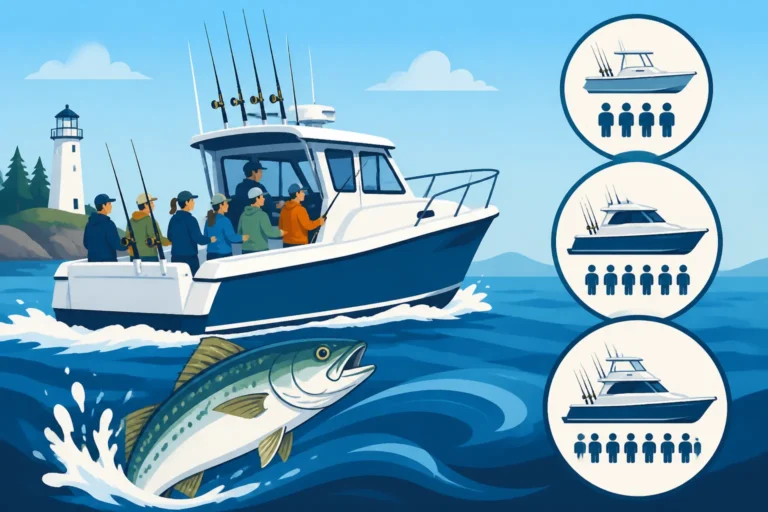
| What's the typical group size for your trips? | Ensures your comfort level with the number of participants. | |
| Safety | What are your safety protocols? Do you have first-aid training? | Crucial for peace of mind, especially in remote areas. Registered Maine Guides are certified. |
| Skill Level | Do you cater to beginners, experienced anglers, or both? | Ensures the instruction and pace of the trip will be appropriate for you. |
Asking these questions upfront will help you avoid misunderstandings and ensure your trip is everything you hoped for. A good guide will be happy to answer all your questions thoroughly and patiently.
Understanding Guide Rates and Tipping Etiquette
Maine fly fishing guide rates can vary significantly depending on the guide's experience, the duration of the trip (half-day, full-day, multi-day), the type of trip (wade, drift boat, wilderness), and how many anglers are in the group.
Typically, you can expect to pay a daily rate. Half-day trips are generally shorter, around 4-5 hours, while full-day trips can run 8-10 hours. Multi-day wilderness trips, which include camping and provisions, will naturally be more expensive. Always confirm what is included in the rate. Some guides include all gear and flies, while others might expect you to bring your own rod and reel. Most full-day trips include a shore lunch and non-alcoholic beverages. Don't forget to factor in the cost of your Maine Resident Fishing License Cost or a nonresident option, which is always an additional personal expense.
Regarding tipping, it's customary to tip your guide, much like you would a server or other service professional. A general guideline is to tip 15-20% of the total trip cost. If your guide went above and beyond, provided exceptional instruction, or worked particularly hard to put you on fish in challenging conditions, a more generous tip is always appreciated. Handing the tip directly to your guide at the end of the trip is the most common practice. It's a way to show your appreciation for their hard work, knowledge, and the memorable experience they provided.
Essential Gear for Your Guided Fly Fishing Trip
While your guide will often provide much of the specialized fishing gear, there are several personal items you'll be responsible for that are crucial for your comfort and safety on the water. Being prepared for Maine's unpredictable weather and varied terrain is key.
Personal Clothing and Layering
Maine weather, especially in the backcountry or on large open lakes, can change on a dime. One moment it's sunny and warm, the next a squall rolls in. Layering is your best friend.
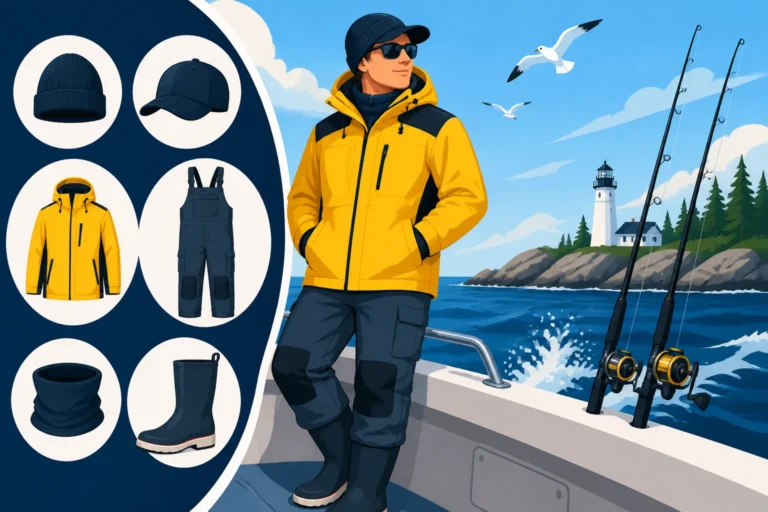
Start with a moisture-wicking base layer (synthetics or wool, avoid cotton next to skin). Add a mid-layer for insulation, such as a fleece jacket or a warm flannel shirt. For your outer layer, a waterproof and windproof jacket is essential, even on clear days, as boat spray or unexpected rain can make you cold quickly. Waterproof pants or quick-drying pants are also a good idea. For footwear, if you're wade fishing, waders and proper wading boots are critical. If fishing from a boat, waterproof boots or sturdy closed-toe shoes are recommended. Don't forget a wide-brimmed hat for sun protection and a warm beanie for cooler temperatures. Gloves, especially fingerless fishing gloves, can protect your hands from sun and provide a bit of warmth. Being prepared for everything ensures you stay comfortable and can focus on the fishing, no matter what Mother Nature throws your way.
Rods, Reels, and Lines (if bringing your own)
While your guide will have excellent gear available, many anglers prefer to use their own rods and reels. If you plan to bring yours, ensure they are appropriate for the target species and conditions.
For most freshwater trout and salmon fishing in Maine, a 4-weight to 6-weight fly rod is versatile. A 4-weight is excellent for small stream brook trout, offering delicate presentations. A 5-weight is a great all-around choice for larger trout and smaller salmon. A 6-weight provides more backbone for larger landlocked salmon, smallmouth bass, or windier conditions. If you're targeting larger landlocked salmon or bigger bass in lakes, a 7-weight or 8-weight might be more appropriate. For saltwater striped bass fishing, you'll definitely want an 8-weight or 9-weight rod with a strong reel and saltwater-specific line. Ensure your reel's drag system is smooth and capable of handling strong fish, and that your line matches the rod weight. Discuss your setup with your guide beforehand to make sure it's suitable for the planned trip. They can also advise on specific line types, like floating lines for dry flies or sink-tip lines for streamers.
Flies, Leaders, and Tippet
Again, your guide will have an extensive selection of flies that work on their local waters, so you don't necessarily need to bring your own. However, if you have a favorite pattern or want to try something specific, it's fine to bring a small fly box.
Leaders and tippet are critical components of your fly fishing setup. Leaders are the tapered monofilament or fluorocarbon lines that connect your fly line to your fly, designed to transfer casting energy smoothly. Tippet is the thinnest section of the leader, which you tie your fly to. Your guide will provide these, and often prefers to tie on flies for you to ensure optimal presentation and knot strength. However, understanding the different strengths (e.g., 5X for small trout, 3X for salmon) and materials (fluorocarbon for its invisibility and sinking properties) can be beneficial. Generally, leave the detailed leader and tippet selection to your guide, as they know what works best for the day's conditions and the specific Maine Landlocked Salmon Bag Limits or other species they are targeting.
Other Must-Haves
Beyond clothing and fishing gear, a few other items are absolute necessities for any guided fly fishing trip in Maine.
- Polarized Sunglasses: These are not just for sun protection; they are crucial for seeing into the water, spotting fish, and identifying submerged structures. They also protect your eyes from errant hooks.
- Sunscreen: Even on cloudy days, UV rays can be intense, especially with reflections off the water. Apply generously and reapply throughout the day.
- Insect Repellent: Depending on the season and location, Maine's black flies, mosquitoes, and ticks can be quite persistent. A good repellent with DEET or picaridin is highly recommended.
- Camera: You'll want to capture the memories! Make sure it's waterproof or in a waterproof bag.
- Water Bottle and Snacks: While many guides provide beverages and lunch, having your own water bottle and a few extra snacks can be a lifesaver, especially if you have specific dietary needs.
- Fishing License: This is non-negotiable. You must have a valid Maine Fishing License Guide (and a Maine Saltwater Fishing Registry Guide if fishing coastal waters) with you at all times. Your guide cannot take you fishing without one. Check the Maine Fishing Season Dates Guide to ensure you're compliant.
- Small Backpack or Dry Bag: To keep your personal items organized and protected from water.
Popular Maine Waters for Fly Fishing
Maine offers an incredible diversity of fly fishing opportunities, from remote mountain streams to vast lakes and tidal estuaries. Knowing where to focus your efforts can help you choose the right guide and plan your ultimate trip.
Western Maine Mountains and Lakes
The western mountains and lakes region of Maine is often considered the heartland of fly fishing in the state, boasting some of the most famous and productive waters.
The Rangeley Lakes Region is legendary, particularly for its populations of landlocked salmon and brook trout. Lakes like Rangeley and Mooselookmeguntic are renowned for their thriving salmon fisheries, where anglers often troll streamers or present dry flies during specific hatches. The region's rivers, such as the Kennebago River and the Rapid River, are world-class wade fishing destinations, offering incredible opportunities for both wild brook trout and challenging landlocked salmon. A guide in this area will know the intricacies of these storied waters, guiding you to the best runs and pools and helping you master the techniques needed for Rangeley Lakes Landlocked Salmon Fishing in Maine. Further north, the vast Moosehead Lake region, while known for its immense size and togue, also offers fantastic fly fishing for wild brook trout in its numerous tributaries and remote satellite ponds. Fly fishing for Moosehead Lake Brook Trout Fishing in these smaller, less-pressured waters provides an authentic wilderness experience, often best explored with a guide who knows the remote access points and hidden gems.
Central Maine Rivers
Central Maine is crisscrossed by several major river systems that offer excellent fly fishing for both coldwater and warmwater species, often within a shorter drive from population centers.
The Kennebec River is a standout, particularly below the Wyman Dam near Bingham. This tailwater fishery is celebrated for its strong populations of landlocked salmon and a growing reputation for impressive smallmouth bass. The diverse sections of the river offer opportunities for wading, drift boat trips, and targeting different species. A guide on the Kennebec can lead you through its famous rapids and calm pools, teaching you how to swing streamers for salmon or cast poppers and subsurface patterns for aggressive smallmouth bass. Further east, the Androscoggin River, especially its upper sections, has seen a resurgence in its fisheries and now offers excellent fly fishing for both trout and smallmouth bass. These rivers provide a dynamic environment where conditions can change, and a local guide's knowledge of the currents, hatches, and fish movements is invaluable.
Remote Northern Maine and the Allagash
For the angler seeking true wilderness and solitude, remote Northern Maine is an unparalleled destination. This vast, undeveloped region offers a chance to experience fly fishing as it once was, far from the crowds.
The Allagash Wilderness Waterway is the crown jewel of this region. This 92-mile-long ribbon of lakes, ponds, and rivers is famous for its prolific native brook trout populations. A guided multi-day canoe trip on the Allagash is an iconic Maine experience, allowing you to paddle and portage through stunning scenery, stopping to wade fish pristine sections of river or cast dry flies on secluded ponds. Allagash Wilderness Waterway Fishing Guide trips are not just about fishing; they are about connecting with nature in its purest form, often with moose and eagles as your only companions. Other remote ponds and streams scattered throughout the North Woods, often requiring floatplane access or long hikes, hold incredible populations of wild brook trout, some reaching impressive sizes. These trips are best undertaken with an experienced guide who understands the challenges of remote travel, wilderness safety, and the nuances of these fragile ecosystems.
Coastal Maine and Striped Bass
While Maine is famous for its freshwater fishing, the coast offers a thrilling change of pace: saltwater fly fishing for striped bass. From late spring through early fall, these powerful anadromous fish migrate into Maine's estuaries, tidal rivers, and rocky shorelines, providing incredible opportunities for fly anglers.
Places like Casco Bay, the Kennebec River estuary, and countless coves and flats along the coast become prime hunting grounds. Targeting Striped Bass Fishing in Maine on a fly rod is an exhilarating challenge. Guides specializing in saltwater fly fishing will know the tides, the baitfish movements, and the best times and locations to intercept stripers. They might guide you to wade fish shallow flats during low tide, or take you out in a skiff to cast flies around rocky islands, current rips, or river mouths. Techniques often involve casting large baitfish patterns or poppers, requiring heavier rods (typically 8- to 10-weight) and strong casting skills. This is a very different experience from freshwater fishing, with the added elements of tides, currents, and often more powerful fish. A guide with local knowledge of the coast can dramatically improve your chances of hooking into these hard-fighting predators.
Maximizing Your Guided Fly Fishing Experience
You've done your research, booked your guide, and invested your time and money into this adventure. Now, how do you ensure you get the absolute most out of your guided fly fishing trip in Maine? It comes down to attitude, communication, and respect.
Be Open to Learning and New Techniques
The primary reason to hire a guide, especially for those less familiar with Maine's specific fisheries or fly fishing in general, is their expertise. Go into the trip with an open mind and a willingness to learn. Your guide has spent years, if not decades, honing their skills on these particular waters. They know what works, what doesn't, and often, why.
Even if you're an experienced angler, your guide might suggest techniques, fly patterns, or approaches that are different from what you're used to. Trust their judgment. If they tell you to cast in a particular spot, use a specific retrieve, or try a different fly, give it an honest effort. Ask "why" they're suggesting something – understanding the reasoning behind their advice will deepen your knowledge and make you a better angler in the long run. Don't be afraid to admit if you're struggling with a cast or a presentation; your guide is there to help, not to judge. The more receptive you are to their instruction, the more you'll gain from the experience, both in terms of fish caught and skills acquired.
Communicate Clearly with Your Guide
Effective communication is the cornerstone of a successful guided trip. Before the day begins, ensure your guide understands your goals for the trip. Are you hoping for a high-numbers day, a chance at a trophy, or primarily focused on learning? Do you have any physical limitations or preferences (e.g., "I really want to try dry fly fishing today," or "My shoulder is a bit sore, so let's stick to easier casting").
Throughout the day, continue this open dialogue. If you're feeling too cold, too hot, tired, or need a break, speak up. If you're not understanding a technique, ask for clarification. If you're having a blast and want to keep doing what you're doing, let them know! Your guide can only tailor the experience to your needs if you voice them. Don't suffer in silence or keep your desires to yourself. A good guide will appreciate your honesty and actively seek your input to ensure you're having the best possible time. This two-way communication builds rapport and creates a more personalized and enjoyable adventure.
Respect the Environment and Regulations
A Maine fly fishing guide is often a passionate steward of the environment and a strong advocate for responsible angling practices. Part of maximizing your experience is sharing that respect for nature and adhering strictly to all local fishing regulations.
Maine has specific Maine Fishing Regulations Explained for different zones, waters, and species, including bag limits, length limits, and tackle restrictions. Your guide will ensure you are compliant, but it's your responsibility as an angler to be aware and respectful. Practice ethical Catch and Release Best Practices in Maine, especially if you're targeting wild or native fish. Handle fish gently, minimize their time out of water, and ensure they are revived before release. Don't litter, avoid disturbing wildlife, and leave the environment as pristine as you found it – or better. Your guide will embody this ethos, and by following their lead, you contribute to the sustainability of Maine's incredible fisheries for future generations. This respect for the resource is a fundamental part of the Maine fly fishing culture.
Enjoy the Journey
Finally, remember that a guided fly fishing trip in Maine is about more than just the fish you catch. It's about the entire journey. It's about the stunning scenery of the North Woods, the sound of the river, the camaraderie with your guide, and the pure joy of being outdoors in one of the most beautiful places on earth.
Sometimes, despite a guide's best efforts, the fish just aren't biting, or the weather turns sour. Fishing is still fishing, after all. Don't let a slow day overshadow the overall experience. Appreciate the moments of tranquility, the wildlife sightings, the shore lunch, and the stories shared. Learn from the challenges, celebrate the small victories, and soak in the natural beauty that surrounds you. A truly successful guided trip leaves you with lasting memories, improved skills, and a deeper appreciation for Maine's wild places, regardless of the final fish count. Embrace the unpredictable nature of fishing, and allow yourself to fully immerse in the adventure.
Disclaimer
This article is for general informational purposes only and does not constitute professional advice. Laws, prices and regulations vary by location and change over time. Consult a qualified professional for guidance on your specific situation.