Are Bass Considered Invasive in Some Maine Waters?
It's a question that sparks a lot of conversation around the campfires and on the docks across Maine: are bass really considered invasive in some of our beloved waters? For many, bass fishing is a cherished pastime, bringing thrilling fights and fantastic memories. But the truth is, the designation of "invasive" or "non-native" for species like smallmouth and largemouth bass in Maine's unique ecosystems is a nuanced one, and it carries significant implications for our native fish populations. This guide will dive deep into the specific situations where bass can pose a challenge, and where they thrive as a valuable part of our state's diverse fisheries.
Understanding "Invasive" in Maine's Aquatic Ecosystems
When we talk about fish in Maine, the word "invasive" can sometimes get tossed around a bit loosely. It's important to understand what that term truly means in the context of our state's precious waterways, especially when it comes to species like bass that are so popular with anglers. It’s not just about whether a fish is native or not; it's about the impact it has on the existing, delicate balance of our aquatic world.
What "Invasive" Truly Means for Maine Fisheries
In Maine, when we categorize a species as "invasive," it goes beyond simply being non-native. A truly invasive species is one that, when introduced to a new environment, not only establishes itself but also causes ecological or economic harm, or harm to human health. For our fisheries, this usually means an adverse impact on native species, habitat, or the overall health of the ecosystem.
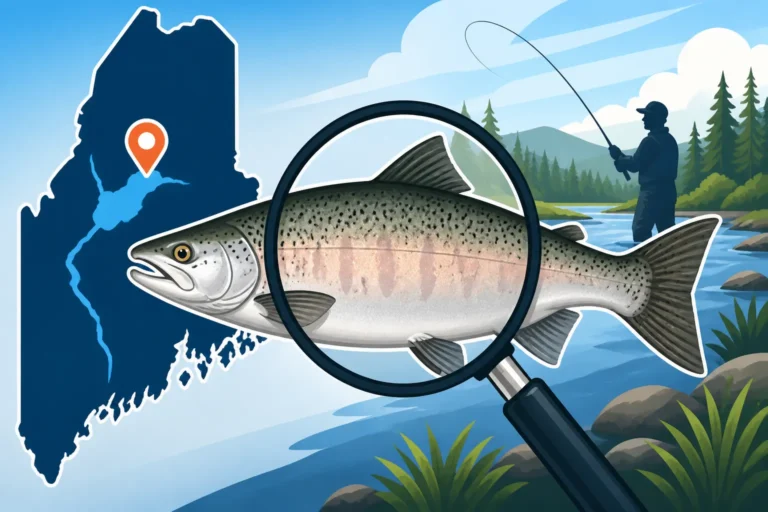
Think about it this way: Maine is famous for its coldwater fisheries. We boast pristine lakes and rivers that are home to iconic species like the wild Brook Trout Fishing in Maine and the magnificent Landlocked Salmon Fishing in Maine. These fish have evolved over millennia to thrive in these specific conditions, relying on a certain food web, water temperature, and habitat structure. When a new species, like bass, is introduced, even if unintentionally, it can throw that entire delicate balance into disarray.
The Maine Department of Inland Fisheries and Wildlife (MDIFW) looks at several criteria. Does the new species outcompete native fish for food resources? Does it prey directly on juvenile native fish, reducing their numbers? Does it alter the habitat in a way that makes it less suitable for native species? For example, if bass move into a shallow, rocky area that was historically prime spawning ground for brook trout, and the bass begin to actively feed on trout eggs or fry, that's a clear ecological harm. It's about protecting the long-term health and biodiversity of our waters, ensuring that the fish we've always known and loved continue to flourish. It’s a conservation effort that requires careful consideration of every species' role.
The Story of Bass in Maine: A Historical Perspective
Now, let's talk about how bass ended up in Maine in the first place. The story of bass in Maine isn't a simple one; it’s a narrative shaped by natural spread, but predominantly by human decisions over more than a century. Neither smallmouth nor largemouth bass are truly native to Maine's waters in the same way brook trout are, though smallmouth bass did begin to expand their range naturally into parts of Maine from more southerly regions long ago. However, their widespread distribution today is largely due to deliberate, albeit often well-intentioned, introductions by people.
Back in the late 19th and early 20th centuries, there was a popular trend of introducing "sport fish" into new waters across the country. Bass, known for their aggressive strikes and exciting fights, were a prime candidate. People believed they were enhancing fishing opportunities, and in many cases, they were. These introductions weren't always done by state agencies; sometimes it was private individuals, fishing clubs, or even just folks emptying their bait buckets into a new pond.
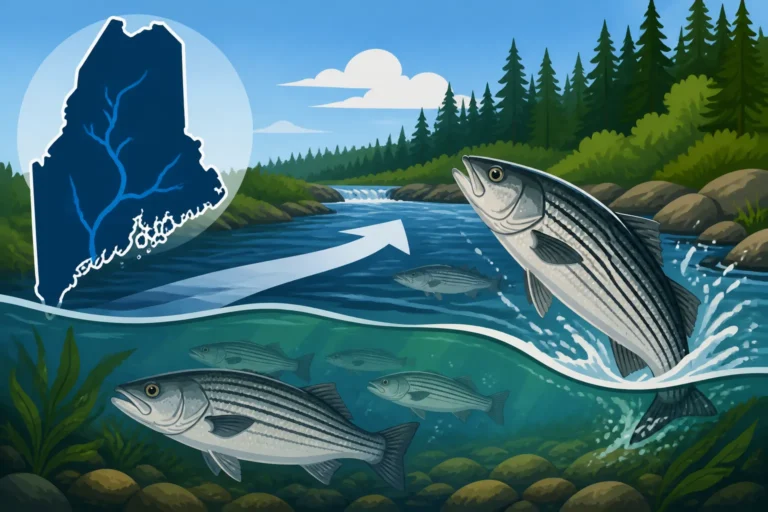
Over time, smallmouth bass found their way into many of Maine's larger lakes and rivers, particularly in the southern and central parts of the state where the waters tend to be warmer and more conducive to their needs. Largemouth bass, which prefer weedier, shallower habitats, also became established in many warmer ponds. The result is that today, bass are firmly entrenched in a significant number of Maine's water bodies. In some of these waters, they are now considered a naturalized, even desirable, part of the fishery. But in others, especially those that hold critical populations of native coldwater species, their presence is viewed with concern, hence the "invasive" discussion. It’s a complex legacy, showing how human actions, even those meant to improve recreational opportunities, can have lasting and sometimes unforeseen ecological consequences.
The Complex Relationship Between Bass and Native Maine Species
It's easy to think of a lake as just a body of water, but it's actually a finely tuned ecosystem where every species plays a role. When bass enter the picture, especially in waters that weren't historically their home, that dynamic can shift in significant ways, often to the detriment of our cherished native fish. This isn't about blaming the bass; it's about understanding the ecological realities of their presence.
Bass as Predators: Impact on Brook Trout and Landlocked Salmon
One of the biggest concerns with bass in certain Maine waters stems from their nature as highly efficient predators. While they certainly provide exciting fishing, their dietary habits can pose a direct threat to our native coldwater species, particularly juvenile Brook Trout Fishing in Maine and young Landlocked Salmon Fishing in Maine.
Imagine a scenario: a pristine Maine pond, historically home to a thriving population of wild brook trout. These trout depend on the pond's cool, clear waters and a specific food chain. Then, somehow, bass are introduced. Bass are opportunistic feeders; they'll eat just about anything they can fit in their mouths, including insects, crustaceans, and, critically, smaller fish. As bass populations grow, they can exert significant predation pressure on young trout and salmon parr (juveniles), which simply aren't equipped to escape a larger, more aggressive predator they didn't evolve alongside.
This isn't just a theoretical problem. In some water bodies where bass have become established, biologists have observed a noticeable decline in native trout and salmon numbers. The bass are not only eating the young fish, but they're also competing for the same forage base, meaning there's less food to go around for everyone. While adult trout and salmon can often hold their own, the recruitment of new, young fish into the population can be severely hampered, leading to a long-term decline. It's a classic case of a non-native species disrupting an established food web, highlighting why the distinction between a welcome sport fish and a problematic invader is so important in conservation efforts.
Habitat Overlap and Competition
Beyond direct predation, bass can also impact native species through habitat overlap and competition. Fish, just like people, have preferred living spaces, and when a new resident moves in who prefers similar accommodations, things can get crowded and contentious.
Smallmouth bass, for example, often favor rocky shoals and deeper areas of lakes and rivers, habitats that are also crucial for landlocked salmon and lake trout (togue). When bass establish themselves in these areas, they're not just occupying space; they're actively competing for limited resources. This can include prime feeding grounds, sheltered areas for growth, and even spawning habitat. Imagine a rocky point where salmon parr like to congregate, finding refuge and food. If a strong population of smallmouth bass moves in, those salmon parr might find themselves constantly harassed, outcompeted for insects and baitfish, or even seen as prey.
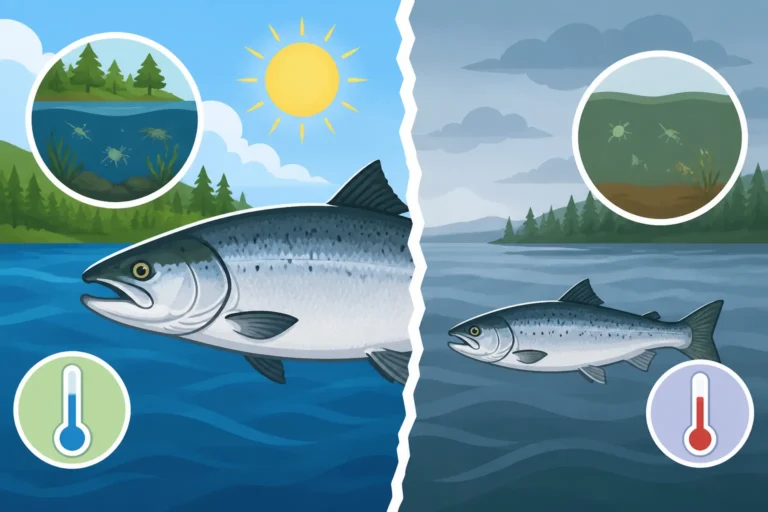
Largemouth bass, on the other hand, prefer shallower, weedier environments. While these areas might not be primary haunts for adult salmon, they can be important nursery areas for a variety of native baitfish that form the base of the food chain for other game species. When largemouth bass dominate these zones, they can reduce the availability of these forage species, creating a ripple effect throughout the ecosystem. Moreover, as water temperatures rise due to climate patterns, the "comfort zones" for bass expand, pushing them further into what were once exclusively coldwater habitats. This forces native coldwater species into smaller, more thermally restricted areas, making them even more vulnerable to competition and predation from the increasingly adaptable bass. Understanding Maine Fishing Regulations Explained can give you a better idea of how these different habitats are managed.
Managing the Balance: Maine's Approach to Bass Populations
Given this complex relationship, how does Maine manage bass populations? It's a delicate balancing act, and the approach isn't uniform across the entire state. The Maine Department of Inland Fisheries and Wildlife (MDIFW) has a nuanced strategy, recognizing that bass are a valuable recreational resource in some waters, while a concern in others where native species are prioritized.
In many lakes and ponds, particularly those in the southern and central regions that naturally warm up more, bass are considered a desirable sport fish. Here, regulations might encourage a healthy fishery, allowing for reasonable bag limits and size restrictions to ensure sustainable populations. Anglers actively target Smallmouth Bass Fishing in Maine and Largemouth Bass Fishing in Maine in these areas, contributing to the local economy and enjoying fantastic recreation.
However, in designated coldwater fisheries—those precious lakes, ponds, and rivers that are critical strongholds for wild brook trout, landlocked salmon, and togue—the management strategy shifts dramatically. In these sensitive waters, bass are actively discouraged. The MDIFW might implement regulations that have no bag limit or size restriction on bass, effectively encouraging anglers to harvest any bass they catch. The goal here is to reduce the bass population to minimize their impact on native species. In extreme cases, where an introduction of bass threatens a truly unique or genetically important native fishery, more drastic measures like rotenone treatments (a natural fish toxicant that resets a pond's fish population) have been used to eradicate bass and restore native populations.
The challenge is often in identifying these critical waters and educating anglers on their unique value. For instance, the rules in the "Maine North Zone vs South Zone Fishing Rules" can sometimes reflect these differing priorities. It's all about making informed decisions for the long-term health of Maine's diverse aquatic ecosystems, ensuring that both robust sport fisheries and pristine native habitats can coexist where appropriate. Knowing How to Find Maine Fishing Regulations for a Specific Lake is essential for any responsible angler.
Where Bass are a Welcome Addition vs. a Concern
Maine is a big state with incredibly diverse aquatic habitats, from the sprawling, deep lakes of the north to the warmer, shallower ponds of the south. This diversity means that a "one size fits all" approach to fish management simply doesn't work, especially when it comes to species like bass. Their status as either a prized sport fish or a potential ecological concern often depends entirely on the specific water body you're talking about.
Waters Where Bass Thrive and Are Valued
Let's be clear: in many, many places across Maine, bass are not only tolerated but celebrated! For countless anglers, the thrill of a smallmouth hitting a topwater lure at dawn or a largemouth fighting hard in lily pads is what fishing is all about. These fish provide phenomenal recreational opportunities and contribute significantly to Maine's fishing tourism.
Think of lakes like Sebago Lake Smallmouth Bass Fishing in Maine or the Belgrade Lakes Bass Fishing in Maine. These are prime examples of waters where bass populations are robust and healthy. Sebago, with its vast structure, clear water, and ample forage, offers incredible smallmouth fishing that draws anglers from all over. The Belgrade Lakes system, with its mix of depths and weed lines, provides fantastic opportunities for both smallmouth and largemouth. In these ecosystems, bass have found a niche, become naturalized, and support a vibrant sport fishery without overtly threatening other management goals.
Many local tournaments and clubs are dedicated solely to bass fishing, showcasing the incredible passion for these species. These waters often have the right balance of temperature, habitat, and food sources that allow bass to thrive, often alongside other species like perch and pickerel. Here, the MDIFW manages for a quality bass fishery, setting regulations that promote healthy growth and reproduction, ensuring future generations can enjoy the same exciting fishing experiences. It's a testament to the adaptability of bass and the success of localized fisheries management.
Sensitive Waters: Protecting Maine's Coldwater Strongholds
On the flip side, there are specific waters in Maine where the presence of bass, no matter how exciting they might be to catch, is a significant concern for conservationists and fisheries biologists. These are Maine's coldwater strongholds—waters that harbor genetically unique, wild populations of brook trout, landlocked salmon, or other native coldwater species that are particularly vulnerable to competition and predation.
Picture a remote, crystal-clear pond tucked away in the North Woods, accessible only by a long hike or float plane. These ponds often have very stable, cold water temperatures and unique ecological conditions that have allowed wild brook trout, sometimes with rare genetic strains, to flourish undisturbed for centuries. In such a delicate ecosystem, the introduction of bass could be catastrophic. Bass would immediately compete for food, prey on the smaller trout, and potentially disrupt the trout's spawning cycles. The MDIFW invests significant resources to monitor and protect these waters, sometimes even implementing "wild fish only" regulations where all trout must be released to ensure the preservation of these irreplaceable genetic stocks.
Another example might be a river system critical for the spawning runs of wild landlocked salmon, or a deep, oligotrophic lake renowned for its trophy togue. In these places, every effort is made to prevent the unauthorized introduction or spread of bass. Regulations are often very specific, and conservation efforts focus on maintaining the pristine conditions necessary for these sensitive species to thrive. The goal is clear: protect the integrity of Maine's native coldwater fisheries, which are a vital part of our natural heritage and offer a truly unique angling experience. Ignoring the risks of bass in these areas would be a disservice to these incredible, irreplaceable resources.
The Angler's Role: Responsible Fishing for Bass in Maine
As anglers, we're not just participants in Maine's fishing scene; we're stewards of its waters. Our actions, both on and off the water, have a direct impact on the health and balance of these ecosystems. When it comes to bass, being a responsible angler means understanding where they belong, and where they might pose a threat, and acting accordingly.
Catch and Release vs. Harvest: Making Informed Decisions
The question of whether to catch and release or harvest a bass often depends entirely on where you are fishing in Maine. There's no single right answer for every situation, and making an informed decision is a hallmark of a responsible angler.
In the many lakes and ponds where bass are a managed and valued sport fishery—places like the Sebago or Belgrade Lakes regions—practicing Catch and Release Best Practices in Maine is often a great choice. Releasing healthy bass ensures that the population remains strong for future fishing opportunities. Many bass anglers pride themselves on carefully handling fish, minimizing stress, and quickly returning them to the water. In these waters, anglers might also choose to harvest a few bass for a delicious meal, as populations are generally robust enough to sustain it. You'll want to check the specific daily limits and size restrictions for that particular water body.
However, in those sensitive coldwater ponds and lakes where bass are considered a detrimental invasive species, the recommendation often shifts dramatically. In these waters, fisheries biologists might encourage anglers to harvest every bass they catch, regardless of size. There might be no bag limits or size restrictions at all for bass, precisely because the goal is to reduce their numbers to protect native trout and salmon. It might feel counterintuitive to keep every fish, especially if you're accustomed to releasing, but in these specific contexts, it's a direct way to contribute to conservation efforts. Always check the current regulations for the specific body of water you're fishing to understand the local management goals. This is a critical ethical consideration: aligning your fishing practices with the conservation needs of the unique water you're on.
Preventing Further Spread: Angler Best Practices
Beyond what you do with a bass once it's on your line, your actions before and after your fishing trip are paramount in preventing the unauthorized spread of bass and other non-native species. This is where every angler, regardless of what they're targeting, can make a huge difference.
The golden rule, often repeated but always vital, is never, ever transfer live fish from one water body to another. This is illegal in Maine, and for very good reason. Many of the bass populations that are now problematic in coldwater fisheries were introduced by well-meaning but misguided individuals who thought they were "improving" the fishing in a new pond by stocking it with bass. This single act can devastate a native fishery that has taken centuries to evolve. If you're using live bait, make sure it's legally obtained and never release unused bait into the water. Dispose of it properly on land.
Furthermore, practice "Clean, Drain, Dry" with all your gear:
- Clean: Remove all visible mud, plants, fish, and other debris from your boat, trailer, waders, boots, and fishing gear before leaving the launch or stream bank.
- Drain: Pull your drain plug and drain all water from your boat, livewells, bilge, and engine. Empty any bait buckets.
- Dry: Allow all equipment to thoroughly dry for at least five days before using it in another water body. If drying isn't possible, wipe down all surfaces with a towel and rinse with high-pressure, hot water.
These simple steps prevent the accidental transfer of not only fish but also aquatic invasive plants, mussels, and other organisms that can wreak havoc on our lakes and rivers. By being diligent and thoughtful, every angler becomes a front-line defender of Maine's precious aquatic resources, helping to preserve the unique beauty and biodiversity that makes fishing in our state so special. The "General Law Fishing Season Start Date in Maine" and "Maine Fishing Season Dates Guide" will usually mention these types of best practices as part of responsible angling.
Here's a quick look at how bass management might differ across various water bodies in Maine:
| Water Body Type | Example Locations (Conceptual) | Primary Management Goal | Bass Status | Typical Angler Guideline (Check Regulations) |
|---|---|---|---|---|
| Warmwater Lakes | Sebago Lake, Belgrade Lakes, Cobbosseecontee Lake | Robust Sport Fishery | Valued | Moderate harvest, catch & release encouraged |
| Coldwater Ponds | Remote trout ponds, mountain lakes | Native Trout/Salmon Preservation | Invasive Concern | Harvest encouraged, often no bag/size limit |
| Major River Systems | Portions of Penobscot, Kennebec | Mixed Use, Diverse Fishery | Naturalized | Varies by section, often general law applies |
| Specific Stocked Ponds | Designated put-and-take ponds | Recreational Opportunity | Supplemental | Often encouraging harvest of all species |
Remember, this table is a generalization. Always consult the most current Maine Fishing Regulations Explained for the specific water you intend to fish, as regulations can vary significantly even within regions or between adjacent ponds.
Disclaimer
This article is for general informational purposes only and does not constitute professional advice. Laws, prices and regulations vary by location and change over time. Consult a qualified professional for guidance on your specific situation.