Are Brown Trout Stocked in Maine Rivers?
It’s easy to get confused when you start thinking about trout in Maine, especially with all the talk about native brook trout and the beautiful landlocked salmon. Many anglers, particularly those visiting from out-of-state, wonder if they can find the robust and feisty brown trout swimming in our rivers. This guide is here to clear up that mystery, explain Maine's approach to managing these fish, and tell you exactly where you might encounter them.
The Basics of Brown Trout in Maine's Waters
Brown trout, with their distinctive spots and often golden hues, are a favorite among anglers across the globe. But their story in Maine is a bit different from our beloved native species. Understanding their presence here starts with a little history and knowing how to tell them apart from their cousins.
A Little History on Brown Trout in Maine
You see, brown trout (scientific name Salmo trutta) aren't native to Maine. They actually hail from Europe and Western Asia, and were introduced to North America in the late 19th century. The idea at the time was to introduce a hardy trout species that could thrive in waters that might be too warm or degraded for the more sensitive native brook trout. Maine, like many other states, experimented with stocking brown trout to diversify its fisheries and offer more opportunities for anglers.
For a long time, the focus was largely on ponds and lakes where they could establish a strong presence without directly competing with the genetically pure strains of Brook Trout Fishing in Maine found in our pristine northern streams. While many of Maine's lakes and ponds have seen successful brown trout populations, their presence in rivers has been more carefully managed and selective. State fisheries biologists are incredibly protective of our native species, especially brook trout and Landlocked Salmon Fishing in Maine, so introducing a non-native species into critical river habitats is not taken lightly.
Identifying Brown Trout in Maine
When you're out on the water, especially in a river where multiple salmonid species might reside, it's really important to know what you've hooked. Brown trout have some pretty clear distinguishing features. Typically, they're more brownish or golden than the vibrantly colored brook trout, and their bodies are covered in dark spots surrounded by lighter halos. You might also notice some red or orange spots along their sides, often with a pale halo around them too. Their tail is usually square or slightly forked, and unlike the brook trout, they don't have worm-like markings (vermiculations) on their backs and dorsal fins.
They tend to have a larger mouth than brook trout, extending back beyond the eye. In Maine, you might catch browns ranging from pan-sized fish up to some real lunkers, especially in certain stocked waters where they have plenty of food. They can grow quite large, making them a thrilling catch, and they're known for their powerful, often acrobatic fight. Knowing these details is crucial for adhering to Maine Fishing Regulations Explained, as bag limits and size restrictions can vary significantly between species.
Here's a quick comparison to help you tell them apart from our beautiful native brook trout:
| Feature | Brown Trout | Brook Trout |
|---|---|---|
| Origin | Non-native (European) | Native to Maine |
| Coloration | Brown to golden, sometimes silvery | Olive to dark green, vibrant red/orange spots |
| Body Spots | Dark spots with light halos, sometimes red | Red spots with blue halos, lighter speckles |
| Back/Dorsal | Few or no worm-like markings | Distinctive worm-like (vermiculated) patterns |
| Fins | No white leading edge on lower fins | White leading edge on pectoral, pelvic, anal fins |
| Tail | Square or slightly forked | Square or slightly notched |
| Preferred Water | Tolerates warmer water, larger streams | Colder, cleaner water, smaller streams |
This table should give you a good visual guide, but remember, sometimes fish can show variations. If you're ever unsure, take a quick photo and release the fish unharmed, or consult your Maine Fish Species Identification Guide.
Maine's Stocking Programs: Focus on Brown Trout
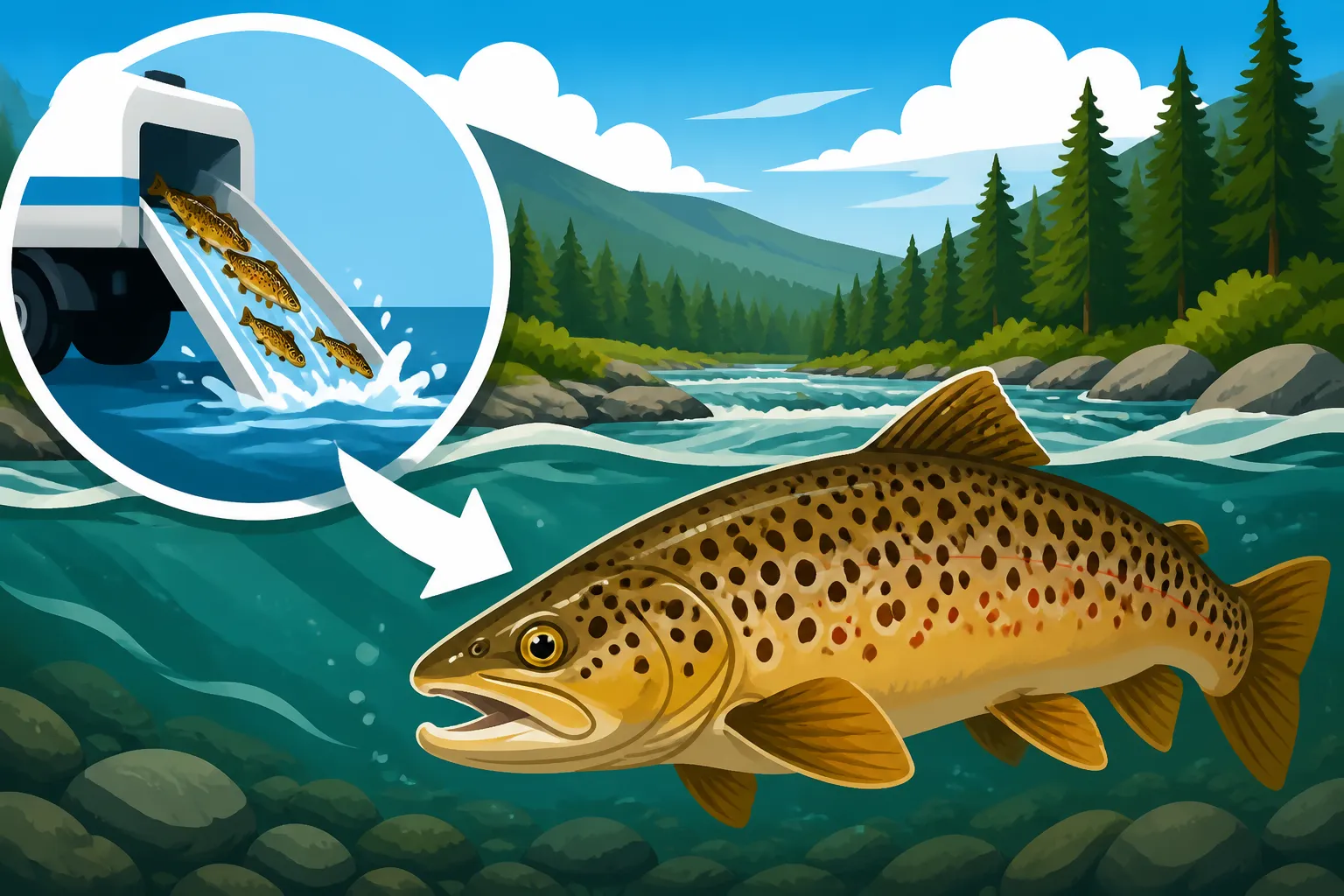
So, to answer the burning question: Are brown trout stocked in Maine rivers? Yes, they can be, but it's not a blanket program across all waterways. Maine’s Department of Inland Fisheries and Wildlife (MDIFW) has a very thoughtful and strategic approach to where and why they introduce certain fish species, especially non-natives.
Where and Why Maine Stocks Brown Trout
Maine does indeed stock brown trout, but their primary focus for these stockings is often in lakes and ponds that can support them, or in specific river sections where they can offer a unique angling experience without harming native populations. These aren't generally the pristine, cold-water streams that are reserved exclusively for native brook trout. Instead, you'll often find them introduced into larger river systems or river segments that might experience slightly warmer summer temperatures, or where habitat conditions are suitable but less ideal for other salmonids.
The rationale behind stocking brown trout in these areas is multifaceted. First, they are quite resilient. Brown trout can tolerate a wider range of water temperatures and conditions than brook trout, meaning they can thrive in waters that might otherwise be less productive for sport fishing. This allows MDIFW to create diverse fishing opportunities across the state, ensuring that there's something for every angler, whether they prefer chasing native brookies or battling a strong brown. Second, brown trout offer a different fight and a different challenge. Many anglers specifically seek them out for their size and power.
You'll need to check the specific regulations and stocking reports for individual rivers. The MDIFW typically publishes stocking lists or interactive maps that show which waters receive fish. For instance, some of the larger rivers that are not considered critical brook trout habitat, or certain impoundments along river systems, might see brown trout introductions. It’s never a bad idea to grab the latest Maine Fishing Law Book Where to Get One or check the MDIFW website for the most up-to-date information on your chosen fishing spot.
Finding Stocked Brown Trout Waters
Finding out exactly where brown trout are stocked takes a bit of research, but it’s definitely doable. The Maine Department of Inland Fisheries and Wildlife (MDIFW) is your best friend here. They maintain extensive resources, including annual fishing law books, online stocking reports, and interactive maps that detail which species are stocked in which waters.
Here’s how you can typically find this information:
- MDIFW Website: Head directly to the official MDIFW website. Look for sections on "Fishing," "Stocking Reports," or "Lakes and Ponds Survey Information." These pages often have searchable databases or PDF documents outlining recent and historical stocking efforts.
- Fishing Law Books: Every year, MDIFW publishes a comprehensive rulebook. This guide is indispensable for any angler and will list not only general laws but often highlight specific waters, including special regulations and stocking information. Always consult the most current edition.
- Local Bait Shops and Sporting Goods Stores: These local hubs are treasure troves of information. The folks working there often have first-hand knowledge of stocking schedules and local hot spots. They might even be able to point you to a specific river section that receives browns.
- Online Forums and Communities: Many Maine fishing forums or social media groups have experienced anglers who are more than willing to share knowledge about where certain species are being caught. Just remember to always verify information with official sources.
When you're looking at a river, pay close attention to the specific regulations for that waterway. Some sections of a river might have "General Law" regulations, while others might be designated as "Special Regulation Waters" with unique rules for certain species, including brown trout. Understanding Maine North Zone vs South Zone Fishing Rules can also be crucial, as management strategies can differ geographically.
Fishing for Brown Trout in Stocked Maine Rivers
Once you’ve done your homework and found a promising river where brown trout are stocked, it’s time to get out there and try your luck! Fishing for river browns can be incredibly rewarding, offering a blend of challenge and excitement.
Techniques for Catching River Browns
Brown trout in rivers, especially stocked ones, can be caught using a variety of techniques. Their diet can be quite varied, from insects to smaller fish, so adapting your approach is key.
- Spin Fishing: This is a popular and effective method. Small spinners, like Mepps or Panther Martin, in silver, gold, or copper finishes, often work wonders. Cast upstream or across the current and retrieve just fast enough to get the blade spinning. Small spoons are also great, imitating injured baitfish. Ultralight gear is perfect for smaller streams, allowing for delicate presentations. When selecting lures, you can find a huge variety of options, including trusted brands, on sites like Amazon, to ensure you have the right arsenal.
- Bait Fishing: If bait is permitted, worms, minnows, or even corn can be very effective, especially for freshly stocked fish. Rigging them on a small hook with a split shot or two, allowing them to drift naturally with the current, can be deadly. Drifting a live minnow under a bobber in a deeper pool can also entice a lurking brown.
- Fly Fishing: For the fly angler, river browns offer fantastic opportunities. Nymphing is often highly effective, especially with patterns imitating stoneflies, caddis larvae, or mayfly nymphs. Dead-drifting these through runs and pools where trout might be holding is a tried-and-true method. Streamer patterns, mimicking baitfish, can also trigger aggressive strikes, especially for larger browns. Think about patterns like Woolly Buggers or Clouser Minnows. In the warmer months, if there's an active insect hatch, dry flies can provide thrilling surface action. Consider a good Fly Selection for Brook Trout guide, as many of those patterns will also work for browns. You can often stock up on essential flies or spinners from Amazon before your trip.
When fishing a river, remember that brown trout often hold in seams, behind rocks, in deeper pools, and under cut banks. These areas offer cover from predators and relief from strong currents, while also providing ambush points for food. Focus your efforts on these prime locations, moving stealthily along the banks to avoid spooking the fish.
Gear and Essential Considerations
Having the right gear makes all the difference, not just for comfort but for success.
- Rods and Reels: For spin fishing, a lightweight spinning rod (6-7 feet, light to medium-light action) paired with a small spinning reel (1000-2500 size) spooled with 4-8 lb monofilament or braided line is ideal. For fly fishing, a 4 to 6-weight fly rod will handle most river browns, paired with a matching reel and weight-forward floating line. You can often find great deals on basic spinning rods or fly rod setups on Amazon to get started without breaking the bank.
- Terminal Tackle: Carry a selection of hooks (sizes 8-14), split shot, swivels, and various lures/flies. Leader and tippet material (4-6 lb test for spin, 4X-6X for fly) are crucial for presenting your offerings naturally.
- Wading Gear: Many Maine rivers require wading to access the best spots. A good pair of waders and wading boots is essential for comfort and safety. A good pair of wading boots, which you can easily find on Amazon, will make a world of difference. Always prioritize safety when wading; be mindful of currents, slippery rocks, and deep pockets.
- Safety and Comfort: Don't forget polarized sunglasses (they help you spot fish and protect your eyes), a hat, sunscreen, and insect repellent. A small backpack or vest to carry your gear, water, and snacks is also a good idea. Knowing Early Ice Safety Tips for Maine Anglers is paramount if you're trying ice fishing for brown trout in winter in suitable waters, but for river fishing, focus on current safety.
Remember to check the Maine Fishing Season Calendar for open seasons on rivers you plan to fish, as some waters may have specific closures or catch-and-release only periods for certain species.
The Impact and Future of Brown Trout Stocking
The decision to stock non-native species like brown trout in Maine is not made lightly. It involves a careful balancing act between providing diverse angling opportunities and protecting the state's precious native fish populations and ecosystems.
Ecological Balance and Management
Maine's fisheries management is strongly geared towards conserving and enhancing its native fish. This is why you won't find brown trout stocked indiscriminately across every river. Stocking decisions are based on extensive scientific research, habitat assessments, and the potential impact on native fish. For example, waters with healthy, self-sustaining populations of wild brook trout are typically off-limits for brown trout stocking to prevent competition for food and habitat, or even potential hybridization where possible (though brown trout and brook trout are different genera and generally do not hybridize).
The MDIFW uses specific regulations to manage brown trout populations. These might include different bag limits or length restrictions compared to native species. Sometimes, brown trout might be stocked in a "put-and-take" fishery, meaning they are primarily stocked for anglers to harvest, rather than to establish a self-sustaining population. This helps control their numbers and minimizes long-term ecological impact in certain areas. Understanding these nuances is crucial for any responsible angler, and it's why we emphasize checking the latest Maine Fishing License Guide and regulation books.
The goal is always to strike a balance: offer exciting fishing for brown trout in suitable locations, while vigorously protecting the unique heritage of Maine's wild Brook Trout Native Range in Maine. This dynamic management ensures that future generations can enjoy both the thrill of catching a stocked brown and the unparalleled experience of pursuing a wild native trout.
Angler Perspectives and the Fishing Experience
For many anglers, brown trout are a highly prized sport fish. Their reputation for being strong fighters, coupled with their often elusive nature, makes them a challenging and rewarding quarry. A hefty river brown, with its dark spots and powerful runs, is a memory many anglers cherish. They often provide a different kind of challenge than a brook trout, especially in larger river systems where they can grow to impressive sizes.
Anglers often appreciate the diverse opportunities brown trout stocking creates. It means there are more places to fish and more types of fishing experiences to be had, catering to a wider range of preferences. Some enjoy targeting browns in larger rivers with bigger flies or lures, while others might appreciate the chance to catch a different species when other native fisheries are closed or less productive.
Ultimately, the presence of stocked brown trout in select Maine rivers adds another layer to the state's already rich tapestry of fishing opportunities. It allows for varied approaches and techniques, from delicate fly fishing in a scenic run to casting lures in deeper pools, all while respecting the broader conservation goals for Maine's incredible aquatic resources. It's about enjoying all that Maine's waters have to offer, responsibly and with appreciation for every fish you encounter.
Disclaimer
This article is for general informational purposes only and does not constitute professional advice. Laws, prices and regulations vary by location and change over time. Consult a qualified professional for guidance on your specific situation.