Are There Pike in Maine Lakes?
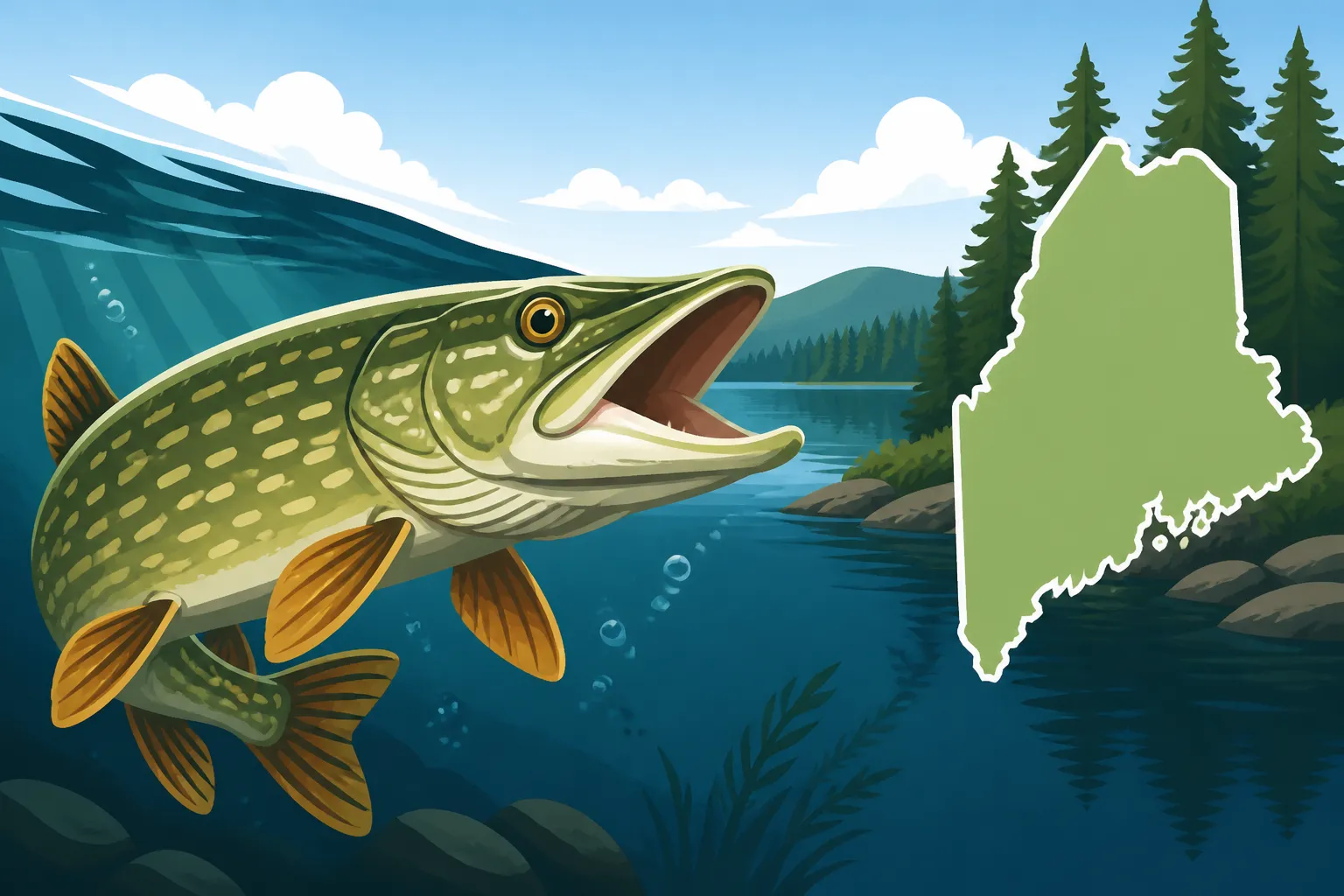
It's a common concern among anglers in the Pine Tree State, a question whispered in bait shops and debated around campfires: "Are there pike in Maine lakes?" For many, the thought of this aggressive predator lurking in our cherished waters brings a mix of dread and curiosity. This comprehensive guide will tackle that very question head-on, exploring the presence of Northern Pike, their impact on Maine's delicate ecosystems, and what you, as an angler, need to know.
The Truth About Northern Pike in Maine Waters
Let's cut right to the chase: yes, Northern Pike are present in some of Maine's lakes and river systems. For anglers who treasure Maine's native cold-water fisheries, this reality can be a tough pill to swallow. Maine is famous for its pristine waters and wild brook trout, landlocked salmon, and lake trout, species that simply aren't equipped to handle a highly efficient predator like the pike. Understanding their presence is the first step in addressing the challenges they pose.
Yes, They're Here, and Here's Why
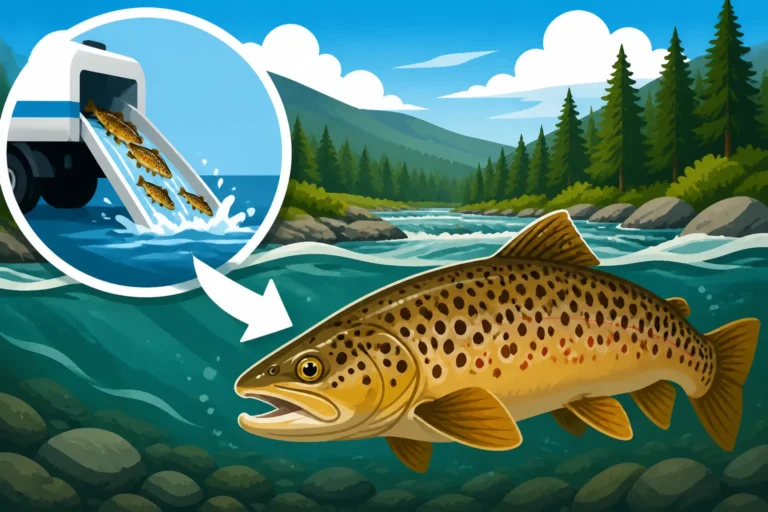
The unfortunate truth is that Northern Pike didn't arrive in Maine on their own fin power. Their presence is primarily due to illegal introductions by humans. Someone, at some point, decided to transplant these fish from other states into Maine's waters, likely with good intentions for creating a new sport fishery, but without understanding the devastating ecological consequences. This act, often referred to as "bucket biology," has profoundly altered the ecological balance in certain areas. It's a stark reminder of why it's so crucial to never move live fish from one water body to another. Our state has strict regulations in place, and these introductions highlight the importance of knowing Maine Fishing Regulations Explained.
Once introduced, pike are incredibly resilient and adaptable. They thrive in a variety of habitats, reproducing quickly and growing to impressive sizes. Their voracious appetites mean they can rapidly establish dominant populations, especially in waters that lack natural predators for them. This rapid colonization makes them a persistent challenge for Maine's fisheries biologists, who work tirelessly to protect our native species. It's a constant battle, and one that requires public awareness and cooperation.
Where You Might Encounter Northern Pike in Maine
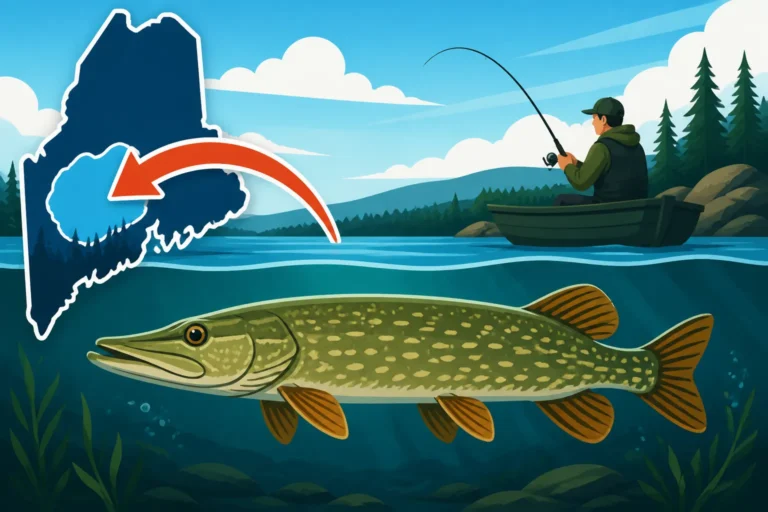
While pike are not widespread across all of Maine's thousands of lakes and ponds, they have established themselves in several significant water bodies, particularly in the central and southern parts of the state. One of the most notable areas is the Belgrade Lakes chain, specifically Great Pond, Messalonskee Lake (also known as Snow Pond), and Long Pond. These interconnected lakes, with their abundant weedy coves and shallower areas, provide ideal habitat for pike to flourish. The Androscoggin River system has also seen a significant presence of Northern Pike, with fish documented downstream from its headwaters.
Beyond these well-known locations, smaller, isolated introductions can occur, sometimes going undetected for a period. Pike prefer waters with plenty of aquatic vegetation, where they can ambush prey. Think shallow bays, lily pad fields, and extensive weed lines. These are the classic "pike spots" you'd look for if you were targeting them intentionally. If you're fishing in any of these known pike waters, don't be surprised to encounter one—it's part of the fishing experience in those areas now. It's always a good idea to check local regulations for specific waters, as special rules might apply where pike are present.
The Impact of Northern Pike on Maine's Ecosystems
The introduction of Northern Pike isn't just an interesting biological anecdote; it's a serious ecological concern. Pike are apex predators, meaning they sit at the top of the food chain in many of the waters they inhabit. Their presence can ripple through an entire ecosystem, altering food webs and posing significant threats to fish populations that have evolved without such a formidable foe.
A Threat to Native Species
The primary concern with Northern Pike is their incredibly predatory nature. They are opportunistic feeders and will eat almost anything they can catch, including smaller fish, amphibians, ducks, and even small mammals. In Maine, this means our beloved native species are particularly vulnerable. Brook Trout Daily Bag Limits and Maine Landlocked Salmon Bag Limits exist to protect these precious fish, but pike introduce a new layer of predation that can decimate these populations. Young salmon and trout, especially, are easy targets for a hungry pike.
Imagine a pristine Maine pond, historically home to robust populations of wild brook trout. Now, introduce a few Northern Pike. They grow quickly, reproduce prolifically, and have an insatiable appetite. Over time, those brook trout populations, unaccustomed to such predation pressure, can dwindle dramatically. This isn't just about losing a few fish; it's about disrupting the delicate balance that has existed for centuries. Pike also compete with native species for food resources, further stressing the ecosystem. For instance, they might prey on baitfish species that trout and salmon rely on, effectively stealing their dinner. Understanding What Is Northern Pike Doing to Maine Trout Waters? is essential for any angler who cares about the future of fishing in our state.
Management Strategies and Angler Responsibility
Given the significant impact of Northern Pike, Maine's Department of Inland Fisheries and Wildlife (MDIFW) has implemented specific management strategies. One of the most direct and crucial is the "no bag limit" rule for Northern Pike in waters where they are established. This means anglers are strongly encouraged, and often required, to harvest any pike they catch and not to release them back into the water. This policy is a proactive measure to try and control pike populations and reduce their impact on native fish. If you're wondering Can You Keep Northern Pike in Maine No Limit?, the answer is generally yes, and it's often mandated.
Your role as an angler is critical in this ongoing effort. Beyond harvesting pike, never, ever introduce any fish from one body of water to another. This act, while seemingly harmless, can have catastrophic long-term consequences. MDIFW works tirelessly to monitor pike populations and respond to new introductions, but their success hinges on public cooperation. If you suspect an illegal introduction or observe unusual fish species in a water body, it's vital to report it to the authorities. Knowing How to Report a Poacher in Maine can help protect our precious resources. We all share a responsibility to protect Maine's unique aquatic ecosystems for future generations.
Fishing for Northern Pike in Maine (If You Choose To!)
While their presence is ecologically problematic, the reality is that Northern Pike are now part of the fishery in some Maine waters. For some anglers, particularly those who enjoy targeting aggressive, hard-fighting fish, pike can offer an exciting challenge. If you find yourself on a lake known for pike and decide to target them, be prepared for a thrilling fight! They are powerful, acrobatic, and can provide some serious angling fun.
Best Techniques and Gear for Pike
When it comes to fishing for Northern Pike, you need to go big and be ready for a fight. Pike have a mouthful of razor-sharp teeth, so delicate tackle just won't cut it (pun intended!). Your rod should be medium-heavy to heavy power with a fast action, capable of handling larger lures and stout line. A spinning reel or baitcasting reel with a smooth drag and at least 15-20 lb braided line is a good starting point. Most importantly, you must use a wire or heavy fluorocarbon leader to prevent their teeth from cutting your line. A bite-off means losing your lure and potentially leaving a hook in the fish, which isn't good for anyone. You can find a good selection of specialized pike leaders on platforms like Amazon, making it easy to stock up before your trip.
For lures, think big and flashy! Large spoons (silver, gold, or red and white are classics), spinnerbaits with big blades, and substantial jerkbaits or crankbaits that mimic a baitfish are all excellent choices. Many anglers also have great success with soft plastic swimbaits, especially those rigged weedless if you're fishing in heavy cover. Live bait, particularly large shiners or suckers, can also be incredibly effective, often fished under a float or on a bottom rig. If you're looking to gear up, Amazon offers a wide array of options for "pike fishing lures" and "wire leaders" that are perfectly suited for these toothy critters. Don't forget long-nose pliers and jaw spreaders for safe unhooking, which are available at most sporting goods stores and, of course, online retailers.
Seasonal Considerations for Pike Fishing
Northern Pike can be caught year-round in Maine, offering different challenges and opportunities depending on the season. In spring, after ice-out, pike often move into shallow, warmer waters, especially vegetated bays, for spawning. This is a prime time for casting large lures or fishing live bait in these accessible areas. As summer progresses, pike will often relate to weed lines, submerged structure, and drop-offs where they can ambush baitfish. Trolling with large crankbaits or deep-diving spoons can be effective in deeper weed edges, while casting into pockets in shallower weeds works well too. Consider Maine Open Water Line Limits when planning your summer strategy.
Ice fishing for pike is also very popular in the waters where they are found. Tip-ups set with large shiners or suckers are a classic method, as pike often cruise below the ice, looking for an easy meal. Jigging with heavy spoons or swimbaits through the ice can also entice a strike. Pike remain active in cold water, making them an exciting target for winter anglers. In the fall, as water temperatures drop, pike can become incredibly aggressive, feeding heavily in preparation for winter. They often move back into shallower areas, making them accessible to shore anglers or those in smaller boats. Regardless of the season, these fish provide a memorable angling experience with their explosive strikes and powerful runs.
Distinguishing Pike from Other Maine Fish & Safety
It's common for anglers, especially those new to Maine's waters or those not accustomed to pike, to confuse them with other species, most notably the Chain Pickerel. While both are long, slender, and toothy predators, there are distinct differences. Furthermore, handling a pike requires caution due to their formidable dental work.
Identifying Northern Pike vs. Chain Pickerel
Maine has a healthy population of Chain Pickerel, a native member of the pike family (Esocidae). They share many characteristics with Northern Pike, leading to frequent misidentification. However, knowing the key differences is important for accurate identification and adherence to regulations, as pickerel often have different bag limits.
Here's a quick guide to tell them apart:
| Feature | Northern Pike | Chain Pickerel |
|---|---|---|
| Body Markings | Light, bean-shaped spots on a darker body. | Distinct, dark, chain-like pattern on a lighter body. |
| Gill Plate | Fully scaled only on the upper half. | Fully scaled. |
| Snout/Jaw | Typically has 5-6 sensory pores on each side of the underside of the lower jaw. | Typically has 4 sensory pores on each side of the underside of the lower jaw. |
| Size | Can grow much larger, often exceeding 10 pounds. | Generally smaller, rarely exceeding 5-6 pounds. |
| Dorsal Fin | Set far back on the body, closer to the tail. | Also set far back, similar placement to pike. |
The gill plate scaling is perhaps the most definitive way to tell them apart in hand. Run your finger along the gill plate cover: if it's rough (scaled) all the way down, it's a pickerel. If it becomes smooth (unscaled) on the lower half, it's a pike. For a more detailed look at fish identification, you might find our Maine Fish Species Identification Guide helpful. Knowing the difference is crucial, especially when regulations for one species might differ from the other.
Handling Pike Safely and Legally
Once you've hooked a Northern Pike, the real challenge begins, not just in fighting it, but in safely bringing it in and, if you choose, dispatching it. Those sharp teeth aren't just for show; they can inflict nasty wounds. Always handle a pike with extreme caution.
First and foremost, invest in a good pair of long-nose pliers or a jaw spreader. These tools are indispensable for safely removing hooks from a pike's mouth without putting your fingers at risk. Many experienced pike anglers also wear heavy-duty gloves, especially if they plan to handle the fish directly. When bringing a pike into a boat, a large landing net can be very helpful. Once netted, try to immobilize the fish before attempting hook removal. You can often grip them firmly behind the head, but be mindful of their thrashing power.
Remember, in designated pike waters, the state encourages the harvest of Northern Pike with no bag or length limits. If you intend to keep a pike, ensure you dispatch it quickly and humanely. This not only prevents suffering but also makes it safer for you to handle the fish for measurement or cleaning. Never release a caught pike back into a water body unless you are absolutely certain it is legally permitted for that specific water, which is rare in Maine due to their invasive status. Adhering to these safety and legal guidelines helps protect both you and Maine's vital natural resources. While catch and release is important for many species, it's crucial to understand that for invasive species like Northern Pike, the policy is generally catch and keep. Catch and Release Best Practices in Maine typically applies to native sportfish, not invasive predators.
Disclaimer
This article is for general informational purposes only and does not constitute professional advice. Laws, prices and regulations vary by location and change over time. Consult a qualified professional for guidance on your specific situation.