Maine Free Fishing Days Guide
It's a common story: you've been thinking about getting into fishing, or maybe introducing your kids to the joy of reeling in a catch, but the thought of navigating licenses, fees, and a mountain of regulations can feel like a daunting task. Maine's Free Fishing Days are designed to cut through that complexity, offering a fantastic, no-cost opportunity to dip your line into the state's incredible waters without needing a license. This guide will walk you through everything you need to know to make the most of these special days.
Understanding Maine's Free Fishing Days Program
The idea of "free fishing" might sound too good to be true, but it's a real and wonderful initiative here in Maine. It's an opportunity for both residents and visitors to experience the state's rich angling traditions without the initial hurdle of purchasing a fishing license. This program is thoughtfully designed to encourage new anglers, re-engage lapsed ones, and provide a fantastic family outdoor activity.
The Spirit Behind Free Fishing Days
At its heart, Maine's Free Fishing Days program is about accessibility and conservation. The Maine Department of Inland Fisheries and Wildlife (MDIF&W) understands that getting started in any outdoor pursuit can be intimidating. There's gear to buy, rules to learn, and of course, the cost of a license. By removing the license requirement for a couple of specific weekends each year, they aim to lower the barrier to entry, making it easier for folks to grab a rod and head to their nearest lake, pond, or coastal spot.
It's a brilliant way to introduce children and adults alike to the natural beauty of Maine and the thrill of fishing. Many people, especially those just visiting or considering taking up the hobby, appreciate not having to commit to a full season license right off the bat. This trial period allows them to gauge their interest and enjoy a stress-free outing, fostering a deeper connection to Maine's aquatic environments. This initiative also plays a subtle role in future conservation by inspiring a new generation of stewards for Maine's precious natural resources.
How the Program Works
The concept of Free Fishing Days is quite straightforward: on designated weekends, anyone—regardless of residency—can fish in Maine's inland and tidal waters without needing a state fishing license or a Maine Saltwater Fishing Registry. This means you can save the cost of a Maine Fishing License Costs Guide and try your hand at catching anything from brook trout in a clear mountain stream to striped bass along the coast. It truly opens up the entire state to exploration for those two weekends each year.
However, it's absolutely crucial to understand that while the license requirement is waived, nearly all other fishing regulations remain firmly in place. This isn't a free-for-all where you can ignore bag limits, length limits, or specific rules for certain bodies of water. The MDIF&W's goal is to promote responsible angling, even on these free days. Think of it as a "sample" of what Maine fishing offers, with the expectation that participants will still educate themselves on the rules to ensure sustainable fishing practices and avoid penalties. This guide will dive deeper into those essential regulations shortly.
Key Dates for Maine's Free Fishing Days
Maine offers two distinct Free Fishing Days weekends each year, thoughtfully placed to coincide with different fishing seasons and opportunities. These dates provide a fantastic chance to experience either the quiet solitude of ice fishing or the vibrant energy of open water angling, depending on the time of year.
Valentine's Day Weekend Ice Fishing
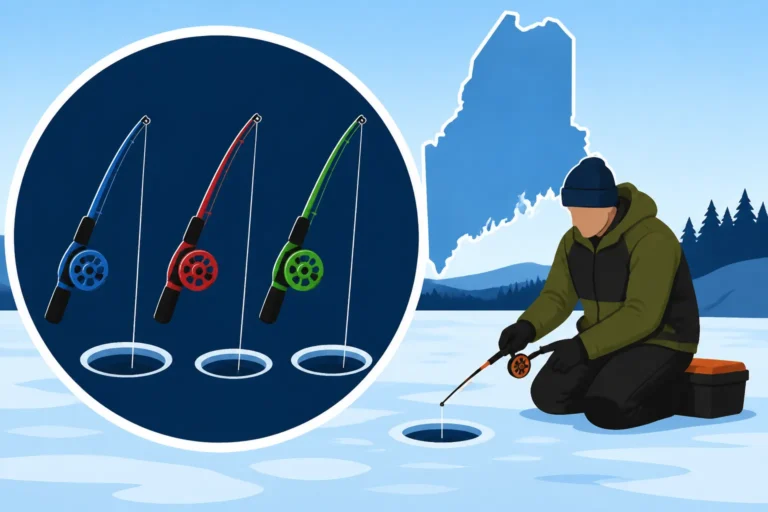
The first free fishing opportunity typically falls on the third full weekend of February. This timing is specifically chosen to coincide with the heart of Maine's ice fishing season, often around Valentine's Day, making it a perfect occasion for a unique family outing or a romantic, frosty adventure. Imagine bundling up, drilling a hole through the ice, and patiently waiting for a flag to fly, signaling a bite from a hungry fish beneath the frozen surface.
This weekend is particularly popular for those looking to try ice fishing for the first time without the investment of a license. It’s an ideal setting to set up some tip-ups, jig for a lake trout or perch, and enjoy the crisp winter air. Even if you don't have all the specialized gear, you can often find guided trips or local events that welcome beginners. Just remember, even on this free weekend, it's vital to prioritize safety, especially concerning ice thickness. Always check local ice conditions and follow guidelines like those found in our Maine Ice Fishing Rules Guide. A great way to enjoy this is to check with local sporting goods stores or even larger retailers like Amazon for basic ice fishing gear such as a hand auger, a couple of tip-ups, and some insulated boots.
Memorial Day Weekend Open Water Fishing
The second chance to fish license-free in Maine occurs on the first full weekend of June. This weekend is strategically placed at the beginning of the open water fishing season, just as the weather truly starts to warm up, and fish become more active after the long winter. It’s a prime time to explore Maine’s vast network of lakes, rivers, and coastal areas without having to purchase a license.
This June weekend offers anglers a fantastic opportunity to target a wide variety of species, from the aggressive smallmouth and largemouth bass that are moving into shallower waters, to hungry brook trout and landlocked salmon that might still be found in cooler depths. For families, it's an excellent way to spend time outdoors, perhaps teaching a child to cast a spinning rod for the first time or simply enjoying a peaceful afternoon by the water. Whether you prefer trolling, casting from shore, or exploring a new pond by kayak, this weekend opens up countless possibilities. For more tips on what to expect, you might check out our Maine Spring Fishing Guide to get a better sense of the fish activity during this transitional period.
Eligibility and Participation Guidelines
One of the most appealing aspects of Maine's Free Fishing Days is their broad inclusivity. These special weekends are genuinely open to almost everyone, making them a fantastic entry point into the world of angling. However, a little clarity on who qualifies and what "free fishing" actually entails can go a long way in ensuring a smooth and enjoyable experience.
Who Qualifies for the Exemption
The beauty of Maine's Free Fishing Days is that anyone can participate, regardless of their residency. Whether you're a long-time Maine resident, a seasonal visitor, or just passing through for a weekend getaway, you are welcome to fish without a license on these designated days. This universal access is a huge draw, allowing friends and family from different states to easily fish together without the hassle of individual state licensing requirements.
While these days are explicitly for those who would normally require a license, it's worth noting that certain age groups are always exempt from needing a fishing license in Maine anyway. For instance, children under 16 years of age can always fish without a license. This means that during Free Fishing Days, an adult who would normally need a license can fish alongside their child, both enjoying the water without any licensing paperwork. We delve into these specifics in our Fishing License Age Requirements in Maine guide. Other exemptions, such as those for certain disabled veterans or active military personnel, also exist year-round, as detailed in our comprehensive Maine Fishing License Exemptions guide, but for the general public, Free Fishing Days offer a temporary, universal pass.
What "Free Fishing" Truly Means
It's important to be crystal clear about what "free fishing" truly means on these special days. The primary exemption is from the requirement to purchase a state fishing license. This covers both freshwater and saltwater angling within Maine. You do not need to buy an inland fishing license, nor do you need to register for the Maine Saltwater Fishing Registry for these specific weekends. This is a significant saving and removes a key administrative step, allowing you to focus purely on the fishing experience.
However, and this is a critical point that cannot be overstated, "free fishing" does not mean "free-for-all" or "no rules." Every other regulation that normally applies to fishing in Maine remains in full effect. This includes everything from specific fish length limits and daily bag limits to gear restrictions and rules for particular bodies of water. The wardens are still on patrol, and ignorance of the law is not an excuse. Think of it as driving a car with a temporary license plate – you still have to follow all traffic laws. The goal is to provide a taste of Maine fishing while instilling responsible angling practices, so always make sure you're informed.
Essential Regulations Still in Effect
Even though you won't need a license during Maine's Free Fishing Days, understanding and adhering to the state's fishing regulations is absolutely paramount. These rules are in place for a reason – to protect fish populations, maintain healthy ecosystems, and ensure sustainable fishing opportunities for everyone, long after the free days are over. Disregarding them can lead to significant fines and penalties, quickly turning a fun day into a frustrating one.
Understanding General Law and Special Regulations
Maine's fishing regulations can be quite detailed, varying by location and even by specific water body. During Free Fishing Days, you are still expected to be familiar with these rules, just as you would be on any other day. The state has a comprehensive "General Law" that applies statewide unless overridden by "Special Regulations" for individual lakes, ponds, or rivers. It's like having a universal speed limit, but then some roads have lower, specific limits. You need to know which rules apply where you're casting your line.
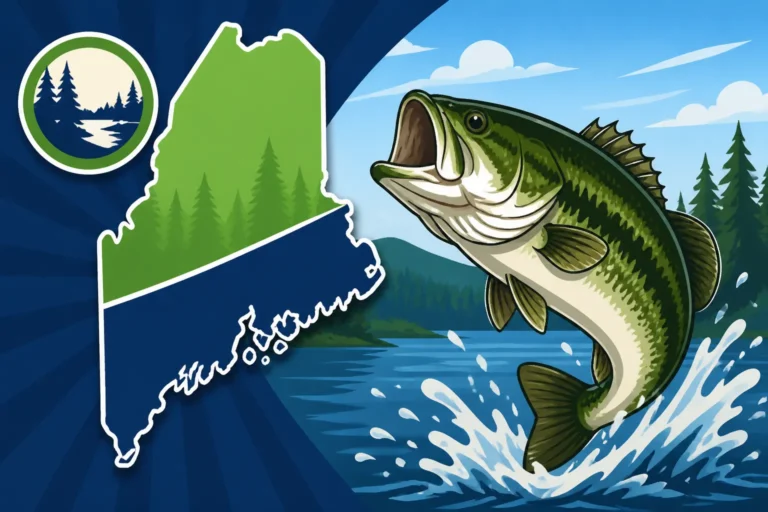
This means before you head out, you should always consult the official Maine Open Water and Ice Fishing Regulations book, available online through the MDIF&W website. This resource is invaluable, especially for identifying if your chosen fishing spot has any unique rules. For example, some waters might be catch-and-release only, while others might have specific season dates that differ from the general statewide season. Our Maine Fishing Regulations Explained guide can help you navigate this complex landscape. Additionally, Maine is divided into a North Zone and a South Zone, each with some distinct regulations regarding seasons and limits, especially for certain species. You can read more about these distinctions in our guide on Maine North Zone vs South Zone Fishing Rules. Always double-check your intended destination!
Bag Limits and Length Limits
Perhaps the most common regulations that anglers encounter are bag limits (how many fish of a certain species you can keep per day) and length limits (the minimum or maximum size a fish must be to be legally kept). These are crucial for managing fish populations and ensuring that enough fish survive to reproduce. Even on a Free Fishing Day, keeping an undersized fish or exceeding your daily limit is a violation.
For example, a common rule for brook trout in many waters might be a daily bag limit of five fish, with a minimum length of six inches. For smallmouth bass in the South Zone, you might be allowed to keep two fish over 14 inches, in addition to a certain number under that size. These specific numbers can change and vary wildly depending on the body of water. Therefore, knowing the exact rules for your chosen spot is non-negotiable. If you're unsure about a fish's size, it's always best to release it unharmed. Take a moment to review our comprehensive Maine Fish Bag Limits Guide to understand what applies to different species throughout the state.
Here's a simplified table illustrating common bag and length limits for popular species. Please note: These are examples and specific rules can vary greatly by water body. Always check the official regulations for your chosen fishing spot.
| Species (Example) | Daily Bag Limit (Example) | Minimum Length (Example) | Slot Limit (Example) |
|---|---|---|---|
| Brook Trout | 5 | 6 inches | N/A |
| Landlocked Salmon | 1 | 14 inches | N/A |
| Lake Trout (Togue) | 2 | 18 inches | N/A |
| Smallmouth Bass | 5 (only 2 over 14 inches) | 10 inches | Over 14 inches (specific rules apply) |
| Striped Bass | 1 | 28-31 inches (slot limit) | 28-31 inches |
Gear and Bait Restrictions
Beyond fish limits, Maine also has specific rules regarding the types of gear and bait you can use. These regulations are designed to protect fish, prevent the spread of invasive species, and ensure fair chase. For example, there are strict limits on how many lines you can fish with simultaneously. For open water fishing, this is generally two lines per angler, as outlined in our Maine Open Water Line Limits guide. During ice fishing, the limit is typically five lines per angler, which you can read about in our Maine Ice Fishing Line Limits guide.
Furthermore, Maine has implemented a ban on the use of lead sinkers and unpainted lead jigs, a critical measure to protect loons and other waterfowl from lead poisoning. This ban is being phased in, with a full ban on all lead jigs under one ounce coming into effect in September 2026. So, if you're stocking up on terminal tackle, it's wise to choose lead-free options now. You can learn more about this important regulation in our guide on the Maine Lead Jig Fishing Ban. Additionally, some waters prohibit the use of live bait, or restrict it to certain types of baitfish, to prevent the introduction of undesirable species. Always be aware of these subtle but important distinctions.
Planning Your Free Fishing Day Adventure
So, you've got the dates, you understand the rules, and now it's time for the fun part: planning your actual fishing trip! A little forethought can make a huge difference, especially for new anglers or families heading out for their first time.
Choosing the Right Location
Maine is absolutely spoiled for choice when it comes to fishing locations, from remote wilderness ponds to easily accessible urban rivers. For Free Fishing Days, especially if you're new to fishing, consider locations that offer easy access and a good chance of success. Small ponds and lakes, particularly those with public boat launches or designated shore fishing areas, are often excellent choices. They tend to be less intimidating than vast, open waters and can provide a more immediate sense of accomplishment.
Look for waters known for species like brook trout, perch, or smallmouth bass, which are generally abundant and eager to bite. The Belgrade Lakes region, for instance, offers many accessible ponds and lakes that are great for family fishing. Similarly, parts of Sebago Lake have excellent shore access and offer diverse fishing. The MDIF&W website often provides stocking reports and public access information, which can be invaluable. Our guide to the Best Fishing Lakes in Maine or even Shore Fishing Access Points in Maine can give you a head start on finding a perfect spot. Don't be afraid to ask for local advice at a bait shop or sporting goods store – Mainers are usually happy to share a tip or two!
Essential Gear and Supplies
You don't need to break the bank to get started with fishing, especially for a Free Fishing Day experience. A basic spinning rod and reel combo, spooled with 6-8 pound monofilament line, is a versatile choice for most freshwater fishing. You can often find decent beginner combos for a very reasonable price. When it comes to terminal tackle, a small selection of hooks (sizes 6-10), split shot sinkers, and a few bobbers will cover most situations.
For bait, live worms are almost universally effective and easy to come by at gas stations or bait shops. Small artificial lures like spinners (e.g., Mepps, Rooster Tail) or soft plastic jigs can also be very productive. Beyond fishing specific gear, remember safety and comfort. A small tackle box, a pair of pliers for hook removal, a tape measure to check fish length, and a cooler with ice for any fish you plan to keep are good additions. For ice fishing, you'll need warm clothing, cleats for traction on ice, and perhaps a small portable shelter. You can find a wide range of affordable and essential fishing gear on platforms like Amazon, from beginner rod and reel combos to basic tackle kits, making it simple to get started without a huge investment.
Preparing for a Successful Trip
Preparation is key to a memorable and enjoyable Free Fishing Day. First, always check the weather forecast for your chosen location. Dress in layers, especially in Maine, where conditions can change rapidly. Bring plenty of water and snacks, and if you're fishing with children, pack extra snacks and activities to keep them engaged. A small first-aid kit is always a good idea.
For those new to fishing, consider watching a few online videos about basic casting techniques or how to tie a simple fishing knot like the Palomar or improved clinch. Practice in your yard beforehand if you can. When you're on the water, take your time. Be patient. Fishing is as much about enjoying the outdoors as it is about catching fish. Teach kids about the ecosystem, identifying different fish species, and the importance of catch and release for fish you don't plan to keep. And remember to pack out everything you pack in, leaving no trace behind. This respect for nature ensures these beautiful spots remain pristine for future generations of anglers.
Transitioning from Free Fishing to Year-Round Angling
Maine's Free Fishing Days are an incredible introduction, but they're just a taste of the year-round opportunities available. Many people find themselves hooked after their first free fishing experience, realizing they want to continue casting lines long after the special weekends have passed. When that happens, it's time to consider getting your own Maine fishing license.
The Value of a Maine Fishing License
Purchasing a Maine fishing license is more than just buying a piece of paper; it's an investment in the future of Maine's fisheries. The funds generated from license sales are directly channeled back into critical programs managed by the MDIF&W. These programs include fish stocking initiatives that replenish lakes and rivers, habitat conservation efforts that protect vital spawning grounds, and scientific research that monitors fish populations to ensure their health and sustainability. Your license fees also support the enforcement of fishing laws, ensuring that everyone plays by the rules and that Maine's natural resources are managed responsibly.
Beyond the conservation aspect, a full-season license grants you the freedom to fish any legal day of the year, opening up countless adventures outside of the two designated free weekends. Imagine discovering a new favorite fishing hole, honing your skills through the different seasons, or planning multi-day trips. It provides peace of mind that you're always legal and always contributing to the vibrant angling culture of the state.
How and Where to Get Your License
When you're ready to make that commitment to year-round angling, getting a Maine fishing license is a straightforward process. The most convenient way for many is to purchase one online directly through the official MDIF&W website. This allows you to buy and print your license from the comfort of your home, often in just a few minutes. It's quick, efficient, and you'll have your license in hand almost immediately.
If you prefer to purchase a license in person, you have several options. Sporting goods stores across the state, such as those found in larger towns like Augusta, Portland, or Bangor, typically serve as license agents. Many town clerks' offices also sell licenses, as do a good number of local convenience stores and bait shops. These local vendors can also be a fantastic source of real-time fishing reports and local advice. Our comprehensive guide on How to Get a Maine Fishing License provides step-by-step instructions for both online and in-person purchases. You can also find detailed information on Where to Buy a Maine Fishing License. Once you have your license, you might find yourself looking for more specialized gear, and Amazon offers a vast selection of fishing electronics, specialized lures, and apparel to enhance your future fishing adventures.
Frequently Asked Questions About Maine Free Fishing Days
Even with all the information out there, people often have specific questions about these special weekends. Let's clear up some common curiosities and misunderstandings to ensure you have all the facts for your free fishing adventure.
Do I Need a Saltwater Fishing Registry?
This is a very common question, and it's an important one to clarify. The good news is that Maine's Free Fishing Days apply to both inland (freshwater) and tidal (saltwater) waters. This means that on these specific weekends, you do not need a separate Maine Saltwater Fishing Registry to fish in the ocean, tidal rivers, or coastal bays. This exemption simplifies things tremendously, allowing you to try your hand at catching striped bass from a pier, mackerel from a rocky outcrop, or even flounder from a kayak without any additional paperwork.
However, just like with freshwater fishing, all other saltwater regulations still apply. This includes bag limits, length limits, and season dates for specific marine species. For instance, the striped bass slot limit of 28 to 31 inches is still in full effect. Always consult the saltwater fishing regulations, even if you're fishing license-free. For more in-depth information on year-round saltwater fishing, you can refer to our Maine Saltwater Fishing Registry Guide.
Can I Fish for Any Species?
During Maine's Free Fishing Days, you can generally fish for any species that is legally open for harvest or catch-and-release in the particular body of water you are fishing. This means you aren't restricted to "beginner" fish; you can target anything from trout and salmon in freshwater to striped bass and groundfish in saltwater, provided they are in season and you adhere to all other regulations.
The critical takeaway here is "legally open." Some specific waters may have closed seasons for certain species, or be designated as catch-and-release only. For example, endangered Atlantic Salmon are strictly catch-and-release only, and targeting them often comes with specific rules. Always verify the regulations for your chosen location to ensure the species you wish to pursue is fair game. This proactive check ensures you stay within legal bounds and contribute to the conservation of all fish populations.
Consequences of Regulations Violations
It's tempting to think that since the fishing is "free," the rules might be a little looser. This couldn't be further from the truth. During Maine's Free Fishing Days, any violation of the established fishing regulations carries the same weight and consequences as it would on any other day of the year. Game wardens are actively patrolling, and they are well-versed in the laws.
If you're caught breaking a rule—whether it's keeping an undersized fish, exceeding a bag limit, using illegal bait, or fishing in a closed area—you could face significant fines. These penalties are not trivial and are designed to deter illegal fishing activities. In some cases, severe or repeated violations could even lead to a suspension of future fishing privileges. The MDIF&W takes the health of its fisheries very seriously. The best way to avoid any unpleasant surprises is to be fully informed about the regulations for your chosen spot, fish ethically, and practice responsible catch and release whenever appropriate.
Disclaimer
The information provided in this guide is intended for general informational purposes only and is subject to change. While we strive to offer accurate and up-to-date content, fishing regulations, season dates, and license requirements are set by the Maine Department of Inland Fisheries and Wildlife (MDIF&W) and can be modified at any time. It is the responsibility of every angler to consult the most current official MDIF&W regulations before engaging in any fishing activity. Always prioritize safety and adhere to all local, state, and federal laws.