How Old Is a Trophy Brook Trout in Maine?
Ah, the quest for a trophy brook trout in Maine – it's a dream many of us carry, a quiet ambition that whispers to us as we tie on a new fly or spool fresh line. There's something truly magical about the possibility of encountering one of these wild, speckled jewels, especially when it's been around long enough to earn the title "trophy." But if you've ever wondered just how old these magnificent fish are when they reach that impressive size, you're not alone. It's a question that delves deep into the secrets of their lives, and understanding it can make your time on the water even more rewarding. This guide is all about peeling back the layers to understand the life, growth, and age of Maine's legendary trophy brook trout.
Understanding the "Trophy" Brook Trout in Maine
When we talk about a "trophy" brook trout here in Maine, we're not just throwing around a fancy term. We're talking about a fish that stands out, one that has defied the odds and grown to an exceptional size, often possessing incredible coloration and a wild spirit. It's the kind of fish that makes your heart pound when you see it rise or feel that distinctive tug on your line.
Defining "Trophy" for Maine Brookies
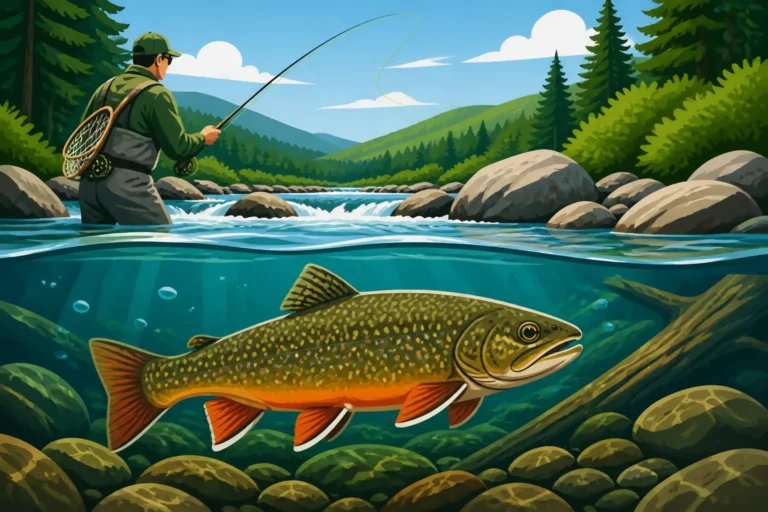
What constitutes a "trophy" brook trout can be a little subjective, but generally, anglers in Maine consider a brook trout over 18 inches to be a true trophy. Some might even push that to 20 inches, especially if we're talking about the truly wild, native populations found in remote ponds and streams. It's not just about length and weight, though those are certainly factors. A trophy brook trout also embodies the spirit of Maine's wild places – it's often a fish with deep, vibrant colors, pristine fins, and a cunning nature that has allowed it to survive for years.
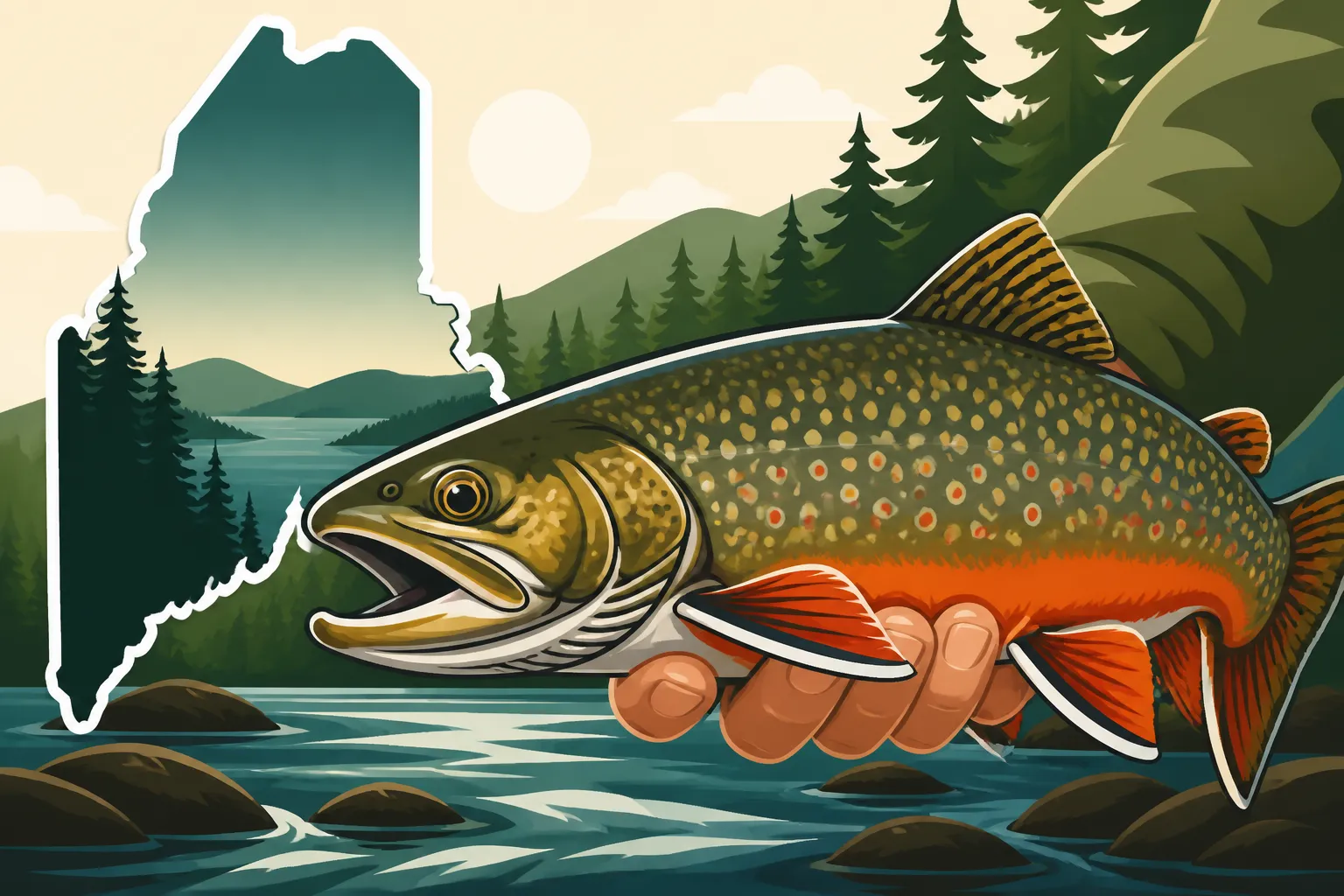
Think about it: these fish aren't just big; they're survivors. They've navigated harsh winters, evaded countless predators, and outsmarted many an angler. Their sheer existence is a testament to the health of their habitat and their own resilience. When you finally hook into one, it's not just a fish; it's a piece of living history, a wild echo of the untouched wilderness. The beauty of these fish, particularly the males during their fall spawning runs, with their fiery orange bellies and intricate vermiculation patterns, is truly something to behold. They are arguably the most beautiful freshwater fish in North America, and a large one is simply breathtaking.
The Elusive Nature of an Old Brook Trout
Here's the rub: old brook trout are exceptionally rare. These fish have a relatively short lifespan compared to some other coldwater species. Most brook trout in typical Maine waters live only 2 to 4 years. For a brook trout to reach "trophy" dimensions, it usually needs to push beyond that average, often into the 5 to 7-year range, and sometimes even a little older in truly exceptional conditions. This extended lifespan is what makes them so elusive.
Why are they so rare? First, their environment is tough. They thrive in cold, clean water, and while Maine has plenty of that, they are also at the mercy of natural fluctuations in water temperature, oxygen levels, and food availability. Second, they face constant predation from birds, mammals, and larger fish. And third, well, there's us! Anglers, despite our best intentions, also contribute to the pressure on these populations. That's why understanding and practicing Catch and Release Best Practices in Maine is so crucial, especially when you're lucky enough to encounter one of these venerable old fish. Every released trophy has a chance to spawn again and contribute its superior genetics to the next generation, ensuring these magnificent fish continue to grace our waters.
Factors Influencing Brook Trout Age and Size
The journey to becoming a trophy brook trout is a complex dance between nature and nurture. Several critical factors play a huge role in how old a brook trout gets and how large it grows during its lifetime in Maine's diverse waters.
Habitat and Food Availability
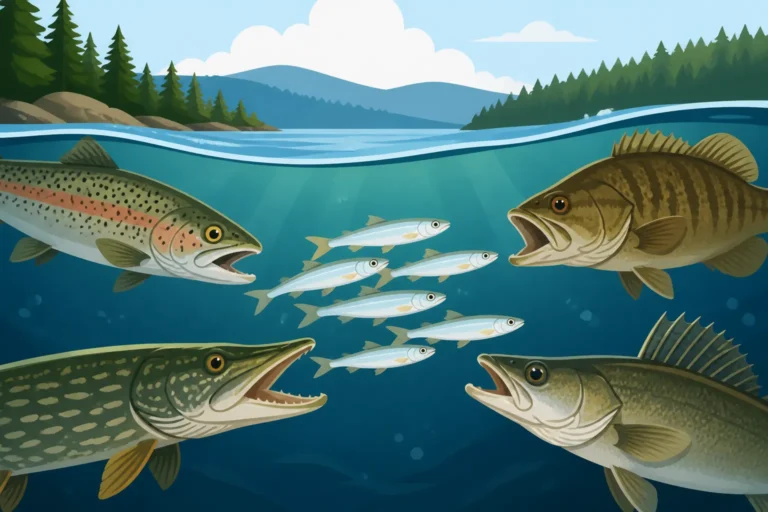
Imagine a perfect brook trout paradise: crystal-clear, oxygen-rich cold water, abundant insect life, plenty of smaller baitfish like minnows or smelt, and protective cover from overhanging banks or submerged logs. This is the kind of habitat where brook trout can truly thrive and grow to impressive sizes. When a stream or pond offers a consistent and diverse food source, combined with stable water temperatures, brook trout don't have to expend as much energy foraging or dealing with environmental stress. This allows them to allocate more energy to growth and survival.
Conversely, in waters with limited food or fluctuating conditions, growth can be stunted. They might reach sexual maturity at a smaller size and earlier age, dedicating their resources to reproduction rather than growth. Where Brook Trout Live in Maine Streams often dictates the quality of their diet; a rich, biodiverse stream or a pond with a healthy smelt population can produce significantly larger fish than a sparse, high-elevation brook. It's like us – if we have good food and a stable environment, we tend to do better overall! You can even find some fantastic resources on aquatic entomology and local fish diets on platforms like Amazon, which can really deepen your understanding of what these fish are feasting on.
Genetics and Water Body Type
Just like people, brook trout have genetic predispositions that influence their potential size and growth rate. Wild, native strains of brook trout, often found in remote, unstocked waters, tend to be hardier and can sometimes achieve larger sizes if conditions are right. These fish have adapted over generations to their specific environments. Stocked fish, while providing great angling opportunities, might not always have the same genetic makeup for extreme longevity or growth.
The type of water body also makes a massive difference. Pond-dwelling brook trout, especially in larger, deeper ponds with good forage, generally grow larger than their stream-dwelling counterparts. A big, cold pond might have a stable population of baitfish and crustaceans, allowing for consistent growth. Streams, while offering fantastic wild fishing, often present more challenges like fluctuating water levels and limited deep-water escape routes, which can keep fish sizes more modest. However, a large, pristine river system can produce some magnificent stream-run brookies. These factors create the unique growth patterns we see across Maine's vast network of fishing spots.
Fishing Pressure and Regulations
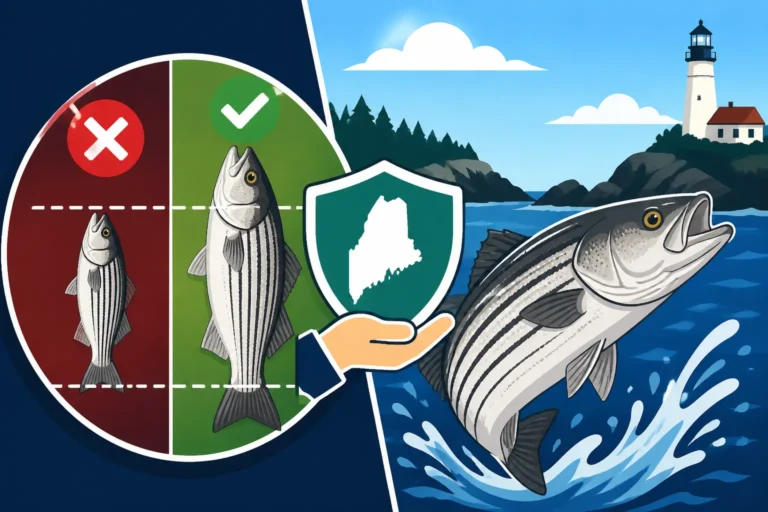
This is where human impact comes into play. Waters that experience heavy fishing pressure, especially if anglers aren't practicing catch and release, will naturally have fewer large, older fish. It's a simple numbers game: if all the bigger fish are kept, there's no chance for them to age further or pass on their genes. This is why Maine Fishing Regulations Explained and specific limits like Brook Trout Size and Bag Limits in Maine are so important. They are designed to protect these fisheries and allow fish to reach older, larger sizes.
Regulations often include length limits (like a minimum length for keeping a fish) or slot limits (where only fish within a certain size range can be kept, protecting both juvenile and trophy-sized fish). Many anglers, myself included, choose to release all brook trout, especially the larger ones, because we understand their value to the ecosystem and the thrill of knowing they're still out there. This ethical approach is vital for sustaining the possibility of catching a true trophy down the road. It ensures that the fish you release today might be the grand catch of tomorrow, or perhaps for another angler years from now.
The Life Cycle and Growth Rate of Maine Brook Trout
Understanding the typical life cycle and growth rate of a brook trout helps shed light on just how remarkable it is for one to achieve "trophy" status in Maine. These fish, while beautiful and robust, often live relatively short, intense lives.
From Egg to Mature Fish
The life cycle of a brook trout begins, usually in the fall, when mature fish seek out gravelly stream beds or spring-fed areas in ponds to spawn. The females deposit their eggs, which the males then fertilize. These eggs are typically buried in a "redd" – a small depression in the gravel. After several weeks or months, depending on water temperature, the eggs hatch into "alevins," tiny fish with a yolk sac still attached, which they rely on for nourishment as they develop.
Once the yolk sac is absorbed, they become "fry" and emerge from the gravel, ready to forage for their own food. They spend their juvenile years as "parr," characterized by vertical bars or "parr marks" along their sides, blending into their surroundings and feeding on small insects and aquatic invertebrates. As they grow, they continue to mature, reaching sexual maturity typically around two or three years of age, though some might spawn earlier if conditions are excellent. It's a perilous journey, and only a fraction of those tiny eggs will ever make it to adulthood, let alone old age.
Typical Growth Patterns and Age Ranges
For most brook trout in Maine, growth is quite rapid in their first couple of years, allowing them to reach a catchable size of 8-12 inches. However, after they reach sexual maturity, much of their energy is redirected towards spawning, which can slow down somatic growth significantly. As mentioned earlier, the majority of brook trout live only 2 to 4 years. A 12-inch brook trout might be 2 or 3 years old, while a 15-inch fish could easily be 3 to 4 years old.
To reach true trophy size – say, 18-20 inches or more – a brook trout needs to be an outlier. These are the fish that have managed to avoid predation, find abundant food, and survive multiple spawning cycles without succumbing to disease or environmental stress. Such a fish could easily be 5, 6, or even 7+ years old. This is an exceptional age for a brook trout, especially compared to their typical lifespan. The longer a fish lives, the more pronounced its growth can be, making these old warriors stand out.
Here's a generalized table showing potential age-to-size relationships for Maine brook trout, keeping in mind that these are highly variable based on habitat and other factors:
| Approximate Age | Typical Length Range (inches) | Notes |
|---|
Disclaimer
This article is for general informational purposes only and does not constitute professional advice. Laws, prices and regulations vary by location and change over time. Consult a qualified professional for guidance on your specific situation.