Is the Brook Trout Maine’s State Fish?
There's a common misconception among anglers, especially those just discovering the magic of Maine's waterways, about which fish holds the esteemed title of our state fish. Many assume it's the feisty, colorful brook trout, a true emblem of our pristine wilderness. But the truth might surprise you, and this guide is here to clear up that confusion and celebrate both species that make Maine such an incredible fishing destination.
The Official State Fish of Maine: A Clarification
It’s easy to understand why the brook trout often gets mistaken for Maine’s official state fish. It’s arguably one of the most beloved and visually stunning fish that graces our waters, epitomizing the wild beauty many associate with the Pine Tree State. However, the actual official state fish of Maine is a different, equally magnificent species.
Revealing Maine's True Aquatic Emblem
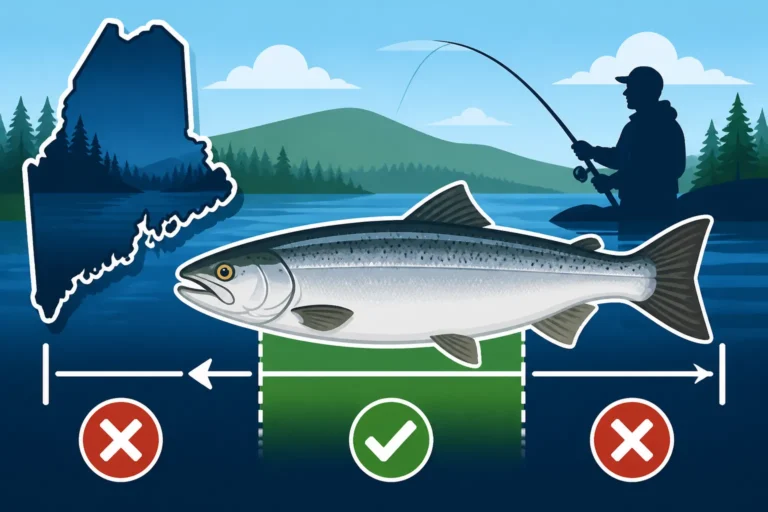
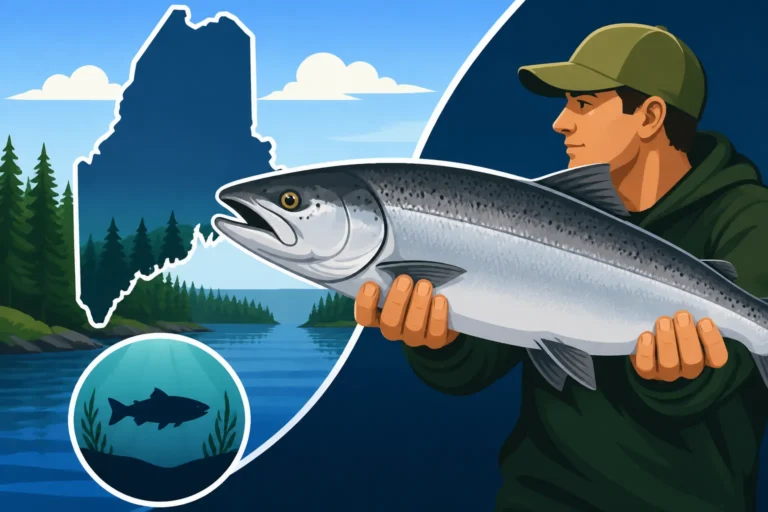
Surprise! The official state fish of Maine is actually the Landlocked Salmon. This designation might not be as widely known as some other state symbols, but it holds a deep historical and ecological significance for our state. The Landlocked Salmon isn't just any salmon; it's a unique freshwater-bound variant of the Atlantic salmon, a species deeply intertwined with Maine's identity and natural heritage. These fish, often found in our larger, colder lakes and rivers, are renowned for their strength, acrobatic fights, and the challenge they present to even the most seasoned angler.
Their presence in Maine’s vast lake systems, like Sebago Lake, Moosehead Lake, and the Rangeley Lakes, has drawn anglers from far and wide for generations. The mystique of pursuing a hard-fighting salmon in a serene freshwater environment is a quintessential Maine experience. This fish isn't just a trophy; it represents the resilience and unique ecological niches within Maine's freshwater ecosystems, making its official state status a well-deserved honor. You can learn more about this iconic species in our Landlocked Salmon Fishing in Maine guide.
The Brook Trout: Maine's Unofficial Sweetheart
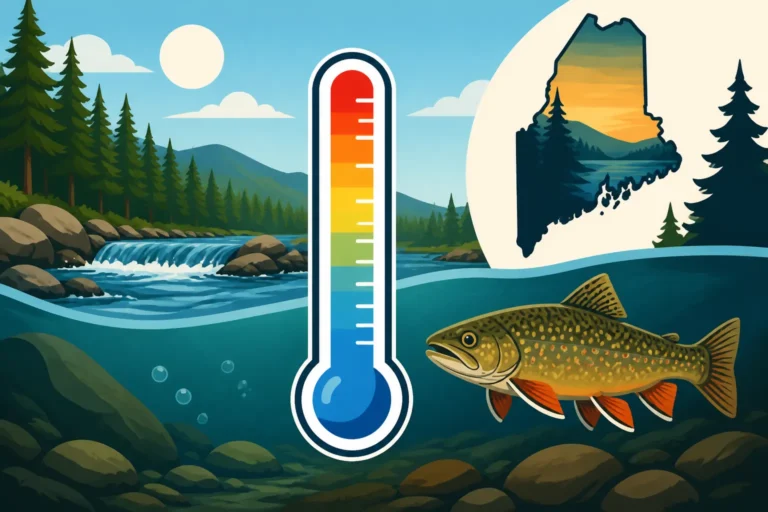
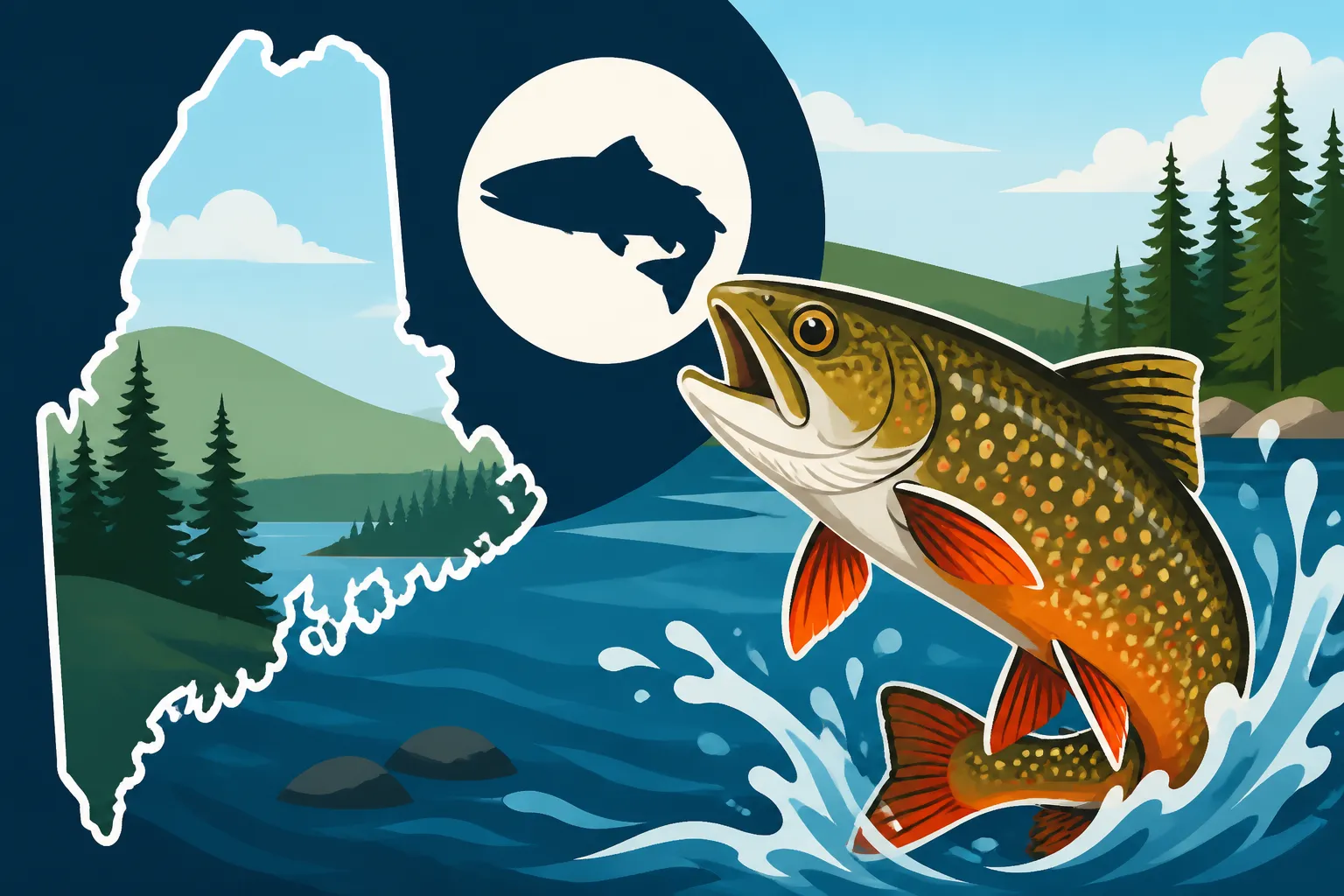
Despite the official title belonging to the Landlocked Salmon, the brook trout holds a special, almost sacred place in the hearts of most Maine anglers. It's truly Maine's unofficial sweetheart. When people picture fishing in Maine, they often conjure images of vibrant brook trout pulled from clear, cold streams nestled deep in the woods or from quiet, remote ponds. These fish are not only breathtakingly beautiful with their kaleidoscope of colors – vermillion spots, white-edged fins, and worm-like markings – but they are also incredibly responsive to flies and lures, making them a joy to pursue.
The connection people feel with the brook trout goes beyond just fishing; it's about the entire experience. It's the journey into the wilderness, the sound of rushing water, the scent of pine, and the sudden, exhilarating tug on your line. For many, catching a wild brook trout represents a pure, unspoiled connection to nature that few other species can offer. It's the fish that often introduces young anglers to the sport and instills a lifelong love for Maine's outdoors. This deep affection and pervasive presence in our smaller, more accessible waters is precisely why so many instinctively believe it to be our state fish.
Why the Brook Trout Reigns Supreme in Anglers' Hearts
The allure of the brook trout in Maine is undeniable, and it stems from a combination of its native status, its vibrant beauty, and the unparalleled fishing experience it offers. For many, it's the true spirit of Maine's freshwater fishing, regardless of any official decree.
A Native Legend in Maine's Waters
What truly sets the brook trout apart and endears it to so many is its status as a native species to the region. Unlike some other game fish that have been introduced or extensively stocked, the brook trout has thrived in Maine's cold, clean waters for thousands of years. They are a natural part of our aquatic landscape, adapting and evolving with the ebb and flow of our rivers, streams, and ponds. This deep indigenous connection lends a special reverence to every brook trout caught. You can trace its origins in our state by exploring the Brook Trout Native Range in Maine.
There’s an authentic thrill that comes from landing a fish that has spent its entire life in a truly wild environment. Their iridescent colors, from olive green to brilliant orange and red, seem to perfectly reflect the autumnal forests or the moss-covered rocks of their habitat. They are aggressive eaters, readily rising to a well-presented dry fly or striking a small spinner, providing instant gratification and excitement for anglers of all skill levels. They represent not just a fish, but a thriving ecosystem and a testament to Maine's conservation efforts.
Iconic Habitat and Fishing Experience
The habitat of the brook trout is often as captivating as the fish itself. These stunning char prefer cold, clear, oxygen-rich waters, making them perfect indicators of water quality. You’ll find them in the smallest, most secluded mountain streams, tucked away under alder branches, or lurking in the deep pockets of crystal-clear ponds that require a hike, a canoe paddle, or even a floatplane to reach. The pursuit of brook trout often means venturing into truly wild and breathtaking landscapes, far from the hustle and bustle of everyday life. It's not just about the catch; it's about the solitude, the pristine surroundings, and the sense of adventure.
Imagine paddling across a glass-smooth pond at dawn, mist rising off the water, the only sound the dip of your paddle or a loon's call. Or wading silently up a shaded stream, casting a tiny fly to a bubbling riffle, hoping for that tell-tale splash. These experiences are fundamental to the identity of Maine fishing. It's no wonder that anglers seek out these experiences, often returning to the same hidden gems year after year. These special places are often highlighted in resources like Best Remote Ponds for Brook Trout in Northern Maine, offering glimpses into some of the most rewarding fishing Maine has to offer.
Understanding Maine's Fish Designations and Their Importance
While the debate over "state fish" might seem like a trivial point of pride, these designations actually play a crucial role in how we manage and appreciate our natural resources in Maine.
Beyond State Symbols: Conservation and Management
Official state fish designations, along with all the various species-specific regulations, are far more than just symbolic; they are vital tools in the ongoing efforts for conservation and sound fisheries management. When a species is recognized at a state level, it often brings increased attention and resources towards its protection, research, and habitat preservation. The Landlocked Salmon, as the official state fish, receives dedicated focus to ensure its populations remain healthy and its unique genetics are preserved in Maine’s specific lake systems.
Similarly, the brook trout, particularly the wild, native strains, are meticulously managed by the Maine Department of Inland Fisheries and Wildlife (MDIFW) through various regulations. These regulations might include specific bag limits, length limits, or even special gear restrictions on certain waters, all designed to protect and enhance these invaluable populations. For instance, understanding Brook Trout Daily Bag Limits is essential for any angler heading out, ensuring we all contribute to sustainable fishing practices. These rules are put in place not to restrict enjoyment, but to safeguard the future of these cherished fish, allowing future generations to experience the same joys we do today. This commitment to careful management is laid out clearly in guides like Maine Fishing Regulations Explained.
The Cultural Significance of Both Species
Both the Landlocked Salmon and the brook trout contribute immensely to Maine's cultural fabric and its identity as a premier fishing destination. The Landlocked Salmon represents the pinnacle of freshwater sport fishing, drawing serious anglers who seek the thrill of a powerful, elusive fish. It symbolizes Maine's rugged, wild beauty and the unique ecological features of its larger lakes. Salmon fishing often involves specialized techniques like trolling, requiring specific gear and knowledge, making it a challenging and highly rewarding pursuit. The annual salmon derbies on lakes like Sebago often become community events, celebrating this prized fish.
On the other hand, the brook trout embodies the quintessential Maine wilderness experience. It's about accessibility to beautiful waters, the simplicity of a stream-side cast, and the serene joy of connecting with nature. For many, fishing for brook trout is a cherished family tradition, a way to introduce children to the outdoors. It represents the simpler pleasures of life in Maine, reflecting the state's deep respect for its natural environment. Whether you're chasing the "king of freshwater fish" or seeking the jewel-toned "brookie," both species help define what it means to fish in Maine.
Equipping Yourself to Pursue Maine's Beloved Fish
Whether your heart is set on the official state fish or Maine's unofficial darling, having the right gear is key to a successful and enjoyable outing. You don't need to break the bank, but being prepared makes all the difference.
Gear Up for Trout and Salmon Adventures
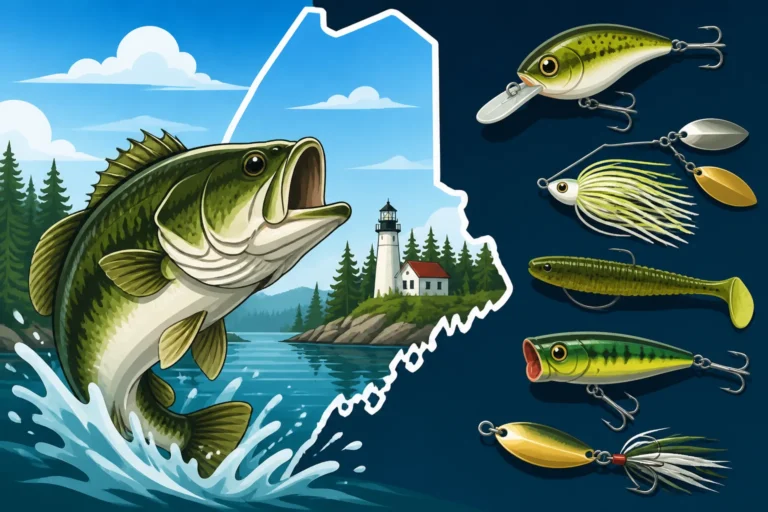
For those dreaming of battling a powerful Landlocked Salmon, your gear choices will likely lean towards sturdy spinning or baitcasting setups, often with specialized trolling gear if you're targeting them in deeper lake waters. Medium-light to medium action rods, paired with reels spooled with appropriate line, are typical. Lures for salmon often include spoons, stickbaits, and even live bait rigs. When searching for reliable tackle, many anglers turn to online retailers like Amazon, where you can find everything from line counter reels to a wide array of spoons and flies. Checking out guides like Best Lures for Landlocked Salmon can give you an edge in selecting effective tackle.
If brook trout are your quarry, especially in smaller streams or remote ponds, lighter is often better. A light-action spinning rod with a small reel, spooled with light monofilament line, is perfect for casting small spinners, worms, or crickets. For the purist, a lightweight fly rod (3-5 weight) with a matching reel and a selection of dry flies, nymphs, and small streamers offers an unmatched experience. The joy of fly fishing for brook trout in a pristine Maine stream is truly something special. You can explore effective bait choices in our Best Bait for Brook Trout article, and rest assured, you can find a lot of these essential items, from waders to fly boxes, on platforms like Amazon.
Respecting the Resource: Catch and Release
No matter which species you're targeting, practicing responsible angling, especially catch and release, is paramount to ensuring the health and abundance of Maine's fish populations. This is particularly true for our native brook trout and the often-vulnerable Landlocked Salmon. The goal isn't just to catch a fish; it's to participate in a sustainable sport that protects our natural heritage.
When you do decide to release a fish, handle it gently with wet hands, minimize its time out of water, and revive it carefully before letting it swim away strong. This simple act helps preserve the natural balance and ensures that these magnificent fish continue to thrive in Maine's waters for generations to come. Education on best practices, such as those outlined in Catch and Release Best Practices in Maine, is a vital part of every angler’s journey. Ultimately, our love for these fish means doing everything we can to protect them, whether they’re the official state fish or the beloved brook trout.
Disclaimer
This article is for general informational purposes only and does not constitute professional advice. Laws, prices and regulations vary by location and change over time. Consult a qualified professional for guidance on your specific situation.