Maine Atlantic Salmon Restoration Efforts
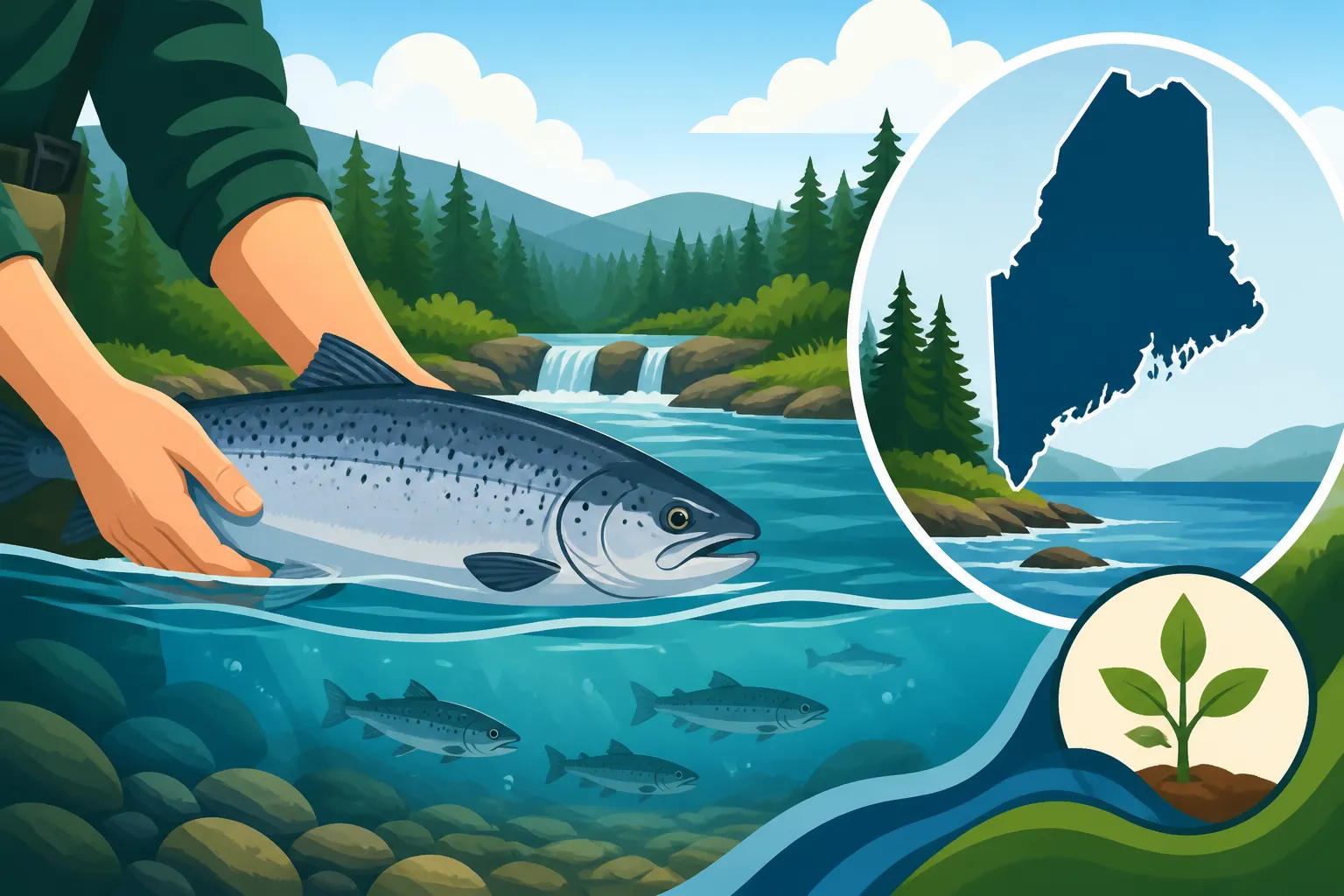
Oh, the Atlantic salmon. For so many of us who cherish Maine's wild places and pristine waters, the mention of this iconic fish stirs a mix of awe, nostalgia, and a profound sense of responsibility. We've all heard the stories from our grandparents or read the old texts describing rivers teeming with these magnificent creatures, a sight that’s almost impossible to imagine today. The truth is, Maine's wild Atlantic salmon populations have faced an uphill battle for centuries, dwindling to alarmingly low numbers. This guide isn't just a history lesson; it's a deep dive into the tireless, hopeful efforts being made right now to bring these incredible fish back home, and what that means for the future of our precious Maine waterways.
The Heartbreaking Decline of Maine's Atlantic Salmon
It’s tough to talk about Atlantic salmon in Maine without acknowledging the harsh reality of their decline. For generations, these fish were a keystone species, not just for the ecosystem but for the people of Maine. They were a source of food, a cultural touchstone, and an indicator of healthy rivers. But their journey has been fraught with peril, pushing them to the brink.
A Legacy of Abundance Turned Scarcity
Imagine rivers so thick with migrating salmon that you could almost walk across their backs. That's not hyperbole; historical accounts speak of incredible abundance, particularly in rivers like the Penobscot. Atlantic salmon are anadromous, meaning they're born in freshwater, migrate to the ocean to grow, and then return to their natal rivers to spawn. This incredible life cycle connected our inland forests with the vast Atlantic, creating a rich ecological tapestry. But European settlement and industrialization brought massive changes that this ancient species simply couldn't withstand. The sheer scale of their past presence makes their current rarity even more poignant.
The Impact of Early Industrialization and Dams
The biggest culprit in the salmon's decline was, without a doubt, the damming of our rivers. From the late 17th century onwards, Maine's waterways became powerhouses for lumber mills, gristmills, and later, hydroelectric generation. Each dam was a literal wall, blocking the salmon's upstream migration to their spawning grounds. Even if a fish ladder was eventually installed, many were ineffective, or the sheer number of dams created an exhausting gauntlet. Downstream migration wasn't any easier, with young salmon, or smolts, often being chewed up by turbines. Add to this the pollution from industries, unregulated fishing, and widespread habitat degradation, and you have a perfect storm that devastated populations. The sheer lack of foresight in those early days, though understandable given the economic drivers, left an enduring scar on our natural heritage.
Overfishing and Habitat Degradation
While dams were a primary factor, they weren't the only pressure point. Unregulated commercial and recreational fishing, both in freshwater and at sea, took a significant toll before conservation ethics became widespread. People simply didn't understand the finite nature of these resources. On land, logging practices, agricultural runoff, and the unchecked development along riverbanks led to siltation, increased water temperatures, and altered river flows – all detrimental to salmon eggs and juvenile fish that require cold, clear, gravelly streambeds. It was a compounding problem, each human activity chipping away at the resilience of the Atlantic salmon.
Pivoting Towards Modern Restoration Strategies
The realization that wild Atlantic salmon were truly endangered sparked a shift from simply managing a fishery to actively trying to restore a species. This wasn't an easy transition, moving from a mindset of harvest to one of careful nurturing and habitat repair. It required new science, new policies, and a monumental amount of collaboration.
The Role of Hatchery Programs
For decades, one of the primary strategies was "put-and-take" stocking from hatcheries. The thinking was, if wild fish couldn't survive, we'd just raise them in captivity and release them. Maine has several hatcheries, including the Downeast Salmon Federation's facilities and federal hatcheries, that have played a crucial role. While stocking can help maintain a genetic lineage and provide some recreational opportunities, it often falls short of truly restoring wild, self-sustaining populations. Hatchery-raised fish can sometimes be less resilient or "river-smart" than their wild counterparts when faced with natural predators and harsh environmental conditions. However, carefully managed stocking programs, especially those focused on introducing genetically diverse fish into suitable restored habitats, remain a vital part of the overall strategy, particularly for establishing new populations in reconnected rivers.
The Paradigm Shift: From Stocking to Habitat
The major turning point in salmon restoration thinking was the growing understanding that without healthy, accessible habitat, stocking alone was a band-aid solution. You can put as many fish as you want into a river, but if they can't reach their spawning grounds, or if those grounds are degraded, the effort is largely in vain. This realization moved the focus from simply raising fish to actually healing the rivers themselves. It meant confronting the enormous challenge of dam removal, improving water quality, and restoring riparian zones (the land alongside rivers). This shift marked a mature approach, recognizing that the fish are inextricably linked to their environment. It meant thinking holistically about the entire river ecosystem.
Dam Removal and Fish Passage Initiatives
Perhaps the most dramatic and impactful strategy in recent years has been dam removal. It sounds extreme, and it is, but it's proven to be incredibly effective. Removing old, obsolete dams that no longer serve a significant economic purpose instantly reconnects vast stretches of river, opening up miles of pristine spawning and rearing habitat that have been inaccessible for centuries. For dams that must remain, improving fish passage is critical. This involves designing state-of-the-art fish lifts, bypass channels, and efficient fish ladders that truly work, unlike many of the older designs. These modern solutions ensure that both adult salmon migrating upstream and smolts heading downstream can navigate past obstacles safely. The Penobscot River project is a shining example of how this can revolutionize a river's health, which we'll explore in a moment.
Maine has made considerable progress in this area, with many communities now understanding the ecological and economic benefits that come with free-flowing rivers and vibrant fisheries. This isn't just about salmon; it benefits alewives, shad, and other migratory species too, creating a healthier food web from the smallest invertebrates to the largest raptors. It's a challenging and often expensive endeavor, requiring significant planning and funding, but the long-term payoff is undeniable.
Iconic Maine Rivers and Their Restoration Narratives
Maine is blessed with numerous rivers that historically supported Atlantic salmon. Each one tells a unique story of decline and, now, of hopeful recovery. The scale of these efforts is truly monumental, often involving federal, state, tribal, and private organizations working together.
The Penobscot River Restoration Project: A Blueprint for Success
The Penobscot River is, without a doubt, the crown jewel of Maine's Atlantic salmon restoration efforts. Once home to an estimated 75,000 to 100,000 salmon annually, it suffered immensely from a cascade of dams. The Penobscot River Restoration Trust, a coalition of state, federal, tribal, and conservation groups, spearheaded a groundbreaking project that completed its major work over a decade ago. It involved removing two mainstem dams (Veazie and Great Works) and bypassing a third (Howland Dam).
This wasn't just about taking out concrete; it was an intricate legal and financial arrangement that allowed hydropower generation to continue at other points on the river. The results have been nothing short of spectacular. Miles of historic habitat were reconnected, leading to a dramatic increase in migratory fish populations, including Atlantic salmon. While still a long way from historical numbers, the Penobscot serves as a powerful testament to what focused, collaborative conservation can achieve. It's truly a success story that inspires efforts across the country and even internationally. You can read more about it in depth in our guide, Penobscot River Atlantic Salmon Restoration.
The Kennebec River's Ongoing Journey
The Kennebec River also once boasted robust salmon runs, stretching far inland. Its history, like the Penobscot's, is marked by industrialization and dam construction. While dam removal on the Kennebec hasn't been as extensive as on the Penobscot, significant efforts have been made to improve fish passage, particularly at structures like the Lockwood Dam in Waterville and the Benton Falls Dam. These projects have reopened habitat for various species, but salmon still face significant challenges further upstream.
The fight continues on the Kennebec, with ongoing discussions and sometimes heated debates about the future of its remaining dams. Conservation groups and agencies are constantly advocating for better fish passage and, where feasible, dam removal to fully restore the river's ecological potential. Anglers eager to explore this historic waterway can find many Kennebec River Fishing Access Points in Maine where they can witness the recovery firsthand.
Efforts in Other Maine Tributaries
Beyond the major rivers, countless smaller streams and tributaries are critical for Atlantic salmon. Many of these smaller waters provide crucial spawning and nursery habitats for juvenile salmon before they embark on their ocean migration. Restoration efforts here often focus on removing smaller culverts that act as barriers, stabilizing eroded stream banks, planting native vegetation for shade and habitat structure, and improving water quality.
These localized projects are vital. They might not grab headlines like a major dam removal, but they collectively make a huge difference, creating a network of healthy waters that salmon can utilize. Organizations like the Downeast Salmon Federation are particularly active in restoring these smaller coastal rivers in eastern Maine, proving that every little bit of restored habitat contributes to the larger goal.
The Lingering Challenges and Unseen Hurdles
Despite the heroic efforts and significant investments, the path to full Atlantic salmon recovery is still fraught with challenges. The problems aren't just in our rivers; they extend far out into the vast, unpredictable ocean.
The Mystery of Ocean Survival
One of the most perplexing and frustrating aspects of Atlantic salmon restoration is the high mortality rates they experience once they leave freshwater and enter the marine environment. While we've made strides in improving riverine habitat, the number of salmon returning to spawn is still far lower than expected, suggesting that something is happening out in the ocean. This "ocean survival" puzzle is a complex one, likely influenced by a myriad of factors.
Predation by seals and other marine animals, changes in ocean currents and food availability due to climate change, and interactions with commercial fisheries (even those targeting other species) are all thought to play a role. Scientists are working diligently, using satellite tags and genetic studies, to track salmon movements and understand these ocean-based challenges, but it's like searching for a needle in a haystack across thousands of miles of open water. This makes the riverine habitat even more critical – the stronger and healthier the smolts are when they enter the ocean, the better their chances of survival.
Climate Change and Habitat Resilience
The specter of climate change looms large over all conservation efforts, and Atlantic salmon are particularly vulnerable. As cold-water species, they rely on specific water temperatures for survival, spawning, and egg development. Warmer air temperatures lead to warmer stream temperatures, reducing the amount of suitable habitat, especially during critical summer months when young salmon are growing. Changes in rainfall patterns can lead to more intense floods or prolonged droughts, both of which can scour spawning beds or leave juvenile fish stranded.
Building "climate resilience" into restoration plans is paramount. This means not just removing dams but also restoring forested buffers along rivers to provide shade, creating diverse in-stream habitats that offer refuge during heat waves, and managing watersheds to mitigate the impacts of extreme weather. It’s a battle not just against historical damage but against future environmental shifts, demanding adaptive and forward-thinking strategies.
Funding and Long-Term Commitment
Restoration isn't cheap, and it isn't a short-term fix. It requires sustained funding for everything from scientific research and habitat projects to public education and enforcement. Federal grants, state budgets, and private donations all play a crucial role. Maintaining this commitment over decades, through changing political climates and economic downturns, is a significant challenge.
There's also the delicate balance of economic development versus conservation. While many Mainers now recognize the value of healthy rivers, some projects still face opposition due to perceived economic impacts. Educating the public about the long-term benefits – from tourism and recreation to a healthier environment for everyone – is an ongoing task. Organizations often have to leverage resources, sometimes even for basic educational materials that can be found on platforms like Amazon, to get the message out about why these efforts are so vital. It’s about cultivating a deep, generational commitment to bringing these fish back.
How Anglers and Communities Can Support the Cause
Bringing back the Atlantic salmon isn't just a job for scientists and government agencies; it's a collective responsibility. Anglers, local communities, and anyone who appreciates Maine's natural beauty have a vital role to play.
Becoming Informed and Advocating
The first step is always to educate yourself. Understanding the life cycle of Atlantic salmon, the specific challenges they face, and the regulations designed to protect them is crucial. Our guide on Maine Fishing Regulations Explained is a great place to start. Know which rivers are closed to fishing for salmon, and why. Be aware of the ongoing projects in your area.
Beyond personal knowledge, become an advocate. Support organizations dedicated to salmon restoration, like the Atlantic Salmon Federation, the Downeast Salmon Federation, or local river conservation groups. Write to your elected officials, attend public meetings, and speak up for policies that protect and restore habitat. Your voice matters, especially when it comes to long-term funding and policy decisions that affect these vulnerable fish.
Supporting Conservation Groups and Initiatives
There are many fantastic non-profits working tirelessly on the ground to restore Atlantic salmon. These groups conduct scientific research, organize volunteer habitat restoration days, and engage in vital advocacy. Whether it's through donations, volunteering your time, or simply spreading the word, your support is invaluable.
For example, volunteering for a stream clean-up or helping with riparian planting efforts can have a direct, tangible impact on local salmon habitat. Many organizations also offer educational programs that can deepen your understanding and connect you with like-minded individuals. Even purchasing educational materials or gear that supports conservation efforts, perhaps through online retailers, can contribute to the larger cause. Look for organizations that are transparent about their work and show clear, measurable results in their efforts.
Responsible Angling Practices
Even though fishing for wild Atlantic salmon is generally prohibited in Maine's rivers (with very few, highly regulated exceptions, primarily focusing on catch and release), responsible angling practices benefit all fish species and contribute to healthier ecosystems. If you're fishing for other species in a river that might also hold juvenile or adult salmon, practice careful catch and release. This means handling fish gently, minimizing their time out of water, and using appropriate tackle to avoid undue stress. Our guide on Catch and Release Best Practices in Maine provides excellent tips for ensuring the fish you release have the best chance of survival.
Beyond direct interaction, simply being a conscientious steward of our waters is important. Pack out what you pack in, avoid disturbing sensitive spawning areas, and report any suspicious activity (like poaching) to Maine Fish and Wildlife Wardens. Every angler has a role in protecting the future of our incredible waterways and the precious fish that call them home. The dream of abundant wild Atlantic salmon in Maine rivers is a long game, but with continued dedication and collaboration, it’s a dream we can collectively turn into a reality.
Disclaimer
This article is for general informational purposes only and does not constitute professional advice. Laws, prices and regulations vary by location and change over time. Consult a qualified professional for guidance on your specific situation.