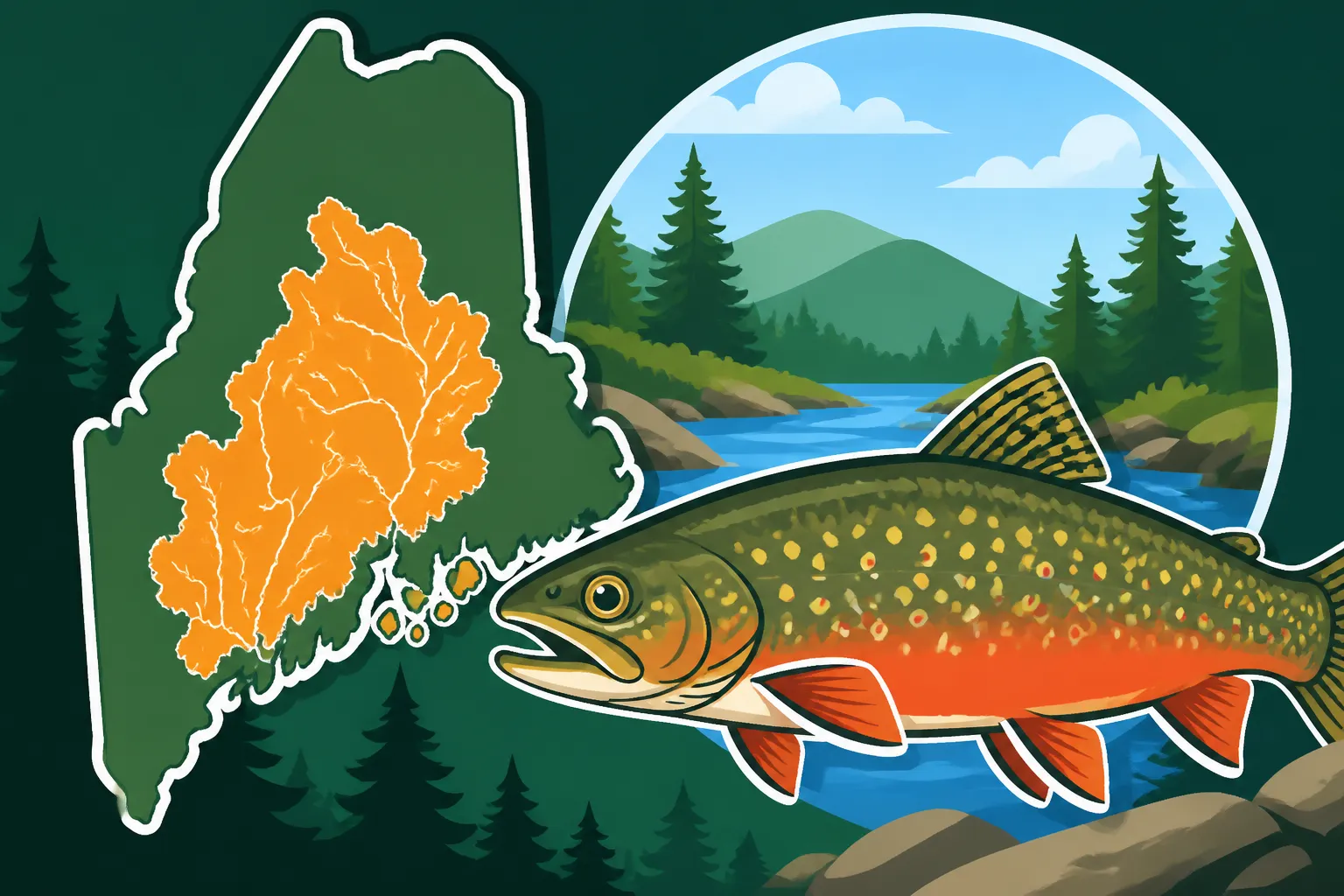
Brook Trout Native Range in Maine
There’s a unique thrill that comes with chasing brook trout in Maine, but for many anglers, the dream isn't just about catching any brook trout; it’s about finding those truly native, wild fish that have carved out an existence in our pristine waters for millennia. It can be incredibly frustrating to spend hours on the water, only to wonder if your catch came from a hatchery truck or a true, self-sustaining population. This guide will take a deep dive into the native range of brook trout across our beautiful state, helping you understand where these resilient fish truly thrive and how you can experience the magic of fishing for them responsibly.
The Allure of Maine's Native Brook Trout
There's something deeply personal and almost spiritual about connecting with a fish that has never known the confines of a hatchery. Native brook trout are a living testament to the health and purity of Maine's wild places, a vibrant thread in the ancient tapestry of our ecosystems. For many, catching one of these vibrant, naturally spawned fish is the pinnacle of the angling experience, far surpassing the size or numbers of hatchery-reared counterparts. Their dazzling colors, the fierce fight in their small bodies, and the sheer effort required to reach their secluded haunts make them truly special.
Understanding "Native" vs. "Wild" vs. "Stocked"
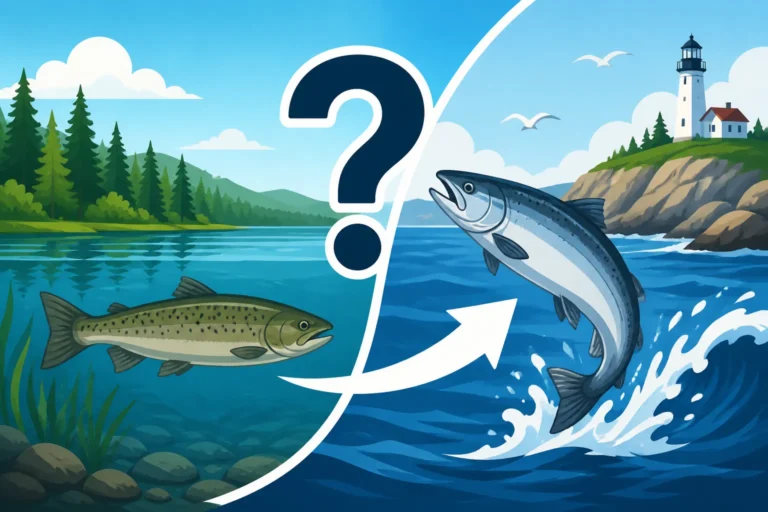
Before we can truly appreciate the native range, it’s vital to clarify what we mean by "native," "wild," and "stocked," because these terms are often used interchangeably, leading to a lot of confusion. A stocked fish is exactly what it sounds like: a fish raised in a hatchery and then released into a body of water by humans. These fish, while providing excellent angling opportunities, are not necessarily adapted to the wild environment and rely on continued stocking efforts. You'll often find these in easily accessible ponds or lakes.
A wild fish, on the other hand, is one that was born and raised in the water you caught it from, having hatched from an egg deposited by a parent in that same natural environment. It's a fish of natural reproduction. Now, here's where "native" comes in: a native fish is a wild fish that belongs to a lineage that has naturally occurred in that specific water body or region since pre-colonial times, without any human introduction. So, a wild brook trout in a stream where its ancestors have always lived is a native brook trout. A wild brook trout born in a pond that was stocked with brook trout many decades ago, but where brook trout weren't originally present, would be considered wild but not native to that specific spot. The distinction is subtle but incredibly important for conservation and appreciating the true heritage of a fishery.
Why Native Trout Hold Such a Special Place
The sheer resilience and beauty of a native brook trout are unparalleled. These fish are often smaller than their hatchery-bred cousins, but what they lack in size, they make up for in vibrance, fight, and a connection to an untouched landscape. They are perfectly adapted to their environment, showcasing unique color patterns that reflect the specific forage and water conditions of their home. Catching a native brook trout isn't just about landing a fish; it's about finding a piece of living history, a direct link to the pristine wilderness that Maine is so famous for. It's a challenging endeavor that takes you to truly wild places, far from the crowds, often requiring long hikes and careful planning. The reward isn't just the fish; it's the entire experience of solitude, natural beauty, and the satisfaction of knowing you’ve respected and found a truly wild creature. You’ll find more details on this quest in our guide to Brook Trout Fishing in Maine.
Historical Strongholds and Geographic Distribution
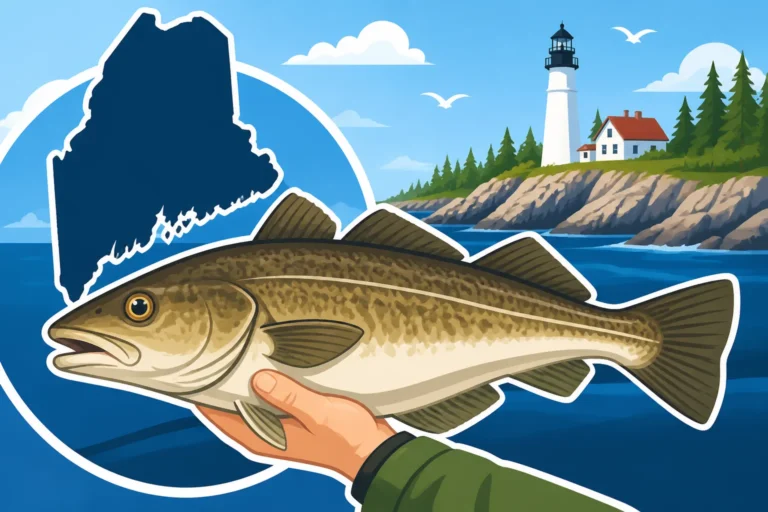
Maine is incredibly fortunate to be home to the largest remaining concentration of wild brook trout populations in the Eastern United States. This isn't by accident; our vast, undeveloped forests, thousands of coldwater lakes and ponds, and intricate network of streams provide the ideal conditions these sensitive fish require. While brook trout were once widespread across much of the eastern seaboard, human development, habitat degradation, and the introduction of competing fish species have drastically reduced their range elsewhere. Maine stands as a last bastion, a true sanctuary.
The Unbroken Wilderness of Northern Maine
When we talk about the native range of brook trout in Maine, the mind immediately goes to the sprawling, unbroken wilderness of the state's northern reaches. This vast expanse, particularly the remote regions of Aroostook, Piscataquis, and Somerset counties, is the heartland of native brook trout. Here, you'll find countless ponds and streams that have never been stocked, where brook trout have reproduced naturally for thousands of years. The sheer remoteness of these areas has protected them from many of the threats faced by southern waters. Think of places like the Allagash Wilderness Waterway, the countless ponds nestled deep within the North Maine Woods, or the headwaters of major river systems. These areas offer the quintessential native brook trout experience, though accessing them often requires significant planning, a sturdy vehicle, and sometimes even float plane access.
Remnant Populations in Southern and Central Maine
While northern Maine holds the largest intact native populations, it would be a mistake to assume native brook trout are absent elsewhere. Pockets of resilient native brook trout exist in smaller, isolated spring-fed ponds and cold, high-gradient streams in the mountainous regions of western Maine and even in some surprising areas further south. These are often small, hidden gems – sometimes just a few miles of stream in a protected watershed or a small, cold pond tucked away from roads. Finding these southern and central Maine populations can be even more challenging, as they are often more vulnerable to habitat loss and competition from other species. However, the reward of discovering such a localized, resilient population is immense. Anglers often keep these spots a closely guarded secret, which is a testament to their fragile nature and the respect they command. For more on distinguishing these fish, check out Stocked vs Wild Brook Trout in Maine.
Key Water Systems and Drainages
Maine's geography, with its diverse array of lakes, ponds, rivers, and streams, creates a complex network of habitats. Major river systems like the Penobscot, Kennebec, and St. John, while often warmer in their main stem, have numerous coldwater tributaries and headwater ponds that are vital for native brook trout. The Rangeley Lakes region, famous for its grand fishing heritage, still holds significant native populations in its feeder streams and smaller, high-elevation ponds. The Moosehead Lake region, while known for its larger gamefish, is surrounded by an intricate web of smaller waters that harbor native brook trout. Understanding the larger drainage systems is key to identifying potential native trout waters, as these systems often connect remote, pristine areas with downstream sections. It's in the smaller, less-traveled brooks and feeder streams, often nestled within these larger systems, where you'll most frequently encounter these wild beauties.
The Critical Elements of Native Brook Trout Habitat
Native brook trout are incredibly particular about their living conditions. They are often considered an "indicator species," meaning their presence or absence tells us a lot about the overall health and quality of an aquatic ecosystem. They demand specific environmental characteristics that, when met, allow them to thrive and reproduce naturally. If any of these critical elements are compromised, their populations quickly decline.
Pristine Coldwater Requirements
The single most important factor for native brook trout is cold, clean water. Brook trout are salmonids, and like all members of this family, they require water temperatures that rarely exceed the mid-60s Fahrenheit. Ideally, they prefer water in the 50-60 degree range. This is why you'll find them predominantly in spring-fed ponds, high-elevation mountain streams, and the headwaters of river systems where groundwater seeps are abundant, providing a constant source of cold water even during the hottest summer months. These fish cannot tolerate warm water for extended periods; it stresses them, makes them vulnerable to disease, and can prevent successful spawning.
The purity of the water is also paramount. Native brook trout streams are often characterized by minimal pollution, low turbidity, and healthy oxygen levels. Siltation from logging or agricultural runoff can smother their spawning beds, and chemical pollutants can be lethal. That distinct, crisp, clean smell of a healthy brook trout stream is often a good indicator of the quality of its water. Without consistent access to these cold, clean refugia, native brook trout simply cannot survive, let alone reproduce, making temperature and water quality the absolute bedrock of their existence.
Essential Stream and Pond Structure
Beyond temperature and purity, the physical structure of a stream or pond habitat plays a crucial role in supporting native brook trout. In streams, this includes a mosaic of riffles (fast, shallow water), runs (deeper, flowing sections), and pools (still, deep pockets). Riffles are important for oxygenating the water and providing insect habitat, while pools offer resting and feeding areas. Undercut banks, fallen trees, large boulders, and overhanging vegetation provide essential cover from predators and strong currents, as well as shade to keep water temperatures down.
In ponds, deep areas that remain cool throughout the summer, often with spring seeps on the bottom, are vital. Submerged vegetation, rocky shoals, and woody debris also provide structure and ambush points for feeding. The availability of clean, gravelly bottoms in both streams and the shallow edges of ponds is critical for spawning. Female brook trout excavate "redds" – nests in the gravel – where they lay their eggs, which then require well-oxygenated, interstitial water flow to develop successfully. Without this diverse and intact structure, their ability to feed, hide, and reproduce is severely hampered. Many essential fishing items, from specific fly patterns to reliable waders, can be found online, and sites like Amazon are often a go-to for anglers looking to stock up on gear for tackling these remote environments.
The Importance of Intact Riparian Zones
The land directly bordering a stream or pond, known as the riparian zone, is just as critical to native brook trout as the water itself. A healthy riparian zone is typically characterized by native trees, shrubs, and other vegetation. This vegetation performs several vital functions: it shades the water, keeping temperatures cool; its roots stabilize the banks, preventing erosion and siltation; it filters pollutants from overland runoff; and it provides a continuous source of terrestrial insects and organic matter that serve as food for aquatic insects, which in turn feed the trout.
When riparian zones are degraded by deforestation, development, or livestock grazing, the consequences for brook trout can be dire. Water temperatures rise, banks erode, sediment smothers spawning beds, and the overall productivity of the stream declines. Protecting and restoring these buffer zones is a cornerstone of effective native brook trout conservation, ensuring the long-term viability of these delicate ecosystems. Maintaining these buffers often means fewer visible human impacts, which is part of the challenge and reward of fishing these pristine areas. You’ll also find that proper catch and release techniques, as detailed in Catch and Release Best Practices in Maine, are particularly important in these sensitive habitats.
Conservation Challenges and Success Stories
While Maine holds the torch for native brook trout in the East, these populations are by no means invulnerable. They face ongoing threats that require constant vigilance and dedicated conservation efforts. However, there are also significant success stories that demonstrate what can be achieved with sound science, dedicated people, and informed anglers.
Threats to Native Brook Trout Populations
The primary threats to Maine's native brook trout often revolve around habitat degradation and climate change. Habitat degradation includes issues like unsustainable forestry practices that remove riparian buffers, leading to increased water temperatures and sedimentation. Road crossings and culverts that are improperly installed can block fish passage, isolating populations and preventing them from accessing critical spawning or thermal refuge areas. Pollution from various sources, even in small amounts, can accumulate and impact water quality.
Another significant threat is the introduction of non-native fish species. Fish like smallmouth bass, largemouth bass, and various species of perch, while popular with some anglers, are often more aggressive and tolerant of warmer waters than brook trout. When introduced into native brook trout ponds or streams, they can outcompete brook trout for food, prey on young trout, and ultimately lead to the decline or even extirpation of native populations. Lastly, climate change presents an overarching long-term threat. Rising air temperatures translate to warmer water, pushing brook trout into smaller, more fragmented coldwater refugia, making them even more vulnerable. Protecting these critical coldwater habitats is essential for their future.
Efforts to Protect and Restore Native Waters
Thankfully, numerous organizations and state agencies are working tirelessly to protect and restore native brook trout populations in Maine. The Maine Department of Inland Fisheries and Wildlife (MDIFW) has specific regulations and management strategies aimed at conserving these unique fisheries. For instance, many native brook trout ponds are managed as "Heritage Fish Waters," which often have special rules, such as artificial lures only, or reduced bag limits, to protect the delicate balance of these wild populations. You can find more details in the Maine Fishing Regulations Explained. Land trusts and conservation groups are actively acquiring and protecting critical riparian habitats and undeveloped forest lands, ensuring the long-term health of these watersheds.
Restoration projects are also underway, focusing on removing fish passage barriers like old culverts and replacing them with fish-friendly designs, allowing brook trout to access their full historical range. Other efforts include educating landowners and anglers about best management practices for land use and the risks of illegally introducing non-native species. These collaborative efforts are vital in safeguarding Maine's wild brook trout legacy for future generations.
How Anglers Can Contribute to Conservation
As anglers, we have a profound responsibility to be stewards of these incredible resources. One of the most impactful ways you can contribute is by strictly adhering to all fishing regulations, especially those pertaining to special regulation waters and Heritage Fish Waters. This includes respecting bag limits, size limits, and gear restrictions which are designed to protect these vulnerable populations. Being educated about Brook Trout Size and Bag Limits in Maine is a crucial first step.
Beyond regulations, practicing responsible catch and release, particularly with native brook trout, is paramount. Minimize handling, keep the fish in the water as much as possible, and use barbless hooks to reduce harm. Another critical contribution is to never illegally introduce fish into any water body. Moving baitfish or releasing aquarium pets can have devastating consequences for native fisheries. Report any suspicious activity, like illegal stocking, to the Maine Fish and Wildlife Warden Service. Finally, supporting conservation organizations through membership or volunteering your time helps fund vital research, habitat restoration, and advocacy efforts. Your actions, both on and off the water, can make a real difference in the future of Maine's native brook trout.
Targeting Native Brook Trout: Techniques and Ethics
Fishing for native brook trout is less about sheer numbers and more about the experience, the challenge, and the connection to the wild. It often requires a different approach than fishing for stocked trout or other species. The rewards, however, are immeasurable.
Approaches for Remote Ponds and Streams
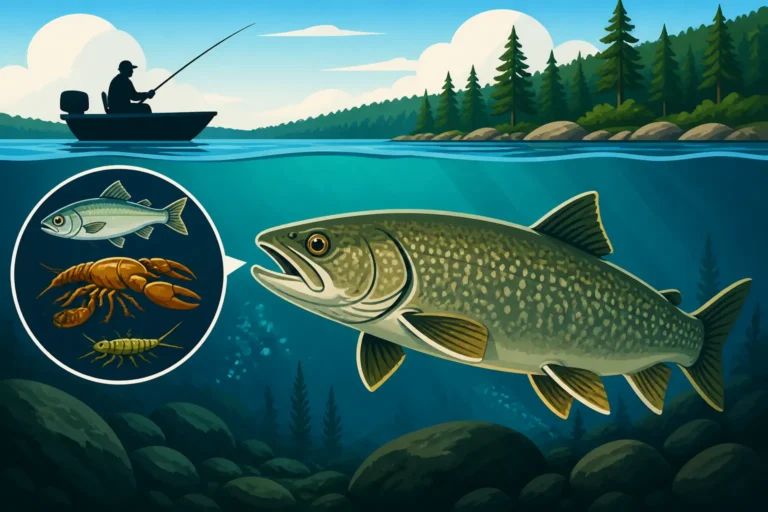
Targeting native brook trout usually means venturing off the beaten path. For remote ponds, this might involve a long hike in, sometimes with a lightweight canoe or float tube strapped to your back. Fly fishing is a particularly effective and popular method for these waters, using small dry flies, nymphs, or streamers that imitate the natural insects found in these pristine environments. Understanding Fly Selection for Brook Trout will be key. Spin fishing with ultralight gear and small, artificial lures like spinners or tiny spoons can also be very productive, mimicking the small baitfish or larger insects they prey upon. Stealth is critical; these fish are often wary and easily spooked in their clear, shallow habitats. Approach the water quietly, keep a low profile, and cast accurately.
For streams, wading upstream, carefully casting into pockets, behind rocks, and under undercut banks is the typical approach. Short, accurate casts are often more effective than long ones, especially in brushy stream environments. Look for areas with current breaks, deeper water, and plenty of cover. Again, stealth and a thoughtful presentation will greatly increase your chances. Remember, these fish are often small, so presentation often matters more than lure size.
Gear Considerations for the Backcountry Angler
Since you'll often be hiking into remote areas, lightweight and practical gear is essential. A collapsible fly rod or a multi-piece spinning rod that can fit in a backpack is a huge advantage. A small selection of appropriate flies or ultralight lures will suffice; you don't need to carry your entire tackle box. A small, sturdy backpack for water, snacks, a first-aid kit, and rain gear is vital. You’ll also want a good pair of waterproof hiking boots or wading shoes, and possibly lightweight waders if you plan on extended wading in colder streams.
A quality map and compass or a reliable GPS device are non-negotiable for navigation in unfamiliar wilderness areas. You might even consider a satellite messenger for emergencies, as cell service is often nonexistent in these remote locations. For those longer hauls to truly wild spots, finding a comfortable, durable pack on Amazon can make all the difference for carrying your fishing essentials and survival gear. Always check the weather forecast before heading out, and dress in layers, as conditions in Maine's wilderness can change rapidly.
Practicing Responsible Catch and Release
When fishing for native brook trout, especially in their fragile, self-sustaining populations, practicing ethical catch and release isn't just a suggestion—it's a critical responsibility. These fish are slow-growing and can be easily impacted by overfishing. The goal should always be to release them unharmed to ensure they can continue to reproduce and sustain the fishery.
Here are some best practices:
- Use barbless hooks: These hooks are much easier to remove, minimizing damage to the fish's mouth. If your hooks have barbs, simply pinch them down with pliers.
- Handle fish minimally: Avoid touching the fish with dry hands, as this can remove their protective slime coat, making them susceptible to disease. If you must handle them, wet your hands thoroughly.
- Keep them wet: Keep the fish in the water as much as possible. If you want a photo, get your camera ready before you lift the fish, snap quickly, and return it gently to the water.
- Use the right gear: Match your tackle to the fish size to avoid unnecessarily long fights that can exhaust the trout. Light line and rods are often perfect for brook trout.
- Revive gently: If a fish seems sluggish, hold it upright in the current (or gently move it back and forth in still water) until it regains its strength and swims away on its own.
By embracing these principles, we can all help ensure that Maine's native brook trout populations continue to thrive, providing incredible angling opportunities for generations to come.
| Feature | Native Brook Trout | Stocked Brook Trout |
|---|---|---|
| Origin | Descended from wild fish, born in natural habitat | Raised in hatchery, released by humans |
| Appearance | Vivid, distinct colors; often darker, more defined spots | Often paler, worn fins; less vibrant coloring |
| Fin Quality | Fully formed, healthy, often undamaged | Can show signs of wear, abrasions, or deformities |
| Body Shape | Streamlined, wilder look; adapted to strong currents | Can be chunkier, less athletic build due to hatchery feed |
| Habitat | Remote, cold, pristine streams/ponds with intact habitat | More accessible waters, often where native populations are absent |
| Fight | Strong, feisty, resilient | Can be less energetic, though still a fun catch |
| Reproduction | Self-sustaining populations through natural spawning | Rely on continued stocking for numbers |
Disclaimer
This article is for general informational purposes only and does not constitute professional advice. Laws, prices and regulations vary by location and change over time. Consult a qualified professional for guidance on your specific situation.