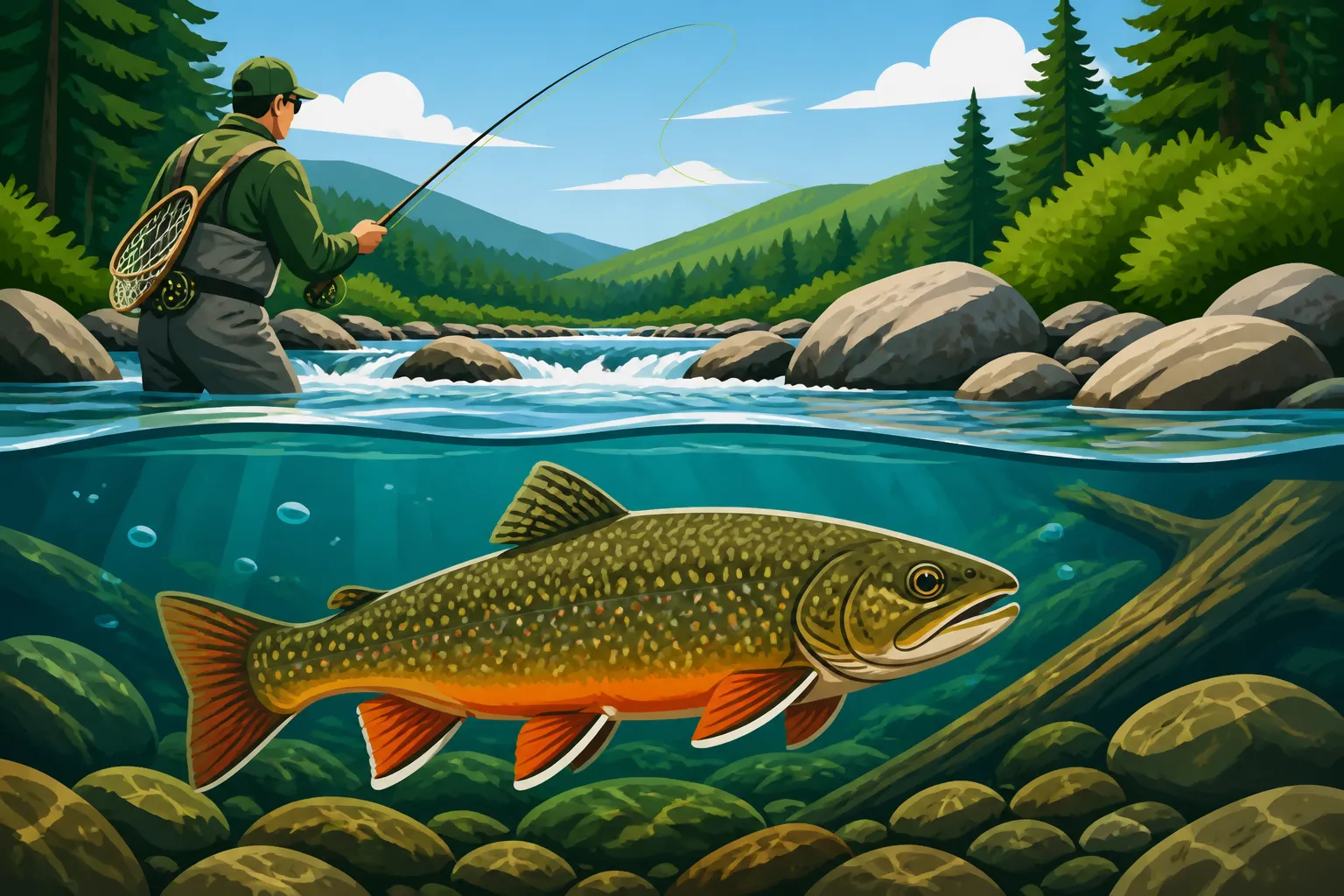
Where Brook Trout Live in Maine Streams
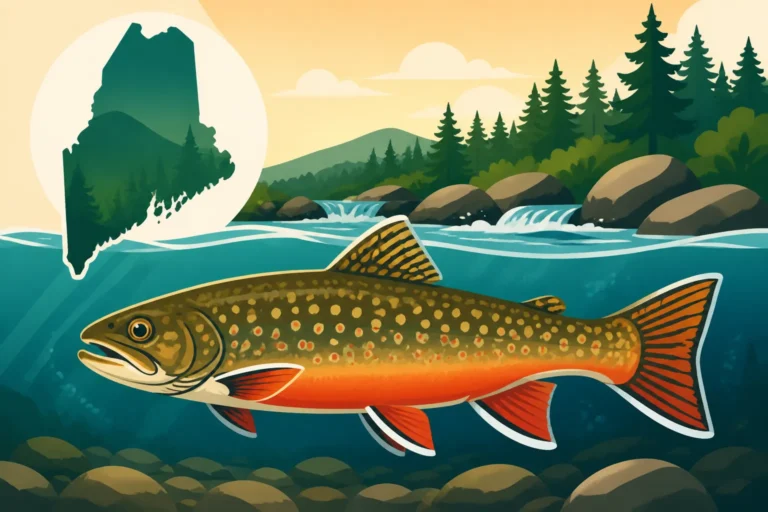
There's nothing quite like the thrill of finding a wild Maine brook trout, their vibrant colors flashing in a crystal-clear stream. But if you've ever spent hours casting into seemingly perfect water only to come up empty-handed, you know the frustration. It often feels like these beautiful fish are playing hide-and-seek, and the secret to finding them isn't just about the right lure, it's about understanding their preferred real estate. This guide will walk you through the precise habitats and stream conditions where Maine's brook trout thrive, helping you decipher the subtle clues that lead to successful and rewarding fishing experiences.
Understanding the Ideal Brook Trout Home in Maine Streams
Brook trout, often simply called "brookies" by those of us who adore them, aren't just any fish. They are finicky residents who demand specific conditions from their watery abodes. You can't just expect to find them in any old creek; they have very particular tastes when it comes to where they'll set up shop. Think of them as the connoisseurs of the stream, seeking out prime locations that offer comfort, safety, and a steady food supply.
The Critical Role of Cold, Oxygenated Water
This is the absolute golden rule for brook trout: they need cold water, and they need it packed with oxygen. Maine's long, cold winters and ample snowmelt typically provide this in abundance, but as the seasons change, these vital conditions become more localized. If the water warms up too much, even for a short time, brook trout become stressed. They can't extract enough oxygen from warmer water, and their metabolism goes into overdrive, making them lethargic and vulnerable. That's why you'll rarely find them flourishing in slow, muddy, or stagnant sections of a stream. They need that constant flow, that vibrant lifeblood of fresh, cool water. Reading Water Temperature for Maine Trout is a skill every dedicated brook trout angler learns to master, as it directly impacts where these fish will be.
When you're walking along a stream, pay attention to any indications of colder water. Are there small feeder springs trickling in? Is there dense canopy overhead shading the water from the sun? Are there areas with a noticeably faster current, indicating good aeration? These are all tell-tale signs that you're getting closer to where brook trout want to be. They literally seek out the freshest, coolest possible spots, often moving upstream or into deeper pools as summer heat sets in.
Shelter and Structure: More Than Just a Hiding Spot
Beyond the ideal water temperature, brook trout are absolute homebodies when it comes to cover and structure. They need places to hide from predators – think ospreys, kingfishers, and even larger fish – and also to escape strong currents, conserve energy, and ambush unsuspecting prey. This isn't just about safety; it's about efficiency and survival. A brook trout without good cover is a stressed and exposed brook trout, and you're far less likely to catch it, let alone find it thriving.
Think about fallen trees, submerged logs, undercut banks, large boulders, and even dense aquatic vegetation. These aren't just obstacles; they are condominiums for brook trout. An undercut bank, for instance, provides shade, a current break, and a hidden overhead sanctuary all in one. A submerged log creates an eddy where food collects and the fish can rest, while also offering a dark, secure place to hide. When you're scouting a stream, mentally note every piece of natural debris or geological feature that could potentially offer shelter. It’s exactly in these nooks and crannies that you’ll often find them hunkered down.
A Buffet of Bugs: The Food Web Connection
Brook trout are opportunistic feeders, but they rely heavily on aquatic insects and their larvae. Stoneflies, caddisflies, mayflies, and various nymphs make up a significant portion of their diet. If a stream doesn't support a healthy population of these invertebrates, it won't support a healthy population of brook trout. This means the stream itself needs to be clean and productive, providing ample habitat for these insects to hatch and grow.
Beyond the aquatic buffet, brookies will also munch on terrestrial insects that fall into the water, like grasshoppers, ants, and beetles, especially during warmer months. Smaller fish, minnows, and even small amphibians can also be on the menu for larger brook trout. This is why a diverse and healthy ecosystem surrounding the stream is just as important as the water conditions themselves. A stream bordered by dense woods or meadows, rather than paved roads or manicured lawns, is typically a much better bet. It provides a constant supply of terrestrial insects and reduces runoff pollution. Understanding What Do Brook Trout Eat in Maine Streams? helps you choose the right presentation and location for your offerings.
Navigating Maine's Diverse Stream Landscapes for Brook Trout
Maine isn't a monolithic landscape; our streams are incredibly varied, from tiny trickles high in the mountains to wider, meandering rivers through the lowlands. Each type of water body offers a slightly different set of challenges and opportunities for finding brook trout. You can’t approach a small, brushy brook the same way you’d tackle a larger, more open river. Knowing the nuances of each habitat will dramatically improve your chances.
Tiny Tributaries and Headwater Havens
Many of Maine's most cherished wild brook trout populations reside in the countless small tributaries and headwater streams that crisscross our state. These are often forgotten gems, overlooked by many anglers due to their size or difficulty of access. They are the arteries of the larger river systems, often flowing down from higher elevations, and their small stature is precisely what makes them so special for brook trout. These narrow, shallow waters tend to stay colder, even during the dog days of summer, thanks to shade from dense tree canopies and direct input from cold groundwater springs.
Fishing these smaller brooks can be an adventure in itself. You're often bushwhacking, navigating thick alder thickets, and making short, precise casts. The trout in these waters are often smaller but incredibly feisty and strikingly beautiful, displaying some of the most vivid colors you'll ever see. They are less pressured, wild, and truly reflect the pristine nature of their environment. Look for small plunge pools beneath miniature waterfalls, deep pockets created by fallen logs, or the subtle bends where the current has carved out a deeper hole. A good, compact fly rod or ultralight spinning setup is essential here, along with a pair of sturdy waders to help you navigate the tight quarters.
Larger Rivers: Finding the Pockets and Riffles
While small streams are brook trout havens, larger rivers and their broader tributaries also hold significant populations. However, in these bigger waters, brook trout tend to be more localized. They don't have the luxury of uniform cold temperatures and abundant cover everywhere. Instead, they seek out specific microhabitats that replicate their ideal conditions within the larger flow.
Focus your efforts on areas with broken water – riffles, rapids, and white water sections. These areas are naturally aerated, providing that crucial oxygen supply. Below these turbulent sections, where the current slows and deepens, are often prime holding spots. Look for structure: large boulders that break the current, creating eddies; deep runs along undercut banks; or fallen trees that have created significant cover. These features provide a break from the main current, allowing the trout to rest and ambush food, without expending too much energy. Imagine a large river like the Penobscot system; while the main stem might be too warm for brook trout in many spots, its smaller, cooler feeder streams and specific oxygenated pockets within the larger river will certainly hold them.
Spring-Fed Wonders: Natural Refrigerators
Perhaps the most consistent producers of brook trout, especially through the warmer months, are streams and ponds that receive significant input from cold, underground springs. These spring-fed waters act as natural refrigerators, maintaining remarkably stable and low temperatures year-round, regardless of air temperature. This consistency makes them sanctuaries for brook trout, providing a stable environment where they can thrive even when other waters become too warm.
You can often identify spring-fed areas by the presence of specific vegetation that prefers cold water, or even a visible difference in water clarity and temperature where the spring enters the main flow. These spots are goldmines for brook trout and are definitely worth seeking out. Many of Maine's pristine wild ponds and streams owe their legendary brook trout fisheries to these consistent cold-water inputs. Anglers often keep the locations of these truly special spots close to the vest, and for good reason—they represent some of the last bastions of truly wild brook trout.
Seasonal Shifts: Where Brook Trout Go When the Weather Changes
Just like us, brook trout adapt their routines and preferred hangouts based on the seasons. What works in spring won't necessarily yield results in the dog days of summer, or the frigid depths of winter. Understanding these seasonal movements is key to consistently finding fish throughout the year. It's not just about temperature, but also about food availability, spawning cycles, and energy conservation. The Maine Fishing Season Calendar can give you a general overview, but knowing the specific behavior of brook trout is even more powerful.
Spring's Fresh Start and Active Feeding
Ah, spring! As the ice retreats and the snow melts, Maine's streams swell with cold, oxygen-rich water. This is a prime time for brook trout, as the water temperatures begin to rise just enough to kickstart their metabolism without becoming too warm. They emerge from their winter lethargy and become incredibly active feeders. You'll find them spread out through the stream, not just in the deepest holes, but also in shallower riffles and runs, eagerly chasing after aquatic insects that are hatching and any terrestrial morsels washed in by the higher flows.
During spring, look for brook trout in areas where new food sources are appearing. This might be at the edges of submerged grass beds, around newly fallen debris, or in slower eddies adjacent to faster currents where food might accumulate. The higher water levels also provide additional cover, making trout feel bolder and more willing to venture out from their traditional hiding spots. This is often when you'll find some of the most aggressive takes, as they're trying to put on weight after a long, lean winter.
Summer's Deep Hideouts and Cooler Currents
Summer can be a challenging time for brook trout anglers, especially during prolonged heatwaves. As air temperatures soar, so do stream temperatures, pushing brook trout into very specific, often hard-to-reach, refuges. They become far more sensitive to light and warmth, retreating to the deepest pools, the densest cover, and most importantly, any area with consistent cold water input. How to Find Cold Water Pockets for Trout becomes an essential skill.
During summer, you'll find them hunkered down near spring seeps, at the mouths of cold feeder creeks, or in the deepest, most heavily shaded pools where groundwater might be percolating up from the stream bed. Undercut banks beneath thick vegetation become prime real estate. They will be less active during the bright, warm parts of the day, often feeding during dawn, dusk, or even at night when temperatures are coolest. Fishing during these cooler windows, or focusing on heavily shaded sections, can make all the difference. Remember, the fish are stressed by the heat, so quick catch-and-release practices are crucial for their survival.
Fall's Spawning Runs and Vibrant Colors
Fall is arguably the most beautiful time to pursue brook trout in Maine. As the air cools and water temperatures drop back into their ideal range, brook trout become incredibly active once more. This is also their spawning season, and the males, in particular, will develop incredibly vibrant colors—fiery oranges, deep reds, and iridescent greens—making them a sight to behold. During this time, they become very territorial and aggressive.
Brook trout will migrate upstream into smaller tributaries or utilize gravelly sections of larger streams for spawning. Look for them in shallower, gravel-bottomed areas, especially where there's a good current to keep the redds (their spawning nests) oxygenated. While they're focused on reproduction, they will still actively feed to maintain energy. Brook Trout Daily Bag Limits are important to consult, especially during this vulnerable spawning period, as many anglers opt for catch-and-release to protect these wild populations. The fall also brings a new influx of terrestrial insects like spiders and beetles, which can be excellent bait or fly imitations.
Reading the Water: Identifying Prime Brook Trout Lies
Knowing where brook trout should live is one thing, but actually seeing those subtle clues in the water is another. This skill, often called "reading the water," is what separates casual anglers from consistently successful ones. It’s about more than just looking at the surface; it’s about understanding the currents, the depths, and the hidden structures beneath.
Spotting the Subtle Signs of Structure
When you approach a stream, don't just glance at the water. Actively scan for anything that breaks the current or provides cover. A single large rock might not look like much, but on its downstream side, it creates a "cushion" of slower water where a trout can rest and wait for food. A cluster of rocks creates a series of these pockets. Fallen logs are absolute magnets for brook trout, providing shade, shelter, and current breaks. Look for branches or tree roots extending into the water – these offer excellent overhead cover.
Undercut banks are particularly potent. The main current has eroded the bank underneath, creating a hidden cave where trout can sit in relative darkness and safety. Often, the best way to detect these is by observing the water flow; if the current seems to disappear under the bank, or if there's a distinct line where the water changes color or texture, you've likely found an undercut. Remember, the biggest, smartest trout often hold in the most secure and hidden spots, so a keen eye is crucial.
Understanding Current Breaks and Eddies
Brook trout are energy-efficient predators. They won't spend all day fighting a strong current if they don't have to. Instead, they position themselves in spots where the main current brings food to them, but they themselves are in a slower, calmer pocket of water. These "current breaks" are essential to their survival strategy.
An eddy is a classic example of a current break – a swirling or reverse current found behind an obstruction or in a bend of the stream. Food items, both aquatic and terrestrial, often collect in these eddies, making them prime feeding stations. Look for seams where fast water meets slow water; these are often high-traffic areas for food, and thus, for fish. The difference in surface ripple or the way debris floats can reveal these seams. Even a subtle change in depth can create a micro-eddy. Being able to visualize these hidden pockets of calm water is critical for presenting your lure or fly effectively. For fly anglers, choosing the Best Flies for Brook Trout in Maine Streams often involves selecting patterns that imitate insects found in these specific currents. If you're looking for a good way to organize your fly patterns or small lures for stream fishing, a waterproof tackle box that fits in a vest pocket is invaluable. You can find excellent options on Amazon.
The Importance of Healthy Stream Banks and Vegetation
The health of the land surrounding a stream is directly linked to the health of its brook trout population. Streams with intact, vegetated banks are far superior to those with eroded banks or barren shores. The root systems of trees and shrubs stabilize the soil, preventing erosion that can lead to siltation, which smothers insect habitat and trout spawning redds. The vegetation also provides crucial shade, keeping water temperatures cool, and offers a continuous supply of terrestrial insects that fall into the water.
When observing a stream, consider the overall health of its banks. Are there mature trees creating a dense canopy? Is there a buffer of native plants between agricultural fields or development and the water? Are there signs of erosion or runoff? A healthy riparian zone (the area along the stream banks) is a strong indicator of a healthy brook trout fishery. These lush, shaded environments aren't just pretty; they're vital for the entire stream ecosystem.
| Habitat Feature | Why Brook Trout Love It | What to Look For | Fishing Tip |
|---|---|---|---|
| Cold, Oxygenated Water | Essential for survival; reduces stress and increases activity | Spring seeps, riffles, dense shade, clear water | Fish early/late in summer; seek out spring-fed areas. |
| Undercut Banks | Excellent overhead cover, current break, ambush point | Water disappearing under bank, darker water at edges | Cast parallel to bank; use a nymph or small jig. |
| Fallen Trees/Logs | Multiple hiding spots, current breaks, insect habitat | Logs extending into water, brush piles, debris jams | Cast upstream of structure, let current carry bait/lure. |
| Large Boulders/Rocks | Creates eddies, shade, breaks current | Obvious rocks disrupting flow, calm pockets downstream | Fish the "cushion" directly behind the rock. |
| Deep Pools | Thermal refuge in summer, safety from predators | Darker, stiller water; often found below rapids/falls | Target deep sections with sinking lures or weighted flies. |
| Riffles/Rapids | High oxygen, insect production, hiding spots | Turbulent, frothy water; shallow, rocky areas | Present offerings naturally through the broken water. |
| Dense Bank Vegetation | Shade, insect supply, bank stability | Overhanging branches, thick shrubs, undisturbed banks | Cast under cover, use terrestrial insect imitations. |
Protecting These Precious Places: Threats to Maine's Brook Trout Streams
While Maine is blessed with an abundance of wild brook trout, their habitats are not immune to threats. As anglers and outdoor enthusiasts, understanding these challenges and supporting conservation efforts is paramount to ensuring that future generations can experience the joy of catching a native brookie. Brook Trout Native Range in Maine is vast, but it's constantly under pressure.
Development, Pollution, and Habitat Loss
One of the most insidious threats to brook trout streams is habitat degradation stemming from human development. When forests are cut, wetlands are filled, or impervious surfaces like roads and parking lots expand near streams, the delicate balance of the ecosystem is disrupted. Runoff from these areas can introduce pollutants—like sediment, chemicals, and excess nutrients—into the water. Sedimentation smothers the gravel beds where brook trout spawn and where aquatic insects live, effectively destroying their nurseries and food sources. Chemicals and fertilizers directly harm fish and bugs.
Loss of riparian buffers (the vegetated strips along stream banks) also leads to increased water temperatures, as streams lose their natural shade. The cumulative effect of these seemingly small disturbances can be devastating, fragmenting brook trout populations and making them more vulnerable. It’s a constant battle to balance human needs with the needs of our wild places, and supporting local conservation land trusts or advocating for responsible development practices is more important than ever.
Climate Change and Warming Waters
Perhaps the most far-reaching threat is the warming of our climate. Brook trout, as we've established, are cold-water specialists. Even a few degrees of sustained temperature increase can push a stream beyond their physiological tolerance. As Maine experiences warmer summers and shorter, milder winters, many streams that once reliably supported brook trout are becoming marginal or even unsuitable.
Warmer waters hold less oxygen, stress the fish, and make them more susceptible to disease. It also alters the timing of insect hatches and can favor invasive species that thrive in warmer conditions. This shift means that the "cold-water pockets" become even more crucial, and the pressure on these remaining refuges intensifies. As anglers, we can witness these changes firsthand, seeing how fish may be absent from historical spots. Protecting forested watersheds and advocating for broader environmental policies that address climate change are vital, as this is a threat that touches every aspect of brook trout survival.
Invasive Species and Competition
Another significant challenge comes from the introduction of non-native, or "invasive," fish species. These often include warm-water fish like bass, perch, or pickerel, which can outcompete brook trout for food and habitat, or even prey on them directly. In some cases, other trout species, like brown trout, which are more tolerant of warmer temperatures and disturbed habitats, can also outcompete native brook trout, pushing them out of their ancestral waters.
Once established, invasive species are incredibly difficult to remove. They alter the food web and can fundamentally change the character of a stream, favoring less sensitive species over the delicate brook trout. This is why strict regulations against transferring live bait between water bodies are in place, and why anglers are encouraged to clean their gear thoroughly between fishing trips to prevent the spread of aquatic hitchhikers. Educating ourselves and others on Maine Fishing Regulations Explained regarding live bait and invasive species is critical for protecting our native fish.
Disclaimer
This article is for general informational purposes only and does not constitute professional advice. Laws, prices and regulations vary by location and change over time. Consult a qualified professional for guidance on your specific situation.