Smallmouth Bass Limits by Zone in Maine
Navigating the specific rules for smallmouth bass fishing in Maine can feel like trying to solve a puzzle, especially when you realize that not every lake or river follows the same guidelines. It's truly frustrating to want to do the right thing and yet be bogged down by different size limits and bag limits depending on where you cast your line. This guide is here to untangle the complexities, clearly outlining Maine's smallmouth bass limits by zone and helping you understand the "why" behind these crucial regulations so you can fish confidently and responsibly.
Understanding Maine's Fishing Zones for Bass
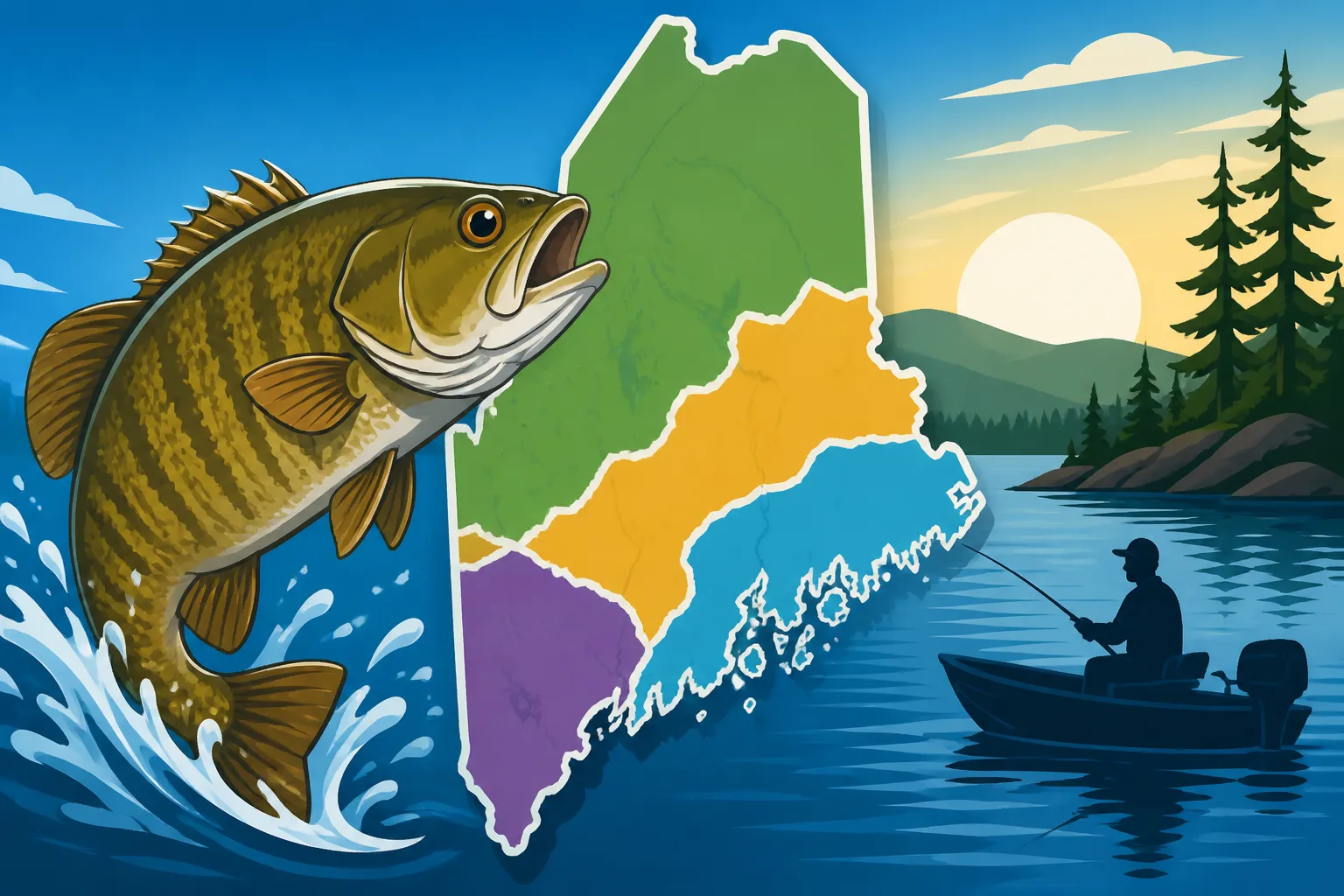
Maine is a vast state with diverse aquatic habitats, and to manage its fisheries effectively, the state is divided into different zones. This zonal system isn't just an arbitrary line on a map; it's a critical tool used by biologists to tailor regulations to the unique characteristics and ecological needs of various regions. For smallmouth bass anglers, understanding whether you're in the "North Zone" or "South Zone" is step one, because it dictates the general law limits that apply before any water-specific rules come into play. Missing this fundamental distinction can lead to honest mistakes that could unfortunately result in a fine.
Defining the North Zone
The North Zone generally encompasses the northern, more remote, and often colder regions of Maine. Think of areas roughly north of a line stretching from Calais in the east, westward across the state, generally passing north of Bangor and Waterville, and heading towards the New Hampshire border. These waters tend to have shorter growing seasons and often support different fish communities compared to their southern counterparts. The bass populations here might grow slower and mature later, requiring more protective regulations to ensure their long-term health. Anglers exploring places like the Moosehead Lake region or waters up in Aroostook County will typically find themselves operating under North Zone general law unless specified otherwise.
Defining the South Zone
Conversely, the South Zone covers the southern and more populated areas of the state, including the coastal regions and the lower inland counties. This zone benefits from a longer growing season, which often means fish can grow larger and reproduce more frequently. Waters like those around Sebago Lake, the Belgrade Lakes, and even ponds close to Portland fall into the South Zone. Because of these environmental differences, the bass populations here can often sustain different harvest pressures, leading to slightly more liberal general law regulations. It's crucial not to assume that what's legal in a lake near Portland is also legal in a remote pond far to the north.
Finding Your Specific Water's Zone
The absolute best way to definitively determine which zone a particular lake, pond, or river falls into is to consult the official Maine Department of Inland Fisheries and Wildlife (MDIFW) open water fishing regulations booklet. This resource is your bible when it comes to understanding the rules. You can usually pick up a physical copy wherever fishing licenses are sold, or access a digital version directly from the MDIFW website. Remember, general descriptions of zones are helpful, but the legal document is the authority. Always check the specific water body you plan to fish, as some waters might have their own special regulations that override the general zonal laws, making it a critical step before you even rig up your first line. Maine Fishing Regulations Explained is a great resource to learn more about how to navigate these rules.
Smallmouth Bass General Law Limits: North Zone vs. South Zone
Once you understand which zone you're fishing in, the next step is to apply the correct general law limits for smallmouth bass. These limits typically involve a "daily bag limit" (how many fish you can keep in one day) and a "length limit" (the minimum or maximum size of fish you can keep). These numbers are carefully chosen by biologists to maintain healthy fish populations while still allowing anglers to enjoy their sport and bring home a meal if they choose. Ignoring these limits, even unintentionally, can have serious consequences for both the angler and the fishery.
North Zone Smallmouth Bass Limits
In Maine's North Zone, the general law for smallmouth bass is typically more restrictive than in the South Zone. This is largely due to the colder water temperatures and shorter growing seasons, which mean bass grow slower and take longer to reach reproductive maturity. Historically, anglers in the North Zone often face a lower daily bag limit and sometimes different size restrictions, such as slot limits or minimum lengths, designed to protect the breeding stock. For example, you might find a daily bag limit of fewer fish, with possibly a minimum length requirement to ensure smaller, immature bass are released to grow. Always consult the current regulations for the most up-to-date and precise numbers, as they can be adjusted based on biological data.
South Zone Smallmouth Bass Limits
The South Zone, with its warmer waters and longer growing seasons, generally supports more robust smallmouth bass populations that can handle a bit more fishing pressure. As such, the general law daily bag limits are typically more generous than in the North Zone. You might be allowed to keep a higher number of bass per day. However, even with higher bag limits, size restrictions are still very much in play. There might be a slot limit, which means you can keep fish within a certain size range, but not those below or above it, or a simple minimum length. The key difference here is the balance struck to allow for recreational harvest while still protecting large, spawning-sized fish. It's all about ensuring that enough fish are left to reproduce and keep the population thriving for years to come. Checking Maine Bass Fishing Limits by Zone can give you more detailed insight into the numbers.
The Rationale Behind Zonal Differences
The variations in smallmouth bass limits between the North and South Zones are not arbitrary; they are based on sound ecological and biological principles. In the colder, more remote North Zone, fish generally have a slower metabolism and shorter periods of active feeding and growth. This means they take longer to reach a size where they can reproduce effectively, and their populations are more vulnerable to overharvesting. Therefore, more conservative limits help protect these sensitive populations. In contrast, the South Zone's warmer waters allow for faster growth rates and earlier maturity, meaning populations can often recover more quickly from fishing pressure. The MDIFW uses these zonal distinctions to apply targeted management strategies, ensuring that regulations are appropriate for the specific conditions of the local environment. This adaptive management helps sustain healthy bass fisheries across the entire state, offering varied experiences to different anglers.
| Regulation Type | North Zone General Law | South Zone General Law | Rationale |
|---|---|---|---|
| Daily Bag Limit | Typically lower (e.g., 2-5 fish) | Typically higher (e.g., 5-10 fish) | Slower growth/reproduction in North vs. faster growth/higher population density in South. |
| Length Limit | Often a minimum length, sometimes a slot | Often a minimum length, sometimes a slot (may vary) | Protection of spawning stock, allowing fish to reach maturity before harvest. |
| Season Dates | May have shorter open seasons for certain species/methods | Generally longer open seasons | Climate and biological productivity differences. |
| Overall Goal | Conservation-focused, protects vulnerable populations | Balanced harvest, sustains robust populations | Tailored management for unique regional ecosystems. |
Note: The specific numbers for daily bag and length limits can change annually. Always consult the latest MDIFW regulations booklet for current information.
Special Regulations and Their Impact on Smallmouth Bass
While general law zones provide a broad framework, Maine's fisheries management goes even deeper. Many specific lakes, ponds, and sections of rivers operate under "special regulations" that can completely override the general law for that particular zone. These special rules are implemented for various reasons, such as protecting unique fisheries, rehabilitating struggling populations, or promoting specific angling experiences like trophy bass fishing. It's absolutely crucial to understand that merely knowing your zone is not enough; you must always check the regulations for the specific waterbody you plan to fish. This is where many anglers, even seasoned ones, can sometimes get tripped up, thinking "general law" applies everywhere.
Identifying Special Regulation Waters
Identifying waters with special regulations is paramount for responsible fishing. The MDIFW's annual fishing law book, often available for free where licenses are sold, is the definitive source. Within this guide, water bodies with special regulations are usually listed separately, often in alphabetical order, with their specific rules detailed right alongside their name. These special rules might pertain to bag limits, length limits, types of bait or tackle allowed, or even specific season dates that differ from the general law. For instance, a lake in the South Zone might have a general law that allows a certain number of bass, but a special regulation might make that particular lake "catch and release only" for bass, or impose a unique slot limit that allows only one fish over a certain size. There are also digital versions of this guide that you can access on your phone or tablet, so there's really no excuse not to check.
Common Special Regulation Scenarios
Special regulations can take many forms, each designed to achieve a specific management goal. For smallmouth bass, you might encounter waters designated as:
- Catch and Release Only: This means all bass caught must be immediately and safely returned to the water. These regulations are often found in waters where bass populations are particularly fragile or where the goal is to create a trophy fishery.
- Slot Limits: This rule specifies a range of sizes you cannot keep, while allowing you to keep fish both below and above that slot. For example, you might be allowed to keep bass under 12 inches and one over 18 inches, but everything in between must be released. These are fantastic for managing population demographics, ensuring a healthy distribution of sizes.
- Reduced Bag Limits: Even within a general zone, a specific water might have a significantly lower daily bag limit for smallmouth bass to protect its unique population dynamics.
- No Live Bait: Some waters restrict the use of live bait to prevent the introduction of invasive species or to reduce the risk of deep hooking, especially in catch-and-release fisheries. This is often seen in trout and salmon waters, but can apply to bass as well.
These scenarios are why a quick glance at the general zone rules isn't enough. You need to read the fine print for your chosen fishing spot.
How to Research Specific Waterbody Rules
So, you've got your fishing spot picked out – maybe it's one of the Best Fishing Lakes in Maine or a quiet little pond you found on a map. Before you even pack your gear, your absolute first step is to consult the MDIFW's official regulations. They have a searchable online database on their website where you can type in the name of your specific lake or river. This will bring up any and all special regulations that apply to that body of water. If you're old-school, grab a physical copy of the law book. Many bait shops, general stores, and sporting goods retailers, even large stores that carry fishing gear, will have them available. Don't be afraid to ask for help at these places; the folks working there are often local anglers themselves and can be a fantastic resource for understanding local nuances. It's far better to spend a few minutes researching than to face a warden with an honest but costly mistake.
Why These Regulations Matter for Maine's Ecosystem
It's easy to look at fishing regulations as just a list of restrictive rules, but in truth, they are the backbone of sustainable fisheries management. For smallmouth bass, these limits and zones aren't just about making life harder for anglers; they're about ensuring that Maine's beautiful waters continue to provide incredible fishing opportunities for generations to come. Without careful management, even seemingly abundant fish populations can quickly decline due to overfishing, habitat loss, and environmental changes. These regulations are a proactive step to protect what we cherish.
Protecting Spawning Bass
One of the most critical functions of smallmouth bass regulations, particularly length and bag limits, is to protect spawning fish. Bass typically spawn in the spring, and male bass aggressively guard their nests. If too many large, breeding-age bass (especially males) are removed from a population before or during the spawning period, it can have a devastating effect on the number of young fish produced in subsequent years. Size limits, particularly minimum length requirements or protective slot limits, are often designed to ensure that a significant portion of the breeding population is able to successfully reproduce multiple times before they become eligible for harvest. This directly contributes to the long-term health and stability of the entire bass fishery.
Ensuring Sustainable Populations
Beyond protecting individual spawning events, regulations work to ensure the overall sustainability of smallmouth bass populations. Bag limits prevent excessive harvesting by individuals, while length limits help maintain a healthy age and size structure within the population. For instance, if anglers only keep the largest fish, it can remove the most genetically fit individuals from the breeding stock, potentially leading to a decline in the quality of the population over time. Conversely, if only small fish are kept, it can lead to stunted growth in the remaining population due to overpopulation and limited food resources. By carefully adjusting these limits, fisheries biologists aim to create a balanced ecosystem where bass can thrive, reproduce, and provide consistent angling enjoyment. This forward-thinking approach is vital, especially as climate change and increased fishing pressure continue to impact our waters.
Balancing Angler Opportunity and Conservation
The MDIFW constantly walks a tightrope, striving to balance the desire of anglers to enjoy their sport and harvest fish with the imperative to conserve natural resources. Regulations are not set in stone; they are often adjusted based on ongoing scientific research, creel surveys (studies of angler catch rates), and public input. For example, if a smallmouth bass population in a certain lake is found to be declining, stricter limits might be put in place. Conversely, if a population is booming and showing signs of being overpopulated with smaller fish, more liberal harvest limits might be introduced to encourage anglers to remove some of the smaller bass, thereby allowing the remaining fish to grow larger. This dynamic approach aims to maximize both the fishing opportunities for today's anglers and the health of the fisheries for future generations. It's a testament to the dedication of those working to keep Maine's waters vibrant and productive.
Practical Tips for Adhering to Bass Limits
Knowing the rules is one thing, but practically applying them on the water is another. It's easy to get excited when you hook into a feisty smallmouth, and in that moment, measuring and counting can sometimes feel like an afterthought. However, a little preparation and a few good habits can make all the difference, ensuring you stay within the law and contribute to responsible angling. Nobody wants to have an awkward conversation with a game warden because of a simple oversight.
Measuring Your Catch Accurately
Having a reliable measuring device on your boat or in your tackle box is non-negotiable. A simple measuring board or a tape measure that adheres to a flat surface in your boat works perfectly. When measuring a fish, lay it flat on its side with its mouth closed and against the bump stop of your measuring device. The measurement is taken to the tip of its tail, not the fork of the tail, unless the regulations specifically state otherwise (which is rare for bass). Always be precise; if a fish is borderline, err on the side of caution and release it. Many anglers find it helpful to mark common legal sizes on their measuring device with a permanent marker, making quick assessments much easier. You can find durable, waterproof measuring tapes that float, which is super handy, on sites like Amazon.
Keeping Track of Your Daily Bag
It might sound simple, but in the excitement of a great fishing day, it's surprisingly easy to lose track of how many legal fish you've retained. This is especially true if you're fishing with multiple people or if different members of your party have different bag limits (e.g., kids might be exempt, or have different rules). A small, waterproof notebook and a pen can be your best friend, or a simple clicker counter. Some anglers use color-coded stringers or different compartments in their livewell to keep track. If you're keeping fish, count them as they go into the livewell or cooler. If you're going to keep a fish, make that decision before you put it on ice, as once it's dead, it counts towards your limit whether you intended to keep it or not.
Essential Gear for Responsible Bass Angling
Beyond your rod, reel, and tackle, a few specific items are essential for any responsible smallmouth bass angler in Maine, especially when regulations involve size and bag limits:
- Measuring Device: As mentioned, a reliable measuring tape or board.
- Small Scale: While not always required by law for your fish, a small digital scale can be useful for quickly weighing fish if you're participating in a catch-and-release tournament where weight matters, or if you're just curious.
- Net with Rubber Mesh: A net with rubberized mesh is far gentler on fish, reducing slime coat removal and fin damage, which is crucial for healthy release. Fabric nets can be abrasive and snag fins.
- Long-Nose Pliers or De-hooker: Essential for quickly and safely removing hooks, especially treble hooks, minimizing stress and injury to the fish.
- Camera (Optional, but Fun!): For those memorable catches you plan to release. Just make sure you're getting the fish back in the water quickly!
- The Current Maine Fishing Law Book: Whether physical or digital, having this readily accessible on your person or boat is absolutely critical. You can often find a fishing regulations app on your smartphone, which is incredibly convenient when you are on the water.
Having these tools readily available, many of which are easily found on Amazon or at local sporting goods stores, demonstrates your commitment to ethical angling and ensures you're always prepared to follow the rules.
Common Misconceptions About Maine's Bass Regulations
Maine's fishing regulations, particularly those surrounding bass, can sometimes be a little confusing, leading to common misconceptions. These aren't intentional rule-breaking, but rather misunderstandings that can still put an angler on the wrong side of the law. As a seasoned angler, I've heard them all, and it's so important to clear up these myths so everyone can enjoy their time on the water without worry. Let's tackle a few of the most prevalent ones.
"All Lakes are General Law" Myth
This is perhaps the most common and potentially problematic misconception. Many anglers assume that once they know the general law for the North or South Zone, those rules apply to every single body of water within that zone. This simply isn't true. As we discussed, Maine has a vast number of "special regulation waters" that override the general law. These special rules can significantly alter daily bag limits, length limits, or even what types of bait are allowed. For example, a lake that might generally allow five bass might, under special regulation, be catch-and-release only. Always, always, always consult the MDIFW regulation book or website for the specific body of water you intend to fish. Treating every water as general law is a surefire way to unknowingly break the rules.
"Size Limits Don't Apply to Catch and Release" Myth
Another widespread misconception is that if you're practicing catch and release, size limits don't apply. This is false. Unless a water is explicitly designated as "catch and release only" (in which case, no fish are kept regardless of size), any size limits specified in the regulations still apply to the fish you could keep. If a regulation states, for example, a minimum length of 12 inches, you technically cannot "keep" a fish shorter than that. While you might be releasing it anyway, the intent of the regulation is to protect fish of certain sizes. Understanding this distinction is important, especially if you accidentally injure a fish that is undersized and decide you have to keep it. In those scenarios, you could be in violation. The best practice is always to handle fish gently, measure accurately, and release promptly, especially if they don't meet the legal retention size. Learn more about how to release fish safely by reading Catch and Release Best Practices in Maine.
Confusion with Largemouth Bass Limits
Many anglers, especially those new to Maine, mistakenly believe that smallmouth bass and largemouth bass always share the exact same regulations. While in many waters their general law limits might be similar or even identical, there can be crucial differences. Maine manages these two species, though both are "bass," distinctly. There are waters where one species might have a special regulation that doesn't apply to the other, or different length and bag limits might be in place. Always verify the regulations for each specific bass species you are targeting on the water you are fishing. Don't assume that a rule for smallmouth automatically extends to largemouth, or vice versa. The MDIFW regulations clearly delineate between Smallmouth Bass Fishing in Maine and Largemouth Bass Fishing in Maine limits, so take the time to read both sections carefully.
The Maine Fishing License: A Prerequisite for Success
Before you even think about zones, limits, or special regulations, there's one fundamental rule that applies to nearly every angler in Maine: you need a valid fishing license. This isn't just a formality; it's a legal requirement that directly contributes to the conservation efforts we've been discussing. The revenue generated from license sales funds critical fisheries management programs, habitat restoration, stocking efforts, and law enforcement, all of which benefit the very bass populations you hope to catch. Trying to skirt this requirement isn't worth the risk.
Who Needs a License and Who is Exempt
Generally, anyone aged 16 and older needs a Maine fishing license to fish in the state's inland waters. This applies to both residents and non-residents, and there are different license options available depending on your residency status and how long you plan to fish. For instance, non-residents can often purchase short-term licenses (e.g., 3-day, 7-day, 15-day) if they're just visiting.
However, there are a few important exemptions:
- Kids Under 16: Children under the age of 16 typically do not need a license to fish in Maine. This is a wonderful initiative to encourage youth participation in the sport.
- Maine Resident Seniors: Residents who are 70 years of age or older may be eligible for a free lifetime fishing license. It's a great perk for our seasoned anglers!
- Disabled Veterans: Maine offers certain fishing license exemptions or discounts for resident disabled veterans.
- Free Fishing Days: Maine has designated "free fishing days" each year, often around key holidays, where residents and non-residents can fish without a license. These are fantastic opportunities to try fishing without the initial cost barrier.
Even if you fall into an exempt category, it's always wise to carry proof of age or veteran status with you, just in case a warden asks. For a full breakdown, check out Maine Fishing License Exemptions.
Where and How to Purchase Your License
Getting your Maine fishing license is thankfully quite straightforward these days. You have several convenient options:
- Online: The easiest and often quickest way to get your license is through the official Maine Department of Inland Fisheries and Wildlife website. You can purchase it from the comfort of your home, print it out, or save it to your phone. It's literally available 24/7.
- In Person: Many local businesses across the state act as license agents. This includes bait and tackle shops, general stores, town clerks' offices, and even some larger retailers. This option is great if you want to support a local business or if you have questions and prefer speaking to someone face-to-face. Just remember that agent fees might apply.
- By Mail: While less common now with online options, you can also apply for a license by mail, though this process naturally takes longer.
No matter how you purchase it, make sure your license is valid for the current season and that you have it with you when you're fishing. A warden can and will ask to see it, and Fishing Without a License in Maine can lead to fines and other penalties, which no one wants. Think of it as your passport to enjoying Maine's incredible waters.
Planning Your Maine Smallmouth Bass Adventure
With a clear understanding of zones, limits, and the importance of special regulations, you're well on your way to a successful and responsible smallmouth bass fishing trip in Maine. But beyond the rules, a little extra planning can elevate your entire experience, helping you find the best spots and enjoy the natural beauty of the Pine Tree State. Maine offers so much diversity for bass anglers, from vast lakes to meandering rivers, each with its own charm and challenges.
Choosing Your Fishing Destination Wisely
Maine has an abundance of fantastic smallmouth bass waters. When deciding where to go, consider a few factors:
- Accessibility: Do you want a remote wilderness experience, or something closer to towns and amenities? Some of the best bass fishing is found in places that require a bit more effort to reach, but the reward is often worth it.
- Boat vs. Shore Fishing: Do you have a boat, or are you looking for shore-fishing opportunities? Many lakes have public boat launches, but some small ponds might only be accessible via canoe or kayak. For shore anglers, Shore Fishing Access Points in Maine can be a useful guide.
- Trophy Potential vs. Numbers: Are you hoping to catch a lot of smaller fish, or are you gunning for that one trophy-sized smallmouth? Some waters are known for producing larger bass due to specific management strategies or forage bases.
- Zone Specifics: As discussed, remember the general differences between North and South Zones, and always check for special regulations on your chosen waterbody.
Popular bass destinations include Sebago Lake, portions of the Belgrade Lakes chain, and many lakes and rivers throughout central and southern Maine. Don't be afraid to try some lesser-known spots; local bait shops can often offer excellent advice on hidden gems.
Best Times to Target Smallmouth Bass
Smallmouth bass are active throughout the open water season in Maine, but certain times of the year offer peak opportunities:
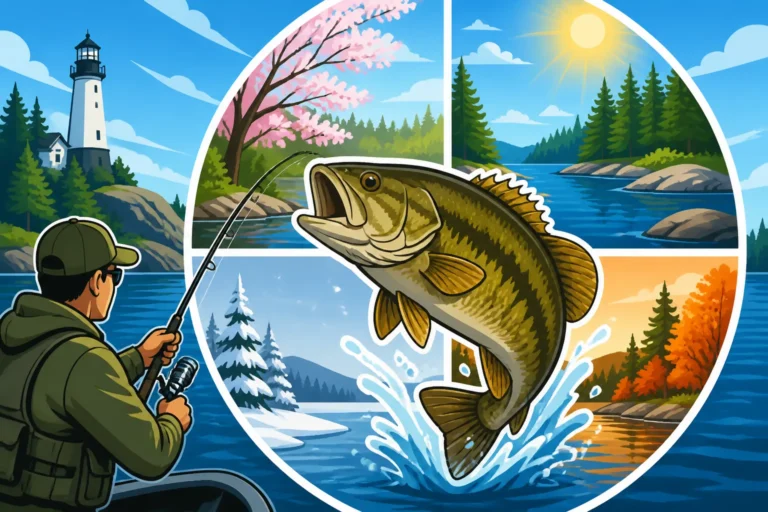
- Spring (Post-Spawn): After the spawn (which typically occurs in late May to early June, depending on water temperature), smallmouth are often hungry and aggressive, feeding heavily to recover their energy. They'll be found shallower as waters warm. This is a fantastic time for both numbers and quality.
- Summer: As water temperatures rise, smallmouth will often move to deeper, cooler waters, concentrating around structure like rocky points, drop-offs, and submerged humps. Early mornings and late evenings are often the most productive times. Best Time of Year to Fish in Maine provides a broader overview of seasonal opportunities.
- Fall: As waters cool again, smallmouth will begin to feed heavily in preparation for winter, often moving back shallower. This can be another excellent time for big bass, as they gorge on baitfish. They remain active until ice-up.
Understanding the seasonal movements and feeding patterns of smallmouth bass will significantly increase your chances of success. Pair this knowledge with accurate information about the regulations, and you're set for an unforgettable Maine fishing adventure.
Disclaimer
This article is for general informational purposes only and does not constitute professional advice. Laws, prices and regulations vary by location and change over time. Consult a qualified professional for guidance on your specific situation.