How to Identify a Brook Trout
Maine brook trout identification details include torpedo-shaped bodies, worm-like back markings, and signature red and blue halo spots.
Know what’s on the line.
Gamefish and panfish profiles — identification, behavior, feeding habits, and species-specific strategies for every catch.
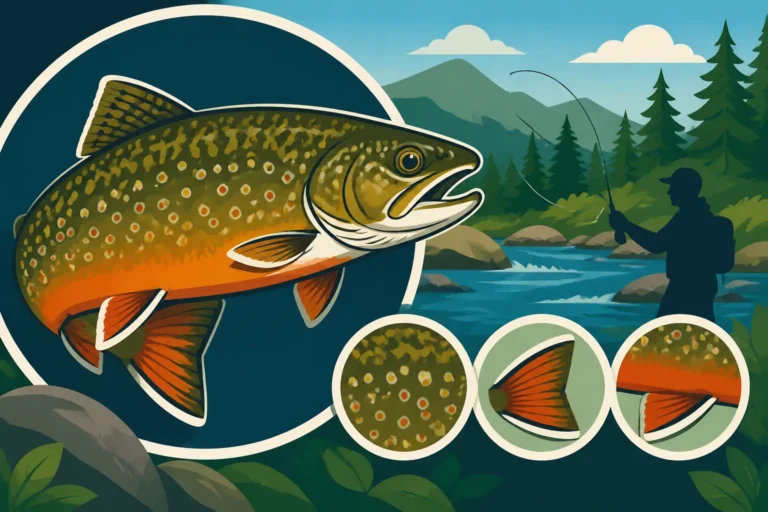
Maine brook trout identification details include torpedo-shaped bodies, worm-like back markings, and signature red and blue halo spots.
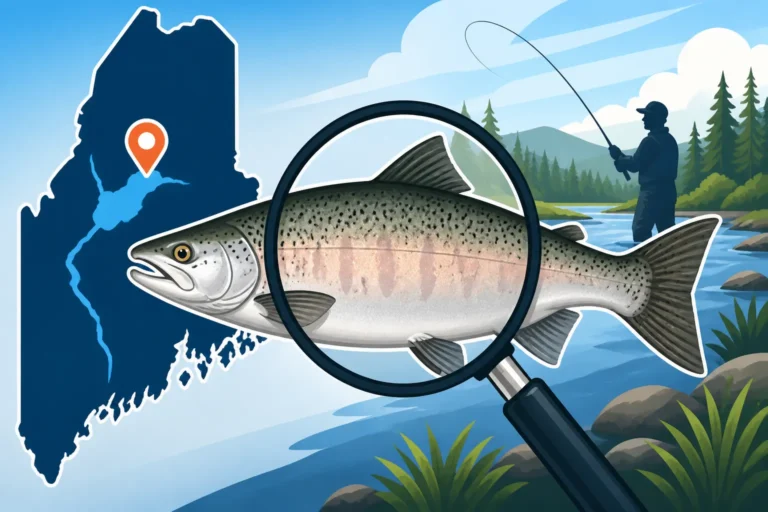
Landlocked salmon identification in Maine lakes helps anglers follow legal bag limits and support local conservation efforts.
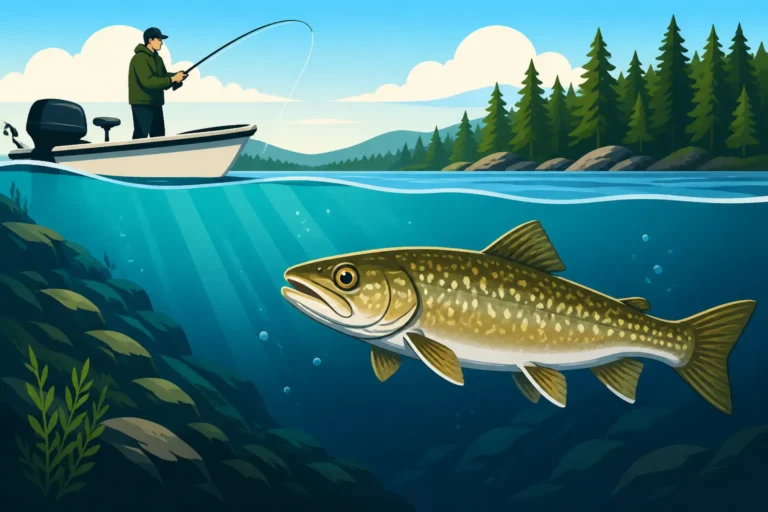
Maine lake trout, known locally as togue, live in cold water below the thermocline and follow rainbow smelt and minnows.
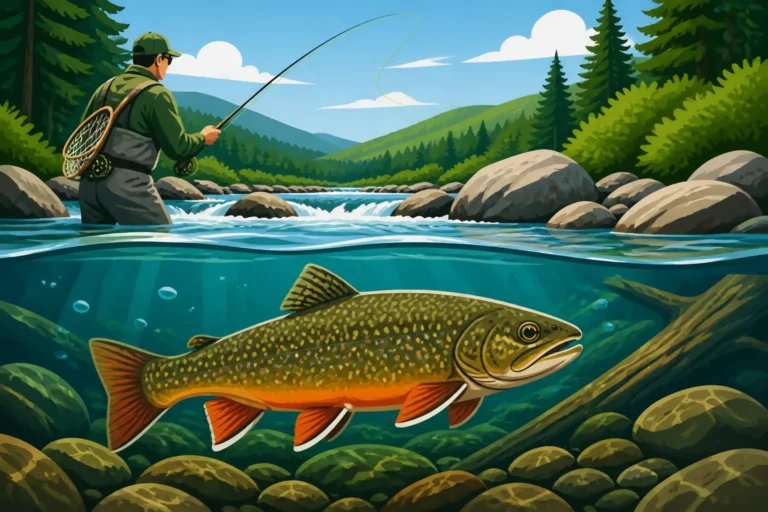
Wild Maine brook trout habitats, including cold oxygenated water and shelter structures like fallen logs, explained for anglers.
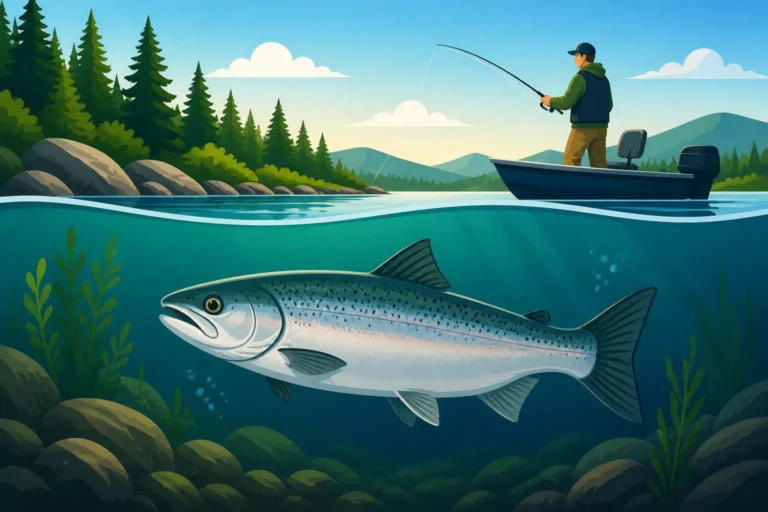
Maine landlocked salmon habitat requirements include cold water, high oxygen levels, and a robust rainbow smelt population.
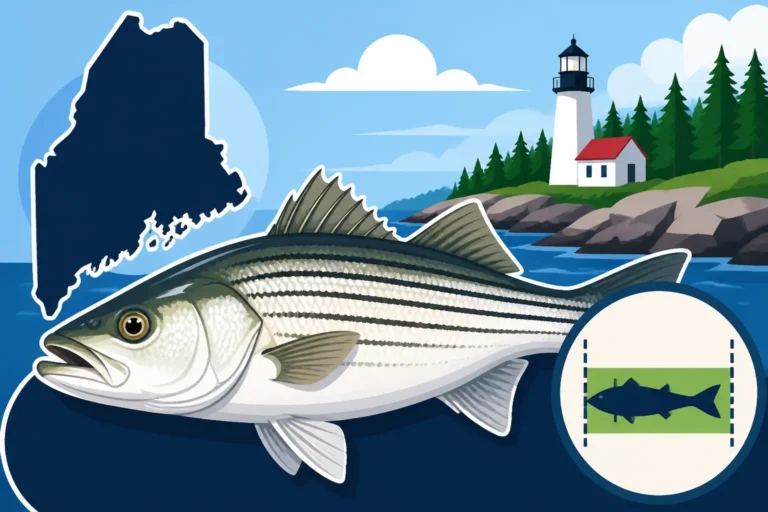
Maine striped bass slot limits define legal harvest sizes to protect juveniles and mature breeders, ensuring sustainable fisheries.
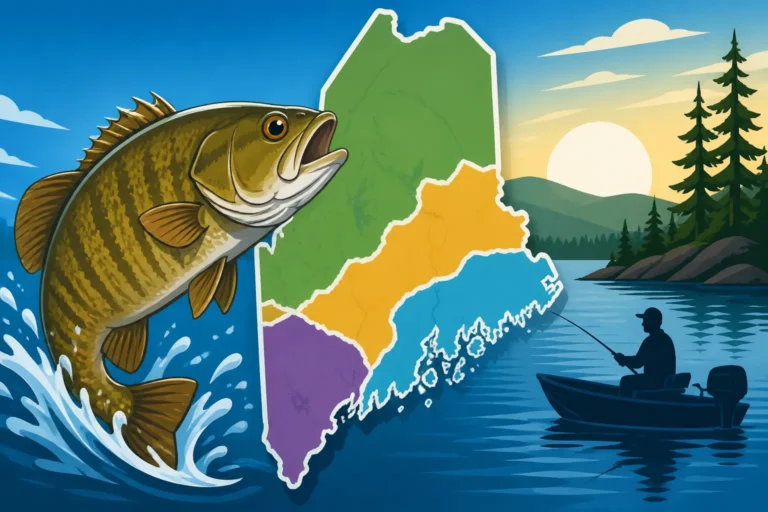
Maine smallmouth bass regulations vary by North Zone and South Zone, setting specific daily bag and length limits for anglers.
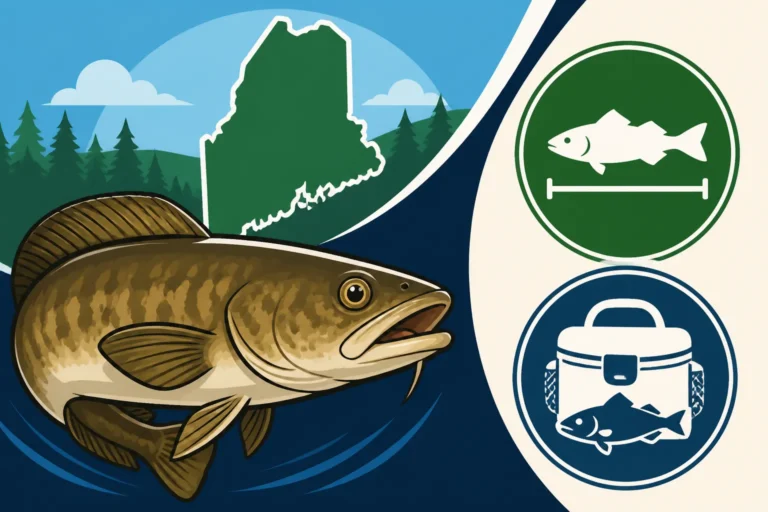
Maine togue size and bag limits protect lake trout populations and ensure sustainable fishing across the state.
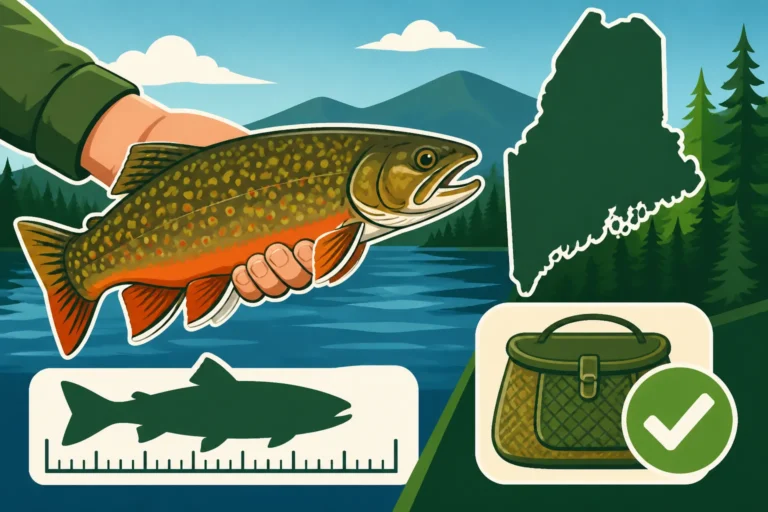
Maine brook trout size and daily bag limits explain legal catch quantities, possession rules, and minimum length requirements for anglers.
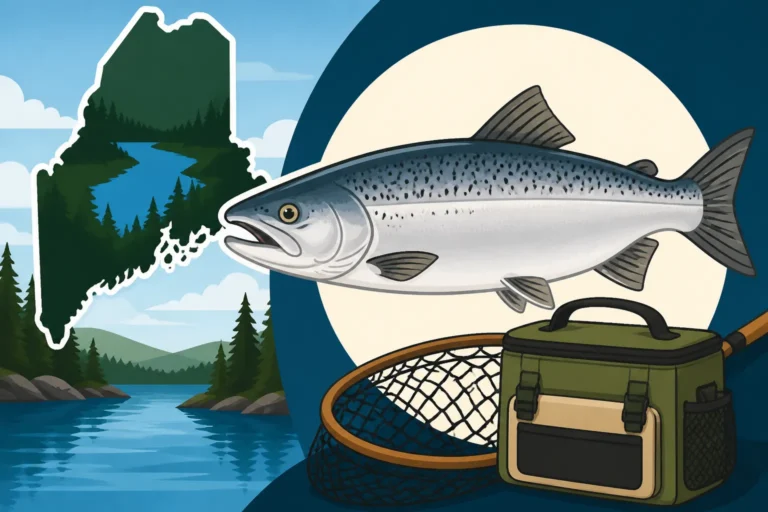
Maine fishing regulations detail legal size and bag limits for landlocked salmon across lakes like Sebago and Moosehead.