How to Winterize Fishing Gear After Ice-Out
Ah, the sound of cracking ice and the sight of open water returning to our beloved Maine lakes and ponds can feel like a breath of fresh air after a long winter of ice fishing. It's tempting to just stash all that gear in the garage and dive headfirst into planning your spring open water trips, but believe me, overlooking proper winterization after ice-out is a common mistake that can cost you time, money, and a whole lot of frustration when next winter rolls around. This guide is all about giving your ice fishing equipment the post-season care it deserves, ensuring it's ready and reliable when those hardwater days call again.
Why Post-Ice-Out Winterization Is Crucial
You might be thinking, "Winterization? Isn't that something you do before winter?" And you'd be half right! But for ice fishing gear, the period right after the ice melts and before you completely forget about those tip-ups and augers is absolutely critical. Think about it: your gear has just spent months in freezing temperatures, exposed to slush, melting snow, and often, quite a bit of moisture. Leaving it in that state to sit for six or seven months is a recipe for disaster.
The Impact of Neglect
We've all been there, right? You toss your gear into a corner, exhausted after the last hardwater trip, and promise yourself you'll get to it "later." Later turns into spring, then summer, then fall, and suddenly it's December again. You pull out your favorite tip-ups only to find lines rotted, flags rusted, and mechanisms stiff. Or worse, you haul your auger out, try to start it up, and it just sputters because residual fuel went stale. It’s a gut-wrenching feeling when you’re itching to get on the ice and your gear lets you down. Not to mention the financial hit of replacing damaged equipment. This post-ice-out care isn't just about storage; it's about active preservation and preparing for future success.
Extending the Lifespan of Your Investment
Maine anglers invest a lot in their ice fishing gear. From specialized rods and reels to high-tech fish finders and comfortable ice shacks, these aren't cheap items. Proper cleaning, drying, lubrication, and storage can significantly extend the life of your equipment. It's an act of respect for the gear that's brought you so much joy and so many fish. Taking a little time now means your rods won't develop stress fractures, your reels won't seize, and your expensive electronics won't corrode. Think of it as a small insurance policy for your next winter's adventures.
Rods and Reels: The Heart of Your Ice Fishing Setup
Your ice fishing rods and reels are often smaller than their open water counterparts, but they work just as hard, enduring cold, moisture, and the strain of battling fish through a hole in the ice. Giving them meticulous attention now will prevent countless headaches later.
Caring for Your Ice Rods
Start by wiping down the entire rod blank with a damp cloth to remove any grime, salt, or mud. Pay close attention to the guides; inspect them for any cracks or bent rings, which can fray your line. A small brush can help dislodge any gunk around the guide feet. Don't forget the handle! If it's cork, a gentle scrub with a mild soap and water solution will clean it up. For foam handles, a simple wipe-down is usually sufficient. Make sure the rod is completely dry before storing it. Store your rods either vertically in a rod rack or horizontally, ensuring they aren't under any pressure that could cause a permanent bend. If you keep them in rod sleeves, ensure the sleeves are also clean and dry.
Reel Maintenance for Longevity
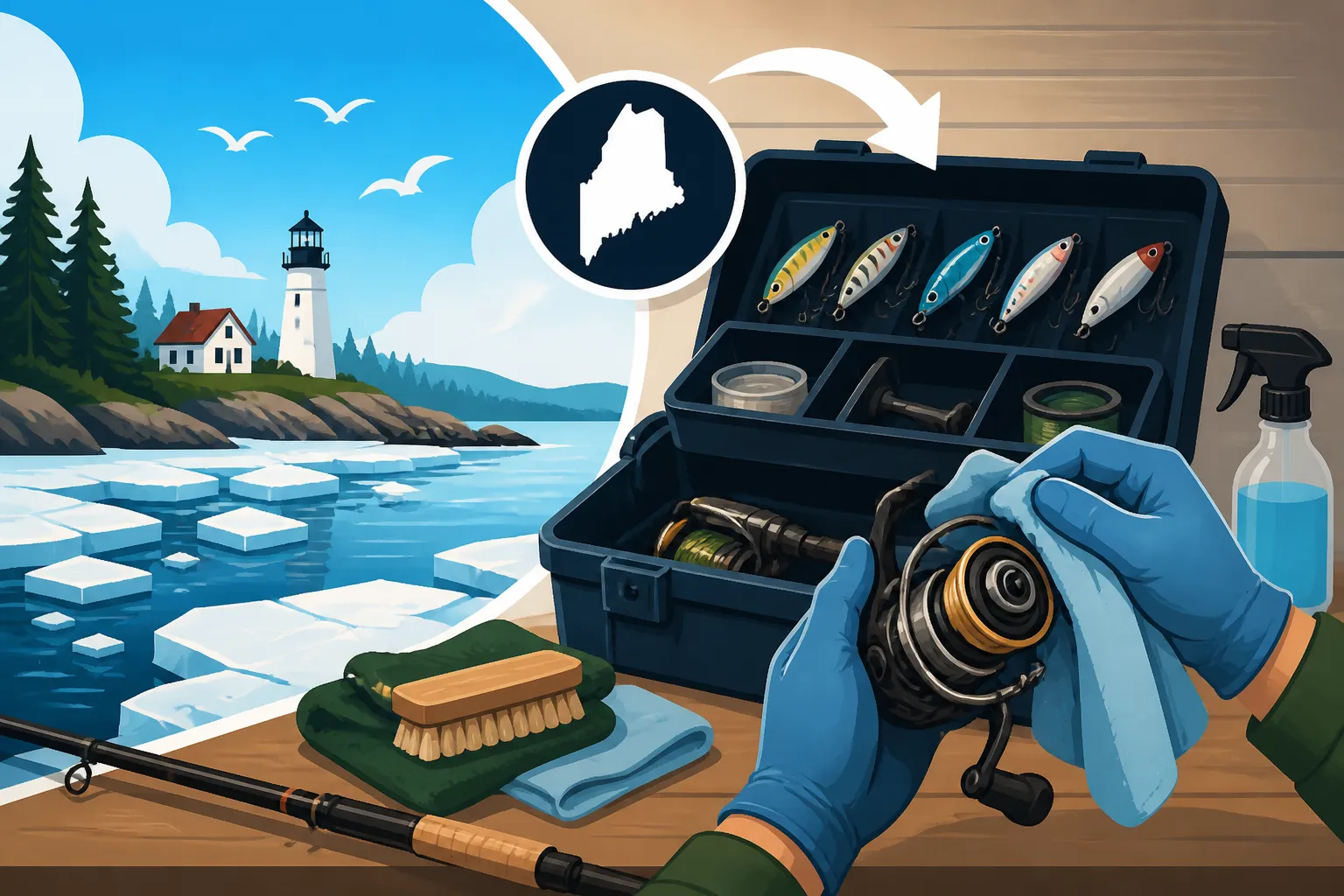
This is where many anglers get lazy, and it’s a big mistake. First, remove all the line from your reel. Monofilament and fluorocarbon lines can develop "memory" and weaken over time, especially after being spooled tight for months. This is also a great opportunity to inspect your reel and decide if you want to replace the line with fresh stuff for next season – most pros do! Next, give the reel a thorough cleaning. Use a soft brush and a mild cleaning solution to get into all the nooks and crannies, especially around the spool and drag system. Wipe it down completely and ensure it's bone dry. Then, apply a few drops of reel oil to the moving parts, following your reel manufacturer's recommendations, and a tiny bit of grease to the main gears if your reel allows. Be careful not to over-lubricate. Finally, loosen the drag completely before storing. Keeping the drag tight can compress the washers and reduce their effectiveness over time. Properly maintained reels will perform smoothly and reliably, just like you expect. You can often find specialized reel cleaning kits and lubricants on Amazon to make this task easier.
Tip-Ups, Augers, and Ice Shacks: Bulky Gear Care
These larger, more cumbersome pieces of gear require their own special considerations, especially when it comes to drying and preventing rust or mold. Neglecting these can lead to major disappointments come next winter.
Tip-Up Tune-Up
Your tip-ups have been exposed to a lot of abuse – freezing water, snow, slop, and maybe even a few bumps and drops. Start by giving each tip-up a good scrub with a brush and warm, soapy water. Clean the spools, shafts, and flag mechanisms. Pay particular attention to the line, especially the leader and hook. If the line shows any signs of fraying, replace it. You might even consider replacing all the line on your tip-ups periodically, just like with reels. Lubricate any pivot points with a light oil to keep them moving freely. The most important step? Let them fully air dry, ideally in the sun for a day or two, before putting them away. This prevents rust on metal components and ensures the line isn't put away damp. Store them in a way that prevents lines from tangling, perhaps in a dedicated tip-up bag or bucket.
Auger Care for Easy Starts
The auger is your ticket through the ice, and a well-maintained one is a joy to use. A neglected one is a nightmare. For gas-powered augers, this is critical: drain all the fuel, or at the very least, add a fuel stabilizer and run the engine for a few minutes to ensure the stabilized fuel circulates. Change the spark plug and inspect the air filter. For electric augers, store the battery in a cool, dry place, keeping it charged to the manufacturer's recommendations (often a partial charge, not full or empty). Clean the powerhead thoroughly, removing any ice, mud, or grime. For all augers, inspect the blades. If they're dull or nicked, now is the time to have them sharpened or replaced. Apply a light coat of oil or silicone spray to the blades and cover them with a blade guard to prevent rust and protect yourself. For hand augers, sharpen the blades and oil them thoroughly before storage.
Ice Shack Storage Solutions
Your ice shack provides shelter and comfort, so proper post-season care is vital to prevent mold, mildew, and rodent damage. First, set up your shack somewhere warm and sunny – your driveway or yard is perfect – and let it dry out completely. I mean bone dry. Even a little moisture can lead to a terrible mold problem that will greet you next season. Vacuum out any debris, spilled bait, or trash. Inspect the fabric for any tears or rips and patch them now. Check zippers and lubricate them if they're stiff. Make sure poles and hubs are clean and undamaged. Once it's spotless and completely dry, fold it neatly and store it in its bag in a cool, dry place away from direct sunlight. Consider placing it in a heavy-duty storage bin or container if you have concerns about rodents, as they love to nest in canvas. Don't forget that Maine Ice Shack Removal Deadline After Ice Out is serious business – get that shack off the ice before it’s too late!
Clothing, Electronics, and Accessories: Don't Forget the Details
It's easy to focus on the big items, but those smaller pieces of gear and your specialized winter apparel are just as important and deserve equal attention.
Apparel and Footwear Refresh
Your ice fishing suit, gloves, hats, and specialized boots keep you warm and dry in harsh conditions. After ice-out, they've likely seen better days. Wash your fishing apparel according to the manufacturer's instructions, paying special attention to any waterproof layers. Many require specific detergents to maintain their water-repellency. Make sure everything is completely dry before storage to prevent mildew and odors. Inspect for any tears or worn spots and repair them. For boots, clean off all mud and salt, then apply a waterproofing treatment if needed. Store them in a well-ventilated area. Imagine pulling out a musty, moldy suit next season – no thank you!
Electronic Device Protection
Your fish finder, GPS, and underwater camera are invaluable on the ice. The critical step here is to remove all batteries from these devices before long-term storage. Leaving batteries in can lead to corrosion, which can permanently damage your electronics. Clean the units themselves with a soft, damp cloth, ensuring no moisture gets into ports or compartments. Store them in their protective cases, ideally in a climate-controlled environment – a closet inside your house is far better than a damp garage. This protects them from extreme temperature fluctuations and humidity. You might also want to pick up some small silica gel packets on Amazon to place in storage cases for extra moisture absorption.
Tackle Boxes and Tools
Open your tackle box, remove all lures and baits, and clean it thoroughly. Any old bait, spilled liquids, or debris can attract pests or cause rust. Inspect your lures for dull hooks (sharpen them!), rust spots (remove or replace), and damaged skirts or plastics. Make sure everything is dry before putting it back. Organize your tackle so it's ready to go for next season. Small tools, like pliers, hook removers, and line clippers, should be cleaned, lightly oiled (especially the pivot points), and stored in a dry environment to prevent rust. Your fishing sled or bucket also needs a good wash and dry. Check for cracks or damage and repair as needed.
A Post-Ice-Out Winterization Checklist
To make things a bit easier, here’s a quick checklist you can use when you're tackling your gear after the ice has finally retreated from Maine's waters.
| Gear Item | Key Winterization Steps |
|---|---|
| Ice Rods | Wipe down blanks, inspect guides, clean handles, ensure complete dryness, store vertically/horizontally without pressure. |
| Ice Reels | Remove all line, deep clean with mild soap, lubricate moving parts with reel oil/grease, loosen drag completely, store in protective cases. |
| Tip-Ups | Thoroughly clean all components, inspect/replace line, lubricate pivot points, fully air dry, store to prevent tangles. |
| Augers | Gas: Drain/stabilize fuel, change spark plug, clean air filter. Electric: Remove/store battery as per instructions. All: Clean powerhead, inspect/sharpen/oil blades, use blade guard. |
| Ice Shacks | Set up for complete drying (critical!), vacuum/clean interior, inspect/patch tears, lubricate zippers, fold neatly, store in a cool, dry place safe from rodents. |
| Apparel/Footwear | Wash according to instructions, ensure full dryness, inspect/repair, apply waterproofing to boots, store in ventilated area. |
| Electronics | Remove all batteries, clean units, store in protective cases in a climate-controlled environment, consider silica gel packets. |
| Tackle Box/Tools | Empty, clean, organize, inspect/sharpen lures/hooks, oil metal tools, ensure all components are dry before re-storing. |
| Misc. Gear (Sleds) | Wash and dry thoroughly, inspect for damage, repair if necessary. |
Taking the time to go through these steps really does make a huge difference. You'll thank yourself next time you're getting ready for Maine Ice Fishing Rules Guide or wondering about When Does Maine Ice Fishing Season End?. Having properly maintained gear means less stress and more time enjoying the beautiful frozen landscapes Maine has to offer. Whether you're fishing for Brook Trout Daily Bag Limits or going after Maine Togue and Lake Trout Limits, a little prep now goes a long way.
Remember, this isn't just a chore; it's an important part of the angling cycle, a bridge between two seasons of adventure. By taking care of your gear, you're not just preserving equipment, you're preserving the memories you made on the ice and ensuring many more successful trips to come.
Disclaimer
This article is for general informational purposes only and does not constitute professional advice. Laws, prices and regulations vary by location and change over time. Consult a qualified professional for guidance on your specific situation.