How to Choose a Fly Rod for Trout
Stepping into the world of fly fishing for trout can feel incredibly exciting, but also a little daunting. You walk into a fly shop or browse online, and suddenly you're faced with a bewildering array of rods: different lengths, weights, actions, and materials. It's enough to make anyone's head spin, especially when you're just trying to figure out the best stick to chase those beautiful brook trout or feisty landlocked salmon in Maine. This guide is here to break down the essentials, helping you confidently choose a fly rod that’s perfectly suited for your trout fishing adventures here in the Pine Tree State.
Demystifying Fly Rod Terminology: Weight, Length, and Action
When you first start looking at fly rods, you'll encounter a few key terms that can seem like a secret language. But don't worry, they're simply descriptors that tell you a lot about how a rod performs and what kind of fishing it's designed for. Understanding these core concepts—rod weight, length, and action—is the first crucial step to making an informed decision for your Maine trout pursuits.
Understanding Rod Weight: The Heart of Your Setup
The "weight" of a fly rod refers to its designated line weight, not the physical weight of the rod itself. This number, typically ranging from 0 (ultra-light) to 15 (heavy saltwater), tells you what weight fly line the rod is designed to cast most efficiently. The fly line is what carries your fly to the target, so matching it correctly to your rod is paramount for good casting.
For trout fishing in Maine, you'll generally be looking at rods in the lighter to medium-light range. A 3-weight rod is incredibly delicate, perfect for presenting tiny dry flies to small brook trout in tight, overgrown streams where precision is key. Moving up, a 4-weight offers a bit more versatility, still gentle enough for dries but with a touch more backbone for nymphing or casting slightly larger flies. The 5-weight is often hailed as the "all-around" trout rod, capable of handling a wider range of flies, from small dries to heavier nymphs and even some streamer patterns, and it can fight a decent-sized fish without feeling completely outmatched. For larger trout, especially our strong landlocked salmon in bigger lakes, you might even consider a 6-weight, which provides more power for casting into the wind or throwing bigger, heavier flies like those used for streamer patterns for landlocked salmon.
| Rod Weight | Primary Target Species in Maine | Typical Fishing Conditions | Key Advantages |
|---|---|---|---|
| 2-3 Weight | Small Brook Trout | Small streams, close quarters, delicate presentations | Ultra-light, sensitive, precise for small dries |
| 4 Weight | Brook Trout, Smaller Rainbow/Brown Trout | Medium streams, varied techniques | Good all-rounder for smaller waters, good feel |
| 5 Weight | All Trout Species, especially average size | Rivers, larger streams, smaller lakes; versatile | The most versatile trout rod, handles many techniques |
| 6 Weight | Landlocked Salmon, Large Lake Trout, Big Bass | Larger rivers, open lakes, windy conditions, bigger flies | More power for distance, wind, and bigger fish |
Rod Length: Reaching Out or Keeping It Close
Fly rod lengths typically range from 6 feet to over 10 feet, and just like weight, the ideal length depends on where and how you plan to fish. Shorter rods (7-8 feet) excel in situations where casting room is limited, like brushy streams in the North Woods where you're casting under low branches for brookies. They're lighter in hand and easier to maneuver in tight spots.
Longer rods (9-10 feet) offer several advantages. They provide better line control, making it easier to mend your line, which is crucial for getting a natural drift with nymphs and dry flies in complex currents. They also help with casting distance and reaching across wider sections of water. A 9-foot rod is a very popular choice for general trout fishing because it strikes a good balance between casting power and maneuverability. If you're doing a lot of nymph fishing or fishing from a drift boat on a larger river, a 10-foot rod can be a real asset for precise mends and keeping more line off the water. Consider your typical fishing environment; if you spend most of your time on smaller tributaries, a shorter rod might be more enjoyable. If you're often on larger bodies of water like parts of the Penobscot River or Sebago Lake, a longer rod could be more effective.
Understanding Rod Action: The Flex and Feel
The "action" of a fly rod describes how much and where the rod bends when casting or fighting a fish. This greatly influences how a rod feels in your hand and how it performs. There are generally three categories:
- Fast Action: These rods bend primarily in the top third of the blank. They offer power and precision, allowing for longer casts and punching through windy conditions. Fast action rods are often favored by experienced casters and those targeting larger, stronger fish like landlocked salmon, where quick hook sets and turning a powerful fish are important. They demand good timing from the caster but can be incredibly rewarding.
- Medium Action: Also known as "mid-flex," these rods bend through the upper half of the blank. They are a great compromise, offering a balance of casting distance, delicate presentation, and fish-fighting power. Medium action rods are often recommended for beginners because they are more forgiving and provide a better feel for the line loading. They are fantastic all-around trout rods for various techniques and conditions you might encounter while fly fishing for beginners in Maine.
- Slow Action: These rods bend throughout most of their length, almost down to the handle. They are often associated with classic bamboo rods and excel at delicate presentations of small dry flies. Slow action rods are incredibly enjoyable for short-to-medium casts and offer a wonderful "feel" during the cast, allowing you to really slow down and appreciate the rhythm. While they might struggle in strong winds or with heavy flies, they are a joy for chasing smaller brook trout in intimate settings.
For most general trout fishing in Maine, a medium or medium-fast action rod will serve you well. It provides the versatility to handle a variety of situations without being overly demanding on your casting stroke.
Tailoring Your Rod to Maine's Trout and Conditions
Maine is a diverse fishing paradise, offering everything from tiny, wild brook trout streams to vast lakes holding trophy landlocked salmon and lake trout. The "best" fly rod for trout here isn't a one-size-fits-all answer; it truly depends on what species you're chasing and where. Let's dig into how your specific angling goals in Maine should guide your rod choice.
Rods for Wild Brook Trout Streams
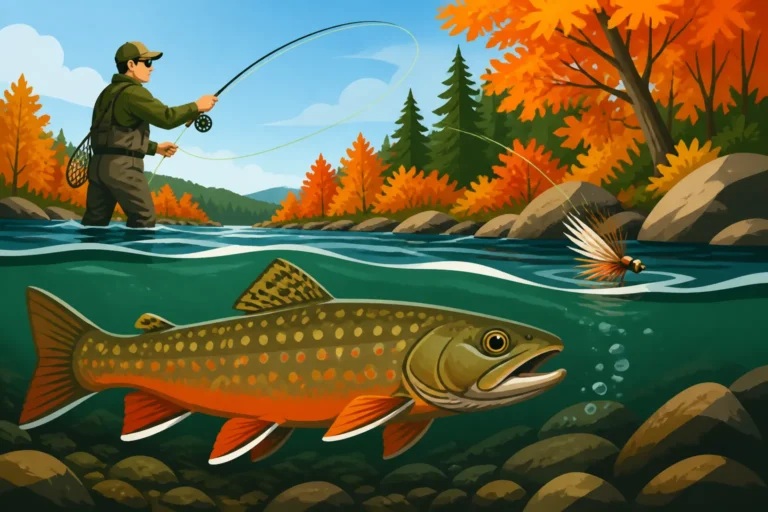
If your heart yearns for the vibrant colors of native brook trout in remote Maine streams, your rod choice should prioritize delicate presentation and maneuverability. Many of these waters are intimate, often lined with alders and maples, demanding short, accurate casts.
For these situations, a 3-weight, 7 to 8-foot rod with a medium-slow to medium action is often the sweet spot. The lighter weight ensures your small dry flies or tiny nymphs land with barely a ripple, crucial for spooky wild fish. The shorter length is a godsend when you're casting under overhanging branches or navigating tight bends. A more flexible action allows for those precise, subtle presentations without overpowering the delicate tippet necessary for small flies. Think of the experience as a ballet, not a power lift. You might be interested in exploring some of the smaller ponds and streams you'd find mentioned in a guide to Brook Trout Fishing in Maine.
Rods for Landlocked Salmon and Larger Lake Trout
When you step up to chasing the powerful landlocked salmon in lakes like Sebago Lake or Moosehead Lake, or targeting bigger lake trout (togue) in their deep, cold waters, you'll need a rod with more muscle. These fish fight hard, make strong runs, and often require casting larger, heavier flies—especially streamers.
For these species, a 5 or 6-weight, 9-foot rod with a medium-fast to fast action is generally recommended. A 5-weight can be versatile, especially if you're also targeting sizable brook trout or brown trout, but the added backbone of a 6-weight truly shines when you're trolling streamers or casting bigger patterns into a stiff breeze. The extra length helps with distance casting across open water and gives you more leverage when fighting a strong fish that's trying to make a dash for the depths. The faster action provides the power needed to cast those heavier flies and offers the quick hook-setting ability essential for firm mouths of salmon and togue. You'll find that these larger game fish in Maine demand a different kind of fight, and your rod needs to be up to the challenge.
Versatility for Mixed Bag Fishing
Many anglers in Maine don't always target one specific species or water type. Maybe one day you're on a small stream for brookies, and the next you're hitting a larger river for various trout or even smallmouth bass. If you're looking for a single rod to do a bit of everything, versatility is key.
The perennial favorite for a do-it-all trout rod is a 9-foot, 5-weight rod with a medium-fast action. This combination is incredibly adaptable. It's capable of delicately presenting dry flies, has enough power to cast nymphs with an indicator, and can even throw smaller streamer patterns. It's forgiving enough for a wide range of casting abilities and strong enough to handle most trout species you'll encounter in Maine's varied waters. If you're still exploring different aspects of fly fishing, this choice will allow you to experiment with various techniques like How to Nymph Fish for Trout or casting dry flies without feeling under-gunned or over-gunned. It's a fantastic starting point for building your fly fishing arsenal.
Beyond the Rod: Reel, Line, and Budget Considerations
Choosing the fly rod is a big step, but it's just one piece of the puzzle. To have a functional and enjoyable fly fishing setup, you also need to consider the reel, the fly line, and, of course, your budget. These elements work together, and a balanced system will make your time on the water much more effective and fun.
The Importance of a Balanced Reel and Line
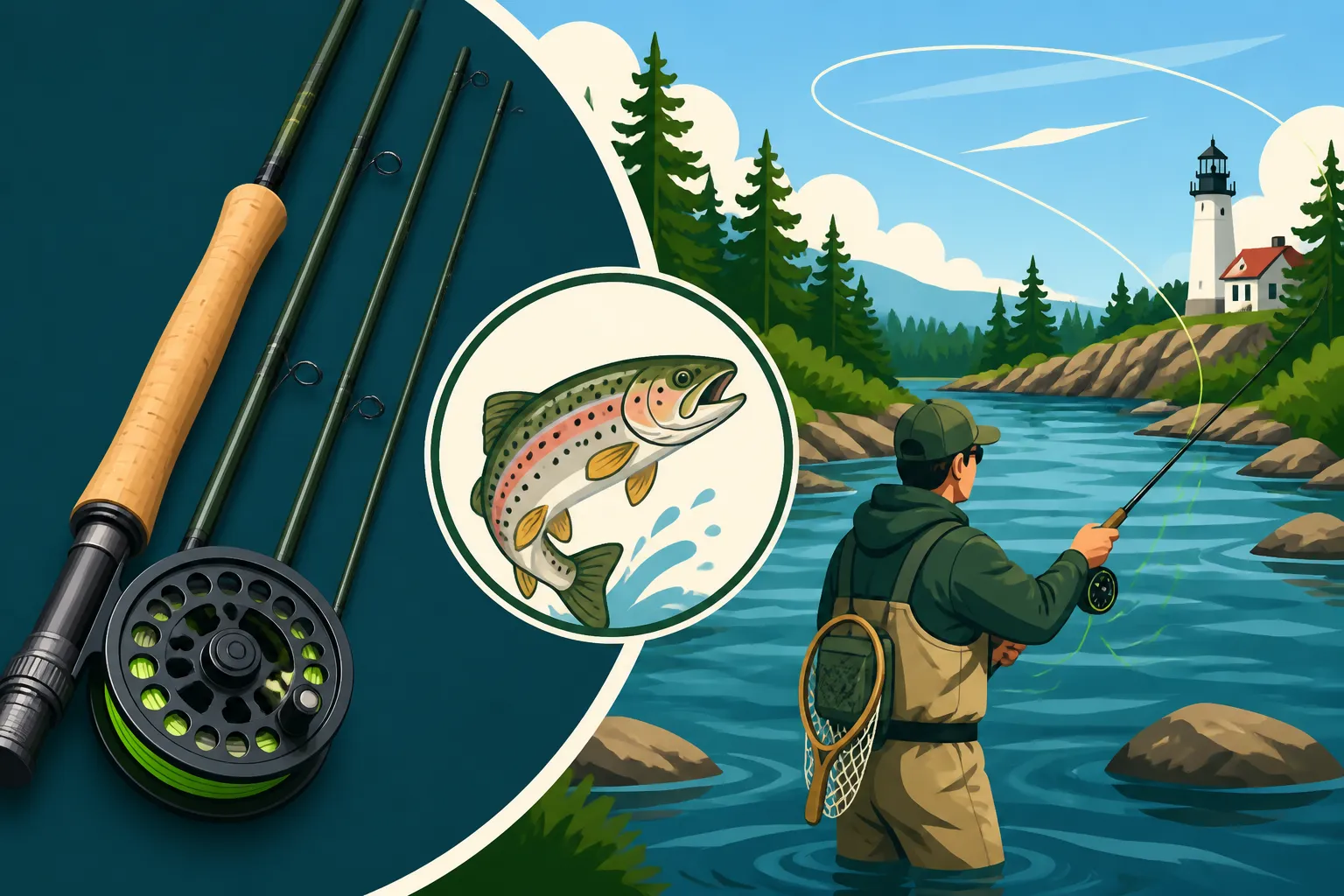
A fly reel's primary job is to hold your fly line and provide a drag system to fight fish. For trout fishing, especially with lighter rods, the reel doesn't need to be overly complex or expensive. Its main role is to balance the rod. When the rod, reel, and line are balanced, the entire outfit feels comfortable and performs better, reducing casting fatigue.
- Reel Choice: For most trout fishing in Maine, a standard click-and-pawl or a basic disc drag reel will be perfectly sufficient. Match the reel size to your rod weight (e.g., a 5/6 weight reel for a 5-weight rod). Some reels come in sets with the rod and line already matched, which can be a great option for beginners looking for a simple start. You can often find decent quality entry-level reels from brands readily available on platforms like Amazon.
- Fly Line: This is arguably the most critical component after the rod itself. The fly line is what gives your cast its weight and delivers your fly. For most trout fishing, a Weight Forward (WF) floating line is the standard. It has a heavier taper towards the front, which helps with casting distance and turnover. Match the line weight exactly to your rod weight for optimal performance (e.g., a WF5F line for a 5-weight rod). If you anticipate needing to get flies deeper quickly, a sinking tip or full sinking line might be an additional purchase, but a floating line is where you should start. Learning about your line's taper and how to manage it is a key aspect of Fly Fishing Techniques for Maine Rivers.
Setting Your Budget: Quality vs. Cost
Fly rods, like most outdoor gear, come in a vast range of prices. You can find complete beginner setups for a modest sum, or high-end rods that cost a pretty penny. It's easy to get caught up in the allure of expensive gear, but a higher price tag doesn't always equate to a better experience, especially for those just starting out.
- Entry-Level Options: For beginners or those on a tighter budget, many reputable brands offer excellent entry-level combos (rod, reel, and line) that perform surprisingly well. These are often great for getting started and seeing if fly fishing truly hooks you. You'll find solid options that won't break the bank and will still allow you to catch plenty of fish. Look for these types of kits online or at local sporting goods stores.
- Mid-Range Rods: Stepping up to a mid-range rod (and purchasing the reel and line separately) opens up a world of better materials, lighter blanks, and improved components. These rods often offer a significant performance boost over entry-level models, with smoother casting and better feel. This is where many seasoned anglers find their everyday workhorse rods.
- Premium Rods: At the top end, you're paying for cutting-edge technology, premium materials like high-modulus graphite, meticulous craftsmanship, and often a lifetime warranty. These rods are incredibly light, powerful, and responsive, offering an unparalleled casting experience. While not necessary for catching fish, they can make the act of casting and fishing a true pleasure. However, for most anglers, a mid-range rod will provide 90% of the performance at a fraction of the cost. When browsing various retailers, you'll see a huge spectrum of price points, and places like Amazon can be a good spot to compare customer reviews across different tiers.
Remember, a more expensive rod won't magically make you a better caster or catch more fish. Practice, understanding the water, and proper technique are far more important. Invest in the best quality you can comfortably afford, but don't feel pressured to buy the most expensive gear right away.
Making Your Final Choice and Getting Started on Maine Waters
At this point, you've got a much clearer picture of fly rod weights, lengths, actions, and how they relate to the diverse trout fishing opportunities here in Maine. Now it's time to consolidate that knowledge and confidently pick the right rod for you. Don't let the sheer number of options overwhelm you; armed with this information, you're well on your way to making a smart decision.
Key Questions to Guide Your Decision
Before you pull the trigger on a purchase, ask yourself these guiding questions to narrow down the field:
- What species will I primarily target? If it's mostly small brook trout in tight streams, lean towards lighter, shorter rods. If landlocked salmon in open water is your main goal, a heavier, longer, faster rod is better.
- Where will I mostly be fishing? Tiny, brushy brooks demand shorter rods. Wide-open rivers or lakes benefit from longer rods for better line control and casting distance.
- What's my experience level? Beginners often benefit from medium-action rods that are more forgiving. Experienced casters might prefer faster actions for power and precision.
- What's my budget? Be realistic about what you want to spend, and remember that an entire outfit (rod, reel, line) is what you need. A balanced, affordable combo is often better than a high-end rod with a cheap, unbalanced reel and line.
Think about places like the Best Fly Fishing Rivers in Western Maine or the many small ponds that hold brookies. Your chosen fishing spots will often dictate the most suitable rod characteristics.
Testing and Trying Before You Buy
While online research (and reading guides like this one!) is invaluable, nothing beats actually holding a rod in your hand. If possible, visit a local fly shop. They often have casting areas or even demo days where you can try out different rods.
- The "Waggle Test": In the shop, give the rod a few gentle waggles. Does it feel light and balanced? Does the action feel right? A good fly shop owner will be able to help you understand the nuances of different rods and might even suggest a few casts outside to truly feel the rod load and unload.
- Consider a Combo: For those just starting out, a ready-to-fish combo that includes a rod, reel, and line is a fantastic way to begin. These are often well-balanced setups designed for beginners, eliminating the guesswork of matching components. Many solid options are available, and checking reviews on large online retailers like Amazon can help you find a popular and reliable starter kit.
Don't Forget the Supporting Cast of Gear
Once you've settled on your rod, reel, and line, remember there are a few other essentials you'll need to hit the water:
- Leader and Tippet: These nearly invisible lines connect your fly line to your fly. Leaders taper down from thick to thin, and tippet material (which you knot to the end of your leader) allows you to extend the life of your leader and use different strengths for various flies.
- Flies: This is where the magic happens! You'll need an assortment of flies appropriate for trout, including dry flies, nymphs, and streamers. A good starting point would be to learn about Fly Selection for Brook Trout or perhaps Best Streamer Patterns for Landlocked Salmon.
- Waders and Boots: Unless you're strictly shore fishing, good waders and wading boots will keep you dry and comfortable.
- Vest or Pack: To hold your fly boxes, tippet, nippers, and other small accessories.
- Maine Fishing License: Absolutely crucial! Make sure you have your Maine Fishing License Guide sorted out before you even think about casting a line.
Choosing your first (or next!) fly rod for trout fishing in Maine is an exciting part of the journey. By understanding the basics of rod weight, length, and action, and considering your specific fishing goals and budget, you'll be well-equipped to make an informed choice. Soon, you'll be out on the beautiful waters of Maine, casting your line with confidence and reeling in those unforgettable trout memories.
Disclaimer
This article is for general informational purposes only and does not constitute professional advice. Laws, prices and regulations vary by location and change over time. Consult a qualified professional for guidance on your specific situation.