Best Trolling Speed for Landlocked Salmon
Getting your boat speed just right when you're trolling for landlocked salmon in Maine can feel like trying to solve a puzzle in a moving boat. It's frustrating to spend hours on the water, watching others hook up, while your line remains stubbornly still. But fear not, fellow angler! This comprehensive guide is here to demystify the art and science of finding that perfect trolling speed to entice those majestic Maine landlocked salmon.
Understanding Landlocked Salmon Behavior and Trolling Dynamics
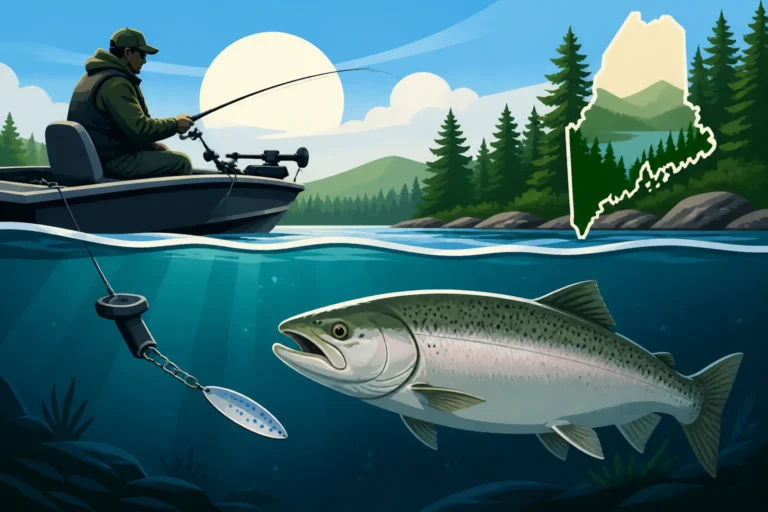
Trolling for landlocked salmon isn't just about dragging a lure behind your boat; it's a sophisticated dance with nature, where your boat speed plays a critical role in how your presentation interacts with the fish. These beautiful, hard-fighting fish are true apex predators in Maine's cold, clear lakes, and they have keen senses. Their response to your lure is heavily influenced by how natural and enticing it appears, and that's almost entirely dictated by your trolling speed. Thinking about the life of a landlocked salmon helps immensely: they are constantly seeking out baitfish like smelt, and your lure needs to mimic that prey perfectly.
How Salmon React to Speed and Presentation
Imagine a school of baitfish darting through the water. They move with purpose, but often with erratic bursts and subtle wobbles. When you're trolling, your lure is meant to be one of these baitfish. If you're moving too fast, your lure might spin unnaturally, or look like a frantic, injured fish that no savvy salmon would bother to chase. Conversely, too slow, and your lure might just drag lifelessly, failing to activate its built-in action. Each lure, whether it's a streamer fly, a spoon, or a stickbait, is designed to perform optimally at a specific speed range, generating the flash, vibration, and swimming motion that triggers a salmon's predatory instinct.
Landlocked salmon are also known for being opportunistic feeders. They can be aggressive, chasing down fast-moving prey, but they can also be finicky, preferring a subtle, wounded baitfish presentation. This is where the nuance of trolling speed comes in. On some days, a rapid, erratic retrieve might be the ticket, especially if they're actively feeding. On others, a slow, methodical pull might be what tempts them to strike. It's a constant observation game, watching for signs of activity and adjusting your speed accordingly. This is why having a variable speed trolling motor can be a game-changer, allowing for minute adjustments to dial in that perfect presentation.
Factors Influencing Salmon Behavior
Many environmental factors play into how landlocked salmon behave and, consequently, how they react to your trolling speed. Water temperature is perhaps the most significant. Landlocked salmon thrive in cold water, typically between 45 and 58 degrees Fahrenheit. In warmer surface temperatures, they'll retreat to deeper, cooler thermoclines. This means your trolling depth and speed must be adjusted to where the fish are comfortable. A faster speed in warmer water might make them more sluggish and less likely to chase, whereas in their preferred cold water, they might be more energetic. Understanding these nuances is key to consistent success when you're fishing for these majestic fish in Maine. You can learn more about Best Time of Year to Catch Landlocked Salmon in Maine to help plan your trips.
Weather patterns, light conditions, and even the time of day also influence salmon activity. On bright, sunny days, salmon tend to be deeper and less active, often requiring a slower, more subtle presentation. Overcast days, or during dawn and dusk, can bring them closer to the surface and make them more willing to chase faster-moving baits. The presence of natural baitfish is another huge factor; if salmon are gorging on large schools of smelt, they might be less inclined to chase a single, isolated lure, regardless of speed. Keeping an eye on what's happening around you, from bird activity to baitfish schools on your sonar, will give you clues to adjust your strategy.
The Sweet Spot: General Trolling Speed Recommendations
When it comes to trolling for landlocked salmon in Maine, there isn't one magic speed that works every single time. However, there's definitely a "sweet spot" range that most experienced anglers will tell you to start with. This range is designed to give your lures their optimal action, making them irresistible to salmon. It's about finding that rhythm where your lure looks less like a piece of plastic and more like a struggling baitfish.
The "Go-To" Speed Range
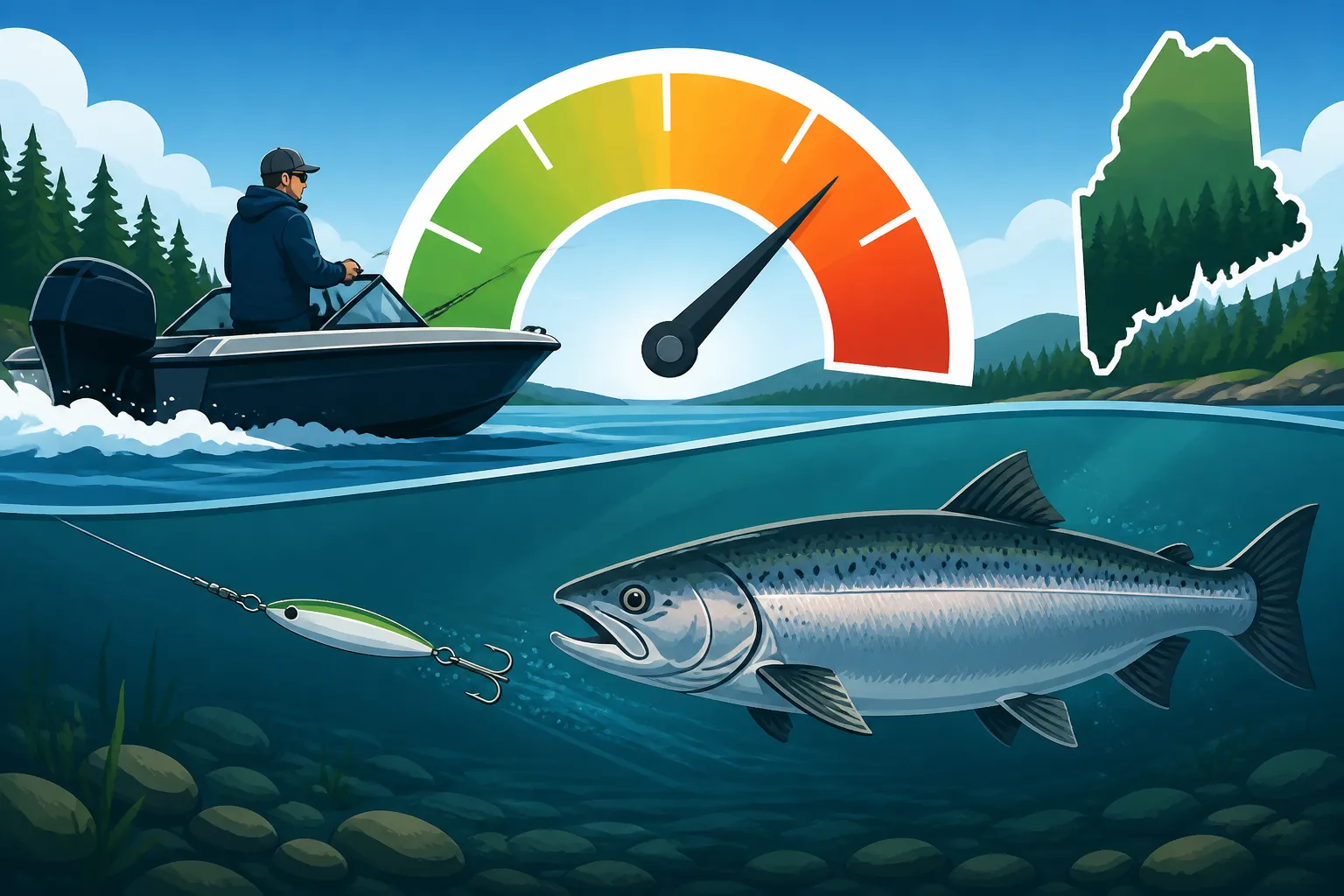
For most traditional trolling setups targeting landlocked salmon, a general starting point for your boat speed is typically between 1.8 to 2.8 miles per hour (mph). This range allows spoons, streamer flies, and stickbaits to exhibit their designed wobbles, flashes, and darting motions without spinning or looking unnatural. If you're using classic flutter spoons like a Mooselook Wobbler or a Dave Davis Trolling Rig with a streamer fly, this speed range is often perfect. You'll see the lure dancing in the water, creating just enough disturbance to grab a salmon's attention.
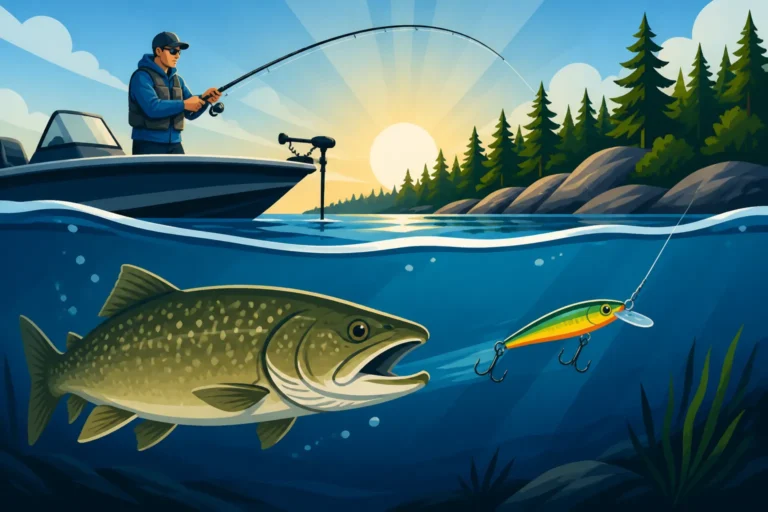
However, it's really important to consider what kind of lure you're pulling. Streamer flies, often used in conjunction with a small weight or a lead-core line, generally perform best at the lower end of this spectrum, around 1.8 to 2.2 mph, to give them a natural swimming motion. Spoons, depending on their size and shape, can often handle slightly faster speeds, from 2.0 to 2.8 mph, generating more flash. Stickbaits, such as Rapalas or similar models, are also often effective in the 2.0 to 2.5 mph range, mimicking the erratic movement of a wounded baitfish. Experimentation within this general bracket is your best friend.
Adjusting for Water Temperature and Depth
The depth at which you're trolling is intrinsically linked to your speed, especially given how temperature influences salmon. As discussed, landlocked salmon prefer cooler water. In the early spring or late fall, when surface temperatures are cold, salmon might be found shallower, and a slightly slower speed might be effective as they're not expending as much energy. However, in the summer months, when salmon retreat to the deep, cool thermocline, typically using methods like How Deep Should You Troll for Salmon in Summer?, a slightly faster speed can often trigger reaction strikes from fish holding tight to structure or bait schools.
Your chosen depth also affects how your gear behaves. When trolling with lead-core line or downriggers, your speed impacts the depth your lure achieves and how it tracks. Faster speeds can cause lines to rise slightly, while slower speeds allow them to sink deeper. It's a delicate balance. For instance, if you're targeting fish at 40 feet with a downrigger, and you speed up, your lure might not stay precisely at 40 feet without further adjustment to your downrigger ball or line length. Always monitor your depth and adjust accordingly, especially when you consider that Maine Fishing Regulations Explained often have specific rules about gear.
| Lure Type | Recommended Trolling Speed (mph) | Optimal Water Temperature (°F) | Notes |
|---|---|---|---|
| Streamer Flies | 1.8 – 2.2 | 45 – 55 | Natural swimming action, especially with a leader and small weight. |
| Flutter Spoons | 2.0 – 2.8 | 48 – 58 | Maximize flash and wobble; adjust for size. |
| Stickbaits | 2.0 – 2.5 | 48 – 58 | Mimic wounded baitfish; excellent for reaction strikes. |
| Lake Trolls/Flashers | 1.5 – 2.0 (with a spoon/fly) | 45 – 55 | Attracts fish to the trailing lure; slower overall speed. |
Fine-Tuning Your Speed: Reading the Conditions and Your Gear
Once you've started in that general sweet spot, the real art of trolling begins: fine-tuning. This isn't just about watching your speed on a display; it's about observing your lure, reading your electronics, and understanding how your specific setup interacts with the water. The best anglers are those who constantly experiment and pay close attention to every detail, making small, incremental adjustments until they hit that magical combination that triggers strikes.
Observing Your Lure Action
One of the most critical aspects of trolling for landlocked salmon is ensuring your lure is performing correctly. This often means actually seeing your lure in the water, especially if you're fishing in clear Maine lakes. If your boat has a clear view of the water directly behind it, take a moment to observe your lure's action. Is it wobbling seductively? Is it flashing intermittently? Or is it just spinning in circles, or worse, just dragging lifelessly? This visual confirmation can tell you immediately if your speed is off. If it's spinning, you're likely going too fast for that particular lure. If it's barely moving, you're probably too slow.
Many anglers will also run one line shallower and closer to the boat specifically to observe lure action before deploying other lines deeper. This allows for quick adjustments to speed or lure choice without having to pull in multiple lines. Remember, every lure is different. A larger spoon might require a slightly faster speed to get its proper wobble, while a delicate streamer fly needs a slower pace to mimic natural bait. Don't be afraid to pull in your lines periodically, check for weeds, and make sure your lure is running true. Sometimes a slight bend in a spoon or a frayed leader can completely ruin its action. If you're constantly replacing leaders or lures, you might want to check out some options on Amazon for reliable brands.
Using Your Electronics Effectively
Modern boat electronics, particularly fish finders and GPS units, are invaluable tools for dialing in your trolling speed. Your GPS will give you a precise ground speed, which is crucial. However, it's also important to consider your water speed, which can be different depending on currents or wind. Some advanced units offer water speed sensors. Knowing both helps you understand how your lure is truly moving through the water column. You can also use your fish finder to track bait balls and salmon, adjusting your speed based on their activity. If you mark a school of salmon that appears lethargic, a slower, more deliberate approach might be best. If they're actively chasing bait, a slight increase in speed could trigger a reaction strike. Learning How to Read a Fish Finder on Maine Lakes is an essential skill.
Another powerful use of your electronics is observing how your downrigger balls or lead-core lines are tracking. Many fish finders can show your downrigger ball, allowing you to confirm your depth and how much "blowback" you're getting from current and speed. If you're pulling a lot of line off the downrigger to reach your target depth, or if your lead-core isn't hitting the expected depth, it could be a sign that your speed is either too fast or too slow. Pay attention to how the sonar "paints" your lure; some anglers can even see the action of their lure on high-frequency sonar returns, which is truly next-level fine-tuning.
The Role of Line and Leader
The type of fishing line and leader you use also impacts how your lure performs at a given speed. Monofilament lines have more stretch and diameter than fluorocarbon or braided lines, which can affect the depth and action of your lure, especially at higher speeds. Fluorocarbon, being nearly invisible underwater and having less stretch, can give your lure a more natural presentation and allow it to dive deeper with less resistance. Braided lines, with their zero stretch, transmit every subtle vibration of your lure, giving you a better feel for its action, but they require a fluorocarbon leader for stealth.
Your leader length and material are equally important. A longer leader (often 30-50 feet for landlocked salmon) allows your lure to swim more freely and naturally, separating it from the main line's influence. The test strength of your leader also plays a role; a heavier leader can slightly dampen a lure's action, while a lighter one allows for more erratic movement. When you're seeking that perfect trolling speed, remember that the entire system – boat, line, leader, and lure – works together. A small change in one component, like switching to a thinner fluorocarbon leader, might require a minor adjustment in your trolling speed to maintain the optimal lure action.
Common Mistakes and Troubleshooting Trolling Speed
Even seasoned anglers can make mistakes when it comes to trolling speed, especially when conditions change rapidly. It’s easy to get complacent or to assume that what worked yesterday will work today. However, salmon fishing in Maine is rarely that predictable. Understanding common pitfalls and having a troubleshooting mindset will save you a lot of frustration and lead to more fish in the net.
Too Fast or Too Slow
One of the most frequent mistakes is simply trolling at a speed that is either too fast or too slow for the specific lure, conditions, or fish mood. When you're going too fast, your lures can spin unnaturally, "wash out" their action, or simply present too quickly for a salmon to react. Imagine a predator trying to hit a blur; it's difficult! This is particularly true for delicate streamer flies or small spoons. A high-speed troll might also lift your lures out of the strike zone, especially if you're not constantly monitoring your depth.
On the flip side, going too slow can result in your lures having no action at all. They'll just drag along, looking like a piece of dead debris rather than a vibrant baitfish. This can be especially problematic for stickbaits or spoons that rely on water resistance to create their signature wobble. If you're not getting any bites and you suspect your speed, the first thing to do is either slowly increase or decrease your speed by 0.2 mph increments and observe any changes in lure action or fish response. Sometimes that tiny adjustment is all it takes to trigger a bite.
When to Experiment with Speed Changes
The best anglers are constantly experimenting. If you've been trolling at a consistent speed for a while without any action, don't be afraid to change things up. This doesn't mean just randomly speeding up or slowing down; it means making calculated adjustments. Try a "S-turn" or a wide turn with your boat. This maneuver naturally varies the speed of your lures: the lines on the inside of the turn will slow down, while those on the outside will speed up. Often, strikes occur during these speed changes, telling you that you were either too fast or too slow for the previous straight-line troll. If you start getting bites on the inside turn, try slowing your boat down slightly. If bites come on the outside, try speeding up.
Another effective strategy is to try "pulsing" your speed. Instead of a constant 2.5 mph, try fluctuating between 2.2 and 2.8 mph every few minutes. This creates an erratic, injured baitfish presentation that can be incredibly effective at triggering reaction strikes from otherwise finicky salmon. Pay close attention to what happens right after a speed change. Did you get a strike? Did you mark more fish? These observations are crucial feedback loops. Remember, the goal isn't just to cover water, but to cover water effectively, presenting your lure in the most enticing way possible to those magnificent landlocked salmon in Maine. For a broader look at techniques, check out our Trolling Techniques for Maine Lakes guide.
Disclaimer
Fishing conditions, regulations, and fish behavior can change. Always consult the latest Maine Department of Inland Fisheries and Wildlife regulations before heading out on the water. This guide is for informational purposes only and does not supersede official rules or personal judgment regarding safety and ethical fishing practices.