When Does Maine Ice Fishing Season Start?
There's nothing quite like the anticipation of Maine's ice fishing season. You've spent months dreaming of tip-ups popping, jigging through a fresh hole, and the crisp, quiet solitude that only frozen lakes can offer. But when can you actually get out there? It’s a common frustration, isn't it? That eagerness often bumps up against the unpredictable nature of winter and the crucial regulations that keep us safe and legal. This guide is here to cut through the guesswork, helping you understand when Maine's ice fishing season typically kicks off and what you need to know before drilling that first hole.
Understanding the Official Start to Maine's Ice Fishing Season
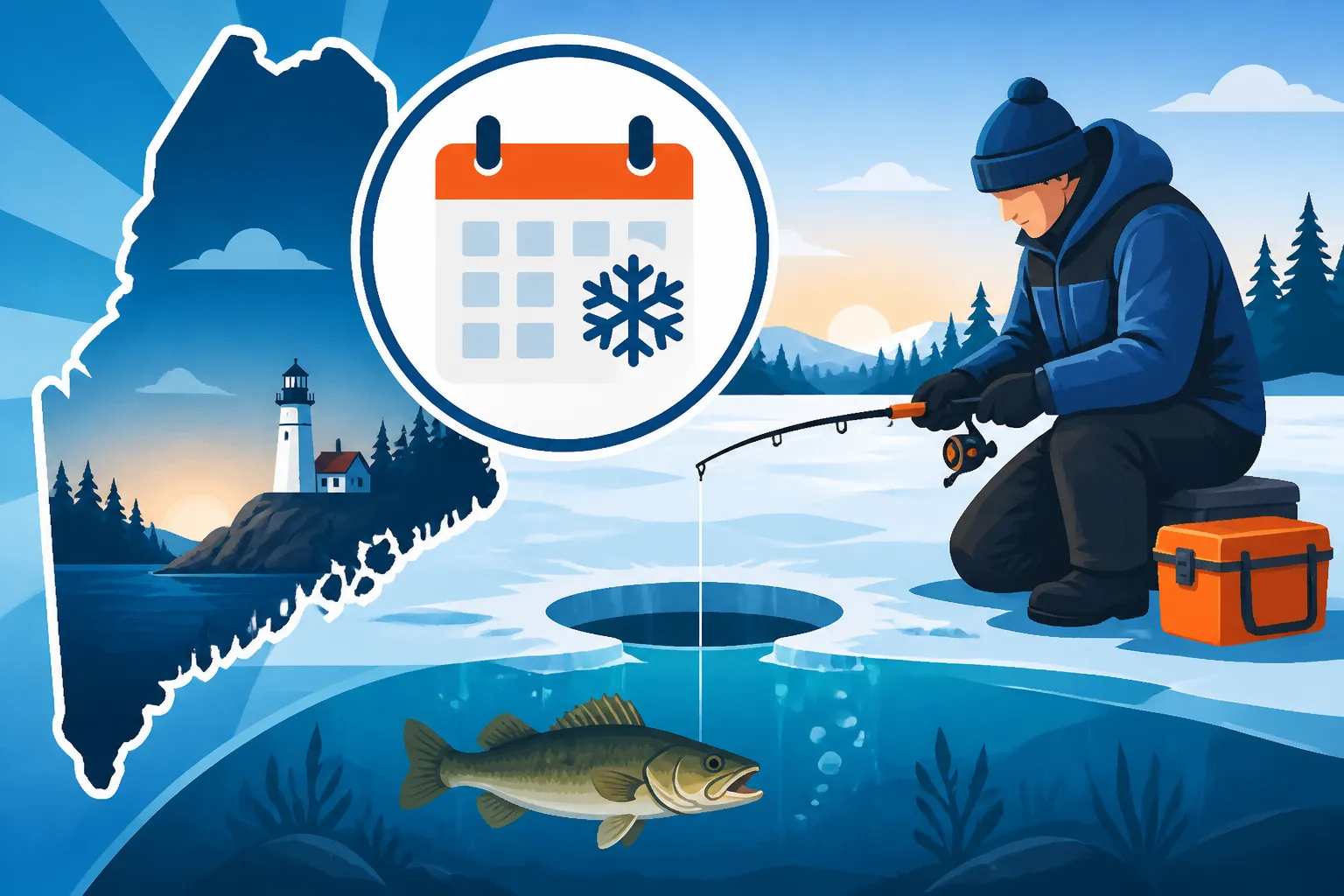
When does Maine ice fishing season start? The straightforward answer is, it depends! Maine's ice fishing season doesn't have one single, statewide "opening day" like deer hunting might. Instead, it’s largely dictated by the ice itself, with general law and special regulations applying to different bodies of water. For many of us who love this winter pursuit, the season truly begins when the ice is safe, often coinciding with specific calendar dates in different zones, typically mid-December for smaller, shallower ponds and later for larger, deeper lakes.
The Maine Department of Inland Fisheries and Wildlife (MDIFW) sets forth the official Maine Fishing Season Dates Guide which provides a comprehensive look at when various bodies of water are open for ice fishing. It’s not just about when the ice forms; it's about when the state officially permits angling through the ice. Generally, open water fishing converts to ice fishing once a body of water is ice-covered, but there are crucial nuances. For instance, many waters under General Law open for ice fishing on January 1st and run through March 31st. However, several lakes and ponds open much earlier, often around the third or fourth Saturday in December. This is where getting your hands on the annual law book or checking the MDIFW website is absolutely critical. You can't just assume your favorite spot is open; you need to verify it.
Factors That Determine Ice Fishing Start Dates
The start of Maine's ice fishing season isn't a fixed date across the board, and for good reason. Mother Nature plays a huge role, alongside the state's careful management of fish populations. It’s a dynamic interplay of cold snaps, lake size, and even the type of fish being managed in a particular body of water.
Ice Formation and Safety Considerations
The most crucial factor, by far, is ice formation. We all know that a good, safe sheet of ice is paramount. Shallow ponds and smaller lakes in northern Maine typically freeze over and achieve safe ice thickness much earlier than large, deep bodies of water further south. Think about a small farm pond versus a massive expanse like Moosehead Lake or Sebago Lake. Those big lakes act like giant thermal batteries, holding onto summer warmth for much longer, making for a later freeze-up.
For those eager beavers among us, this means that while you might be safely drilling holes on a small local pond by mid-December, you'd be taking a serious risk trying the same on a major lake. This is why understanding How Thick Should Ice Be Before Fishing on It? is more than just a guideline; it's a life-saving piece of knowledge. A general rule of thumb for safe ice fishing is at least 4 inches of clear, solid ice for foot travel, but this isn't a hard and fast rule, and conditions can vary wildly even on the same body of water. Early season ice can be particularly deceptive, often unevenly formed, and weakened by springs or currents. It's truly a time for extreme caution and constant vigilance.
Regional Differences and Waterbody Specifics
Maine is a big state, and its climate varies significantly from north to south, and even from coastal areas to inland regions. Northern Maine, especially places like Aroostook County or the Moosehead Lake region, experiences colder temperatures earlier in the season, leading to earlier and more reliable ice formation. It's not uncommon for ice fishing to be in full swing in these areas by the third week of December, provided the ice is safe.
As you move south, towards central and southern Maine, lakes and ponds tend to freeze later. Popular spots like the Belgrade Lakes Bass Fishing in Maine region or even those Best Ice Fishing Lakes Near Portland might not see reliable ice until late December or even early January. Coastal areas, influenced by moderating ocean temperatures, can sometimes be the last to freeze, or in milder winters, some larger coastal ponds might not freeze sufficiently for the entire season.
Beyond geography, the specific management goals for each waterbody also influence opening dates. Some lakes are managed for early ice fishing opportunities, while others might have later openings to protect certain fish species during critical periods, or to provide open water opportunities for a longer stretch. Always consult the MDIFW regulations for the specific lake or pond you plan to fish. You can find this information in the annual fishing law book, which you can often pick up at local sporting goods stores, or on the MDIFW website.
Navigating Maine's Ice Fishing Regulations
Beyond just knowing when the season generally starts, understanding the regulations that govern ice fishing in Maine is paramount. These rules are in place not to make things difficult, but to ensure safety, sustainability, and a fair experience for everyone. Ignoring them can lead to fines and a ruined day on the ice.
General Law vs. Special Regulations
The vast majority of Maine's lakes and ponds fall under "General Law." For these waters, the ice fishing season typically opens on January 1st and continues through March 31st. This is the simplest rule to remember for many common fishing spots. However, Maine also has a multitude of "Special Regulation" waters. These are individual lakes, ponds, and even sections of rivers that have their own unique rules, including different opening and closing dates for ice fishing.
For example, some popular waters might open for ice fishing as early as October 1st, while others might not allow ice fishing at all, or might open later than January 1st. These special regulations are often implemented to protect specific fish populations, manage fishing pressure, or create unique angling opportunities. It is absolutely essential to check the specific regulations for the waterbody you intend to fish. The MDIFW website has a search function where you can look up specific lakes and ponds, or you can find detailed information in the annual Maine Fishing Regulations Explained booklet.
Let’s look at a quick overview:
| Water Type/Region | Typical General Law Open Date | Common Special Regulation Variances |
|---|---|---|
| Smaller Ponds (Northern Maine) | Jan 1st | Can open early (mid-Dec, sometimes Oct 1) |
| Smaller Ponds (Southern Maine) | Jan 1st | Can open early (late Dec) |
| Larger Lakes (e.g., Sebago, Moosehead) | Jan 1st | Often later openings (early Jan) or specific dates |
| Managed Trout Waters | Jan 1st | Often delayed openings to protect trout |
| Rivers & Streams | Ice fishing often prohibited | Check specific regulations for open sections |
Always remember: this table is a general guide. Always verify exact dates and rules with the MDIFW regulations.
Line Limits and Gear Considerations
Once you're legally on the ice, you need to know what gear you're allowed to use. Maine has specific Maine Ice Fishing Line Limits. Under general law, an angler can fish with up to five lines at one time. Each line must be under the immediate supervision of the person fishing. This usually means having your five tip-ups spread out, or a combination of jigging rods and tip-ups, all within a reasonable distance where you can see and attend to them quickly.
However, just like season dates, there are special regulations that might alter these line limits on certain waters. Some lakes might allow fewer lines, or even restrict the type of bait you can use. For instance, some waters might be artificial lure only, or might prohibit the use of live baitfish. Before you head out, make sure your tackle box is stocked appropriately, and if you need any last-minute gear like additional tip-ups, jigging rods, or warm apparel, remember that a quick search on Amazon can often get you what you need delivered right to your door.
It’s also important to remember the rules around unattended lines and fishing shacks. While setting up multiple tip-ups is a classic ice fishing tactic, you can’t just leave them out there. If you're going to use an ice shack, there are specific Ice Fishing Shack Removal Rules to be aware of, including deadlines for taking them off the ice to prevent them from becoming hazards once the ice begins to melt. Many anglers rely on good quality ice augers, whether manual or powered, and a comfortable ice fishing shelter.
Getting Ready for the Season Ahead
Preparing for ice fishing is about more than just knowing the dates. It’s about being safe, being comfortable, and having the right gear to make your experience enjoyable and successful. A little preparation goes a long way in the Maine winter.
Essential Gear and Safety Preparations
Before you even think about hitting the ice, ensure your gear is ready. This means checking your auger to make sure it's sharp and in good working order, spooling fresh line onto your reels and tip-ups, and organizing your tackle. Don't forget the essentials for staying warm and dry. Maine winters are no joke, and comfort on the ice directly translates to enjoyment. Check out guides like What to Wear Ice Fishing in Maine Winters for layering advice. A good pair of ice cleats or creepers is a non-negotiable for safety, especially on clear ice, and a flotation suit or personal flotation device (PFD) can be a lifesaver in early season conditions. A set of ice picks worn around your neck is also critical for self-rescue if you do fall through.
Remember to pack a thermos of hot coffee or cocoa, plenty of snacks, and a first-aid kit. Consider a portable power bank for your phone, as cold weather drains batteries quickly. For those who are newer to the sport or looking to upgrade, platforms like Amazon offer a wide range of ice fishing essentials, from insulated boots to ice fishing shelters and electronic fish finders. Having reliable gear like a portable propane heater for your shack can make a huge difference in comfort on a biting cold day.
Local Knowledge and Conditions Updates
While regulations give you the official green light, local knowledge and current conditions are what truly tell you if it's safe to venture out. Talk to local bait shops, wardens, or experienced anglers in the area you plan to visit. They often have the most up-to-date information on ice thickness and recent catches. Many towns and fishing clubs maintain online forums or social media groups where ice conditions are regularly reported.
Always exercise extreme caution, especially during early season ice. Ice can vary in thickness even across a small pond due to currents, springs, or snow cover. Always test the ice as you go, and never fish alone. Let someone know where you're going and when you expect to return. The Maine Warden Service often posts updates on hazardous ice conditions, so keeping an eye on their advisories is a smart move. When you combine official regulations with local insights and personal safety measures, you're setting yourself up for a fantastic and safe ice fishing adventure. For specific tactics, don't forget to check out our comprehensive Maine Ice Fishing Techniques Guide.
Disclaimer
The information provided in this guide is for general informational purposes only and does not constitute legal advice. Fishing regulations in Maine can change, and special rules may apply to specific waters. Always consult the official Maine Department of Inland Fisheries and Wildlife (MDIFW) regulations before engaging in any fishing activities. Safety on the ice is paramount; always assess ice conditions carefully and take appropriate precautions.