When Does Ice Fishing Season Start on Sebago Lake?
The anticipation for ice fishing season on Sebago Lake can feel like an eternity, especially when you're itching to get your lines in the water. That uncertainty about when it's safe and legal to venture out on this vast body of water is a common frustration for many anglers. This comprehensive guide will peel back the layers of typical ice formation, safety protocols, and regulations to help you understand precisely when ice fishing season usually kicks off on Sebago Lake.
Understanding Sebago Lake's Ice Fishing Season Dynamics
Sebago Lake isn't just any old pond; it's Maine's deepest and second-largest lake, covering over 45 square miles. This sheer size and depth play a massive role in when and how its ice forms, making the start of its ice fishing season a much more nuanced affair than many smaller, shallower water bodies in the state.
The Typical Window for First Ice
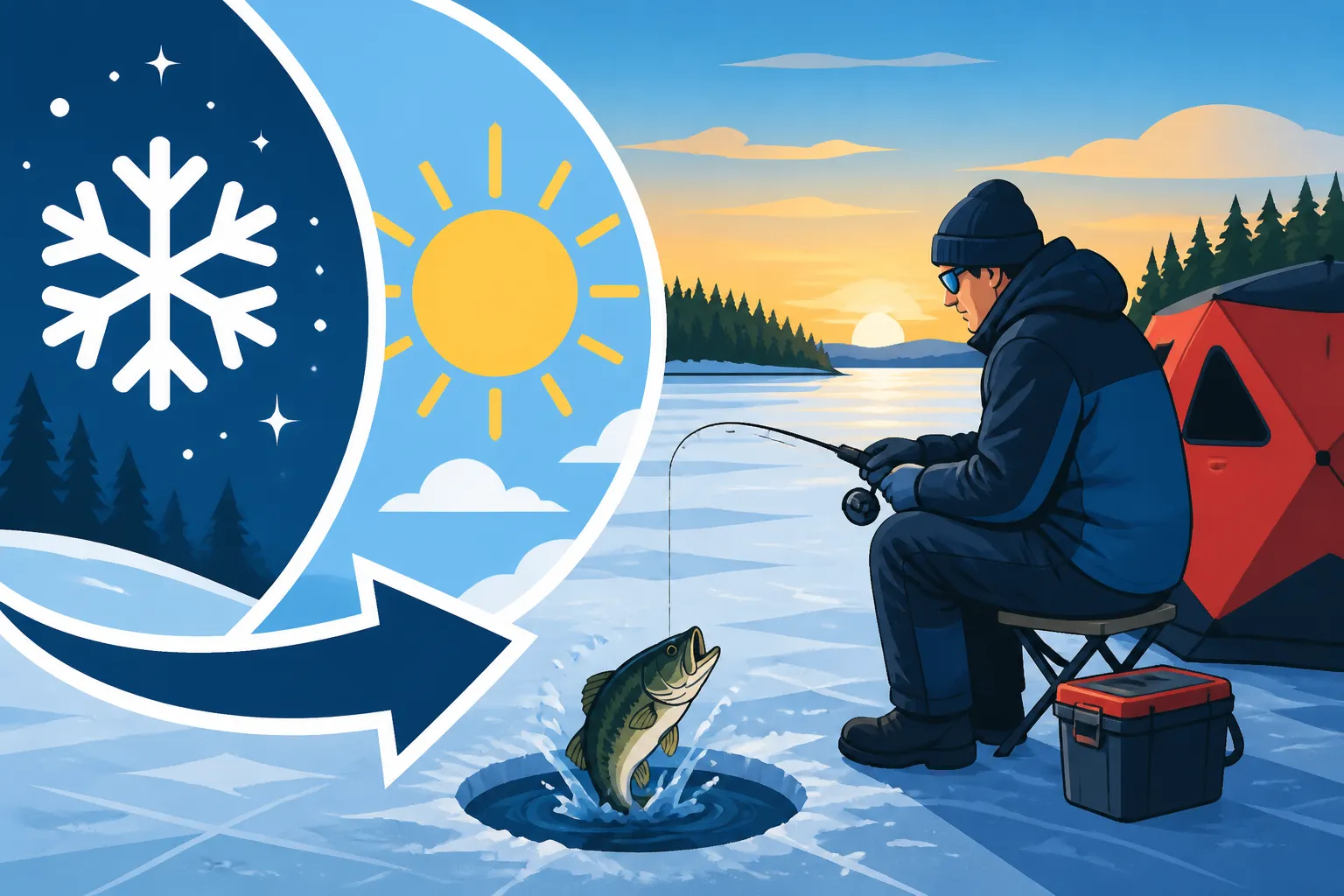
While there's no single, set date etched in stone for "first ice" on Sebago Lake, anglers generally begin to eye late December into early to mid-January. This is when colder, consistent temperatures typically settle over the region, allowing the vast expanse of water to finally start giving way to solid ice. However, "first ice" rarely means the entire lake is safe. It usually refers to the shallower coves and protected bays that freeze over initially, offering eager anglers a chance to get out, albeit on limited, carefully monitored areas.
Historically, depending on the severity of the winter, some years see fishable ice on portions of Sebago by Christmas, while other warmer years might push the widespread safe ice conditions well into late January or even February. It's a waiting game that requires patience and a constant eye on local weather patterns. For those looking to plan trips, consulting local resources or even services like FishingBooker to check with guides who fish Sebago Lake regularly can provide invaluable, up-to-the-minute insights.
Why Sebago Lake is Different from Smaller Waters
You might wonder why nearby smaller ponds are locked up solid while Sebago still has open water. The answer lies in its impressive dimensions. Sebago Lake's immense volume of water has a massive thermal mass, meaning it holds onto heat much longer than shallow bodies of water. This resistance to cooling means it takes sustained periods of frigid temperatures, often below freezing for weeks on end, to bring the water temperature down enough for ice to begin forming effectively across its surface.
Furthermore, Sebago's depths, reaching over 300 feet in some areas, contribute to this thermal inertia. Even when the surface starts to cool, the deeper water continues to radiate heat, slowing the freezing process. Wind also plays a significant role; a large, open body of water like Sebago is constantly exposed to wind, which disrupts the formation of a stable ice sheet by churning the surface water. This combination of size, depth, and wind exposure makes Sebago Lake a late bloomer in the ice fishing world compared to its smaller, more sheltered counterparts.
Key Environmental Factors Influencing Ice Formation
Several critical environmental factors dictate when Sebago Lake decides to don its winter coat. Understanding these can help you better predict when to dust off your auger and tip-ups.
- Sustained Cold Temperatures: This is, without a doubt, the most crucial factor. You need not just cold days, but bitterly cold nights, consistently below freezing (ideally in the teens or single digits Fahrenheit) for an extended period. Short cold snaps followed by thaws are a recipe for unstable, unsafe ice.
- Lack of Wind: As mentioned, strong winds can keep a large lake from freezing over, even when temperatures are low. Calm, still days and nights are ideal for a solid ice sheet to develop uniformly across the surface.
- Snowfall: Early season snowfall can be a double-edged sword. A light, early snow can actually insulate new ice, helping it grow thicker. However, a heavy, wet snowfall on thin ice can act as a blanket, slowing down further ice growth, and even create slush, making for dangerous conditions. Too much snow can also lead to "snow ice" or "white ice," which is less structurally sound than clear black ice.
- Sunlight: While less impactful during peak winter, sunny days, especially during periods of marginal cold, can slightly slow the freezing process or even weaken thin ice, particularly near shorelines or darker objects that absorb heat.
Paying attention to these factors, alongside checking official ice reports from the Maine Department of Inland Fisheries and Wildlife (MDIFW) or local bait shops, is essential for a safe and successful start to your Sebago Lake ice fishing adventures.
Prioritizing Safety on Early Ice
The allure of early season ice fishing is strong, with the promise of less pressured fish and crisp winter air. However, early ice also presents the highest risk. Safety should always be your number one priority, especially on a lake as large and unpredictable as Sebago. Rushing out onto unsafe ice isn't just risky; it can be fatal.
Essential Ice Thickness Guidelines
The golden rule for ice thickness is simple: "When in doubt, don't go out!" However, there are generally accepted guidelines for safe ice thickness. These are minimums and assume clear, solid "black ice." Snow ice or "white ice" is about half as strong.
| Ice Thickness (Clear, New Ice) | Activity Level | Notes |
|---|---|---|
| 2 inches or less | STAY OFF! | Absolutely unsafe. |
| 3-4 inches | Ice fishing (foot traffic) | Suitable for single individuals walking, ice fishing. Spread out! |
| 5-7 inches | Small group activities | Safe for small groups, snowmobiles, ATVs (ensure no thin spots). |
| 8-12 inches | Medium vehicles | Small cars, light trucks (check local regulations and conditions). |
| 12-15 inches | Heavy vehicles | Large trucks (rarely needed for general ice fishing, extreme caution advised). |
It's crucial to understand that ice thickness can vary dramatically across a large body of water like Sebago Lake, even within a few feet. Springs, currents, varying depths, and structures can all create thinner ice areas. Always check the ice as you go, especially when venturing onto a new area. Use an ice chisel or spud bar to test ahead of you.
Signs of Unsafe Ice Conditions
Knowing what to look for can save your life. Never trust ice that exhibits these characteristics:
- Coloration: Avoid white, milky, or slushy ice. While white ice can be safe if thick enough (often from refrozen snow), it's significantly weaker than clear, black ice. Slushy ice is a definite no-go, indicating ongoing melting or instability. Dark spots can indicate open water or extremely thin ice.
- Cracks and Pressure Ridges: Small cracks are normal, but large, expanding cracks or significant pressure ridges (where ice plates have buckled) are major red flags. These indicate stress in the ice sheet and can be unstable, potentially leading to sudden shifts or open water.
- Ice Around Inlets/Outlets: Areas where rivers or streams flow into or out of Sebago Lake are almost always weaker due to moving water. This includes areas like the Songo River or the Presumpscot River outlet. Stay well clear of these spots.
- Bubblers and Aerators: Many docks and waterfront properties on Sebago Lake use bubblers or aerators to keep areas of water open to prevent ice damage to structures. These create large, often hidden, areas of dangerously thin or open water. Always look for "Danger: Thin Ice" signs or ask locals about their presence.
- Auditory Warnings: Listen to the ice. A healthy, thick ice sheet often groans and pops, which can be unsettling but usually indicates solid ice expanding and contracting. A cracking sound directly underfoot, however, means it's time to retreat slowly and carefully.
Gear and Practices for Early Season Safety
Being prepared isn't just about having the right fishing gear; it's about having the right safety gear.
- Ice Picks: These are non-negotiable. Worn around your neck, they allow you to pull yourself out of the water if you fall through. They are inexpensive and essential.
- Spud Bar/Ice Chisel: Use this to test the ice ahead of you. A solid whack should not break 3-4 inches of good ice. If it goes through easily, turn back.
- Rope and Throw Bag: Carry a length of strong rope (at least 50 feet) in a throw bag for easy deployment. This can be used to rescue a friend who has fallen through.
- Float Suit/PFD: A dedicated ice fishing float suit or a personal flotation device (PFD) worn under your outerwear provides crucial buoyancy and thermal protection if you go through the ice.
- Buddy System: Never ice fish alone, especially on early ice. Always go with a partner or group.
- Communication: Tell someone where you're going and when you expect to return. Carry a fully charged cell phone in a waterproof bag.
- Survival Kit: A small backpack with dry clothes, a first-aid kit, a heat source, and high-energy snacks can be a lifesaver.
- Weight Distribution: On early ice, spread out. Don't congregate in one small area, as this puts too much pressure on the ice.
Familiarize yourself with crucial safety tips for Maine anglers, especially during the colder months. Don't let excitement overshadow common sense.
Navigating Maine's Ice Fishing Regulations for Sebago Lake
Beyond ice safety, understanding the specific regulations for Sebago Lake is paramount. Maine has a reputation for its detailed and often localized fishing laws, and Sebago, as a premier fishing destination, certainly has its own set of rules. You don't want a warden spoiling your day because you weren't aware of a specific length limit or line restriction. This is why resources like the official Maine Fishing Regulations Explained are so important.
General Law vs. Special Regulations on Sebago
Maine's fishing regulations operate on a "general law" basis, meaning there's a baseline set of rules that apply statewide unless a specific body of water is listed under "special regulations." Sebago Lake falls into the latter category for several species and rules, so simply knowing the general statewide laws isn't enough.
For instance, while the general law might permit a certain number of lines, Sebago Lake's specific rules on Maine Ice Fishing Line Limits might differ. Similarly, bag limits and length minimums for popular species like landlocked salmon, lake trout (togue), or brook trout often have distinct rules on Sebago to manage its unique fishery. Always consult the most current Maine Open Water & Ice Fishing Law Book, published annually by the MDIFW, which is available online or at license vendors. This book will detail the specific regulations for Sebago Lake, usually found in a dedicated section or alphabetically by water body. Local fishing guides listed on platforms like FishingBooker are also excellent sources of current regulatory information, as their livelihood depends on being up-to-date.
Line Limits and Fish Management
One common area where Sebago Lake often has special regulations compared to general law is the number of lines you can use. While general ice fishing law allows for a certain number of lines (typically up to five in Maine), Sebago Lake might have different allowances for specific times of year or even specific areas of the lake. These regulations are put in place by the MDIFW to manage fish populations, prevent overfishing, and ensure a sustainable fishery for the future.
For example, a typical ice fishing setup might involve multiple tip-ups spread across an area, each with its own line. Understanding the maximum number of lines allowed per person, and sometimes per shack or group, is vital. Fines for exceeding line limits can be substantial. Make sure you check the current rules on Maine Ice Fishing Line Limits before you head out, and remember that lines must be under the immediate supervision of the angler.
Where to Find Official Updates
Staying informed is your best defense against inadvertently breaking regulations. Here's where to look:
- MDIFW Website: The Maine Department of Inland Fisheries and Wildlife (MDIFW) website is the official source for all fishing regulations. They publish the law book online as a downloadable PDF, which is updated annually.
- Local Bait Shops and Sporting Goods Stores: These establishments are often the pulse of the local fishing community. They typically have physical copies of the law book and their staff are usually well-versed in local regulations, including specific rules for Sebago Lake. Places like Kittery Trading Post or smaller local bait shops will have the latest printed information.
- Maine Fishing License Agents: Anywhere you can buy a Maine Fishing License Guide or renew your license, you should be able to get a copy of the law book.
- MDIFW Warden Service: If you have a specific, complex question, contacting the MDIFW warden service directly can provide clarity. However, ensure you have consulted official printed materials first.
Always remember that ignorance of the law is not an excuse. It's your responsibility as an angler to know and follow all regulations for the specific waters you are fishing, including special rules for Sebago Lake.
What to Do While Waiting for Sebago Lake to Freeze
The waiting game for Sebago Lake's ice to solidify can be tough, especially when the itch to fish is strong. But just because Sebago isn't ready doesn't mean you can't be productive or even get out on the ice elsewhere.
Exploring Smaller, Earlier-Freezing Ponds
If Sebago Lake is still refusing to lock up, don't despair! Maine is dotted with countless smaller ponds and shallow lakes that freeze over much earlier due to their smaller thermal mass and often more sheltered locations. These can provide excellent early-season ice fishing opportunities for various species, from eager brook trout to feisty chain pickerel and panfish.
Consider looking at local ponds near Portland or Augusta. Many of these smaller waters, easily found on a detailed map, will often have safe ice weeks before Sebago. Always research the specific regulations for these smaller bodies of water, as they too can have unique rules regarding bag limits or gear restrictions. Utilizing resources like Best Ice Fishing Lakes Near Portland can point you towards some great alternatives. This allows you to hone your early ice skills and scratch that fishing itch without taking unnecessary risks on Sebago.
Preparing Your Gear for the Season Ahead
The waiting period is an ideal time to ensure all your ice fishing gear is in top shape. There's nothing worse than finally getting out on the ice, only to find a broken auger or tangled lines.
- Auger Maintenance: If you have a gas-powered auger, make sure it starts easily and the blades are sharp. Electric augers need fully charged batteries. Hand augers should be checked for blade sharpness.
- Tip-Ups: Inspect all your tip-ups. Replace any frayed lines, ensure flags pop up smoothly, and lubricate moving parts if necessary. Spool them with fresh line if last year's is looking worn. Consider different Setting Up Tip-Ups for Ice Fishing configurations for various species you might target on Sebago.
- Rods and Reels: Clean and lubricate your ice fishing reels. Check rod guides for damage. Spool reels with fresh line, especially if you plan on targeting powerful fish like togue or landlocked salmon.
- Shelter and Heater: If you use a portable ice fishing shelter, set it up at home to ensure all poles and zippers are in working order. Check your heater, ensure you have plenty of propane, and that it's operating safely.
- Safety Gear: Recheck your ice picks, throw rope, and first-aid kit. Make sure your waterproof phone case is still intact. Replace any worn-out items.
- Clothing: Lay out your winter fishing layers and ensure everything is clean, dry, and ready to go. Consider the importance of good base layers and waterproof outerwear, especially when planning for colder days or long trips. Our guide on What to Wear Ice Fishing in Maine Winters offers great advice.
A little preparation now can prevent headaches and lost fishing time later. Plus, it helps build the excitement!
Planning Your Sebago Lake Ice Fishing Strategy
While you wait for the ice to thicken, you can be planning your actual fishing strategy for Sebago Lake. This massive lake offers diverse opportunities, from targeting deep-dwelling togue to pursuing landlocked salmon or even searching for perch.
- Target Species: Decide what you want to target. Are you going for trophy togue? Early season landlocked salmon are often shallower. Sebago is renowned for its Sebago Lake Smallmouth Bass Fishing in Maine and its fantastic salmon fishery. Research the preferred baits and lures for your target fish.
- Location Scouting: Study maps of Sebago Lake. Identify shallower coves that might freeze first, as well as humps, drop-offs, and structure in deeper water where fish might congregate. Think about public access points and parking. For guidance, articles like Best Ice Fishing Spots on Sebago Lake can give you a head start.
- Bait and Lure Selection: Research what baits and lures are historically effective on Sebago for your chosen species. For example, large shiners are often preferred for togue and salmon, while smaller jigs might be better for perch.
- Trolling Strategies (for open water, but consider depths for ice): While ice fishing is stationary, understanding fish depths from open-water trolling can inform where to set your traps. For instance, knowing optimal Trolling Depths for Landlocked Salmon can translate to effective ice fishing depths.
- Consult Local Expertise: Reach out to local bait shops or hire a guide for your first trip. A local guide can provide invaluable insight into current conditions, hot spots, and effective techniques. Many experienced guides on FishingBooker specialize in Sebago Lake and can offer tailored advice or even take you out when conditions are right. They know when the ice is safe and where the fish are biting.
By doing your homework and getting your gear ready, you'll be able to hit the ice running the moment Sebago Lake declares its ice fishing season open and safe.
Disclaimer
The information provided in this guide is for general informational purposes only and is subject to change. Ice conditions are inherently unpredictable and can vary rapidly. Always exercise extreme caution, verify ice thickness yourself, and consult the most current official Maine Department of Inland Fisheries and Wildlife regulations before venturing onto any frozen body of water. Fishing regulations are updated annually; ensure you are using the latest version of the Maine Open Water & Ice Fishing Law Book. Your safety is your responsibility.