Best Fishing Spots Near Acadia National Park
Visiting the breathtaking landscapes of Acadia National Park often sparks a desire to connect with nature on a deeper level, and for many, that means casting a line into its pristine waters. But figuring out where to even begin, what fish you can target, and what rules apply can feel like a labyrinth, especially when you're juggling sightseeing plans. This comprehensive guide is here to untangle that confusion, offering you the insider scoop on the best fishing spots near Acadia, both within the park and along its stunning coastline, ensuring your fishing adventure is as memorable as the park itself.
Understanding Acadia National Park's Fishing Landscape
Acadia National Park, with its rugged coastline, serene lakes, and winding streams, presents a unique and diverse fishing environment. It’s not just about the ocean; the park and surrounding areas boast incredible freshwater opportunities too. The trick is knowing which waters are open to fishing, what species call them home, and what specific regulations might be in place, as these can differ significantly from general state laws.
Freshwater Opportunities Within the Park
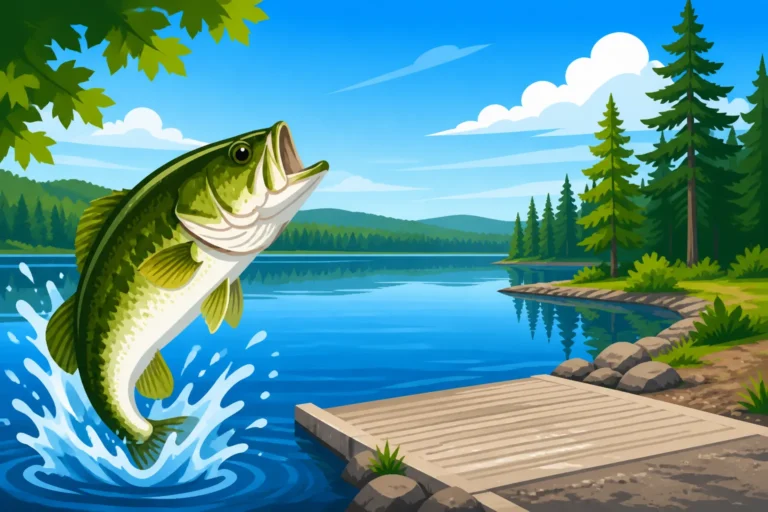
When you think of Acadia, your mind probably jumps to the dramatic ocean vistas, but the park is also home to several truly stunning freshwater lakes and ponds that offer fantastic fishing. Waters like Eagle Lake, Jordan Pond, and Long Pond are not just scenic backdrops for a hike; they're vibrant ecosystems teeming with fish. Here, you can pursue prized species like landlocked salmon, which are a thrilling catch, especially when they put up their famous fight. You'll also find brook trout, often in the colder, deeper sections or stream inlets, and robust populations of smallmouth bass, particularly in the warmer, shallower areas.
Fishing these internal park waters often comes with a strong emphasis on conservation. For instance, some areas might have specific catch-and-release rules for certain species or be designated as fly-fishing-only waters to protect the delicate balance of the ecosystem. It's not uncommon to find size limits or daily bag limits that are more restrictive than statewide regulations, all aimed at preserving the quality of fishing for future generations. This can be a bit of a head-scratcher for new visitors, as you might need to consult specific park regulations in addition to your Maine Fishing Regulations Explained. But trust me, the effort is worth it for the chance to fish in such an incredible setting.
Coastal Access and Saltwater Fishing
Beyond the freshwater havens, Acadia National Park and the surrounding Mount Desert Island region offer unparalleled saltwater fishing opportunities. The rocky shores, protected coves, and bustling harbors provide a perfect habitat for a variety of marine species. You don't always need a boat to enjoy saltwater fishing here; many anglers find great success fishing directly from public piers, docks, and rocky shorelines.
The stars of the show in these coastal waters are often striped bass, particularly during their seasonal migrations. These powerful fish offer an exhilarating fight and can be caught using a variety of methods, from casting lures off a point to soaking bait from a pier. Beyond stripers, you can also encounter mackerel, pollock, and various flounder species. If you're planning to try your hand at saltwater angling, remember that you'll need to register with the state. It's a quick and easy process, but essential to be compliant, so make sure to check out the Maine Saltwater Fishing Registry Guide for all the details. The sheer beauty of casting a line with the dramatic Maine coast as your backdrop is an experience that stays with you long after your trip.
Top Freshwater Spots Around Acadia
Acadia’s freshwater gems offer a different kind of tranquility and challenge compared to the open ocean. These lakes and ponds are managed carefully, often with special regulations, to maintain their health and the quality of their fisheries. It’s a good idea to always check with the park or Maine Department of Inland Fisheries and Wildlife for the latest rules, as they can change.
Eagle Lake: A Gem for Salmon and Trout
Eagle Lake, the largest freshwater body on Mount Desert Island, is a true standout for freshwater anglers near Acadia. This expansive, deep lake is a prime destination for landlocked salmon, known for their acrobatic fights and delicious flesh. Anglers often target salmon here by trolling, slowly moving bait or lures through the water column to cover ground and entice these cruising predators. Early mornings and late evenings during the spring and fall are particularly productive times. You might use anything from traditional Maine-style trolling lures like spoons and plugs to live bait, such as shiners, on a bait rig.
Beyond salmon, Eagle Lake also holds respectable populations of brook trout and lake trout, often referred to as "togue" by locals. The togue tend to inhabit the deeper, cooler parts of the lake, especially as summer progresses, making them a target for those who know how to fish deep. Public access is readily available, with boat launches that make it convenient for both powerboaters and kayakers to get out on the water. Just be mindful of other recreational users, as Eagle Lake is also popular for kayaking, paddleboarding, and even swimming in designated areas. Understanding Trolling Techniques for Maine Lakes can give you a real edge when fishing this beautiful body of water.
Jordan Pond: Pristine Waters and Unique Fishing
Jordan Pond is arguably one of Acadia National Park's most iconic and picturesque spots, famed for its crystal-clear waters and the dramatic "Bubbles" mountains flanking its northern end. What many visitors don't realize is that this stunning pond also offers unique fishing opportunities, though with very specific regulations designed to preserve its pristine nature. Jordan Pond is primarily known for its landlocked salmon and lake trout (togue) populations. The clarity of the water means fish can be spooky, requiring a stealthy approach and lighter tackle.
Because of its special status within the park, Jordan Pond often has specific gear restrictions, sometimes favoring fly fishing or artificial lures only. Always consult the Maine Department of Inland Fisheries and Wildlife (MDIFW) regulations for Jordan Pond, as these can be quite detailed, including minimum length requirements or daily bag limits that differ from general law. For instance, you might find that while togue are present, there are very strict Maine Togue and Lake Trout Limits to ensure their populations remain healthy. Fishing here isn't just about catching fish; it's about soaking in the incredible scenery and appreciating the rare privilege of angling in such a unique environment.
Long Pond: Bass and More
Long Pond, also on Mount Desert Island but outside the immediate bustling areas of Bar Harbor, offers a different flavor of freshwater fishing. Unlike the deeper, colder Jordan and Eagle Lakes, Long Pond features more varied structure, including shallower coves and rocky points, making it an excellent spot for smallmouth bass. These feisty fish are abundant and provide exciting action, especially during the warmer months. You can target them with a variety of lures, from soft plastic worms and jigs to topwater baits that create explosive strikes.
In addition to smallmouth bass, Long Pond also hosts white perch and some brook trout, particularly around cooler inlets. There's a public boat launch on the pond, making it accessible for boats of various sizes, though it's also a great spot for kayak or canoe anglers who want to explore its many nooks and crannies. If you're a bass angler, understanding the Maine Bass Fishing Limits by Zone will be crucial, as statewide regulations apply here. The joy of fishing Long Pond is in its accessibility and the consistent action it provides, making it a favorite for many local anglers.
Other Notable Ponds for Brook Trout
While Eagle, Jordan, and Long Ponds get a lot of attention, Mount Desert Island and the surrounding mainland near Acadia are dotted with numerous smaller ponds and streams that hold hidden treasures, particularly for those seeking native brook trout. These more secluded waters often require a bit more effort to reach, perhaps a short hike or navigating a less-traveled road, but the reward is a chance at wild brook trout in a truly serene setting. These smaller ponds tend to be shallower and can warm up in the summer, so spring and fall are often the prime times to pursue brookies.
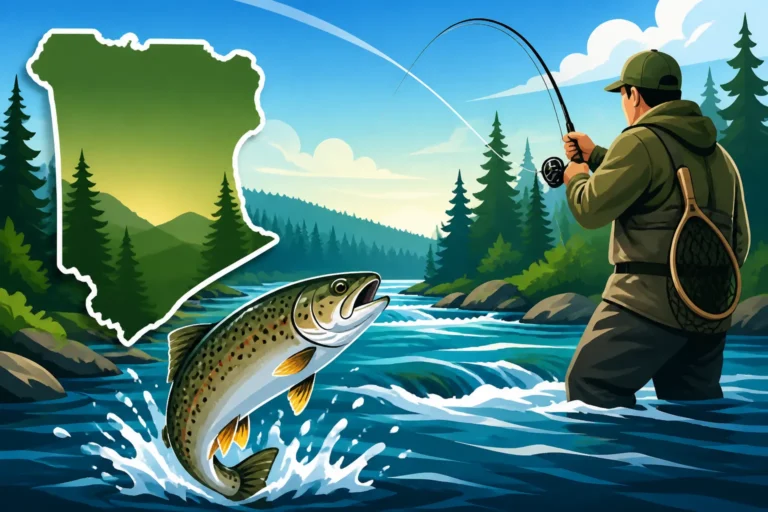
The fishing experience in these smaller, unnamed or lesser-known ponds is often characterized by light tackle and stealth. Fly fishing is a popular and effective method, using dry flies or small nymphs, but spin fishing with tiny spinners or worms can also be very productive. Remember that many of these smaller, wild trout waters are managed for conservation, so special regulations, including Brook Trout Daily Bag Limits or artificial-lures-only rules, are common. Discovering one of these hidden gems and catching a brilliantly colored native brook trout can be one of the most rewarding experiences of fishing near Acadia.
Prime Saltwater Fishing Near Acadia's Shores
The rocky, tide-swept coast near Acadia National Park is a haven for saltwater anglers, offering diverse opportunities from shore-based casting to deep-sea adventures. The dramatic scenery only adds to the allure, making every cast a picture-postcard moment.
Bar Harbor Area: Piers and Shoreline Access
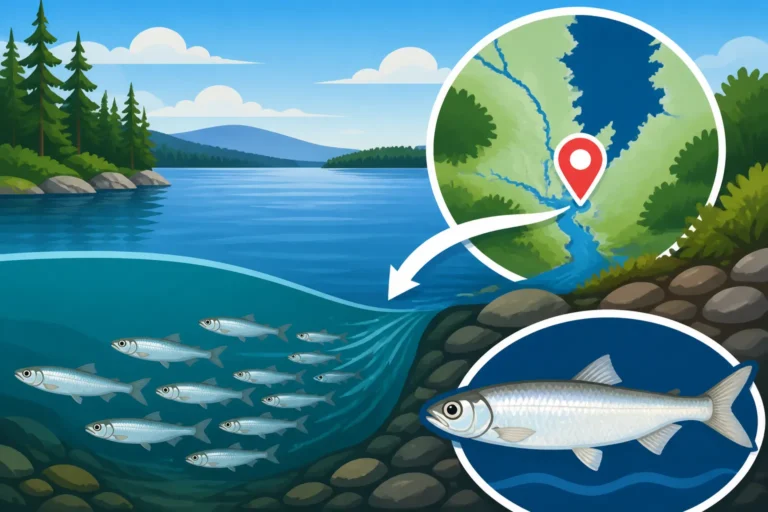
Bar Harbor, the bustling hub of Mount Desert Island and the gateway to Acadia, isn't just for whale watching tours and lobster bakes; it's also a fantastic starting point for saltwater fishing. The public pier in Bar Harbor is a popular spot for both locals and visitors to cast a line. It’s easily accessible and doesn't require a boat, making it perfect for families or those looking for a casual fishing experience. From the pier, you can expect to catch species like mackerel, pollock, and occasionally smaller striped bass, especially during outgoing tides or early mornings. Mackerel are particularly fun on light tackle, often schooling in large numbers.
Beyond the main pier, numerous shoreline access points around Bar Harbor and along the eastern side of Mount Desert Island offer opportunities for surfcasting or rock fishing. Look for areas with current, submerged rocks, or points that extend into the bay, as these are often hotbeds for predatory fish. Casting lures, soft plastics, or even chunks of bait can yield results. For many, the thrill of hooking into a powerful striped bass from shore in a place like Frenchman Bay is an unforgettable experience. In fact, many anglers specifically ask, "Is Frenchman Bay Good for Striped Bass?" – and the answer is a resounding yes, especially during the summer and fall months.
Mount Desert Island's Coastal Charms
Beyond the immediate Bar Harbor area, Mount Desert Island itself is riddled with countless coves, inlets, and rocky outcroppings that offer incredible opportunities for shore-based saltwater fishing. Exploring the quieter, less-trafficked parts of the island can lead to some truly spectacular fishing experiences. For instance, areas around Northeast Harbor, Southwest Harbor, or even more remote sections of the park's coastline can hold excellent concentrations of fish. You might find yourself casting into a secluded cove, reeling in a feisty pollock, or patiently waiting for a striped bass to cruise by a rocky point.
The beauty of fishing Mount Desert Island's coast is the sheer variety of spots. One day you might be fishing a sandy beach, the next a dramatic granite shoreline. Each location presents a different challenge and opportunity. Always be mindful of the tides and currents, as these can heavily influence fish activity and also impact your safety, especially on slippery rocks. It's a truly immersive way to experience the Maine coast, combining the thrill of the catch with the breathtaking natural beauty.
Charter Fishing for Deeper Waters
For those who want to venture beyond the shoreline and access the deeper, more prolific fishing grounds off Acadia's coast, hiring a fishing charter is an excellent option. Charter boats, typically based out of Bar Harbor or other nearby harbors, can take you to offshore ledges, reefs, and wrecks where you can target larger groundfish like cod, haddock, and pollock. During certain times of the year, particularly late summer and fall, some charters also offer trips targeting bluefin tuna, though these are highly specialized and often much pricier excursions.
The advantage of a charter is that the captain knows the local waters intimately, has all the necessary gear, and can put you right on the fish. This is especially helpful if you're unfamiliar with offshore fishing or simply want to maximize your chances of a big catch. Many people research "Are Bar Harbor Fishing Charters worth it?" and generally, the consensus is yes, for the sheer experience and access to fish you couldn't reach otherwise. Websites like FishingBooker can be incredibly useful resources for finding reputable charters in the Bar Harbor area, allowing you to compare options, read reviews, and book directly. They help connect anglers with experienced captains who know the waters, ensuring you have the best possible chance at a successful trip.
Here’s a quick overview of what you might target:
| Fishing Type | Location (General) | Target Species | License/Registry Needed | Best Season | Common Techniques |
|---|---|---|---|---|---|
| Freshwater (Lakes) | Eagle Lake, Jordan Pond, Long Pond | Landlocked Salmon, Brook Trout, Lake Trout (Togue), Smallmouth Bass | Maine Freshwater Fishing License | Spring, Fall (Salmon/Trout); Summer (Bass) | Trolling, Jigging, Casting Lures, Fly Fishing |
| Freshwater (Ponds) | Smaller, secluded MDI ponds | Brook Trout, Smallmouth Bass | Maine Freshwater Fishing License | Spring, Fall, Early Summer | Light tackle, Fly Fishing, Worms |
| Saltwater (Shore) | Bar Harbor Pier, Coastal MDI | Mackerel, Pollock, Striped Bass, Flounder | Maine Saltwater Fishing Registry | Summer, Fall | Bait Fishing, Casting Lures, Jigs |
| Saltwater (Charter) | Offshore Bar Harbor | Cod, Haddock, Pollock, Bluefin Tuna (specialized) | Maine Saltwater Fishing Registry (covered by charter often) | Summer, Fall | Bottom Fishing, Trolling, Jigging |
Essential Regulations and Gear for Acadia Anglers
Embarking on a fishing trip near Acadia National Park is an incredible experience, but it’s crucial to be prepared, both in terms of understanding the rules and having the right equipment. Maine has specific regulations that help maintain its world-class fisheries, and observing them ensures you're fishing legally and sustainably.
Navigating Maine's Fishing License Requirements
This is perhaps the most important detail to nail down before you even make your first cast: licenses. If you plan to fish in any of Acadia’s freshwater lakes or ponds, or any freshwater body in Maine for that matter, you absolutely need a Maine Fishing License Guide. This isn't just a suggestion; it's a legal requirement, and wardens do patrol the areas. Licenses can be purchased online through the Maine Department of Inland Fisheries and Wildlife (MDIFW) website, or in person at various agents throughout the state. You have options for different durations, from a single day to an entire season, catering to both residents and non-residents. Don't let the paperwork deter you; getting your license is a straightforward process, and it contributes directly to the conservation efforts that keep Maine's fishing great.
For saltwater fishing, whether from shore or a private boat, you'll need to register with the state. While it's often referred to as a "saltwater license," it's technically a free registry for recreational anglers. However, if you hire a licensed charter boat, your registry might be covered under their federal permits, but it's always best to confirm with your captain beforehand. Missing this small step can lead to hefty fines, which would certainly put a damper on your otherwise perfect Acadia adventure. Make sure to consult the Maine Saltwater Fishing Registry Guide well in advance of your trip.
Gear Essentials for Acadia Fishing
Being prepared with the right gear can make all the difference between a frustrating day and a fantastic one. For freshwater fishing in Acadia's lakes and ponds, a medium-light spinning rod and reel setup is a versatile choice. This will handle everything from panfish to feisty smallmouth bass and even smaller salmon or trout. Carry a selection of lures, including small spoons, spinners, soft plastic grubs, and maybe some topwater plugs for bass. If you're targeting brook trout, a light fly rod setup or a very ultralight spinning rod with tiny inline spinners and worms will serve you well. Don't forget a small tackle box with hooks, sinkers, swivels, and extra line.
For saltwater shore fishing, a medium to medium-heavy spinning rod capable of casting heavier lures or bait rigs is ideal. You’ll want something with a bit more backbone to handle the strong currents and potentially larger fish like striped bass. Pack a variety of lures suitable for saltwater, such as soft plastics that imitate baitfish, metal jigs, and maybe some poppers for topwater action. Live bait, like mackerel or worms, can also be incredibly effective. Always dress in layers, as coastal weather in Maine can change quickly, and waterproof outerwear is a wise choice. And don't underestimate the power of a good pair of polarized sunglasses to cut the glare and spot fish! For a more general overview of lures, you might check out the Best Lures for Maine Open Water Fishing.
Respecting the Park and Its Wildlife
Acadia National Park is a treasure, and fishing within or near its boundaries comes with a responsibility to protect its natural beauty and delicate ecosystems. This means practicing "Leave No Trace" principles: pack out everything you pack in, including all trash, broken fishing line, and discarded bait containers. Disposing of trash properly isn't just about aesthetics; it prevents harm to wildlife who might ingest or get entangled in waste.
Additionally, always observe Catch and Release Best Practices in Maine, especially for sensitive species or in waters with special regulations. Handle fish gently, minimize their time out of the water, and use appropriate tools like de-hookers to reduce stress. If you plan to keep fish within legal limits, know how to properly clean and store them. Avoid disturbing nesting birds or other wildlife, and be mindful of your impact on the shoreline or trails. Maine's natural resources are a privilege to enjoy, and by being responsible anglers, we ensure these opportunities remain for everyone for generations to come. When you use resources like FishingBooker to plan your trip, you're tapping into a network that generally emphasizes responsible angling and conservation, aligning with the park's values.
Disclaimer
Please note that fishing regulations in Maine, particularly within and around Acadia National Park, can change frequently. While this guide provides general information, it is your responsibility to consult the most current regulations published by the Maine Department of Inland Fisheries and Wildlife (MDIFW) and the National Park Service before planning your fishing trip. Always prioritize safety, understand local rules, and respect private property.