Best Fishing Lakes in Downeast Maine
For many anglers, the idea of fishing in Maine conjures images of pristine, wild waters, but trying to pinpoint the best fishing lakes in the vast and often remote Downeast region can feel like searching for a needle in a haystack. With so many options, knowing where to start, what to expect, and what fish species truly thrive in these unique ecosystems is a real challenge. This comprehensive guide will cut through the noise, highlighting the premier fishing lakes in Downeast Maine and arming you with the knowledge to plan an unforgettable angling adventure.
The Unique Allure of Downeast Maine Fishing
Downeast Maine, encompassing much of Hancock and Washington counties, offers a distinctly different fishing experience compared to the bustling lakes of the southern and central parts of the state. Here, the landscape transitions from rolling hills to rugged coastlines, and the lakes often feel more remote, less pressured, and steeped in a raw, untamed beauty. This region is a true haven for those seeking solitude and a genuine connection with nature while pursuing some of Maine's most prized coldwater fish species.
Wild Beauty and Pristine Waters
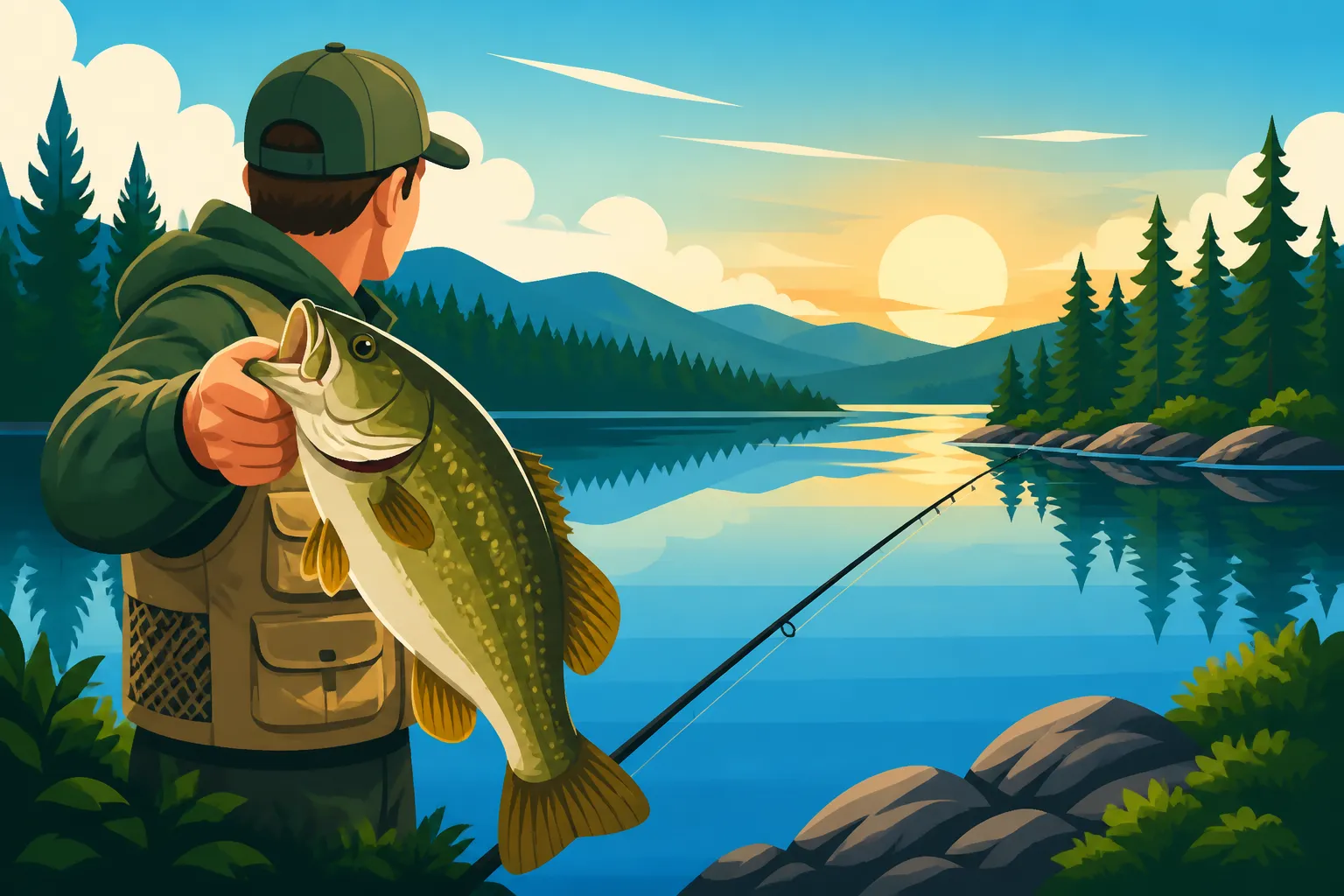
One of the most immediate impressions you’ll get when visiting Downeast Maine for fishing is the sheer wildness of the place. Many of these lakes are surrounded by dense forests, offering a quiet, almost spiritual escape from the everyday. The water quality is often exceptional, fed by untouched watersheds that contribute to healthy fish populations and vibrant aquatic ecosystems. Unlike some more developed areas, you'll find fewer crowded boat launches and more opportunities to feel like you have a whole cove or even an entire lake to yourself.
This pristine environment isn't just aesthetically pleasing; it's vital for the fish. Clean, cold, well-oxygenated water is crucial for species like landlocked salmon, brook trout, and lake trout (or "togue," as we call them here in Maine). These lakes often have a complex structure of shallow coves, rocky points, and deep basins, providing diverse habitats that support robust fisheries. The relative lack of intense development also means less runoff and pollution, ensuring that the fish you catch are healthy and the fishing experience remains authentic. It’s this wild charm that truly sets Downeast Maine apart for serious anglers.
Target Species that Thrive Here
Downeast Maine is particularly renowned for its coldwater fisheries, making it a dream destination for anglers targeting certain species. While you can find warmwater species like smallmouth bass and perch in many lakes, the region truly shines when it comes to salmonids.
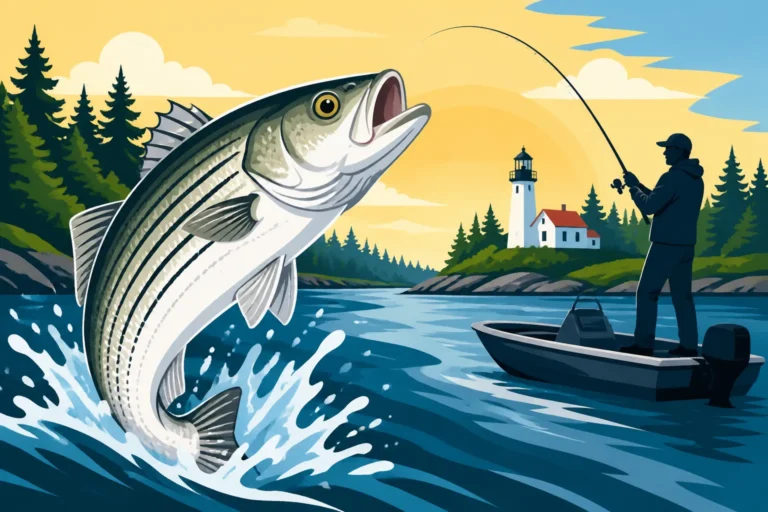
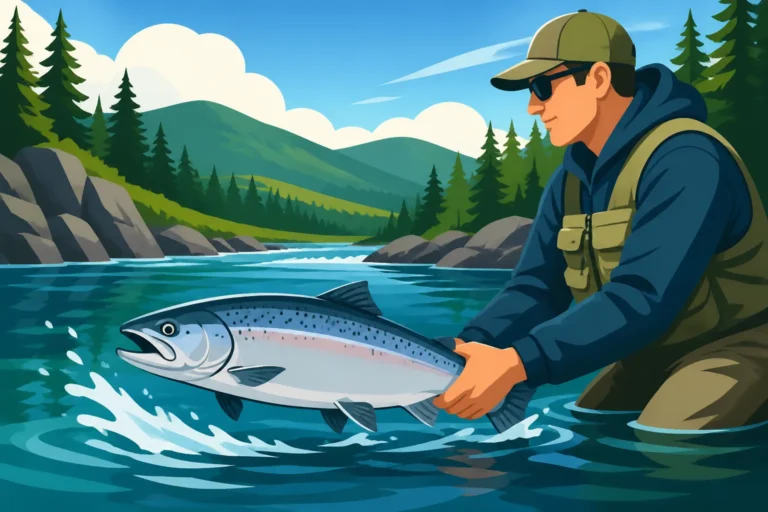
Landlocked salmon are arguably the crown jewel of Downeast fishing. These magnificent fish, essentially Atlantic salmon that became landlocked after the last ice age, thrive in the large, deep, cold lakes of this region. They are known for their spectacular aerial acrobatics and powerful runs once hooked, providing an exhilarating challenge for any angler. You'll find them cruising near the surface in spring and fall, and retreating to deeper, cooler waters during the summer months.
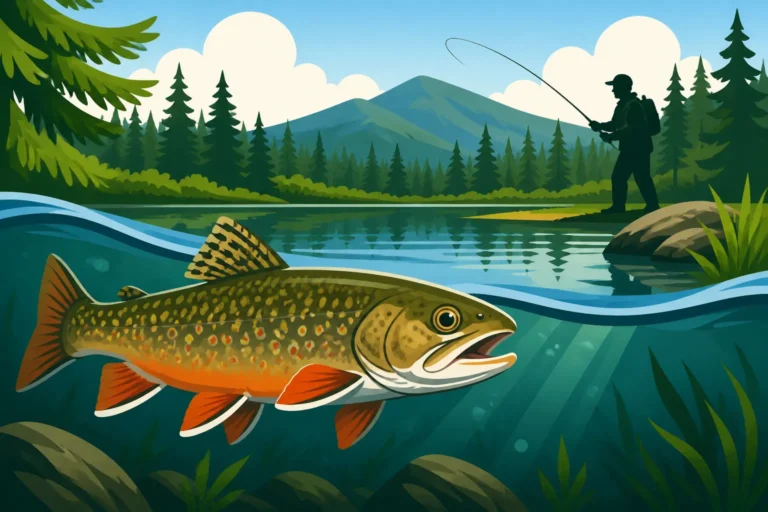
Brook trout, Maine’s state fish, are also abundant, especially in smaller ponds and stream inlets that feed into the larger lakes. Many of these brook trout are wild, displaying vibrant colors and offering a rewarding experience for fly anglers. Lake trout, locally known as togue, are another major draw. These large, bottom-dwelling predators can grow to impressive sizes in the deep, cold waters of Downeast lakes, offering a different kind of fight and a chance at a true trophy fish. Understanding the Maine Fishing Season Dates Guide will be crucial for planning your trip around the prime times for these species.
Iconic Waters: West Grand Lake and Grand Lake Stream
When talking about Downeast Maine fishing, it's impossible not to start with West Grand Lake and its legendary outlet, Grand Lake Stream. This area is not just a fishing destination; it's a historical and cultural cornerstone of Maine's angling heritage, particularly for those passionate about landlocked salmon and native brook trout.
Fishing West Grand Lake: A Salmon and Togue Paradise
West Grand Lake, one of Maine's largest and most famous lakes, is the undisputed king of Downeast fishing. Spanning over 14,000 acres, it's renowned for its world-class landlocked salmon and impressive togue populations. The lake's deep, cold waters and abundant forage, primarily smelt, create an ideal environment for these sought-after game fish to grow large and robust.
In the spring, shortly after ice-out, salmon can be found near the surface and along the lake's edges, often accessible to shore anglers or those trolling shallow. As the water warms, they move deeper, following the cold water and baitfish. Summer fishing typically involves trolling with downriggers or lead core line at depths of 30 to 60 feet or even more, particularly around underwater structures and thermoclines. Common lures include traditional streamer flies like a Grey Ghost or Smelt patterns, as well as spoons and stickbaits that imitate smelt. Togue, being deepwater dwellers, are targeted similarly, often hugging the bottom in even deeper sections of the lake. Learning Trolling Techniques for Maine Lakes can significantly increase your success here. Many anglers choose to hire local guides, who intimately know the lake's contours and the fish's habits, making platforms like FishingBooker a valuable resource for finding experienced professionals.
The Legendary Grand Lake Stream Fishery
Connecting West Grand Lake to Big Lake, the Grand Lake Stream is arguably the most famous fly-fishing destination in Maine, if not the entire East Coast, especially for landlocked salmon. This relatively short, powerful river is a magnet for spawning salmon in the fall and offers incredible fishing throughout the spring and early summer. Its pristine waters and consistent flow make it an ideal habitat for wild brook trout as well.
The stream is heavily regulated to protect its precious fishery, often having fly-fishing-only sections and strict catch-and-release rules for certain periods. Anglers typically wade the stream, casting classic streamer patterns like the Supervisor, Ballou Special, and smelt imitations. The excitement of hooking into a powerful landlocked salmon in such a scenic, intimate setting is an experience that keeps anglers coming back year after year. Beyond salmon, the stream’s numerous eddies and slower pockets hold respectable numbers of wild brook trout, offering fantastic dry fly and nymph fishing opportunities, especially in the quieter stretches. Before you cast a line, be sure to consult the Maine Fishing Regulations Explained specific to this unique waterway, as they can be quite detailed and change seasonally.
Hidden Gems and Local Favorites: Branch Lake and Green Lake
While West Grand Lake draws much of the attention, Downeast Maine is dotted with many other fantastic fishing lakes, each offering its own unique appeal. Branch Lake and Green Lake are two such bodies of water that deserve a spotlight, providing diverse angling opportunities for both coldwater and warmwater species.
Branch Lake: Diverse Opportunities Near Ellsworth
Nestled near the town of Ellsworth, Branch Lake is a beautiful, substantial lake spanning over 2,600 acres, making it easily accessible for anglers traveling through the region. What makes Branch Lake particularly appealing is its diverse fishery. While it's a well-regarded coldwater lake, stocked annually with landlocked salmon and brook trout, it also boasts a thriving smallmouth bass population.
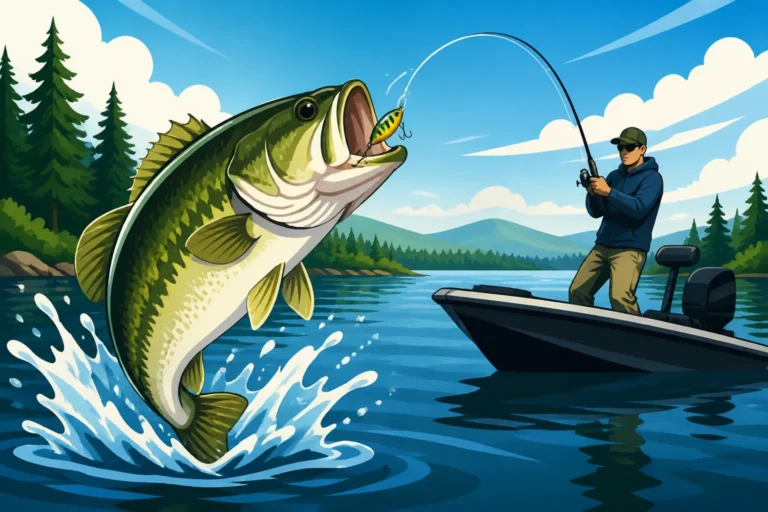
Anglers targeting landlocked salmon and brook trout will find success in the lake's deeper basins, particularly during the cooler months of spring and fall. Trolling with spoons or streamer flies is a popular and effective method. For those who enjoy chasing smallmouth bass, Branch Lake offers excellent opportunities, especially around its rocky shorelines, points, and submerged structures. Jigging, crankbaits, and soft plastics can be very productive for these hard-fighting fish during the warmer months. The lake's accessibility, combined with its varied fish populations, makes it a perfect spot for a family fishing trip or for anglers who want to try their hand at multiple species in one day. You might even find some feisty chain pickerel and white perch to add to the fun.
Green Lake: Deep Waters and Trophy Potential
Further east, in Hancock County, lies Green Lake, a deep, oligotrophic (nutrient-poor) lake known for its exceptionally clear water and impressive coldwater fishery. At over 3,000 acres and with depths exceeding 160 feet in some areas, Green Lake is a prime habitat for large lake trout (togue) and robust landlocked salmon. This is a lake where patience can truly pay off with a trophy catch.
Due to its significant depth, Green Lake is a favorite among those who enjoy deep trolling or jigging for togue. In the warmer months, these fish will retreat to the deepest, coldest parts of the lake, requiring specialized gear like downriggers or heavy lead core lines to reach them. Salmon, while also seeking cold water in summer, will often suspend over deeper areas, making them a challenge to locate but incredibly rewarding to catch. The lake also has a population of brook trout, particularly in its tributaries and cooler coves. Early spring and late fall are often the best times for shallower presentations for salmon and brook trout, while summer calls for precision deepwater tactics. For an optimal experience, considering a guided trip, which can be arranged through services like FishingBooker, can be a game-changer on a deep, complex lake like Green Lake. Knowing the Maine Togue and Lake Trout Limits will be important here.
Essential Tips for Your Downeast Maine Fishing Adventure
Embarking on a fishing trip in Downeast Maine is an exciting prospect, but a little preparation goes a long way. The region's unique characteristics mean that some general fishing advice might need a local twist. From understanding the rules to packing the right gear, these tips will help ensure your trip is as successful and enjoyable as possible.
Navigating Regulations and Licensing
Maine takes its fisheries management seriously, and for good reason—it helps preserve these incredible resources for generations. Before you even think about wetting a line, it's absolutely crucial to obtain a valid Maine Fishing License Guide. Whether you're a resident or a visitor, a license is required for most fishing activities, and the specific type of license can vary depending on your residency and the duration of your trip. You can easily purchase one online through the Maine Department of Inland Fisheries & Wildlife (MDIFW) website, or in person at many local bait shops and sporting goods stores throughout the state.
Beyond the general license, Downeast Maine, like other parts of the state, often has specific regulations for individual lakes, rivers, or streams. These "special regulations" might dictate different bag limits, length limits, or even tackle restrictions (e.g., fly-fishing-only sections, single-hook artificial lures only). It's vital to consult the current Maine fishing law book, available online and at license vendors, and pay close attention to the rules for the specific body of water you plan to fish. For instance, the bag limits for landlocked salmon or brook trout can vary significantly from one lake to another. Being aware of these rules not only keeps you legal but also contributes to the conservation efforts that make Maine fishing so exceptional.
Gear Up for Success
The type of gear you bring for fishing in Downeast Maine will largely depend on the species you're targeting and the time of year. For landlocked salmon and lake trout in the larger lakes like West Grand or Green Lake, a medium-action spinning or casting rod paired with a reel spooled with 8-12 lb test monofilament or braided line is a good starting point for trolling. If you plan on deep trolling with lead core or downriggers, you'll need specialized rods and heavier line. For jigging, especially for togue, a sensitive, stout rod capable of handling heavier jigs and deep water is essential.
Fly anglers heading to Grand Lake Stream or seeking brook trout in smaller ponds will need a 5- or 6-weight fly rod, matching reel, and floating line for most situations. A selection of streamer patterns, nymphs, and dry flies is a must. Don't forget essentials like waders if you plan to wade streams, and appropriate clothing layers, as Maine weather can change quickly. A good pair of polarized sunglasses will help you spot fish and structure, and a reliable map or GPS unit is invaluable for navigating larger lakes, especially if you're exploring remote sections. Many anglers consult local experts or resources like the Maine Open Water Fishing Techniques Guide to fine-tune their gear choices.
Planning Your Trip with Local Expertise
While this guide offers a solid starting point, nothing beats local knowledge when it comes to truly maximizing your Downeast Maine fishing experience. Local bait shops are treasure troves of information; their owners and staff often know exactly what's biting, where, and on what. Don't be shy about asking for advice on the best lures for Maine open water fishing or the current conditions. They can also point you to the best access points and provide updates on specific lake regulations.
For a truly immersive and potentially more successful trip, especially if you're new to the region or targeting a challenging species, consider hiring a Registered Maine Guide. These licensed professionals live and breathe Maine fishing. They have intimate knowledge of the waters, understand fish behavior, and can provide all the necessary gear and expertise. A guide can teach you techniques specific to the region, navigate you to the most productive spots, and handle the nuances of Maine's fishing laws. Services like FishingBooker are excellent for connecting with reputable Maine fishing guides who specialize in the Downeast region, offering peace of mind and greatly enhancing your chances of a memorable catch. Additionally, consider visiting during the Best Time of Year to Fish in Maine for your target species.
| Lake Name | Primary Target Species | Key Features | Best Fishing Methods | Notes |
|---|---|---|---|---|
| West Grand Lake | Landlocked Salmon, Togue | Large, deep, historical fishery, wild surroundings | Trolling (spoons, streamers), Jigging | Home to Grand Lake Stream |
| Grand Lake Stream | Landlocked Salmon, Brook Trout | World-famous fly-fishing only sections, strong currents, clear water | Fly fishing (streamers, nymphs, dry flies) | Strict regulations, often catch & release |
| Branch Lake | Landlocked Salmon, Smallmouth Bass, Brook Trout | Diverse fishery, accessible, near Ellsworth, moderate depth | Trolling, Jigging, Casting (lures, plastics) | Good for mixed bags, family friendly |
| Green Lake | Togue, Landlocked Salmon | Very deep, clear water, trophy potential | Deep Trolling, Jigging | Requires specialized gear for depth, remote feel |
Disclaimer
Please be aware that fishing regulations in Maine are subject to change. Always consult the most current Maine Department of Inland Fisheries & Wildlife (MDIFW) regulations book or their official website before heading out on your fishing trip. This guide is for informational purposes only and does not supersede official state regulations.