Damariscotta Lake Salmon Fishing
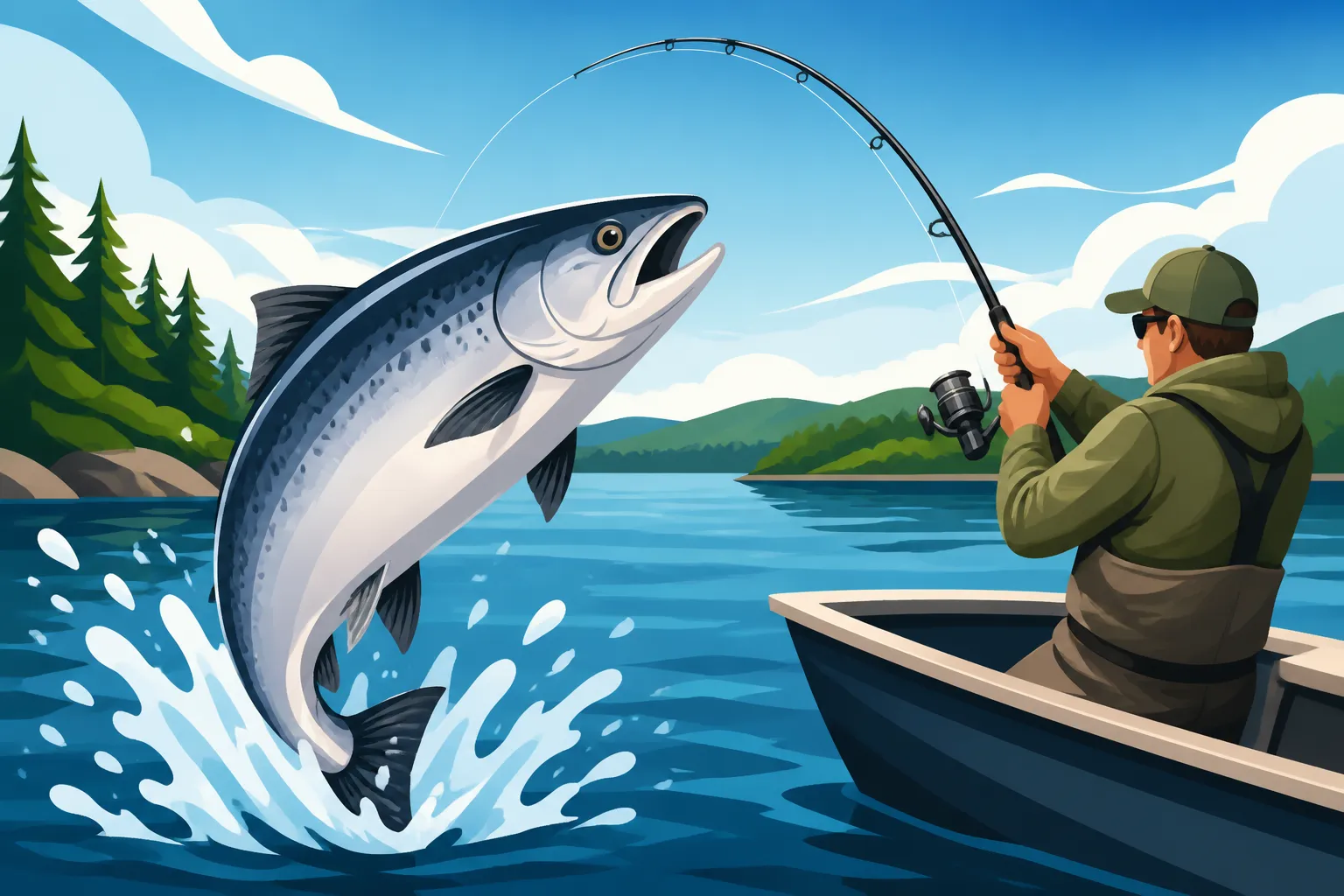
Few things are as frustrating for an angler as spending precious time on the water, only to come up empty-handed, especially when you're targeting a prized fish like landlocked salmon. Many believe that finding these elusive silver missiles is pure luck, but with the right knowledge and a focus on specific, productive waters, your chances increase dramatically. This guide is all about equipping you with the insider's perspective on how to successfully pursue landlocked salmon on Maine's beautiful Damariscotta Lake.
Understanding Damariscotta Lake for Salmon Fishing
Damariscotta Lake, nestled in Lincoln County, is more than just a picturesque body of water; it’s a vibrant ecosystem that supports a healthy population of landlocked salmon, making it a favorite among dedicated anglers. Its unique characteristics create an ideal environment for these sought-after game fish.
Lake Characteristics and Salmon Habitat
Damariscotta Lake spans over 4,600 acres, boasting a maximum depth of around 110 feet. This substantial depth is absolutely crucial for landlocked salmon, especially as the seasons change. Salmon are cold-water fish, requiring well-oxygenated water that remains cool even during the peak of summer. The lake's deep basins provide thermal refuge, allowing salmon to escape the warmer surface waters when temperatures rise. Its irregular bottom contours, with varying depths, ledges, and submerged structures, offer excellent ambush points and foraging grounds for the salmon as they chase baitfish.
The water quality in Damariscotta Lake is generally excellent, a testament to conservation efforts in the region. Clean, clear water is vital for salmon health and for the propagation of their primary food sources, particularly rainbow smelt. Without a robust forage base, salmon simply wouldn't thrive. The lake's numerous coves, rocky points, and tributary inlets also play a significant role, providing diverse habitats that support different life stages of salmon and their prey. Knowing these features helps you pinpoint where the fish might be holding at different times of the year.
What Makes Damariscotta Lake Special for Salmon
What truly sets Damariscotta Lake apart for landlocked salmon fishing is a combination of its natural attributes and dedicated management by the Maine Department of Inland Fisheries and Wildlife (MDIFW). The lake benefits from a consistent stocking program, supplementing its wild population and ensuring a steady supply of salmon for anglers. These stocked fish grow quickly, thanks to the abundant smelt population, often reaching impressive sizes. Many anglers report catching salmon in the 18-22 inch range, with larger trophy fish certainly present.
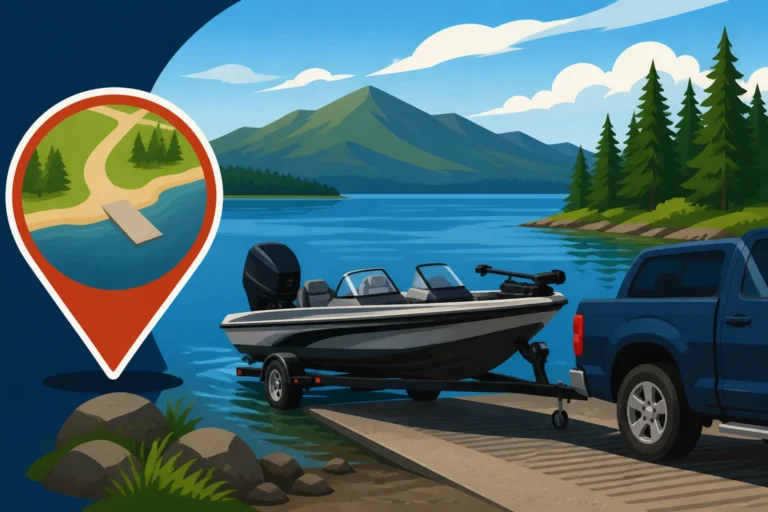
Another factor contributing to Damariscotta Lake's reputation is its accessibility. While it feels wild and expansive, there are ample public access points, making it relatively easy for anglers to launch their boats and explore its vastness. The local community also values its fishing heritage, creating an atmosphere that supports recreational angling. Unlike some more remote waters, you don't need a special bush plane or days of portaging to reach excellent salmon fishing grounds here. It’s a place where both seasoned anglers and those just starting their journey into Landlocked Salmon Fishing in Maine can find success. For those planning a trip, exploring options on platforms like FishingBooker can help coordinate logistics and even find local guides familiar with Damariscotta Lake's specific nuances.
Best Times and Seasons for Salmon Fishing on Damariscotta Lake
Timing is everything when it comes to consistently catching landlocked salmon, and Damariscotta Lake is no exception. Understanding the salmon's seasonal movements and feeding patterns will significantly improve your chances.
Spring Salmon Action
Spring, particularly right after ice-out, is arguably the most exciting time for landlocked salmon on Damariscotta Lake. As the ice recedes, the surface waters are cold and well-oxygenated, allowing salmon to roam freely throughout the lake. They often congregate near tributary inlets, mouths of coves, and rocky points, actively feeding on smelt and other baitfish that are also moving into shallower areas. This is when you can find salmon in the upper water column, sometimes even close to the surface, making them accessible to a variety of techniques.
During early spring, typically from late April through May, focus your efforts on the upper 10-20 feet of the water column. Trolling small spoons, stickbaits, or even streamers behind an unweighted line or small planer board can be incredibly effective. Look for water temperatures in the low to mid-40s Fahrenheit. As spring progresses into early June, and surface temperatures begin to climb, the salmon will start to descend, moving towards deeper, cooler water. This transition period often sees them concentrated around structure at moderate depths before the full summer migration to the thermocline.
Summer Strategies for Deep Water Salmon
Summer fishing for landlocked salmon on Damariscotta Lake presents a different set of challenges and requires a shift in strategy. By late June and into July and August, the surface waters become too warm for salmon. They retreat to the thermocline – the layer of water where the temperature changes most rapidly – typically found at depths ranging from 30 to 60 feet, depending on the year and specific lake conditions. This means you need specialized gear to reach them.
Downriggers, lead core line, and copper line are your best friends during the summer months. These tools allow you to present your lures at precise depths where the salmon are holding. Look for concentrations of baitfish on your fish finder, and you'll likely find salmon nearby. Trolling speed is critical; a slower presentation might be necessary as salmon become less active in warmer conditions. Early mornings and late evenings are often the most productive times, even in summer, as the light levels are lower and fish might briefly move shallower to feed. If you're looking for more general insights, our Best Time of Year to Catch Landlocked Salmon in Maine guide offers broader seasonal advice.
Fall Fishing for Spawning Salmon
As autumn colors begin to paint the landscape, Damariscotta Lake experiences a resurgence in salmon activity. Fall fishing, particularly from September through October, can be incredibly rewarding as landlocked salmon become more aggressive in preparation for their spawning run. They're actively feeding to build up energy reserves, and as the lake water cools, they once again become more widely distributed throughout the water column.
During this period, salmon will move closer to tributary mouths and rocky shoals where they will eventually spawn. Trolling remains highly effective, but casting spoons and stickbaits into these shallower areas can also produce explosive strikes. Fly fishermen will find opportunities near the inlets, targeting staging fish. While regulations protect actual spawning fish on their redds, the pre-spawn staging offers excellent opportunities. Be sure to consult the official Maine Fishing Season Dates Guide to ensure you're compliant with any specific fall regulations.
Proven Techniques and Baits for Damariscotta Lake Salmon
Catching landlocked salmon isn't just about being in the right place at the right time; it's also about employing the right techniques and offering them the irresistible presentation they crave. On Damariscotta Lake, a few methods consistently prove their worth.
Trolling for Landlocked Salmon
Trolling is hands down one of the most effective ways to cover water and locate active salmon on Damariscotta Lake. It allows you to present your lure at a consistent depth and speed, mimicking a swimming baitfish. Successful Trolling Techniques for Maine Lakes often involve varying your speed between 1.8 and 2.5 miles per hour, though sometimes a slower or faster presentation is needed to entice a strike.
To reach the desired depths, anglers utilize several tools:
- Lead Core Line: This colored line changes color every 10 yards, with each color typically sinking 5 feet at a trolling speed of 2 mph. It's excellent for covering a range of depths without heavy weights.
- Copper Line: Similar to lead core but denser, copper line sinks faster and can reach deeper depths with less line out. It's often used for targeting salmon holding very deep.
- Downriggers: These mechanical devices allow you to precisely lower a cannonball weight, with your fishing line clipped to it, to a specific depth. When a fish strikes, the line releases from the clip, allowing you to fight the fish directly without the weight. This is particularly effective for summer salmon.
- Planer Boards: Used primarily in spring, planer boards pull your line away from the boat, allowing you to cover a wider swath of water and present lures in areas where the boat's shadow might spook fish.
Experiment with different depths and speeds until you find what the salmon are keying in on. Pay close attention to your fish finder; if you see bait schools or fish arches at a certain depth, make sure your lure is running right through that zone.
Fly Fishing and Casting Methods
While trolling dominates much of the year, fly fishing and casting offer exciting alternatives, especially during specific seasons. In the spring and fall, when salmon are in shallower water, fly fishing can be incredibly productive, particularly near the mouths of tributaries or along rocky shorelines. Streamer patterns that imitate smelt, such as Grey Ghosts, Black Ghosts, or Nine-Threes, are perennial favorites. A 6 or 7-weight fly rod with a sinking tip or full sinking line will help get your fly down to where the fish are holding.
Casting spoons or stickbaits from a boat or even from shore can also be very effective during these periods. A medium-light spinning rod paired with 6-8 lb test line is perfect for casting lures like a silver-and-blue Little Cleo, a small Rapala, or an A.C. Shiner. Focus your casts around points, submerged rock piles, and areas where baitfish are likely to congregate. This active style of fishing allows for greater control over lure presentation and can often trigger aggressive strikes from patrolling salmon.
Recommended Lures and Bait
Landlocked salmon on Damariscotta Lake, like elsewhere in Maine, have a strong preference for lures that imitate their primary food source: rainbow smelt.
- Spoons: Classic trolling spoons like the Mooselook Thinfish, Sutton Spoon, DB Smelt, and Al's Goldfish are deadly. Colors like silver, blue/silver, orange/silver, and black/silver are consistently productive. Sizes typically range from 2.5 to 4 inches.
- Stickbaits: Jointed or solid stickbaits such as Rapalas (especially the F11 or F13 series in silver, blue, or firetiger patterns), Challenger, and Yo-Zuri are excellent for both trolling and casting.
- Streamers: For fly fishing, as mentioned, smelt imitations are key. Classic Maine streamers are hard to beat.
- Live Bait: While artificial lures are popular, nothing quite beats live bait in certain situations. Smelt, shiners, or even small minnows (where legal and permissible by size) fished under a bobber or slowly trolled can be irresistible. Always check current regulations regarding baitfish use and sources.
- Flashers/Dodgers: Sometimes, an added attractor like a flasher or dodger ahead of your lure can draw attention. These create vibration and flash, mimicking a school of baitfish and often prompting salmon to investigate.
For more generalized advice on lure selection, check out our guide on Best Lures for Maine Open Water Fishing. Remember, what works one day might not work the next, so always be prepared to experiment with different colors, sizes, and presentations until you crack the code.
Navigating Regulations and Access on Damariscotta Lake
Fishing in Maine comes with a clear set of rules designed to protect our precious fisheries, and Damariscotta Lake is no exception. Understanding these regulations and knowing where to access the water are vital for a successful and legal trip.
Key Fishing Regulations for Salmon
The Maine Department of Inland Fisheries and Wildlife (MDIFW) sets specific rules for each body of water to ensure sustainable fishing. For Damariscotta Lake, these regulations will dictate things like:
- Bag Limits: How many salmon you can keep per day.
- Length Limits: Minimum and sometimes maximum lengths for fish you can harvest. This often involves "slot limits" where only fish within a certain size range can be kept.
- Season Dates: When you are legally allowed to fish for salmon. While general open water season typically runs from April 1st to September 30th for many species, specific lakes can have variations.
- Terminal Tackle Restrictions: Rules about bait types (live bait vs. artificial), hook types (single point, treble, barbless), and lead tackle. For example, Maine has a Maine Lead Jig Fishing Ban that anglers should be aware of.
It is absolutely crucial to consult the most current MDIFW open water fishing law book or their official website before heading out. Regulations can change annually, and what was legal last year might not be this year. Ignoring these rules can lead to significant fines and penalties. For a comprehensive overview, our Maine Fishing Regulations Explained is an excellent resource, but always double-check the specific rules for Damariscotta Lake in the official law book. If you're planning a multi-day trip, remember to check the validity of your Maine Fishing License Renewal Rules.
Public Access and Boat Launches
Accessing Damariscotta Lake is relatively straightforward, with several public options available.
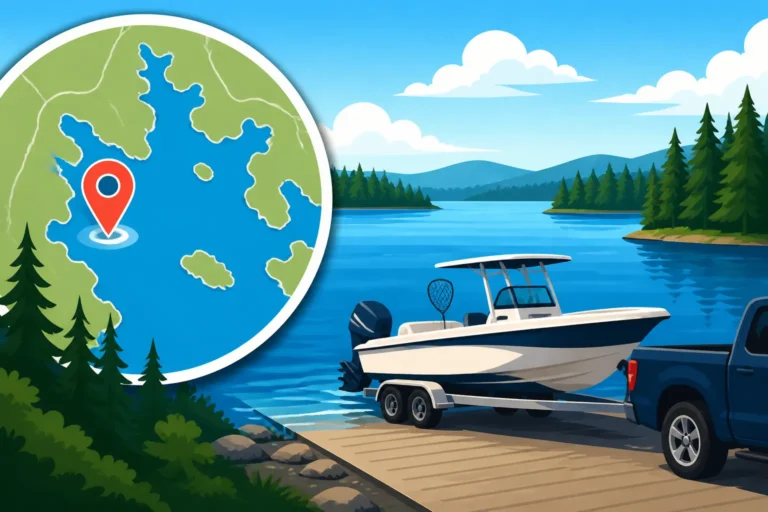
- Damariscotta Lake State Park: Located in Jefferson, this park offers a public boat launch that provides easy access to the northern end of the lake. It's a well-maintained facility, but during peak summer months, it can get busy.
- Town of Jefferson Boat Launch: There is another public boat launch in the town of Jefferson, often less crowded than the state park, providing additional access points.
- Town of Nobleboro Boat Launch: On the southern end of the lake, Nobleboro also offers a public launch point, allowing anglers to target different sections of the lake.
When using any public launch, always practice good etiquette: prepare your boat before backing down the ramp, launch quickly, and remove your boat efficiently. Remember to inspect your boat and trailer for invasive species before and after launching to prevent their spread. These steps help maintain the pristine condition of Damariscotta Lake for all anglers and future generations. If you're coming from out-of-state, securing your Maine Nonresident Fishing License Cost is one of the first things you'll want to do, and platforms like FishingBooker can sometimes offer resources or links to help you manage such details or even connect with guides who can assist with trip planning.
| Season | Target Depth (Approx.) | Recommended Lures/Baits | Preferred Techniques | Key Considerations |
|---|---|---|---|---|
| Early Spring | 0-20 feet | Small Spoons (silver/blue), Stickbaits, Smelt Imitation Streamers | Trolling, Casting, Fly Fishing | Focus on coves, points, tributary mouths; cold water. |
| Late Spring | 15-30 feet | Small Spoons, Stickbaits, Live Smelt | Trolling (unweighted/light lead core) | Salmon start to move deeper as surface warms. |
| Summer | 30-60+ feet (thermocline) | Deeper Trolling Spoons, Stickbaits | Trolling with Downriggers, Lead Core, Copper Line | Target thermocline; early/late day best. |
| Fall | 0-30 feet | Spoons, Stickbaits, Streamers (larger) | Trolling, Casting, Fly Fishing | Aggressive feeding; focus near spawning areas. |
Disclaimer
Please be aware that fishing regulations, conditions, and fish populations can change. Always consult the official Maine Department of Inland Fisheries and Wildlife (MDIFW) website and their most current law book before embarking on any fishing trip. This guide provides general information and recommendations, but it is your responsibility to know and follow all applicable laws.