Cobbosseecontee Lake Bass Fishing Spots
Oh, Cobbosseecontee Lake! If you're anything like me, you've probably spent countless hours staring at a map, wondering where those elusive Maine bass are hiding in such a vast and diverse body of water. It can be incredibly frustrating to hit the water without a solid game plan, feeling like you're just casting blindly. This comprehensive guide is designed to cut through that confusion, giving you the insider scoop on the best bass fishing spots on Cobbosseecontee Lake, along with the strategies you need to find and catch more largemouth and smallmouth bass.
Understanding Cobbosseecontee Lake's Bass Habitat
Cobbosseecontee Lake, affectionately known as "Cobbossee" by locals, is a gem in Central Maine, a true paradise for bass anglers. But it's not just a big, open sheet of water. It's a complex ecosystem with varying depths, structures, and forage opportunities that dictate where bass will be at different times of the year. Understanding these foundational elements is key to unlocking its secrets.
Geographic Features and Forage
Cobbosseecontee Lake spans over 5,000 acres, making it one of the larger lakes in the region, and it's part of the Cobbosseecontee Stream drainage system, which includes several other productive ponds. This interconnectedness means bass can move quite a bit, following forage and comfortable water conditions. The lake boasts a diverse bottom, ranging from rocky ledges and gravel flats to soft, silty areas and dense weed beds. Depths vary dramatically, from shallow coves perfect for largemouth to deeper, cooler main lake basins where smallmouth often roam. This variety provides ample hiding and feeding grounds for both species.
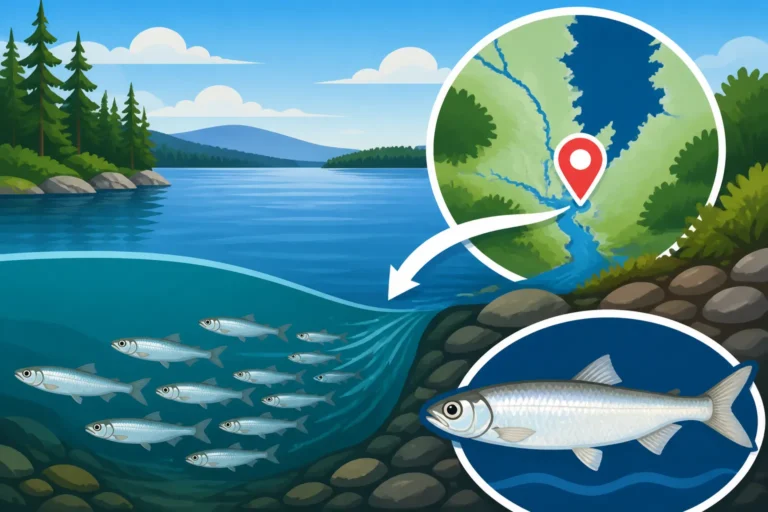
Forage is plentiful here, with a rich population of baitfish like alewives, shiners, and perch, as well as crayfish. These food sources are crucial because bass are opportunistic predators, constantly on the hunt for their next meal. Understanding where the baitfish are congregating, whether it's around weed lines, rocky outcrops, or open water, will inevitably lead you to the bass. The presence of islands, such as Spectacle Island and Island Park, also creates complex current breaks and underwater structure, acting as natural fish magnets. Knowing these areas and what kind of structure they offer below the surface is like having a secret map.
Largemouth vs. Smallmouth Bass Preferences
While both species of bass thrive in Cobbossee, they typically have distinct preferences for habitat, which means you'll often find them in different types of spots. Knowing these preferences helps you tailor your approach to target one or both.
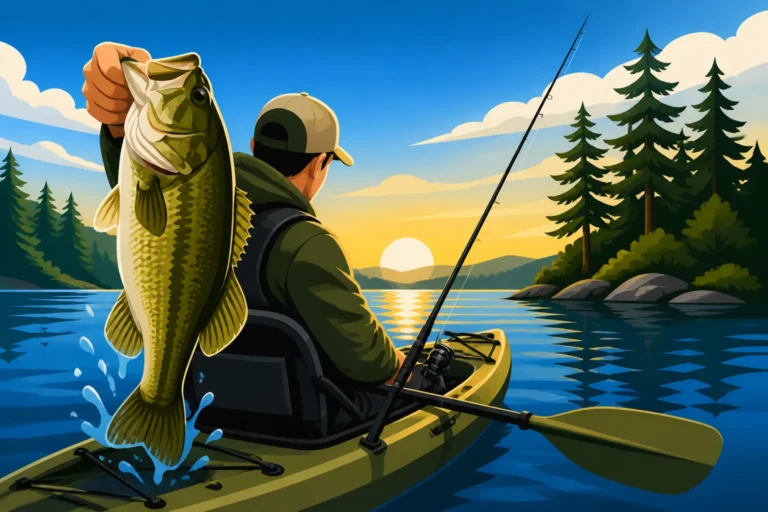
Largemouth Bass are classic ambush predators. They love cover and structure, using it to hide and surprise their prey. On Cobbossee, you'll find them gravitating towards dense weed beds, lily pads, fallen timber, submerged brush, and especially around man-made structures like docks and boat lifts. These areas provide shade, protection, and prime ambush points. They prefer shallower, warmer water, often no more than 15-20 feet deep, though they might venture deeper to follow bait in summer. If you're looking for big green fish, focus your efforts on the countless coves, shallower flats, and protected bays along the shoreline.
Smallmouth Bass, on the other hand, are more comfortable in open water and prefer rocky, gravelly bottoms with access to deeper, cooler water. They are often found around points, humps, ledges, and rocky shorelines, where they can cruise and chase down baitfish in open water. While they'll certainly move shallow during the spawn, their typical haunts are often in the 15-40 foot depth range, particularly during the warmer months. Look for areas with quick depth changes and scattered rocks or boulders. These areas provide current breaks and ambush points that smallmouth adore. Understanding these differences is crucial for maximizing your success on the lake; a spot that's fantastic for largemouth might be barren for smallmouth, and vice-versa.
Top Bass Fishing Hotspots on Cobbosseecontee Lake
Cobbosseecontee Lake is blessed with numerous areas that consistently produce good bass fishing. While fish can be found almost anywhere, certain locations concentrate them due to prime habitat and forage availability. These are the spots where you should focus your initial efforts.
"The Gut" and Connecting Waters
One of the most talked-about and productive areas on Cobbosseecontee Lake is "The Gut." This is a narrow channel that connects the main body of Cobbosseecontee Lake to smaller, shallower Annabessacook Lake, and beyond that, to Horseshoe Pond. This entire system acts as a superhighway for baitfish and bass alike. The flowing water, even if subtle, creates current breaks and concentrates nutrients, making it a fantastic feeding ground.
Bass often stack up in and around "The Gut," especially during transition periods like spring and fall, when they're moving between the lakes. The mouth of the channel on both sides, and any deeper pockets or rocky stretches within the channel itself, are prime targets. Look for submerged logs, rock piles, or even subtle changes in bottom composition. Fishing around bridges or culverts that cross "The Gut" can also be incredibly effective, as these structures often create eddies and ambush points. Anglers often find success here with crankbaits, jigs, and soft plastics fished slowly along the bottom. You can find excellent guides who specialize in these interconnected waterways, and many list their services on platforms like FishingBooker, making it easy to find someone with local expertise.
Islands, Points, and Rocky Structures
Cobbosseecontee Lake is dotted with islands and features numerous rocky points that extend out into the main lake. These are absolute magnets for smallmouth bass and often hold a good number of largemouth as well, especially on their shallower, weedier sides.
Islands like Spectacle Island, Island Park, and Pleasant Island are prime examples. The rocky shorelines and submerged reefs around these islands offer excellent cover and foraging opportunities. Smallmouth love to cruise the deeper rock edges and humps, while largemouth might be found in any pockets of weeds or timber on the island's shallower flanks. Fish the transition areas where rock meets sand or where a deep drop-off begins. For points, cast parallel to the shoreline, letting your lure follow the contour. Jigs, drop shots, and Carolina rigs are fantastic for probing these rocky structures, allowing you to feel every bump and crevice. Don't be afraid to experiment with different depths around these features; bass might be holding tight to the bottom or suspended just off the break.
Weed Beds, Docks, and Shoreline Cover
While the islands and channels offer great opportunities, the vast amount of shoreline cover is where many anglers find their biggest largemouth. The protected coves and shallower areas of Cobbossee are often choked with healthy weed beds and dotted with docks, boat lifts, and overhanging trees.
Look for areas with dense lily pads and milfoil beds. These provide excellent shade, cover from predators, and a thriving ecosystem of baitfish and insects that largemouth bass absolutely devour. Flipping and pitching jigs or Texas-rigged soft plastics into the thickest cover is a classic technique here. For areas with less dense weeds, spinnerbaits or ChatterBaits can be incredibly effective when retrieved just above the weed line.
Docks and boat lifts are artificial structures that mimic natural cover and are perennial hotspots. Bass will often position themselves under or near these structures for shade and ambush points. Skirted jigs, wacky-rigged Senkos, or even small topwater frogs can be deadly when skipped under docks. Pay attention to the deep ends of docks where they meet drop-offs, as these transition zones are often key. Remember that not all docks are created equal; some may offer better cover or be closer to prime feeding grounds than others. For a deeper dive into the specific rules that apply to different waters, check out our guide on Maine North Zone vs South Zone Fishing Rules.
Mastering Seasonal Bass Strategies
Bass fishing on Cobbosseecontee Lake isn't a "one-size-fits-all" endeavor. The changing seasons dramatically influence where bass will be, what they'll be eating, and how actively they'll feed. Adjusting your tactics to the season is paramount for consistent success.
Spring Spawning and Pre-Spawn Tactics
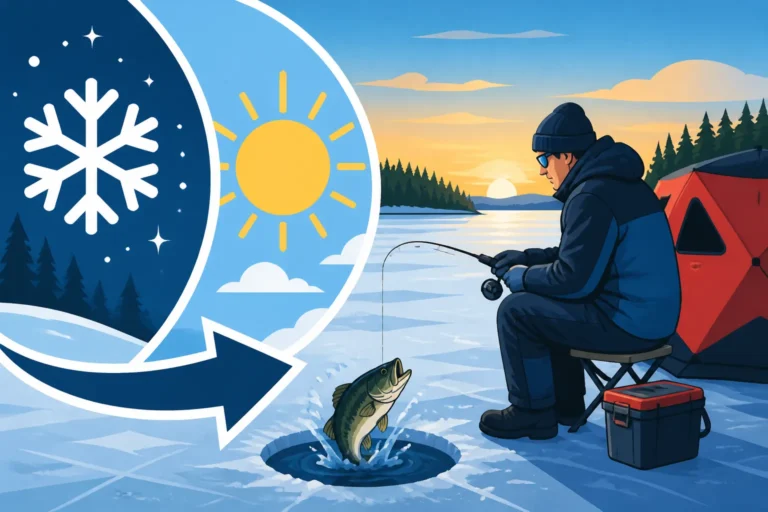
As the ice retreats and water temperatures begin to climb in late April and May, a significant shift occurs in bass behavior. This is the pre-spawn period, one of the most exciting times to fish. Bass, especially largemouth, move from their deeper wintering grounds into shallower coves and bays, staging near potential spawning areas. They are hungry and aggressive, packing on calories before the rigors of spawning.
Focus your efforts on transition zones: where deeper water meets shallow flats, rocky points leading into protected coves, and the outer edges of emerging weed beds. Crankbaits, jerkbaits, and spinnerbaits are excellent choices for covering water and triggering strikes from actively feeding bass. As the water warms further (into the high 50s and low 60s Fahrenheit), bass will move onto their beds to spawn. During this time, they become extremely protective. Sight fishing for bedding bass with soft plastics like tubes or creature baits can be effective, but remember to practice responsible catch and release to protect the future of the fishery. Understanding the annual cycles is just as important as knowing where to go, and you can learn more about this in our Maine Fishing Season Dates Guide.
Summer Deep Water and Structure Fishing
When the brutal heat of July and August sets in, Cobbosseecontee's bass fishing transforms again. Surface water temperatures climb, and bass often seek refuge in cooler, deeper water or within dense cover that provides shade and oxygen. This doesn't mean they're impossible to catch; it just means you need to adjust your approach.
For largemouth, target the thickest weed beds, lily pad fields, and the deepest shade under docks. Flipping and pitching heavy jigs or soft plastics into these areas, or throwing topwater frogs over matted vegetation, can be incredibly productive during low-light hours or in shady spots. For smallmouth, the name of the game is deep structure. Look for underwater humps, rock piles, ledges, and steep drop-offs in the main lake basin. Techniques like drop-shotting, Carolina rigging, or fishing football jigs slowly along the bottom are deadly for these deeper fish. Electronics are your best friend during this time, helping you locate subtle depth changes and bait concentrations. Many guides on platforms like FishingBooker specialize in these summer deep-water tactics, offering invaluable local knowledge.
Fall Feeding Frenzy and Transition Zones
As summer wanes and cooler temperatures return in September and October, Cobbosseecontee Lake experiences a spectacular fall feeding frenzy. Bass sense the approaching winter and begin to gorge themselves, actively feeding to build up fat reserves. This can lead to some of the most exciting fishing of the year.
Bass will often move back to shallower depths, following schools of baitfish that are also staging before winter. Look for them around main lake points, channel swings, and the remaining healthy green weed beds. Crankbaits (especially lipless ones), jerkbaits, and swimbaits are fantastic for covering water and imitating the abundant forage. Topwater action can also be phenomenal on calm, crisp mornings. As the water continues to cool, bass will gradually move deeper, concentrating on transition areas near their wintering holes. This is a great time to fish slower presentations like jigs and slow-rolling spinnerbaits along deeper breaks. Keeping an eye on the water temperature is crucial during the fall, as even a few degrees can dictate where the fish are holding. Always be aware of the specific regulations, which can be found in resources like the Maine Fishing Regulations Explained.
Essential Gear and Responsible Angling
Getting out on Cobbosseecontee Lake for bass fishing means having the right tools for the job, but it also means respecting the fishery and its rules. A little preparation goes a long way in ensuring a successful and responsible trip.
Recommended Lures and Tackle
Cobbosseecontee Lake's diverse habitat means you'll want a versatile tackle box. Here's a breakdown of some go-to options for bass:
- Soft Plastics: These are arguably the most versatile bass baits. Think Texas-rigged worms, creature baits, and Senkos for pitching into cover or wacky-rigging around docks. Flukes and swimbaits are great for open water. Colors like green pumpkin, black and blue, or junebug are consistently effective.
- Jigs: Flipping jigs (for heavy cover) and football jigs (for rocky bottoms and deeper structure) are essential. Pair them with a suitable trailer that adds bulk and action.
- Crankbaits: Square bills for shallow cover, medium-diving crankbaits for points and flats, and deep divers for open water smallmouth. Match the retrieve to the conditions.
- Spinnerbaits and ChatterBaits: Excellent for covering water, especially around weed lines and scattered cover. Their flash and vibration can trigger reaction strikes.
- Topwater Lures: Frogs for matted vegetation, poppers for calm conditions, and walking baits for open water. There's nothing quite like a bass blowing up on a topwater lure.
- Terminal Tackle: Always carry a good selection of hooks (EWG, straight shank, wacky rig hooks), weights (bullet, tungsten, drop-shot), and swivels.
- Rods and Reels: A medium-heavy casting rod with a baitcaster is perfect for jigs, soft plastics, and heavier lures. A medium spinning rod is ideal for lighter finesse presentations like drop shots and lighter soft plastics.
For more detailed information on lure selection, consider reading our guide on the Best Lures for Maine Open Water Fishing.
Navigating the Lake and Local Regulations
Navigating Cobbosseecontee Lake effectively requires some planning, especially if you're new to the area. There are several public boat launches around the lake, including those maintained by the Maine Department of Inland Fisheries and Wildlife (MDIFW). Ensure your boat is properly registered and equipped with all required safety gear. A good GPS or depth finder is invaluable for navigating safely and identifying key underwater structures that hold bass.
Beyond knowing the hotspots, it's absolutely critical to understand and adhere to Maine's fishing regulations. These rules are designed to protect the fishery and ensure sustainable angling for everyone. For bass specifically, pay close attention to length limits and daily bag limits, which can sometimes vary by waterbody or by zone in Maine. For instance, the general law for bass in the South Zone (where Cobbossee is located) might be different from other areas. You can find up-to-date information on bass limits in our Maine Bass Limit in the South Zone article.
Furthermore, make sure you have a valid Maine Fishing License Guide. Fishing without one is not only illegal but also disrespectful to the conservation efforts that keep our waters healthy. Many anglers choose to hire a local guide, especially when visiting for the first time. A quick search on platforms like FishingBooker can connect you with experienced Registered Maine Guides who know Cobbosseecontee like the back of their hand and can put you on fish while ensuring you comply with all local rules.
It’s also important to practice catch and release, especially for larger breeding bass, to help maintain a robust population. If you do plan to keep some fish, be sure to understand the specific Maine Fish Bag Limits Guide and consumption advisories. By being prepared with the right gear and respecting the rules, you’ll not only have a more enjoyable day on Cobbosseecontee but also contribute to the long-term health of this incredible bass fishery.
| Hotspot Type | Target Species | Key Features | Recommended Lures | Best Seasons |
|---|---|---|---|---|
| "The Gut" Channel | Largemouth, Smallmouth | Current breaks, channel swings, rocky bottom | Crankbaits, Jigs, Soft Plastics | Spring, Fall |
| Islands & Points | Smallmouth, Largemouth | Rocky ledges, humps, deep drop-offs | Drop Shots, Football Jigs, Jerkbaits | All Seasons |
| Dense Weed Beds | Largemouth | Lily pads, milfoil, submerged vegetation | Flipping Jigs, Frogs, Texas-Rigged Worms | Summer, Early Fall |
| Docks & Boat Lifts | Largemouth | Shade, vertical structure, ambush points | Wacky-Rigged Senkos, Skirted Jigs, Poppers | Spring, Summer |
| Shallow Coves | Largemouth | Spawning flats, submerged brush, timber | Spinnerbaits, Square Bill Crankbaits | Spring, Fall |
Disclaimer
Please note that fishing conditions and regulations can change. Always consult the latest Maine Department of Inland Fisheries and Wildlife (MDIFW) regulations before heading out on the water. This guide provides general information and recommendations based on common fishing practices and available knowledge.