Maine Coastal Fishing Spots for Striped Bass
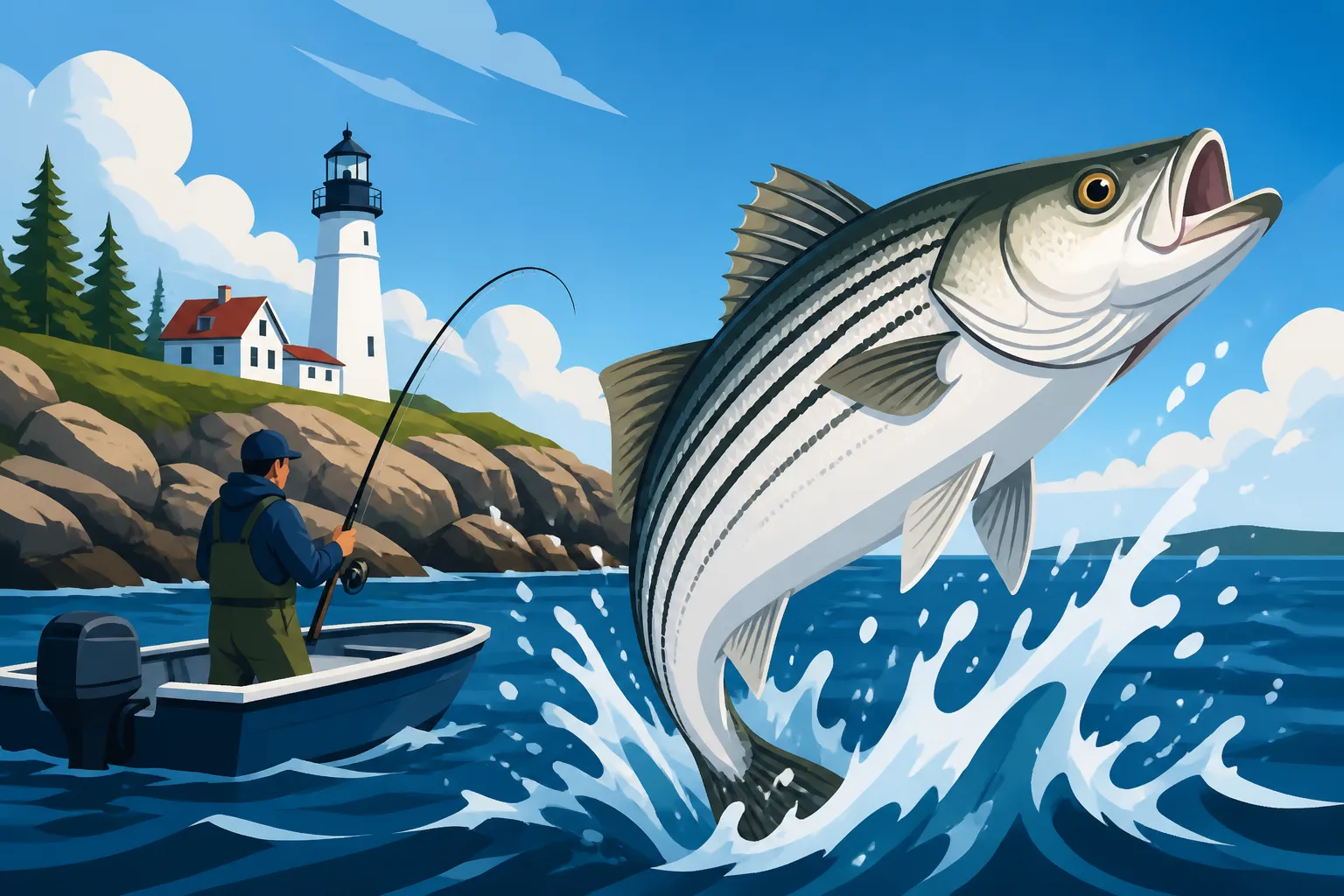
Trying to find those sweet spots for striped bass along Maine's incredibly vast and diverse coastline can feel like searching for a needle in a haystack, especially when you're faced with miles of rugged shore, tricky tides, and ever-changing fish patterns. It's easy to get overwhelmed, wondering where to even cast your first line for these elusive, hard-fighting beauties. This comprehensive guide is here to cut through the confusion, pinpointing some of Maine's most productive coastal fishing spots for striped bass and sharing the insider knowledge you'll need to make your next trip a success.
Understanding Striped Bass Behavior in Maine's Coastal Waters
Before we dive into specific locations, it's really helpful to understand what makes a spot attractive to striped bass in Maine. Our coast is different from other regions; it's colder, rockier, and has a shorter striper season. Knowing their habits here will drastically improve your chances.
The Annual Migration and Timing
Striped bass are migratory fish, and their presence in Maine is largely dictated by water temperature. They follow warmer currents northward each spring and return south as the water cools in the fall. This means our season is relatively compressed, typically running from late May or early June through October, with peak action often in July and August. Getting the timing right is crucial, because showing up too early or too late means you'll be casting into empty water.
Early in the season, you'll often find smaller "schoolie" stripers moving into estuaries and warmer river mouths, eager to feed after their long journey. As summer progresses, larger fish arrive, spreading out along the rocky coastlines, sandy beaches, and deeper channels. They're here to feast on the abundant baitfish, like mackerel, herring, and sand eels. Understanding these patterns, and keeping an eye on water temperatures, will give you a significant advantage. This also means paying attention to the Maine Striped Bass Season and Limits to ensure you're fishing legally and responsibly.
Habitat Preferences and Feeding Patterns
Maine's diverse coastline offers a smorgasbord of habitats that stripers love. They're ambush predators, so they're always looking for structure and current that concentrates baitfish. This could be anything from rocky points and ledges to sandy beaches, river mouths, and even deep-water humps offshore.
On the incoming tide, stripers often move into shallower areas, around structure, and into estuaries to feed on smaller baitfish and crabs. As the tide recedes, they might pull back into deeper channels, ambush points, or drop-offs, waiting for bait to be flushed out. Understanding these tide-driven movements is paramount, which is why a keen eye on the local tide charts is just as important as your tackle box. Areas where freshwater rivers meet the saltwater are also prime locations, as they often create nutrient-rich zones that attract a variety of prey. You'll find these fish often hold close to structure, waiting for an unsuspecting meal to swim by, so casting accurately and working your lure or bait through these zones is key.
Southern Maine's Premier Striper Haunts
Southern Maine, with its mix of sandy beaches, rocky points, and river estuaries, offers some of the most accessible and productive striper fishing. These areas tend to warm up earlier in the season, often seeing the first waves of migrating fish.
Ogunquit to Kennebunkport: Beaches and River Mouths
This stretch of coastline is incredibly popular for a reason – it consistently produces striped bass. The mix of broad sandy beaches, like Ogunquit Beach and Wells Beach, interspersed with rocky outcroppings and river estuaries, creates perfect hunting grounds.
Ogunquit River and Beach: The Ogunquit River estuary is a phenomenal early-season spot. Stripers congregate here, especially on an incoming tide, to gorge on baitfish. Anglers often find success casting soft plastics, small swimbaits, or even flies from the shoreline around the mouth of the river. As the season progresses, the beach itself becomes productive, particularly at dawn or dusk, when stripers move closer to shore. Walking the beach and casting into the waves with pencil poppers or metal lures can be incredibly exciting. Parking can be a challenge during peak summer, so plan to arrive early.
Kennebunk River and Beaches: Further north, the Kennebunk River mouth and the adjacent Kennebunk beaches (Gooch's Beach, Mother's Beach) offer similar opportunities. The jetty at the mouth of the Kennebunk River is a prime spot, providing structure and current breaks where stripers hold. Anglers fishing from the jetty often use live mackerel or chunk bait, while those fishing the beaches cast a variety of artificials. The tide here is strong, so understanding How to Read Tides for Striped Bass Fishing will be incredibly beneficial. For those looking for a guided experience on these waters, reputable services can often be found through platforms like FishingBooker, connecting you with local captains who know the specific nuances of these tides and hotspots.
Casco Bay and Portland Area: Islands, Harbors, and Estuaries
Moving east, the Casco Bay region, centered around Portland, presents a different kind of striper fishery. It’s characterized by numerous islands, deep harbors, and tidal estuaries, offering endless possibilities for boat and shore anglers alike.
Portland Harbor and Fore River: Portland Harbor itself, with its deep channels and rocky structure, holds stripers throughout the season. The Fore River, which flows into the harbor, is a fantastic spot, especially in the spring and fall. Anglers fishing from shore near Bug Light Park in South Portland, or from the Eastern Promenade in Portland, can find success casting into the channels. Kayak fishing is also very popular here, allowing access to the shallower coves and around the many islands that dot the bay. Stripers here often feed on herring and mackerel, so matching the hatch with appropriate lures or flies is crucial.
Cape Elizabeth and Scarborough: South of Portland, the rocky shores of Cape Elizabeth and the sprawling marshes and beaches of Scarborough are prime targets. Two Lights State Park and Crescent Beach State Park offer shore access to productive rocky points and sandy stretches. The Scarborough River estuary is another well-known hotspot, particularly for bait anglers. Many local guides focus on this area, navigating the complex marsh systems to find feeding fish. If you're planning a trip and need a local expert, checking out options on FishingBooker for Maine Striped Bass Charters in the Casco Bay area can be a great starting point. They can put you right on the fish, often in spots that are tough to access without local knowledge or a boat.
Midcoast Maine: Rugged Beauty and Robust Stripers
The Midcoast region of Maine, stretching from Brunswick up to Penobscot Bay, is defined by its dramatic rocky coastline, deep coves, and numerous peninsulas. This area is less crowded than Southern Maine but offers equally fantastic striper fishing, especially for those who love exploring remote spots.
Kennebec River System: A Striper Highway
The Kennebec River is arguably Maine’s most famous striper fishery, drawing anglers from all over. Its vast tidal reach, strong currents, and abundant bait make it a true striper highway.
Popham Beach State Park and Phippsburg: The mouth of the Kennebec River, particularly around Popham Beach State Park and the nearby waters of Phippsburg, is legendary. Stripers stack up here, especially during the mackerel run, creating frenzied feeding opportunities. Shore anglers can cast from the beach, trying to reach the rips where the current meets the open ocean. Boat anglers can troll or drift live bait (mackerel are king here) around the ledges and channels. The sheer volume of water and current can be intimidating, so a good understanding of the tides and safety is essential. Many charter captains specialize in this area, knowing exactly where the fish are holding based on the tide and time of year.
Upriver to Bath and Beyond: Stripers will push far upriver, sometimes as far as Augusta, following the bait. Popular spots upriver include the shores around Bath and Woolwich. Kayakers and small boat anglers often do well exploring the numerous tidal creeks and marsh systems that feed into the Kennebec. These calmer waters can be incredibly productive, offering a more peaceful fishing experience away from the ocean swells. Soft plastics and topwater lures fished over submerged structure or along marsh edges can yield explosive strikes. Remember, always be aware of the Maine Fishing Regulations Explained for any specific areas along the river.
Boothbay Harbor Region: Rocky Coves and Island Structure
The Boothbay Harbor area and its surrounding islands offer classic Midcoast striper fishing, characterized by intricate rocky shorelines, deep water close to shore, and strong tidal flows around islands.
Boothbay Harbor and Outer Islands: This region is a paradise for boat anglers. The numerous islands, ledges, and channels provide endless structure for stripers to hide and ambush prey. Popular tactics include trolling tube-and-worm rigs, jigging with swimbaits, or casting topwater plugs around rocky points and island edges. Shore anglers can find success from public access points along the mainland, casting into deeper channels or rips. Places like Ocean Point in East Boothbay or the various public docks can provide good opportunities, especially during moving tides. A good map and an understanding of the local contours will be invaluable here.
Muscongus Bay and Pemaquid Peninsula: Further east, Muscongus Bay offers a slightly more remote feel. The Pemaquid Peninsula, with its iconic lighthouse, features some excellent shore fishing opportunities, particularly around the rocky ledges and small coves. These spots can be very productive during an incoming tide, when stripers move into feed. Fly fishing can be particularly effective in the shallower rocky areas, casting deceiver patterns or clousers. For those who want to explore these waters with a guide, you can often find dedicated professionals specializing in the rugged Midcoast fishery through platforms like FishingBooker, offering unique trips that might focus on sight casting in shallow coves or trolling the deeper channels.
Downeast and Beyond: Less Crowded, Still Productive
As you head further Downeast, the coastline becomes even more wild, rugged, and sparsely populated. While striper numbers might not be as concentrated as in Southern or Midcoast Maine, this region offers incredible fishing for those seeking solitude and a true wilderness experience.
Mount Desert Island and Acadia National Park Area
The stunning beauty of Mount Desert Island, home to Acadia National Park, provides a dramatic backdrop for striper fishing. The deep, cold waters here mean the season might start a little later, but the fishing can be spectacular.
Bass Harbor and Somes Sound: These areas offer unique opportunities. Bass Harbor, on the western side of the island, has tidal creeks and rocky shores that attract stripers. Somes Sound, a fjord-like estuary, provides deep, sheltered waters where stripers can be found, particularly around the rocky edges and submerged structure. Boat anglers will have the most flexibility here, but shore anglers can still find success by exploring public access points around the harbors and coves. The deep water here can call for different tactics, sometimes requiring deeper presentations with jigs or weighted flies.
Bar Harbor and Frenchman Bay: While more tourist-focused, the waters around Bar Harbor and within Frenchman Bay can also hold stripers. Target areas where current concentrates bait, such as around ledges or the mouths of smaller tidal inlets. Early morning or late evening often provides the best opportunities to avoid heavy boat traffic. Looking to maximize your time on the water in this beautiful region? Consider searching for Bar Harbor Fishing Charters on FishingBooker, where experienced local captains can guide you to the best fishing grounds, often combining fishing with a scenic tour of Acadia’s breathtaking coast.
Eastport and Cobscook Bay: The Far Eastern Frontier
Pushing to the very eastern edge of Maine, the waters around Eastport and Cobscook Bay are characterized by extreme tides, often with differences of 20 feet or more. This creates incredibly strong currents, attracting baitfish and, in turn, opportunistic stripers.
Quoddy Narrows and Eastport Harbors: The sheer power of the tides in the Quoddy Narrows creates turbulent, oxygen-rich water that is a magnet for feeding fish. While challenging to fish due to the strong currents, these areas can be incredibly rewarding. Heavy jigs, large swimbaits, and stout tackle are often necessary. Shore access can be limited and requires extreme caution due to the powerful currents and rapid tide changes. Boat anglers are advised to use extreme caution or hire a local guide who intimately understands these unique waters. The season here is typically shorter, with stripers arriving later and leaving earlier due to the colder water.
Cobscook Bay Tidal Zones: Cobscook Bay itself is a complex network of smaller bays, coves, and tidal flats. While some areas are too shallow for consistent striper fishing, the deeper channels and the mouths of rivers feeding into the bay can be productive. Focusing on the moving tides, particularly the beginning of the incoming and end of the outgoing, can be most effective. This far east, the fishing pressure is minimal, offering a truly wild and untamed striper experience for those willing to venture off the beaten path.
Essential Gear and Techniques for Maine Coastal Stripers
Having the right gear and knowing how to use it is just as important as knowing where to go. Maine's rugged coastline demands durable equipment and adaptable techniques.
Rods, Reels, and Line Selection
For shore fishing, a medium-heavy to heavy spinning rod, typically 9 to 11 feet in length, is ideal. This length allows for long casts to reach distant rips and provides leverage for fighting powerful fish in strong currents. Pair this with a robust spinning reel in the 4000-6000 size range, capable of holding 200-300 yards of braided line.
For braided line, 30-50 pound test is a good all-around choice. It offers excellent casting distance, sensitivity, and strength. Always tie a fluorocarbon leader of 30-50 pound test, 3-6 feet long, to your main line. This provides abrasion resistance against rocky structure and is less visible to the fish. For boat fishing, slightly shorter rods (7-8 feet) in the medium-heavy range are often preferred for their maneuverability, but the line and reel considerations remain similar. Make sure your knots are strong and reliable; knowing how to tie a good Palomar knot or improved clinch knot will prevent heartbreaking break-offs.
Lure and Bait Strategies
Striped bass are opportunistic feeders, so a variety of lures and baits can be effective. Matching the prevalent baitfish in the area is often the most successful strategy.
Artificial Lures:
- Topwater Plugs: Pencil poppers, spook-style baits, and chuggers are exhilarating to fish, especially at dawn or dusk, or in low light conditions. The explosive strikes on topwater are unforgettable.
- Soft Plastics: Jigging soft plastics like paddletails, swim shads, or long, slender worms on jig heads can be incredibly versatile. These mimic sand eels, small baitfish, or even worms, and can be retrieved at various depths.
- Stick Baits and Minnow Plugs: Often called "bombers" or "redfins," these are great for shallow water or when stripers are feeding on slender baitfish. They can be cast or trolled.
- Metals and Jigs: Heavier spoons and jigs are excellent for cutting through wind, casting long distances, or reaching deeper fish. They imitate fleeing baitfish and can be retrieved quickly. For techniques specific to different types of lures, you might find valuable insights in Maine Open Water Fishing Techniques Guide.
Live and Cut Bait:
- Mackerel: Live mackerel are arguably the best bait for larger stripers in Maine. They can be caught by jigging Sabiki rigs in deeper channels or near ledges. They can be fished live under a bobber, slow-trolled, or drifted.
- Eels: Live eels are also highly effective, especially for targeting big fish at night around rocky structure.
- Clams and Worms: Bloodworms and seaworms can be excellent early season baits, particularly in estuaries and tidal flats. Clams are also a great option, especially when fished on a paternoster rig.
- Chunk Bait: Freshly cut pieces of mackerel, pogies (menhaden), or herring can attract stripers with their scent. This is often fished on the bottom with a sinker.
The table below provides a quick overview of some of the top coastal striper fishing regions in Maine, highlighting their key characteristics and typical fishing strategies.
| Region | Primary Features | Best Access | Common Techniques | Peak Season | Target Baitfish |
|---|---|---|---|---|---|
| Southern Maine | Sandy beaches, river estuaries, rocky points | Shore, Kayak, Boat | Casting lures (topwater, soft plastics), live bait (worms, mackerel) | June – August | Sand eels, herring, mackerel, crabs |
| Casco Bay/Portland | Numerous islands, deep harbors, rocky ledges | Boat, Kayak, Shore | Trolling, jigging, casting lures (swimbaits, plugs) | July – September | Mackerel, herring, pogies |
| Kennebec River | Strong currents, deep channels, tidal marshes | Boat, Shore, Kayak | Live bait (mackerel, eels), chunk bait, heavy jigs, trolling | June – Early October | Mackerel, herring, alewives, smelt |
| Boothbay/Midcoast | Rugged rocky coastline, coves, island structure | Boat, Shore | Trolling (tube & worm), casting flies, jigs, live bait | July – September | Mackerel, pollack, sand eels |
| Downeast/MDI | Deep, cold water, fjords, extreme tides | Boat, Shore (limited) | Deep jigging, heavy lures, live mackerel | Late July – September | Mackerel, herring |
Navigating Regulations and Conservation for Striped Bass
Fishing for striped bass in Maine isn't just about finding the fish; it's also about respecting the resource and adhering to the regulations designed to protect this important species. Conservation is crucial for ensuring healthy populations for future generations.
Maine Fishing Regulations and the Saltwater Registry
Before you even think about casting a line, you need to understand Maine's fishing regulations. For saltwater fishing, all anglers 16 years of age and older, unless otherwise exempt, must register with the Maine Saltwater Fishing Registry. This is not a license in the traditional sense, but a requirement to collect data on saltwater fishing effort. It's usually free for Maine residents and often for non-residents if they are already registered in a reciprocal state or hold a valid freshwater fishing license. Make sure to check the specific requirements outlined in the Maine Saltwater Fishing Registry Guide before your trip.
Beyond the registry, there are strict rules regarding striped bass:
- Size Limits: Maine typically employs a "slot limit" for striped bass. This means you can only keep fish within a certain length range, designed to protect both juvenile fish and large, breeding adults. For example, a common slot might be 28 to less than 31 inches. This limit can change, so always check the latest regulations from the Maine Department of Marine Resources.
- Bag Limits: There is also a daily bag limit, usually one fish per angler per day.
- Season Dates: While stripers are present for a good portion of the year, there might be specific open seasons or closed periods, especially in certain areas. It's essential to consult the most current regulations for Maine Fishing Season Dates Guide to avoid any issues.
These regulations are put in place for a good reason – to help recover and sustain striped bass populations, which have faced challenges in recent years. Adhering to these rules is not just about avoiding fines, it's about being a responsible angler.
Catch and Release Best Practices
Given the conservation concerns for striped bass, many anglers practice catch and release, especially for fish outside the slot limit or when they’ve already kept their legal limit. Employing proper catch and release techniques is vital for the survival of the fish you release.
- Minimize Handling: Try to keep the fish in the water as much as possible. If you must handle it, do so gently with wet hands or a wet towel, supporting its full body weight, particularly its belly. Avoid touching the gills or eyes.
- Use the Right Tools: A de-hooking tool can quickly remove hooks, especially if the fish has swallowed the bait. Pliers are essential for removing hooks from the jaw.
- Barbless Hooks: Consider using barbless hooks or pinching down the barbs on your hooks. This makes removal much easier and less damaging to the fish.
- Revival: If a fish looks stressed or tired, hold it gently in the water, facing into a mild current, until it regains its strength and swims away on its own. Never just toss a tired fish back into the water. For more detailed advice, check out Catch and Release Best Practices in Maine. By following these simple guidelines, you're not only increasing the fish's chances of survival but also contributing to the long-term health of Maine's striped bass fishery.
Disclaimer
Please be aware that fishing regulations, season dates, and bag limits are subject to change. Always consult the official Maine Department of Inland Fisheries & Wildlife and Maine Department of Marine Resources websites for the most current and accurate information before planning your fishing trip. This guide is for informational purposes only and should not be considered a substitute for official regulations.