Best Fishing Spots in Maine by Region
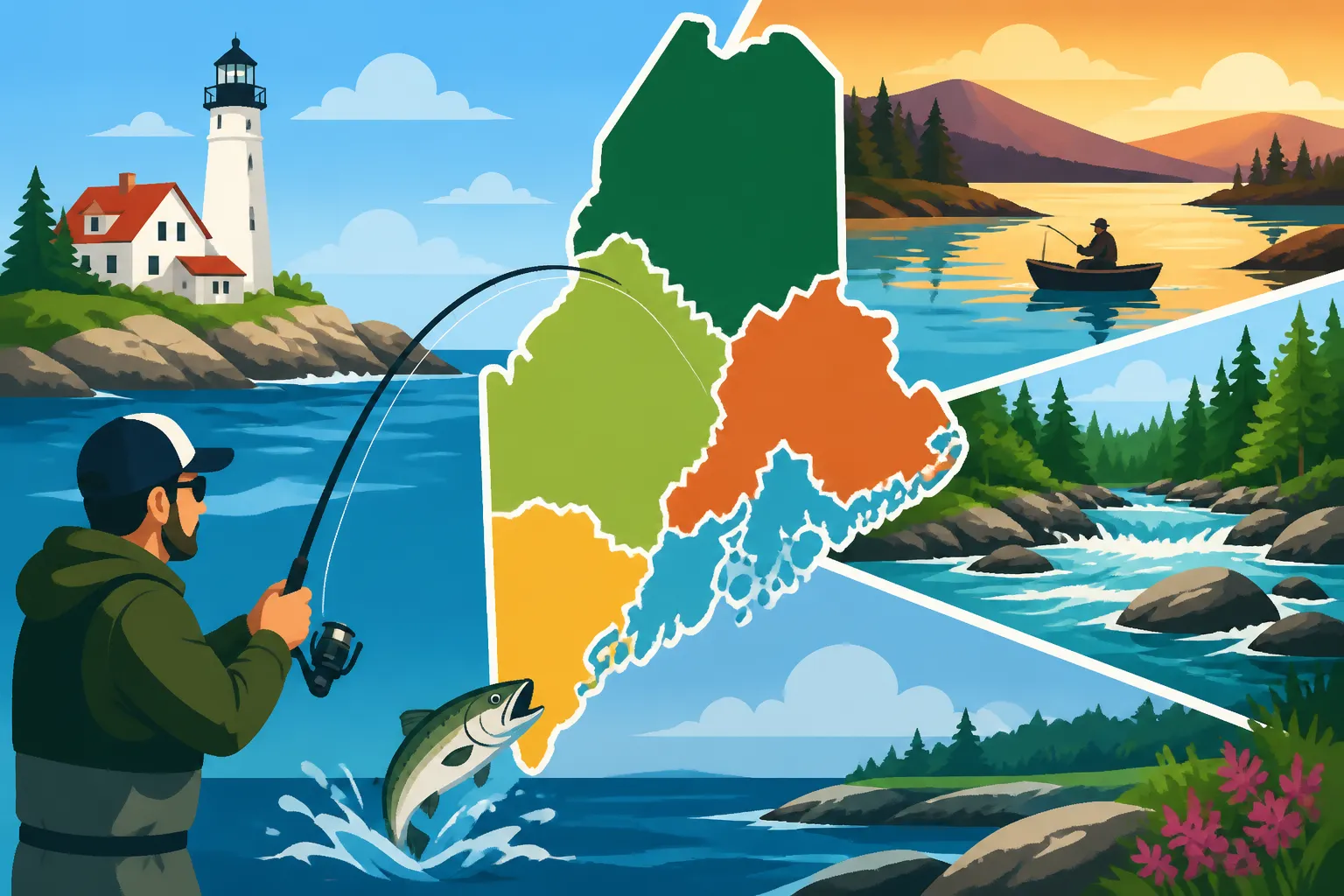
Maine, with its rugged coastline, vast forests, and countless lakes and rivers, offers an almost overwhelming array of fishing opportunities. For many anglers, especially those visiting for the first time or looking to explore new waters, figuring out where to even begin can be a real challenge. You might find yourself staring at maps, wondering if you should chase trophy salmon in the deep lakes, wild brook trout in a remote pond, or hard-fighting striped bass along the coast. It's tough to know which spots truly live up to the hype and offer the best chance for a memorable day on the water. This comprehensive guide is here to cut through the confusion, taking you on a journey through Maine's best fishing regions, highlighting the top destinations for various species and angling adventures.
Western Maine Lakes and Mountains Region
When you picture classic Maine fishing, often the Western Lakes and Mountains Region comes to mind. This area is a true paradise for coldwater species, boasting some of the state's most iconic fisheries nestled among breathtaking scenery. It's a place where the air smells of pine and the water runs deep and clear.
The Legendary Rangeley Lakes Region
The Rangeley Lakes are often synonymous with trophy landlocked salmon and robust brook trout. This chain of interconnected lakes, including Rangeley Lake, Mooselookmeguntic Lake, and the Richardson Lakes, offers diverse fishing experiences, from classic trolling on expansive waters to quiet fly fishing on picturesque tributaries. Anglers from all over come here hoping to hook into a powerful salmon or a brilliantly colored native brook trout. The deep, cold waters provide ideal habitat for these species, especially as summer progresses. You'll often find anglers expertly working the depths with various trolling setups, trying to entice a strike. If you're planning a trip, consider looking into specific strategies covered in our Rangeley Lakes Landlocked Salmon Fishing in Maine guide.
Beyond the main lakes, numerous smaller ponds and feeder streams in the Rangeley area offer excellent opportunities for wild brook trout, particularly for those who prefer to wade or use a float tube. These smaller waters can be a bit more challenging to access, often requiring a hike or a canoe portage, but the reward of a pristine environment and unpressured fish is well worth the effort. The spring and fall are particularly productive seasons here, when water temperatures are optimal, and the fish are more active in shallower areas. Understanding the Maine Fishing Season Dates Guide for this region is crucial to maximize your success.
Exploring the Depths of Moosehead Lake
Further north in the Western Lakes and Mountains, Moosehead Lake reigns supreme as Maine's largest lake, offering an experience that's both vast and incredibly rich in fishing opportunities. This enormous body of water is a primary destination for those seeking lake trout, affectionately known by Mainers as "togue," and impressive landlocked salmon. The sheer size of Moosehead means there are endless coves, reefs, and deep basins to explore. During the open water season, trolling is the most popular method for targeting salmon and togue, with anglers often covering significant distances in search of active fish.
Moosehead Lake truly comes alive in the winter, transforming into a bustling hub for ice fishing. The lake offers exceptional hardwater fishing for togue, salmon, and brook trout, drawing enthusiasts from all over the Northeast. Setting up a cluster of tip-ups and jigging for active fish is a quintessential Moosehead ice fishing experience. If you're planning an ice fishing adventure, our Moosehead Lake Togue Fishing Spots in Maine guide can provide detailed insights into where to set up. Beyond the main lake, the legendary Roach River, a major tributary to Moosehead, offers some of the state's best fall brook trout and salmon fishing, although it operates under very specific regulations to protect its sensitive spawning runs. Always remember to check the Maine Fishing Regulations Explained for any special rules pertaining to specific waters.
Central Maine's Sebago-Long Lake Region and Belgrade Lakes
Moving southeast, the central part of Maine is dotted with large, productive lakes that offer a slightly different, but equally rewarding, angling experience. These waters often see more diverse species, including warmwater fish alongside the coldwater favorites.
The Allure of Sebago Lake
Sebago Lake is the second-largest lake in Maine and a highly popular destination, especially for those living closer to Portland. It's a fantastic fishery known for its trophy landlocked salmon, formidable lake trout (togue), and a thriving population of smallmouth bass. The deep, clear waters of Sebago make it a prime spot for trolling during the open water season, particularly for salmon and togue that seek cooler temperatures in the summer months. Many anglers spend hours meticulously working downriggers and lead core lines to present lures at the precise depths where these elusive fish are holding.
Sebago is also a phenomenal smallmouth bass fishery, with countless rocky points, ledges, and submerged structures providing ideal habitat. Largemouth bass can also be found in the shallower, weedier coves, though smallmouth tend to be the dominant species. The lake's vastness means there's always a new spot to explore, whether you're casting soft plastics for bass or trolling streamers for salmon. Ice fishing on Sebago can be equally productive, with good opportunities for all three major species. Just like any large lake in Maine, always be mindful of specific regulations, as they can vary. A good resource is the Maine Fishing License Guide which details general rules and where to get your permit.
The Picturesque Belgrade Lakes Chain
The Belgrade Lakes are a true gem of Central Maine, comprising a series of interconnected lakes including Great Pond, Messalonskee Lake, Long Pond, and several smaller waters. This region is a particular favorite for bass anglers, boasting excellent populations of both smallmouth and largemouth bass. The diverse structure, from rocky shorelines to expansive weed beds, provides ideal habitat for these hard-fighting fish. You'll find anglers flipping jigs into lily pads, casting crankbaits along rocky points, and working topwater lures during the early morning and late evening hours. These lakes are also incredibly popular for family fishing trips due to their accessibility and variety of species.
While bass might be the star attraction, the Belgrade Lakes also offer solid fishing for brook trout and landlocked salmon, particularly in the deeper, colder basins of lakes like Long Pond. Northern pike have also established a presence in some of these waters, offering another exciting angling challenge, especially for those seeking a larger predatory fish. The accessibility of the Belgrade Lakes, with numerous boat launches and public access points, makes them a convenient choice for a day trip or a longer family vacation. Remember, before heading out, it's a good idea to secure your permit; you can find helpful information on How to Get a Maine Fishing License online or at local agents.
Downeast and Acadia Region
The Downeast region, stretching from Penobscot Bay to the Canadian border, offers a distinct blend of saltwater and freshwater fishing, with the dramatic landscapes of Acadia National Park as a backdrop. It's a region where rugged coastlines meet pristine inland waters.
Coastal Rivers and Estuaries for Striped Bass
Along the Downeast coast, the focus shifts significantly towards saltwater fishing, with striped bass being the undisputed champion. The numerous estuaries, tidal rivers, and protected bays provide prime habitat for stripers, especially during their summer migration. Areas around Mount Desert Island, including Frenchman Bay and the mouths of rivers like the Union River, can be incredibly productive. Anglers target stripers from shore, casting plugs, soft plastics, or bait into rips and current seams, or from boats, trolling, drifting, or casting to schools of feeding fish. The rocky shorelines and abundant baitfish populations make these areas a fantastic challenge for both experienced and novice saltwater anglers.
Beyond striped bass, you can also find mackerel, bluefish, and even some groundfish closer to shore. Kayak fishing has become increasingly popular in these protected bays, allowing anglers to quietly access prime striper habitat that might be harder to reach from larger boats. The ebb and flow of the tides are paramount here, and understanding how they influence fish behavior is key to success. For those planning a coastal adventure, don't forget the Maine Saltwater Fishing Registry Guide requirements.
Secluded Inland Lakes and Ponds
While the coast often steals the spotlight, the Downeast region also boasts a variety of inland lakes and ponds that offer excellent freshwater fishing. Many of these waters are less pressured than those in more populated areas, providing a more serene angling experience. You'll find good populations of brook trout, particularly in smaller ponds and remote waters, as well as landlocked salmon in some of the larger lakes. Lakes like Graham Lake and Branch Lake, for example, offer diverse fisheries with opportunities for both coldwater species and warmwater fish like smallmouth bass.
These inland waters are often surrounded by dense forests, making for a truly immersive wilderness experience, even if you're not deep in the North Woods. Float tubes or small canoes are often ideal for exploring these waters, allowing for quiet access to prime fishing areas. Spring and fall are generally the most productive times for trout and salmon in these lakes, when the water temperatures encourage fish to feed more actively in shallower zones. Always consult the Maine Fish Bag Limits Guide before you keep any fish, as limits can vary by water body and species.
The North Woods: Aroostook County
Aroostook County, often referred to as "The County," is Maine's largest and northernmost county, and it epitomizes the wild, untamed spirit of the North Woods. This is where you go for remote adventures, vast landscapes, and some of the best wild brook trout fishing anywhere.
Remote Trout Ponds and Hidden Gems
Aroostook County is renowned for its countless remote trout ponds, many of which are only accessible via logging roads, long hikes, or even float plane. These waters are the heart of Maine's wild brook trout fishery, offering anglers the chance to catch beautifully colored native trout in pristine, unpressured environments. These aren't just fish; they're a testament to Maine's conservation efforts and the wildness that still exists. The solitude and the challenge of reaching these spots add immeasurably to the experience. For fly anglers, these ponds are a dream come true, with hatches that can be spectacular and fish eager to rise to a well-presented dry fly.
Many of these ponds are managed as "brook trout only" waters, sometimes with specific gear restrictions like fly-fishing-only rules, to protect the delicate ecosystems. It's crucial to consult the current Maine fishing regulations booklet for the specific rules pertaining to each pond, as they can be highly localized. Often, these trips involve a multi-day camping experience, truly disconnecting from the modern world and immersing yourself in the wilderness.
Major Rivers and Lake Chains
Beyond the remote ponds, Aroostook County is home to several significant river systems and lake chains that offer diverse fishing opportunities. The St. John River, forming a long stretch of the border with Canada, is a massive river system offering excellent smallmouth bass fishing in its lower reaches and some remarkable brook trout fishing in its many tributaries. The Fish River Chain of Lakes, including Long Lake, Square Lake, and Eagle Lake, provides excellent fishing for brook trout, lake trout (togue), and landlocked salmon, as well as some quality smallmouth bass fishing. These larger waters are often more accessible than the remote ponds, with public boat launches and accommodations available.
The North Woods offers a unique challenge and reward. It's not uncommon to share the water with moose, deer, and various birdlife. Fishing here is as much about the journey and the surrounding wilderness as it is about the fish themselves. While the remote nature can be intimidating, a skilled local guide, potentially found through platforms like FishingBooker, can make these adventures accessible and safe. For serious anglers looking for an immersive experience, this region is a must-visit.
Maine's Saltwater Coastline
Maine's coastline, with its rocky shores, sandy beaches, and numerous islands, offers world-class saltwater fishing from spring through fall. The cool, nutrient-rich waters of the Gulf of Maine teem with various species, promising excitement for every type of angler.
Premier Striped Bass Hotspots
When it comes to inshore saltwater fishing in Maine, striped bass are the main event. From Kittery in the south all the way up to Acadia, stripers follow the baitfish as the waters warm, providing exceptional opportunities for anglers. Key areas like the mouth of the Kennebec River, the extensive waters of Casco Bay around Portland, and the beaches and estuaries of Saco Bay are legendary for their striper action. These areas offer a mix of structure, strong currents, and abundant forage, creating ideal conditions for chasing these powerful fish. Anglers can target them from shore with surfcasting gear, from kayaks, or from larger boats using a variety of techniques.
Popular methods for catching stripers include casting various lures such as topwater plugs, soft plastic swimbaits, and metal jigs, as well as fishing with live or cut bait like mackerel, eels, or clams. The tide is king for striper fishing, and knowing the currents and feeding habits of the fish at different tidal stages is crucial for success. If you're serious about landing a big one, our Maine Striped Bass Fishing Techniques guide can offer valuable insights.
Thrilling Deep Sea and Groundfishing Opportunities
For those looking to venture further offshore, Maine's coastline provides access to excellent deep sea and groundfishing opportunities. Beyond the immediate shore, the waters of the Gulf of Maine hold a variety of species, including cod, haddock, pollock, hake, and even larger pelagic species like bluefin tuna further out. Numerous charter boats operate out of ports like Portland, Kennebunkport, Boothbay Harbor, and Bar Harbor, offering trips specifically tailored for these species. These charters provide all the necessary gear, expertise, and safety equipment, making it an accessible option even for beginners.
Deep sea trips often involve bottom fishing over rocky ledges and wrecks for groundfish, or trolling for pelagic species. Tuna fishing, in particular, is a high-stakes game that requires specialized gear and a lot of patience, but the reward of hooking into one of these ocean giants is unparalleled. Booking a spot on one of the many Maine Deep Sea Fishing Charters is often the best way to experience this type of fishing, as captains have extensive knowledge of the local waters and where the fish are holding.
Major River Systems: Kennebec and Penobscot
Maine's two largest river systems, the Kennebec and the Penobscot, are vital arteries that flow from the deep woods to the sea, offering incredibly diverse fishing habitats and species throughout their lengths. They are true angling crossroads where freshwater and saltwater species mingle.
The Versatile Kennebec River
The Kennebec River is a powerhouse of a fishery, particularly famous for its incredible striped bass run in its lower, tidal sections. From Merrymeeting Bay up to Augusta and beyond, the river teems with stripers during the summer months. Anglers flock to its banks and launch their boats to chase these migratory predators. The confluence of freshwater and saltwater creates a rich ecosystem that supports vast quantities of baitfish, which in turn attract large schools of stripers. Fly fishing for striped bass in the Kennebec has also gained significant popularity, offering a challenging yet highly rewarding experience.
Further upstream, above the tidal influence, the Kennebec transforms into a premier smallmouth bass fishery. Sections near Waterville and Skowhegan offer excellent riverine smallmouth action, with fish holding in rocky rapids, eddies, and submerged structures. In some of the colder, upper reaches and tributaries, you can even find brook trout and landlocked salmon, providing a truly multi-species experience as you travel along its length. The river's varying character means you can find a different type of fishing depending on which section you explore.
The Historic Penobscot River
The Penobscot River, Maine's longest river, holds a significant place in the state's fishing history, particularly for its role in Atlantic salmon restoration efforts. While Atlantic salmon fishing remains strictly catch-and-release and heavily regulated due to ongoing conservation, the river offers excellent opportunities for other species. Like the Kennebec, its lower tidal sections, particularly around Bangor, are prime territory for striped bass during their seasonal migration. These areas can see intense feeding frenzies as stripers gorge on herring and other baitfish.
Upstream, the Penobscot system provides fantastic smallmouth bass fishing, especially in its various branches and tributaries. The river's complex structure, including deep pools, rapids, and rocky shorelines, creates ideal habitat for these aggressive fish. Additionally, many of the Penobscot's tributaries and associated lakes offer productive fishing for brook trout and landlocked salmon. The diversity of the Penobscot means an angler could spend an entire season exploring its different sections and still only scratch the surface of its offerings.
Allagash Wilderness Waterway
For the ultimate wilderness fishing adventure, the Allagash Wilderness Waterway (AWW) stands in a league of its own. This 92-mile stretch of lakes, ponds, rivers, and streams, protected as a national wilderness area, offers an unparalleled experience for those willing to venture deep into the Maine North Woods.
Immersive Multi-Day Canoe Trips
The most iconic way to experience the Allagash is through a multi-day canoe trip, paddling and portaging through its interconnected waters. This isn't just a fishing trip; it's a journey into true wilderness, where the sounds of civilization fade and the rhythm of nature takes over. The primary target species here are wild brook trout and landlocked salmon, which thrive in the cold, clean waters of the Allagash River and its associated lakes like Churchill Lake and Eagle Lake. Fly fishing is particularly effective, with anglers often casting dry flies, nymphs, and streamers in rapids, pools, and along lake shorelines.
Planning an Allagash trip requires careful preparation, including permits, logistics for shuttles, and a solid understanding of wilderness navigation and safety. Many anglers opt to hire a Registered Maine Guide for these trips, as their expertise in the wilderness, knowledge of fishing hot spots, and ability to handle logistics can turn a challenging adventure into a seamless and unforgettable experience. Guides often provide all necessary equipment and delicious shore lunches, truly enhancing the remote experience. Looking into Maine Registered Guide License Requirements shows the level of professionalism these experts bring.
Exploring Remote Pond Fishing within the Waterway
While the main river and major lakes of the Allagash Wilderness Waterway are fantastic, many smaller, remote ponds nestled within the surrounding forests also offer exceptional fishing. These ponds often require a bit more effort to reach, sometimes involving bushwhacking or longer portages from the main waterway, but they can hold some of the largest and most vibrant wild brook trout in Maine. The isolation means these fish see less pressure, making them often more aggressive and eager to strike.
These remote pond experiences within the Allagash are for the adventurous angler seeking solitude and the thrill of discovery. It's a place where every cast feels like an exploration. Carrying a topo map and compass, or a reliable GPS, is essential for navigating these areas. Often, these ponds are managed under special regulations to protect their unique wild trout populations, so consulting the Maine Department of Inland Fisheries and Wildlife (MDIFW) regulations book is non-negotiable before planning your trip.
Planning Your Maine Fishing Adventure
Regardless of which region calls to you, a successful Maine fishing trip requires a bit of planning. Understanding the local regulations is paramount, as rules for bag limits, minimum lengths, and even specific gear can vary significantly from one water body to another.
| Region | Primary Species | Key Water Bodies | Best Techniques | Season Highlights |
|---|---|---|---|---|
| Western Lakes & Mountains | Landlocked Salmon, Togue, Brook Trout | Rangeley Lake, Moosehead Lake, Mooselookmeguntic Lake | Trolling, Fly Fishing, Ice Fishing | Spring & Fall (Salmon), Winter (Togue), Spring/Summer (Trout) |
| Central Lakes | Landlocked Salmon, Togue, Smallmouth Bass, Largemouth Bass | Sebago Lake, Great Pond, Messalonskee Lake | Trolling, Jigging, Casting (Bass) | Spring/Summer (Bass), Fall (Salmon), Winter (Togue) |
| Downeast & Acadia | Striped Bass, Brook Trout, Landlocked Salmon | Frenchman Bay, Union River, Graham Lake | Casting (Saltwater), Fly Fishing (Inland) | Summer (Stripers), Spring & Fall (Trout/Salmon) |
| The North Woods | Wild Brook Trout, Landlocked Salmon, Togue | St. John River, Fish River Chain of Lakes, Remote Ponds | Fly Fishing, Trolling, Ice Fishing | Spring & Summer (Trout/Salmon), Winter (Togue) |
| Saltwater Coastline | Striped Bass, Cod, Haddock, Pollock, Tuna | Kennebec River Mouth, Casco Bay, Offshore Ledges | Casting, Trolling, Bottom Fishing | Summer & Early Fall |
| Major River Systems | Striped Bass, Smallmouth Bass | Kennebec River, Penobscot River | Casting, Fly Fishing | Spring & Summer (Bass/Stripers) |
| Allagash Wilderness Waterway | Wild Brook Trout, Landlocked Salmon | Allagash River, Churchill Lake, Eagle Lake | Fly Fishing, Canoe Fishing | Summer |
It’s always a good idea to check current conditions, especially water levels and temperatures, which can greatly influence fishing success. Platforms like FishingBooker can be incredibly useful for finding local guides and charters who have up-to-the-minute knowledge of where the fish are biting. They often have multiple options for finding the right guide to match your target species and preferred fishing style, whether it’s a tranquil day on a remote pond or a high-action striper blitz on the coast. No matter your experience level, Maine offers an angling adventure waiting to be discovered.
Disclaimer
Please remember that fishing regulations in Maine are subject to change. Always consult the most current regulations published by the Maine Department of Inland Fisheries and Wildlife (MDIFW) before heading out on any fishing trip. This guide is for informational purposes only and does not supersede official state regulations. Be safe, respect the environment, and practice ethical angling.