What Is a Maine Sporting Camp and Do They Include Guiding?
For many folks dreaming of a true Maine outdoor experience, especially those picturing a classic fishing trip surrounded by untouched wilderness, the term "sporting camp" often comes up. But if you're like a lot of anglers I chat with, there's often a bit of head-scratching about what exactly a sporting camp is, and more importantly, whether you can count on them to provide a fishing guide for your adventure. This guide aims to clear up that confusion, offering a comprehensive look at what these unique establishments offer and how they factor into planning a guided fishing trip in the Pine Tree State.
What Exactly Is a Maine Sporting Camp?
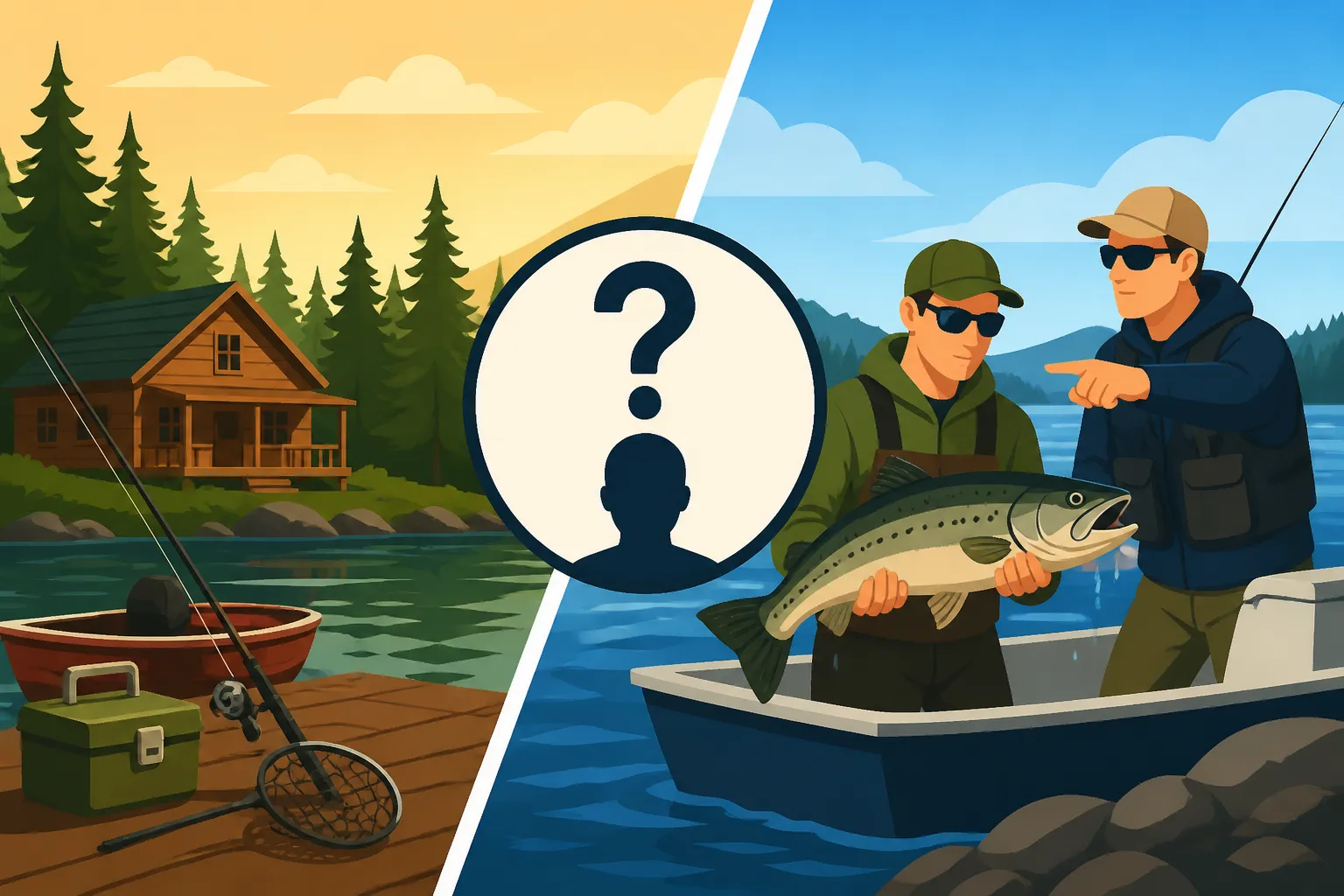
When you hear "sporting camp" in Maine, don't picture a fancy resort with valets and room service. Think of something much more authentic, rooted in a tradition that stretches back well over a century. A sporting camp is a cluster of rustic cabins, often log-built, nestled in a remote, natural setting – usually by a pristine lake, pond, or river. These aren't just places to sleep; they are full-service, immersive outdoor experiences designed for hunters, anglers, hikers, and anyone looking to truly disconnect and embrace the wilderness.
The essence of a Maine sporting camp lies in its connection to the outdoors and a simpler way of life. Many of these camps are historical, passed down through generations, and retain a charm that modern lodges often lack. They often feature a main lodge where guests gather for meals, share stories, and relax by a crackling fire. It's a communal atmosphere, a place where you swap fishing tales over hearty, home-cooked meals, often prepared with local ingredients. The focus is squarely on the natural environment and the activities it supports, making it a perfect base for exploring the wild heart of Maine. You're coming for the experience as much as the fishing.
The cabins themselves, while rustic, typically offer comfortable, clean accommodations with varying amenities, from basic bunkhouses to more private cabins with private baths and even wood stoves. They are purposefully not extravagant, encouraging you to spend your time outside, connecting with nature. You won't find TVs or Wi-Fi in every cabin at most traditional camps – that's part of the charm, forcing you to unplug and unwind. It's about getting back to basics, enjoying the quiet, and having direct access to some incredible fishing right out your cabin door. Many of these camps are situated near some of the Best Fishing Lakes in Maine or Best Maine Rivers for Fishing, offering unparalleled access.
Do Maine Sporting Camps Include Guiding Services?
This is one of the biggest questions people have, and the answer, while not a simple "yes" or "no," is generally that guiding services are offered but usually not included in the base price of your stay. Think of it like this: the sporting camp provides the excellent lodging, delicious food, and prime location, and then offers professional guiding as an additional, optional service.
Most reputable Maine sporting camps have a strong network of local guides, many of whom are Registered Maine Guides and might even be camp staff or independent guides who work closely with the camp. These guides are invaluable, possessing deep knowledge of the local waters, fish behavior, and effective techniques, whether you're targeting brook trout on a fly rod or trolling for landlocked salmon. They can take you to those secret spots, teach you new skills, and significantly enhance your chances of a successful and enjoyable trip. For example, a guide at a camp near Moosehead Lake could be essential for Moosehead Lake Togue Fishing Spots in Maine.
When you book your stay at a sporting camp, you'll typically inquire about guide availability and rates separately. It's highly recommended to book your guide well in advance, especially during peak seasons, as the best guides fill their schedules quickly. The cost for a guide will be in addition to your lodging and meal package. This usually covers their time, expertise, boat (if applicable), and some gear, but always clarify what's included when you book. You might find guides specializing in Maine Ice Fishing Techniques Guide during the colder months or Trolling Techniques for Maine Lakes in the open water season.
Here’s a breakdown of how guiding typically works with sporting camps:
| Feature | Sporting Camp Base Rate (Typically Included) | Guiding Service (Additional Cost) |
|---|---|---|
| Lodging | Rustic Cabin/Bunkhouse | N/A |
| Meals | Hearty, home-cooked (often communal) | Guide's own meal (sometimes camp-provided) |
| Access to Waters | Direct or nearby | Direct access, transportation to specific spots |
| Boats/Canoes | Often available for guest use (sometimes extra) | Guide provides boat/equipment |
| Local Expertise | Camp staff can offer general advice | Professional guide offers detailed, real-time knowledge |
| Instruction | N/A | Fishing techniques, casting, knot tying |
| Gear | N/A | Rods, reels, bait, tackle (confirm with guide) |
| Planning/Logistics | Camp can advise on area | Guide plans entire fishing day |
This model allows you the flexibility to choose if and when you want a guide. If you're an experienced angler who knows the area or prefers to explore independently, you can simply enjoy the camp and its amenities. If you're looking to maximize your fishing success, learn new skills, or explore unfamiliar waters, hiring a Registered Maine Guide through or recommended by the camp is an excellent investment. Many camps partner with services similar to FishingBooker to help guests find and book guides, or they have a direct booking process for their in-house guides.
The Benefits of Choosing a Sporting Camp for Your Maine Fishing Trip
So, why would you choose a sporting camp over a regular lodge or hotel, especially for a fishing trip? The benefits are numerous, especially for those seeking an immersive and authentic experience far beyond just catching fish.
First and foremost is the unparalleled access to remote and pristine waters. Many sporting camps are situated deep within Maine's vast wilderness, often in areas that are otherwise difficult for the average angler to reach. This means you're often fishing waters with less pressure, healthier fish populations, and breathtaking scenery. Imagine waking up, stepping out of your cabin, and being just a stone's throw from a lake teeming with landlocked salmon or brook trout. This kind of access is a game-changer for serious anglers. You can fish spots that are truly wild, sometimes requiring a float plane or a long canoe paddle to get to, which a guide from the camp can facilitate.
Secondly, the local knowledge and expertise available is invaluable. The owners, staff, and guides at sporting camps live and breathe the Maine outdoors. They know the subtle nuances of the local ecosystem, the best times to fish certain spots, what flies or lures are working, and how changing weather patterns affect fish behavior. This kind of nuanced, on-the-ground intelligence is something you simply can't get from online research or a casual chat at a tackle shop. This expertise can be particularly helpful if you're trying to understand specific regulations, like Maine Bass Fishing Limits by Zone or Maine Togue and Lake Trout Limits, which can vary from one water body to another.
Beyond the fishing, there's the all-encompassing experience. While not strictly "all-inclusive" in the resort sense, many camps provide comfortable lodging, all your meals, and a real sense of community. You don't have to worry about where to eat or what to cook after a long day on the water; delicious, often family-style meals are waiting for you in the main lodge. This convenience, combined with the rustic charm and the camaraderie with fellow outdoors enthusiasts, creates a truly memorable vacation. It's a chance to truly unwind and focus on your passion without the distractions of everyday life. Plus, these camps often have boats or canoes available for guest use, making it easy to hit the water whenever you please.
Lastly, sporting camps offer a unique historical and cultural immersion. These aren't just businesses; they are custodians of Maine's outdoor heritage. Staying at a sporting camp offers a glimpse into a traditional way of life that has largely disappeared elsewhere. It's a chance to experience Maine as it was for generations of guides, trappers, and anglers. The stories shared around the dinner table or campfire are as much a part of the experience as the fish you catch. It's about connecting with the soul of Maine, learning its history, and appreciating its enduring wild beauty.
Planning Your Sporting Camp Adventure: What to Expect and How to Book
Embarking on a sporting camp adventure in Maine requires a bit of planning, but the rewards are well worth the effort. Knowing what to expect and how to go about booking will ensure a smooth and enjoyable trip.
The Booking Process and Timing
Most sporting camps operate seasonally, typically from May through October for open water fishing and sometimes into winter for ice fishing. Peak times, such as early spring for salmon and brook trout or fall for hunting, tend to book up quickly, often a year in advance. It’s always wise to contact the camp directly via phone or email to inquire about availability and rates. Many camps are family-run and appreciate direct communication. Be ready to discuss your group size, desired dates, and what activities you're interested in, such as specific types of fishing or if you're interested in a Registered Maine Guide for Maine Fly Fishing Techniques for Rivers or Maine Ice Fishing Techniques Guide.
A deposit is almost always required to secure your reservation, and cancellation policies can vary significantly, so make sure you understand them before committing. While some camps have online booking, many prefer a more personal touch, reflecting the traditional nature of the experience. If you’re looking to find a guide specifically, independent platforms like FishingBooker can be a great resource to scout out available guides in the regions where sporting camps operate, even if you book your lodging separately. This way, you can cross-reference guides with camp locations, such as those offering services near Moosehead Lake Fishing Guide or Rangeley Lakes Fishing Guides.
Cost Considerations
The cost of a sporting camp stay varies greatly depending on the camp's amenities, location, duration of stay, and whether meals are included. Generally, you can expect a per-person, per-night rate. As discussed, guiding services are an additional expense. Guide rates typically vary by half-day or full-day bookings and depend on the type of activity (e.g., fly fishing, trolling, canoeing). Always ask for a clear breakdown of costs, including any potential charges for boat rentals, specific gear, or transportation to remote locations. Remember to factor in gratuities for both camp staff and your guide, as this is customary and greatly appreciated for their hard work.
What to Pack for Your Stay
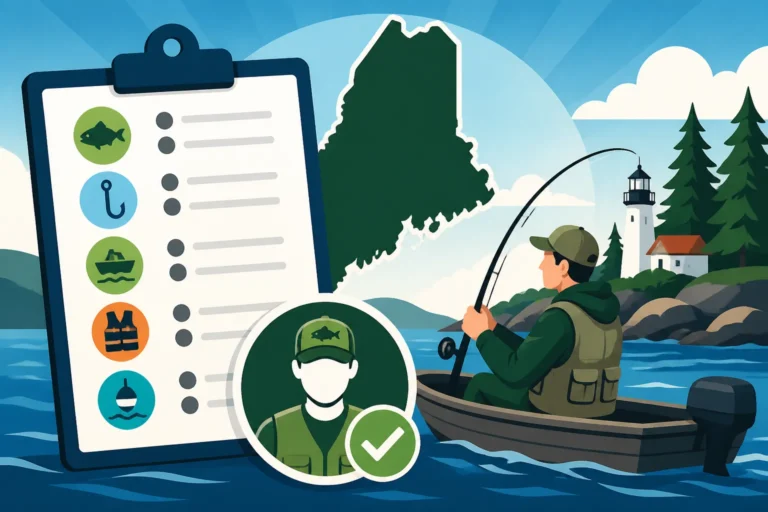
Packing for a sporting camp trip means preparing for the outdoors and varying Maine weather. Even in summer, evenings can be cool, and rain is always a possibility. Here’s a general packing list:
- Clothing: Layering is key! Bring waterproof and windproof outerwear, warm layers (fleece, wool), sturdy hiking boots, and comfortable camp clothes. Don't forget a hat and gloves for cooler mornings or evenings.
- Fishing Gear: Rods, reels, tackle, waders, and a fishing vest. If you're hiring a guide, confirm what gear they provide. Ensure you have your Maine Fishing License Guide and any necessary permits ready.
- Personal Items: Sunscreen, insect repellent (a must in Maine!), toiletries, any personal medications.
- Essentials: A headlamp or flashlight (especially helpful in remote cabins), a good book, binoculars for wildlife viewing, and a camera to capture the stunning scenery and your catches.
- Navigation: While guides are experts, having a physical map and compass, or a reliable GPS device, can be useful if you plan any independent excursions. Cell service can be spotty to non-existent in many remote camp locations, so don't rely on your phone for everything.
Remember, the goal is to enjoy the wilderness, so pack practical items that enhance your outdoor experience. Leave the high heels and fancy gadgets at home; you won't need them! Most importantly, come with an open mind and a readiness to embrace the tranquility and adventure that a Maine sporting camp offers.
Disclaimer
This article is for general informational purposes only and does not constitute professional advice. Laws, prices and regulations vary by location and change over time. Consult a qualified professional for guidance on your specific situation.