How to Find a Reputable Maine Fishing Guide
It can feel like a daunting task to find someone trustworthy and skilled to lead your fishing adventure in the vast waters of Maine. With so many options out there, how do you sift through them to pick the right person? This guide is here to walk you through exactly how to find a reputable Maine fishing guide, ensuring you have a safe, successful, and truly memorable trip.
Why a Reputable Maine Fishing Guide Makes All the Difference
You might be thinking, "Can't I just grab a map and go fishing myself?" And sure, you absolutely can! But when it comes to experiencing the best of Maine's fishing, a reputable guide offers an invaluable advantage that's tough to replicate on your own. It's not just about catching fish; it's about the entire experience, from safety to local lore.
The Value of Local Expertise
A truly reputable Maine fishing guide doesn't just know where the fish are; they know why they're there. They understand the nuances of specific lakes, rivers, and coastal areas, often having fished them their entire lives. This deep, intimate knowledge of the local waterways is a game-changer.
Think about it: they know which particular cove on Moosehead Lake holds big togue when the water warms up, or the subtle currents on the Penobscot River that bring in striped bass during a specific tide. They can tell you where the brook trout are hiding after a heavy rain, or which fly pattern will entice a landlocked salmon on the Rangeley Lakes during a specific hatch. This isn't information you can easily glean from a quick internet search; it's hard-won wisdom passed down through generations or accumulated over decades on the water. Their local insights save you countless hours of trial and error, getting you straight to the action and the fish.
Safety First on Maine Waters
Maine's natural beauty comes with its own set of challenges, from unpredictable weather patterns to remote locations. A reputable guide prioritizes your safety above all else. They're equipped with the right gear, from proper life jackets to emergency communication devices, and know how to use them.
More than just equipment, they possess crucial skills like first aid certification and deep knowledge of the specific dangers of the waters you'll be fishing. Whether it's navigating sudden fog on a vast lake, understanding ice conditions for a winter trip, or knowing the safest way to handle a powerful current in a river, their experience keeps you out of harm's way. They also have a keen eye on the weather, making informed decisions to ensure your outing is enjoyable and secure, rather than perilous. This peace of mind allows you to truly relax and focus on the fishing.
Maximizing Your Catch and Experience
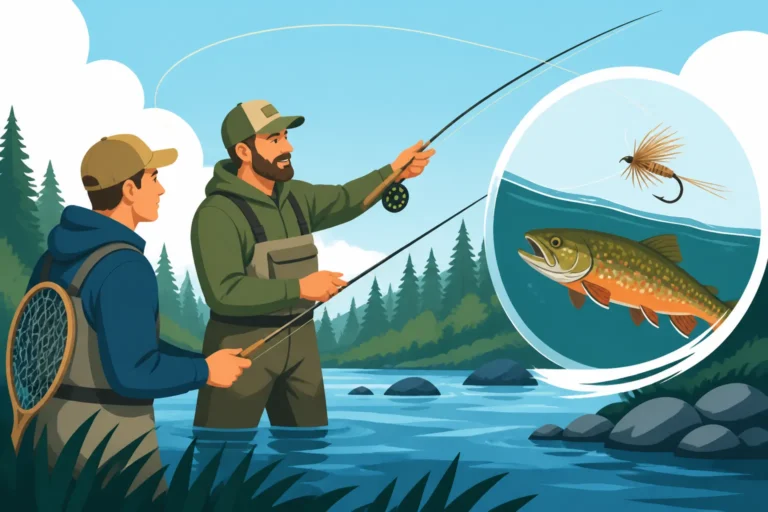
Beyond safety and local knowledge, a great guide is a patient and effective teacher. They don't just put you on fish; they help you understand how to fish for them. They'll teach you the right techniques, whether it's the perfect retrieve for a smallmouth bass lure, the subtle art of jigging for togue, or how to properly cast a fly for a wary brook trout. This hands-on instruction is invaluable, turning a simple fishing trip into a masterclass.
Furthermore, a reputable guide understands that a successful trip isn't always measured solely by the number of fish caught. It's about the entire experience: enjoying the stunning scenery, learning about Maine's wildlife, sharing stories, and creating lasting memories. They'll work hard to ensure you have a fantastic day on the water, tailoring the experience to your interests and skill level, making every cast more meaningful.
Key Qualities and Credentials to Look For
When you're entrusting your fishing adventure to someone, you want to be sure they're legitimate, skilled, and accountable. In Maine, there are specific credentials and qualities that separate the good guides from the truly great ones. Don't skip this vetting process – it's crucial for your peace of mind and the success of your trip.
The Registered Maine Guide Credential
This is probably the most important credential to look for. A "Registered Maine Guide" isn't just a catchy title; it's a state-issued professional license that signifies a guide has met rigorous standards for knowledge, skills, and safety. To become one, an individual must pass comprehensive written and oral exams covering everything from Maine's fish and game laws to navigation, survival skills, first aid, and specific outdoor activities like fishing.
This credential means your guide has demonstrated a deep understanding of the natural environment, can lead clients safely through various conditions, and is well-versed in conservation practices. It’s their badge of honor and your assurance of their professionalism. Always ask if your potential guide is a Registered Maine Guide, and don't hesitate to ask for their license number. This is a baseline requirement for anyone charging money to lead trips in Maine's outdoors. You can learn more about Maine Registered Guide License Requirements if you're curious about what it takes.
Insurance and First Aid Certifications
While the Registered Maine Guide credential includes a component of first aid, it’s always wise to confirm their current certifications and ensure they carry proper liability insurance. Accidents, though rare, can happen in the outdoors. A guide with up-to-date first aid and CPR training can provide immediate, life-saving care in an emergency, which is incredibly reassuring when you're far from medical facilities.
Liability insurance protects both you and the guide in unforeseen circumstances. It demonstrates that the guide operates their business responsibly and is prepared for potential issues. Don't be shy about asking for proof of insurance and current first aid/CPR certifications. A reputable guide will be transparent and proud to share this information, as it reflects their commitment to professionalism and client well-being.
Experience and Specialization
While a license proves competency, experience is what truly hones a guide's craft. Look for guides with significant time on the water, ideally in the specific region or for the specific species you're interested in. An experienced guide has encountered a wide range of conditions and learned how to adapt. They've seen countless fish behaviors and perfected their techniques.
Consider if you want a generalist or a specialist. Some guides excel at Brook Trout Fishing in Maine in small streams, while others are masters of Landlocked Salmon Fishing in Maine on large lakes using specific trolling techniques like those discussed in Trolling Techniques for Maine Lakes. If you're passionate about Maine Ice Fishing Techniques Guide, find a guide who specializes in that. If you're new to the sport, look for someone experienced in teaching beginners. Asking about their primary focus and how long they've been guiding these types of trips will give you a good sense of their expertise and whether it aligns with your fishing goals.
How to Research and Vet Potential Guides
Okay, you know what to look for. Now, how do you actually find these amazing, reputable guides? It's all about diligent research and asking the right questions. Don't just pick the first name you see; invest a little time upfront to ensure a fantastic experience.
Online Resources and Platforms
The internet is a powerful tool for initial research. Many reputable guides have their own websites where you can find detailed information about their services, experience, and contact details. Look for testimonials and photo galleries of past clients' catches. Beyond individual websites, several online booking platforms aggregate guides from various regions, making it easier to compare options.
Platforms like FishingBooker, for instance, make it super easy to browse guides by location (say, near Sebago Lake Fishing Guide or Moosehead Lake Fishing Guide), target species, and even read real client reviews and ratings. These platforms often verify guide credentials and provide a level of consumer protection. Pay close attention to these reviews; they offer unfiltered insights into other anglers' experiences, highlighting guides who are patient, knowledgeable, and provide great customer service. While a few negative reviews might not be a deal-breaker (everyone has an off day), a consistent pattern of complaints is a red flag.
Word-of-Mouth and Local Recommendations
Sometimes, the best recommendations come from trusted sources. If you know friends or family who have had successful guided fishing trips in Maine, ask them for their guide's contact information. Personal referrals carry a lot of weight because they come from someone you trust who has direct experience.
Additionally, don't underestimate the power of local knowledge. Visit local tackle shops, sporting goods stores, or even local diners in the area you plan to fish. The folks working there often know the best guides in the region and can offer honest, unbiased opinions. They might even have business cards for guides they regularly recommend. A good local shop owner will steer you towards someone who genuinely cares about their clients and the local fishery. This kind of grassroots intel is often more valuable than anything you'll find online.
Asking the Right Questions
Once you've narrowed down a few options, perhaps from your search on a platform like FishingBooker or through a personal recommendation, don't hesitate to reach out directly to the guides. This initial conversation is your chance to assess their personality, communication style, and to get all your questions answered. A reputable guide will be happy to chat and provide detailed information.
Here are some crucial questions to ask:
- Are you a Registered Maine Guide? (And can I see your license number?) This is non-negotiable.
- What are your specific fishing specialties? (e.g., fly fishing for trout, trolling for salmon, bass fishing, ice fishing).
- How long have you been guiding in this particular area?
- What's included in the trip price? (e.g., bait, tackle, rods, reels, lunch, non-alcoholic drinks, fish cleaning). Be specific, as What Is Included in a Maine Fishing Charter Price? can vary widely.
- What should I bring? (e.g., clothing layers, snacks, fishing license, sunscreen).
- What is your policy for bad weather or cancellations? This is very important to understand upfront, especially given Maine's changeable weather. You can check out general advice in Maine Fishing Guide Cancellation Policies.
- How many people can you accommodate?
- Do I need my own Maine fishing license? (Yes, usually, even on a charter or with a guide, unless a very specific exemption applies).
- What kind of boat/equipment do you use? (Safety and comfort matter).
- What's your approach to catch and release vs. keeping fish?
Listen not just to their answers, but to their demeanor. Do they sound enthusiastic, patient, and knowledgeable? A good rapport during this initial chat is a strong indicator of a positive experience on the water.
Setting Expectations and Ensuring a Great Trip
Finding a great guide is the first step, but a truly successful trip also relies on clear communication and understanding expectations from both sides. Let's make sure you're fully prepared for your Maine fishing adventure.
Understanding Costs and What's Included
Before you commit, make sure you have a crystal-clear understanding of the total cost and what exactly is covered. How Much Does It Cost to Hire a Registered Maine Guide? can vary depending on whether it's a half-day or full-day trip, the number of anglers, the location, and the guide's specific services. Some guides offer packages that include all gear, bait, and even lunch, while others might expect you to bring your own tackle or cover the cost of live bait.
Always ask for a detailed breakdown. Are snacks and drinks provided? Will they clean and bag your catch? What about specific equipment, like specialized rods or fly-fishing gear? Don't assume anything. For instance, some guides will provide common lures and flies, but if you have a very specific preference or require high-end gear, it's best to confirm. Knowing what to expect financially prevents any awkward surprises at the end of your trip. Also, be aware of any deposit requirements and the refund policy should plans change.
Communication is Key
Once you've booked your guide, keep the lines of communication open. Share your expectations and preferences well in advance. Are you hoping to target a specific fish like Maine Bass Fishing Limits by Zone and try for a trophy, or are you more interested in a relaxed day on the water, perhaps learning new techniques? Are you bringing kids who need extra patience and attention? Do you have any physical limitations the guide should be aware of?
The more information you provide, the better your guide can tailor the experience to you. A great guide thrives on this feedback and will adjust their plan to make your trip as enjoyable as possible. Confirm meeting times and locations a day or two before your trip, and don't hesitate to reach out with any last-minute questions or concerns. Clear communication ensures everyone is on the same page, leading to a much smoother and more satisfying fishing experience.
Tipping Etiquette
After a fantastic day on the water, you might be wondering about tipping. Just like in other service industries, tipping your fishing guide is customary and greatly appreciated, especially if they've gone above and beyond to make your trip special. It's a way to acknowledge their hard work, expertise, and dedication.
While there's no hard-and-fast rule, a typical tip for a good day of guiding is around 15-20% of the trip's total cost. If the guide worked exceptionally hard, battled tough conditions to put you on fish, provided excellent instruction, or simply made the day unforgettable, feel free to tip more generously. Conversely, if you feel the service was subpar, you can adjust accordingly, but remember that sometimes fishing can be tough regardless of the guide's efforts. Have the tip ready in cash at the end of the trip. For more detailed guidance, consider reading How Much Should You Tip a Maine Fishing Guide?. This small gesture goes a long way in showing your appreciation for their passion and hard work.
Disclaimer
This article is for general informational purposes only and does not constitute professional advice. Laws, prices and regulations vary by location and change over time. Consult a qualified professional for guidance on your specific situation.