Does a Maine Charter Captain Need a Coast Guard License?
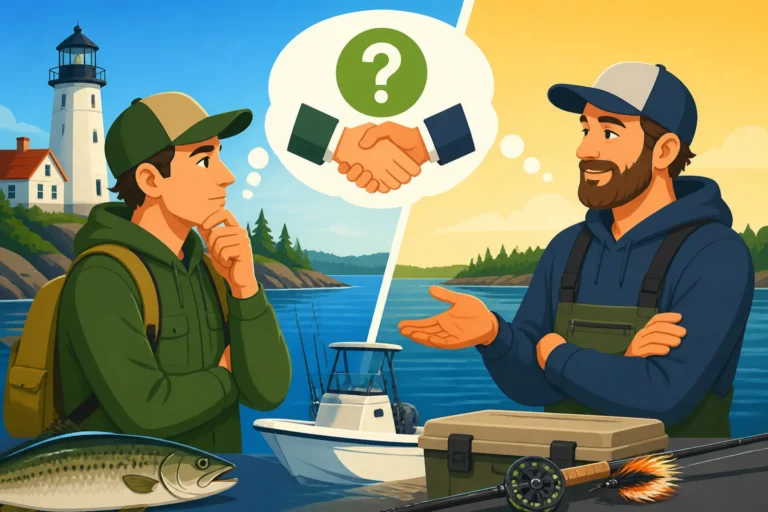
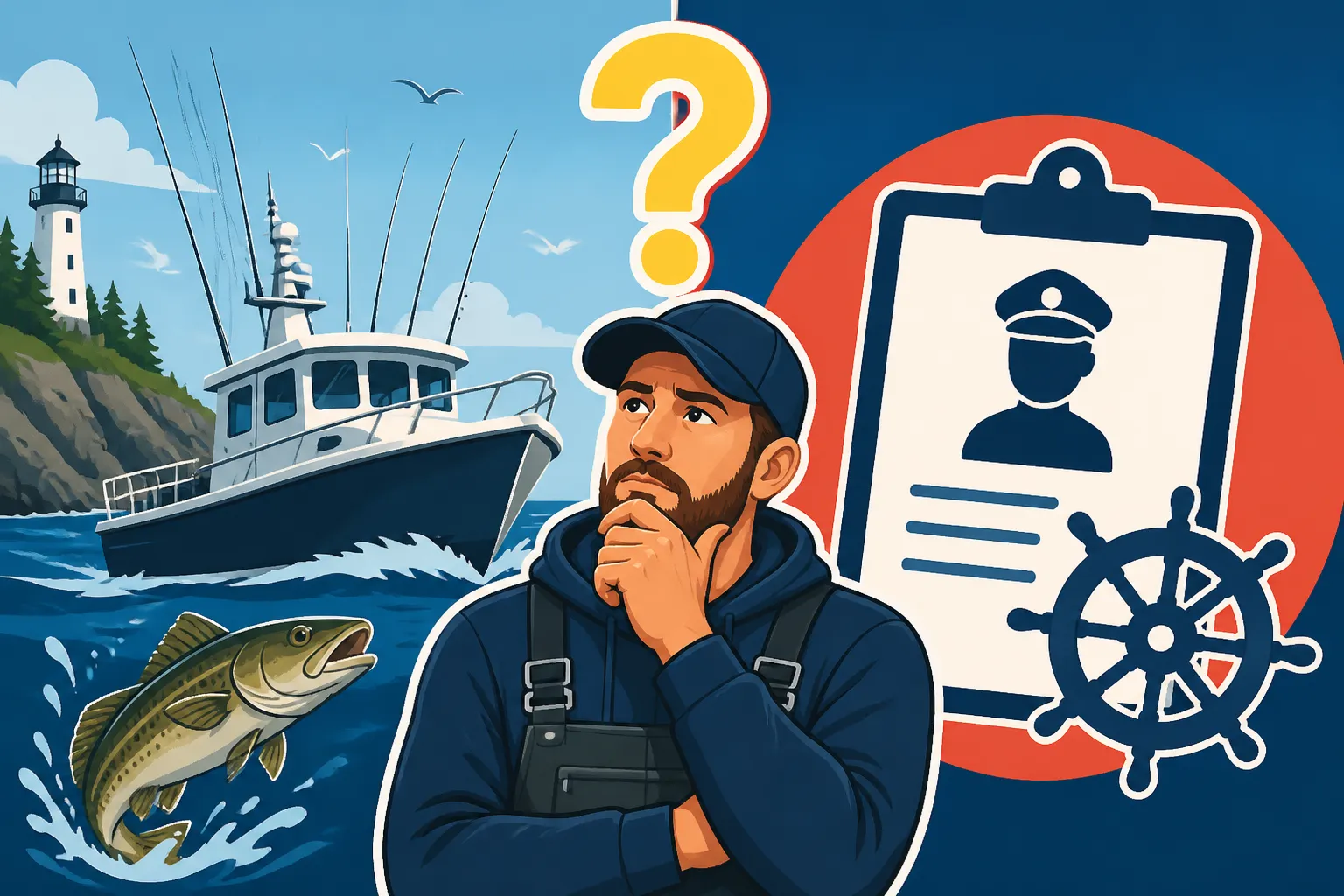
It can be incredibly confusing trying to figure out what kind of credentials your fishing captain or guide needs when you're planning a trip to the beautiful waters of Maine. You just want to book a great day on the water, but then you hear about "Coast Guard licenses" and "Registered Maine Guides" and suddenly it feels like you need a law degree to understand it all! Rest assured, this guide is here to untangle the requirements and clarify exactly when a Maine charter captain absolutely needs a Coast Guard license to operate safely and legally.
Understanding the Two Layers of Licensing in Maine Fishing
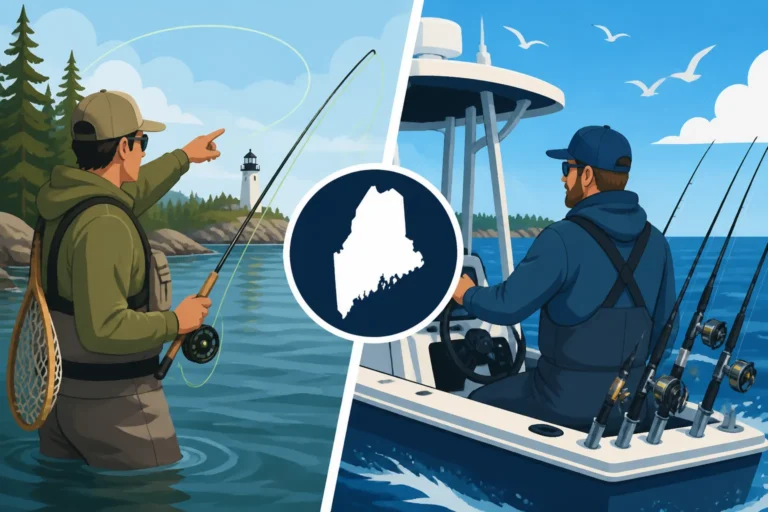
When it comes to guiding anglers in Maine, there are essentially two different layers of licensing that might apply, depending on where you're fishing and what kind of vessel is involved. It's not a one-size-fits-all situation, and understanding the difference is key to knowing if your captain is properly credentialed.
The Registered Maine Guide License
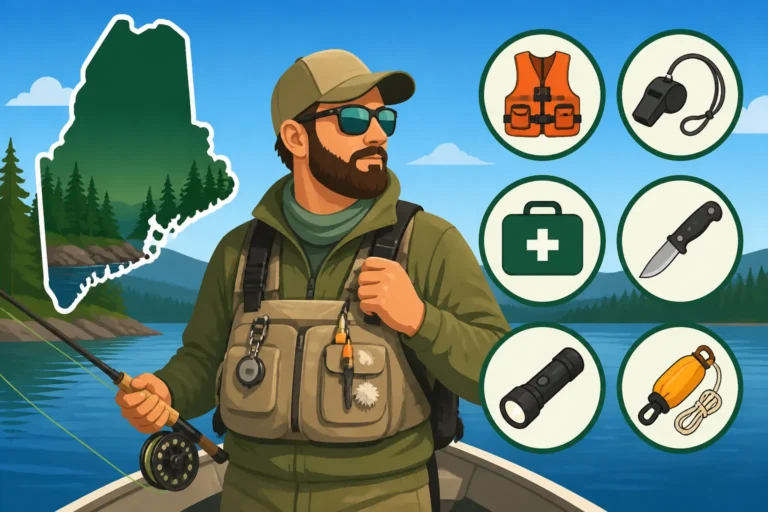
First, let's talk about the Registered Maine Guide license. This is a state-level certification issued by the Maine Department of Inland Fisheries and Wildlife (MDIFW). It signifies that an individual has demonstrated proficiency in wilderness first aid, navigation, trip planning, and general outdoor skills, as well as a thorough knowledge of Maine's fish and wildlife laws. A Registered Maine Guide is licensed to lead or assist others in hunting, fishing, trapping, whitewater rafting, or general recreation.
This license is absolutely essential for anyone guiding on Maine's inland waters, like our vast network of lakes and ponds or the upper stretches of many rivers. It ensures they know the local regulations, can keep you safe in the wilderness, and are generally competent to lead outdoor excursions within the state's jurisdiction. You'll often find guides specializing in fly fishing for brook trout on remote ponds or trolling for landlocked salmon on large lakes like Moosehead or Sebago who hold this license. If you're looking to learn How to Become a Registered Maine Fishing Guide, you'll find the process rigorous but rewarding.
The U.S. Coast Guard Merchant Mariner Credential MMC
Now, for the other layer: the U.S. Coast Guard Merchant Mariner Credential (MMC). This is a federal license, not a state one, and it's issued by the U.S. Coast Guard. This credential is required when an individual operates a vessel on "navigable waters of the United States" and carries passengers "for hire." The Coast Guard's primary concern is maritime safety, so their licensing process involves extensive training, sea-time documentation, physical exams, drug testing, and rigorous written examinations covering navigation, rules of the road, safety equipment, and emergency procedures.
Think of it this way: if you're paying someone to take you fishing on the ocean, in a major bay, or even on a large river that's considered navigable and connects to the sea, that person typically needs a Coast Guard license. This is true whether they call themselves a "captain" or a "guide." The distinction hinges on the body of water and the "for hire" component, which means you're paying for their service. This federal requirement sits above and beyond the state's Registered Maine Guide license, though many captains hold both.
When a Coast Guard License is Absolutely Necessary
The rule of thumb here is simple: if you're on waters that are considered "navigable" by the federal government, and you're paying someone to take you fishing, a Coast Guard license is mandatory for your captain. This isn't just a suggestion; it's a legal requirement that carries significant penalties for non-compliance.
Navigable Waters and Carrying Passengers for Hire
So, what exactly are "navigable waters of the United States"? Generally, these are waters that are used, or could be used, for interstate or foreign commerce. In Maine, this includes the entire Atlantic Ocean coastline, from Kittery up to Lubec, all our major bays (like Casco Bay, Muscongus Bay, and Frenchman Bay), and the tidal portions of rivers such as the Kennebec, Penobscot, and Saco. If a boat can float on it and it eventually leads to the ocean, chances are it's considered navigable.
When you hire a captain for a fishing trip, you are indeed paying for a service, which falls under the "for hire" definition. This means that if you're heading out to fish for striped bass in an estuary or mackerel just offshore, your captain must hold a valid Coast Guard license. This ensures they meet federal safety standards and are competent to operate their vessel in potentially challenging marine environments. When you book a Maine Fishing Charter, you're relying on their expertise, and their proper licensing is a huge part of that.
Offshore and Coastal Charters
This requirement becomes particularly clear with offshore and coastal charter operations. If you're booking a deep-sea fishing trip out of a port like Portland, Boothbay Harbor, or Bar Harbor, targeting cod, haddock, or even tuna, your captain will undoubtedly possess a Coast Guard license. These are trips that venture into open ocean, sometimes many miles offshore, where weather conditions can change rapidly and navigation requires specialized skills and equipment.
Similarly, if you're after those feisty striped bass in the bustling waters of Casco Bay, or fishing for bluefish off the Kennebunkport coast, your captain is operating in federally regulated waters. Even if the trip stays relatively close to shore, the fact that these waters are connected to the open ocean and are used for commerce triggers the Coast Guard licensing requirement. When you're browsing for Maine Striped Bass Charters on a platform like FishingBooker, you should always expect the captains to highlight their Coast Guard credentials.
When a Maine Guide License Might Be Enough (and When it's Not)
While the Coast Guard license covers federal navigable waters, the Registered Maine Guide license is the gold standard for state-regulated inland waters. Knowing the difference helps you pick the right professional for your angling adventure.
Inland Waters and Maine's Vast Lakes
For the overwhelming majority of Maine's freshwater fishing, particularly on its thousands of lakes, ponds, and non-tidal rivers, a Registered Maine Guide license is generally sufficient. These waters are primarily under state jurisdiction, and the guide's expertise in wilderness skills, local fish behavior, and specific Maine fishing regulations is paramount.
Imagine you're planning a trip to target landlocked salmon on the Rangeley Lakes or searching for trophy togue on Moosehead Lake. In these scenarios, your guide will need to be a Registered Maine Guide. They'll know the best spots, the right trolling depths, and how to navigate these often vast and wild freshwater bodies. They'll also be intimately familiar with specific rules, like Maine Togue and Lake Trout Limits or special regulations for certain ponds. These guides are experts in the state of Maine's unique freshwater environment.
The Grey Areas and Misconceptions
Here's where it can get a little tricky, and it's where some misconceptions arise. Some rivers in Maine are quite long, and while their upper reaches might be purely inland and fall under state guide regulations, their lower, tidal sections become "navigable waters" under federal purview. For example, the Kennebec River flows a long way from the wilderness to the Atlantic. A guide taking you fly fishing for brook trout way up north on a remote tributary wouldn't need a Coast Guard license. However, a guide taking you striped bass fishing near Bath or Popham Beach on the tidal Kennebec absolutely would.
It's crucial for anglers to understand that simply having a Registered Maine Guide license does not automatically qualify someone to operate a charter on federally regulated navigable waters. Conversely, a Coast Guard licensed captain might not be a Registered Maine Guide, meaning they're qualified to run a boat safely on federal waters, but might lack the specific wilderness and local knowledge that a Maine Guide brings to a deep woods or remote lake trip. Reputable professionals often hold both, especially if they offer diverse trips. Always ask about both licenses if you're unsure.
The Different Types of Coast Guard Licenses for Charter Captains
Just like there are different classifications for vehicles, there are different types of Coast Guard licenses, or endorsements, for captains. The specific license a captain holds will depend on the size of their vessel, the number of passengers they carry, and how far offshore they operate.
OUPV Operator of Uninspected Passenger Vessels or "Six-Pack" License
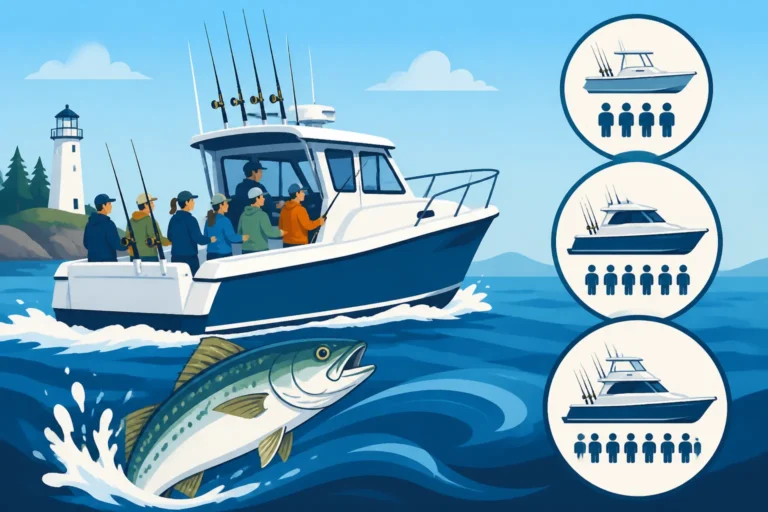
The most common Coast Guard license for recreational fishing charter captains is the OUPV, which stands for "Operator of Uninspected Passenger Vessels." It's often affectionately called a "Six-Pack" license because it allows the holder to carry up to six passengers for hire on uninspected vessels. "Uninspected" means the vessel isn't subject to the rigorous design and equipment inspections that larger passenger ships undergo, but it still must meet specific safety standards.
This license typically covers operations on inland waters, bays, sounds, and within a certain distance from shore on the ocean (often up to a few miles, depending on the specific endorsement). Many of the inshore striped bass charters or shorter near-shore fishing trips you'll find in Maine are run by captains holding an OUPV license. The training for this involves mastering navigation, boat handling, fire fighting, first aid, and marine safety regulations.
Master Licenses
For captains operating larger vessels, carrying more than six passengers, or venturing further offshore, a "Master" license is required. Master licenses come with various tonnage ratings (e.g., Master 25-Ton, Master 50-Ton, Master 100-Ton), indicating the size of vessel the captain is authorized to command. These licenses demand even more extensive sea time, more rigorous exams, and often require additional endorsements for specific operations or types of waters (e.g., Master Near Coastal, Master Offshore).
While less common for the typical small-group fishing charter, you might encounter a Master licensed captain on a larger headboat (party boat) that takes many anglers out for groundfish, or on a vessel that specializes in far offshore trips like tuna fishing. These captains have demonstrated a higher level of competency and experience in vessel operations and passenger safety, which is crucial for those more demanding excursions.
Why These Licenses Matter to Anglers
Beyond simply being legal, the licensing requirements for Maine charter captains and guides serve crucial purposes for you, the angler. They are in place to protect you, ensure your safety, and enhance your overall fishing experience.
Safety and Professionalism
A properly licensed captain or guide has gone through rigorous training and examinations. This isn't just about knowing how to drive a boat; it's about understanding emergency procedures, first aid, navigation in challenging conditions, weather interpretation, and adherence to strict safety protocols. When you step aboard a vessel with a Coast Guard licensed captain, you can be confident that they have been vetted for their ability to keep you safe on the water. Similarly, a Registered Maine Guide has proven their ability to handle wilderness emergencies and ensure your well-being in the backcountry. This level of professionalism means they're prepared for more than just finding fish.
Think about it: what if someone has a medical emergency, the weather takes an unexpected turn, or your vessel has a mechanical issue? A licensed professional is trained to respond effectively and efficiently. This peace of mind is invaluable, especially when you're out on the vast Atlantic or deep in the Maine wilderness. When you're comparing Maine Fishing Charters or looking for guides on FishingBooker, seeing these credentials should immediately inspire confidence.
Legal Protection and Insurance
Beyond safety, proper licensing also ensures legal protection for both you and the operator. Operating a charter without the required Coast Guard license on navigable waters is a federal offense, carrying stiff penalties. For you, this means that if an accident were to occur, you might find yourself in a very difficult position regarding liability and insurance claims if the operator was running an illegal charter. Licensed operators are typically insured, providing a layer of protection in unforeseen circumstances.
Similarly, a Registered Maine Guide operates under state regulations, which often include insurance requirements. This structure safeguards both the guide and their clients. By choosing a licensed professional, you are choosing an operator who is accountable to governing bodies and who has invested in the proper legal and insurance frameworks to run a legitimate business. It's a fundamental part of responsible tourism and ensuring a smooth, worry-free fishing trip in the beautiful state of Maine.
Choosing the Right Licensed Professional for Your Maine Fishing Adventure
When planning your fishing trip to Maine, understanding the licensing requirements can help you make an informed decision and ensure you have a safe, enjoyable, and legal experience. Whether you're dreaming of trolling for salmon on a vast inland lake or battling striped bass along the rugged coast, there's a licensed professional ready to guide you.
For those quintessential coastal or deep-sea adventures, always ensure your captain holds a valid U.S. Coast Guard Merchant Mariner Credential. You can often verify this by asking the captain directly, looking for their credentials displayed on their vessel, or checking their profile on booking platforms like FishingBooker. Many Best Maine Fishing Charter Companies proudly display their captains' qualifications. Remember, a Coast Guard license is critical for any trip carrying passengers for hire on navigable waters, which includes most saltwater and large tidal river excursions.
If your ideal trip involves exploring Maine's pristine freshwater lakes and rivers, delving into the wilderness for brook trout, or experiencing ice fishing, you'll want to seek out a Registered Maine Guide. They are masters of the inland environment and intimately familiar with local regulations like Maine Ice Fishing Rules Guide or Maine Fish Bag Limits Guide. Often, you'll find professionals who hold both licenses, making them versatile and highly skilled for a range of Maine fishing experiences. Don't hesitate to ask questions about their certifications and experience – a good guide or captain will be happy to share their qualifications.
Table: Maine Guide vs. US Coast Guard License Overview
To help clarify the distinctions, here's a quick comparison of the two main types of licenses you'll encounter when booking a fishing trip in Maine:
| Feature | Registered Maine Guide License (State) | US Coast Guard Merchant Mariner Credential (Federal) |
|---|---|---|
| Issuing Authority | Maine Department of Inland Fisheries & Wildlife | U.S. Coast Guard |
| Primary Focus | Wilderness safety, outdoor skills, local regulations | Maritime safety, navigation, vessel operation |
| Waters Covered | Inland lakes, ponds, non-tidal rivers | Navigable waters (ocean, bays, tidal rivers) |
| Activities Covered | Leading hunting, fishing, trapping, recreational trips | Carrying passengers for hire on vessels |
| Key Requirements | First aid, navigation, trip planning, Maine laws, exam | Sea time, physical, drug test, extensive exams, endorsements |
| Why it Matters to You | Ensures local expertise, wilderness safety, knowledge of state rules | Ensures federal maritime safety standards, captain competence |
By understanding these differences, you can confidently choose the right professional for your next Maine fishing adventure, ensuring both a fantastic catch and a safe, legally compliant trip.
Disclaimer
This article is for general informational purposes only and does not constitute professional advice. Laws, prices and regulations vary by location and change over time. Consult a qualified professional for guidance on your specific situation.