Maine Charter Boat Size and Capacity
One of the trickiest parts of planning a fishing trip to Maine, especially when you're thinking about hiring a charter, is figuring out what kind of boat you need and how many people you can actually bring along. It's not just about how many seats there are; there are real rules and practical considerations that can make or break your trip's comfort and success. This guide will walk you through the various types of charter boats you'll find in Maine, explain the crucial differences in their passenger capacity, and help you match the perfect vessel to your group and your fishing ambitions.
Understanding Maine Charter Boat Types
When you're browsing for a fishing charter in Maine, you'll quickly notice a wide variety of boats. Each type is designed with specific fishing conditions and experiences in mind. Knowing the basic categories can help you narrow down your choices and ensure you're on a vessel suitable for your adventure.
Inshore vs. Offshore Vessels
The first big distinction you'll encounter is whether a boat is primarily an inshore or offshore vessel. This isn't just about where it fishes, but how it's built and equipped to handle different water conditions.
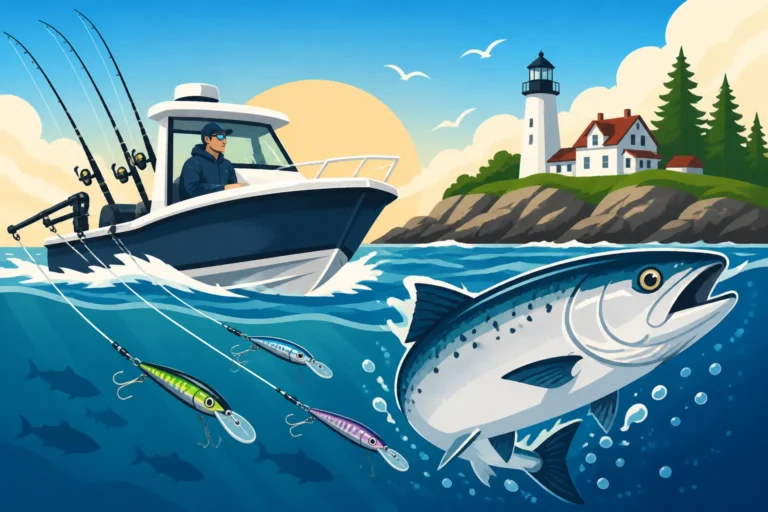
Inshore vessels are typically smaller, faster, and have shallower drafts, making them ideal for navigating Maine's intricate coastline, tidal rivers, and protected bays. Think center consoles, skiffs, or smaller bay boats. They might range from 18 to 28 feet. These boats are perfect for targeting species like striped bass in the estuaries, or fishing the calmer waters of Casco Bay or the lower Kennebec River. Their size and maneuverability allow them to get into shallower spots where bigger boats can't, often providing a more intimate fishing experience. They're designed for relatively calm waters, and while they can handle a bit of chop, they're not built for the rigorous conditions of the open ocean.
Offshore vessels, on the other hand, are larger, sturdier, and built to withstand the often unpredictable conditions of the Atlantic. These can include robust sportfishers, cabin cruisers, or even larger Downeast-style boats, typically ranging from 30 feet all the way up to 60 feet or more. They have deeper hulls, more powerful engines, and often more amenities designed for longer trips far from shore. These are the boats you'd choose for deep-sea adventures, targeting species like tuna, cod, or shark, often many miles offshore. Their size provides stability in rough seas, and their fuel capacity allows them to reach distant fishing grounds. They also offer more space for multiple anglers to fish comfortably, even when battling large, powerful fish.
Open-Deck Boats vs. Cabin Cruisers
Beyond inshore/offshore capabilities, the layout of the boat makes a huge difference in your comfort and experience. You'll generally find two main layouts: open-deck boats and cabin cruisers.
Open-deck boats, most commonly center consoles, are characterized by their expansive, open fishing space. The helm (where the captain steers) is typically in the center of the boat, leaving ample room on all sides for anglers to move around and cast. These boats are fantastic for active fishing, like casting lures for striped bass or jigging for groundfish, where you need freedom of movement. They often have limited shelter, perhaps a T-top or Bimini top for sun protection, but they are largely exposed to the elements. This design maximizes fishing real estate, but it means you're more susceptible to sun, wind, and spray. On a beautiful, calm Maine day, there’s nothing better, but if the weather turns, you might wish for more protection.
Cabin cruisers, or boats with a significant cabin structure, offer much more in the way of shelter and amenities. These can range from smaller walk-around cuddy cabins to full-blown sportfishing yachts with enclosed bridges and multiple staterooms. The cabin provides a comfortable, dry space to escape the weather, warm up, or simply relax between bites. Many larger cabin cruisers also feature private heads (bathrooms), galleys (kitchens), and sleeping berths, which are huge advantages on longer trips or for families with young children. While the cabin takes up some deck space, these boats are designed to still provide excellent fishing platforms, often with spacious cockpits in the stern specifically for angling. They strike a great balance between serious fishing capability and passenger comfort, especially when dealing with Maine's sometimes unpredictable coastal weather.
Navigating Passenger Capacity Regulations
Understanding how many people can legally and safely be on a charter boat isn't just a suggestion; it's a strict regulation governed by the U.S. Coast Guard. This is absolutely critical for your safety and the captain's compliance.
The "Six-Pack" Standard
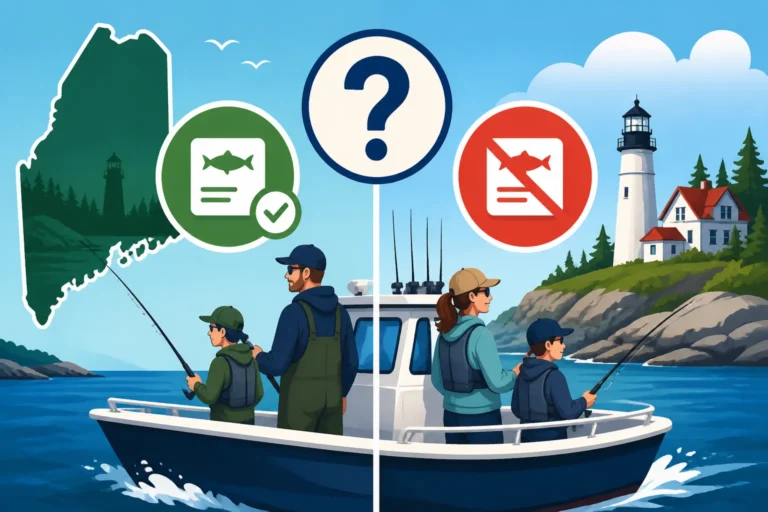
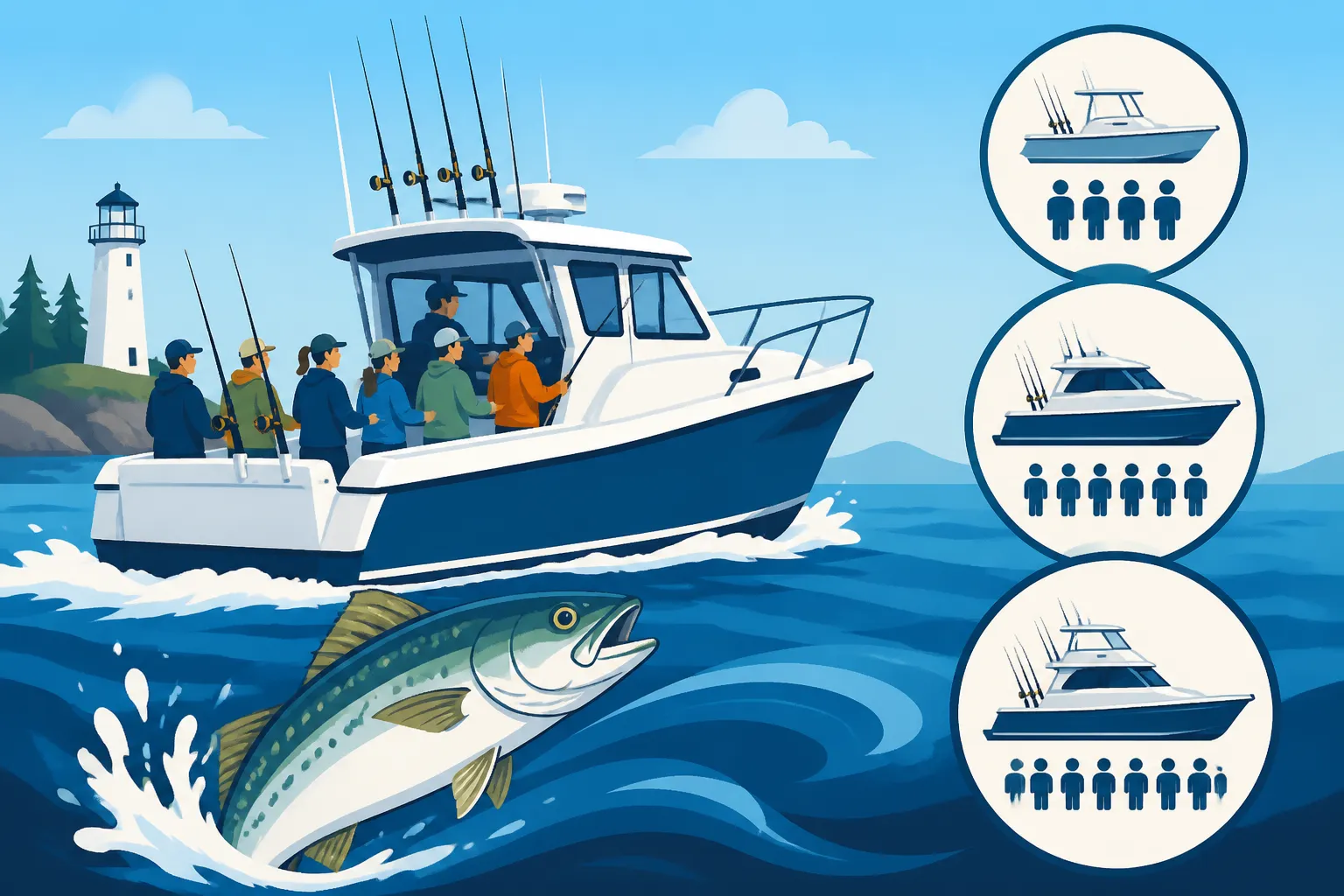
The term "six-pack charter" is one you'll hear often, and it refers to a very specific class of vessel and captain certification. Most independent fishing guides and smaller charter operations in Maine run what are legally known as uninspected passenger vessels, or OUPV (Operator of Uninspected Passenger Vessels) charters. These captains hold a specific Coast Guard license that allows them to carry up to six paying passengers. It's a common and cost-effective way to run a charter business, especially for inshore or nearshore trips.
This six-passenger limit is a hard cap. It doesn't matter if you have small children, or if someone only plans to watch; if they are a passenger, they count towards that six-person maximum. The rationale behind this is safety: vessels carrying more than six passengers fall under a different, much more stringent set of Coast Guard regulations regarding construction, safety equipment, stability, and crew requirements. So, if your group consists of seven or more people, a "six-pack" charter simply isn't an option, no matter how much you might want to squeeze in one more. You'll need to seek out a different type of operation entirely. It’s always best to be upfront with your captain about your group size when booking, as misrepresenting this can lead to the cancellation of your trip.
Understanding Certified Passenger Vessels
For groups larger than six, you'll need to look for a charter operating a U.S. Coast Guard "Inspected Passenger Vessel." These are the boats that undergo rigorous annual inspections to ensure they meet much higher safety and construction standards. The captains and crew on these vessels also hold more advanced Coast Guard licenses and certifications. These boats can legally carry seven or more passengers, with some larger vessels, often called "party boats" or "head boats," capable of accommodating dozens of anglers.
These larger vessels typically offer a more communal fishing experience. They are common for deep-sea bottom fishing trips, whale watching tours, or even some larger striped bass trips on big rivers. While they might not offer the same intimate feel as a smaller six-pack charter, they provide a great option for larger families, corporate outings, or groups of friends who want to fish together. The cost per person is often lower on these larger boats, as the expenses are spread across more passengers. When you're searching for options, especially on platforms like FishingBooker, you can usually filter by passenger capacity, making it easier to find these larger, certified vessels if your group requires it. Always confirm the vessel's passenger capacity with the charter operator before booking. You can learn more about finding the right captain in our guide on Hiring a Maine Fishing Guide.
Matching Boat Size and Capacity to Your Fishing Adventure
Choosing the right boat size and capacity goes beyond just legal limits; it's about optimizing your experience based on your group's needs, fishing goals, and comfort levels.
Considerations for Small Groups and Specialized Fishing
If you have a small group, say 1 to 3 people, and you're looking for a highly focused or specialized fishing experience, a smaller, often faster boat might be ideal. This is especially true for fly fishing or light tackle sight-casting trips in calmer waters. A smaller center console or even a dedicated skiff (which typically takes 1-2 anglers plus the guide) offers incredible maneuverability. It allows your guide to precisely position the boat, whether you're targeting elusive brook trout in a remote pond or casting flies to striped bass along a rocky shore.
On these smaller vessels, the guide can dedicate more individual attention to each angler, helping with casting techniques, lure selection, and fish fighting strategies. There's less distraction, and the experience feels very personalized. If you're passionate about a specific technique or fish species, and value an intimate setting, don't shy away from the smaller, more agile boats. They often provide access to areas larger boats can't reach, opening up unique fishing opportunities. When booking, check if the charter specializes in the type of fishing you want, as some guides running smaller boats might focus on fly fishing for landlocked salmon or specific inshore bass tactics.
Family Outings and Comfort Needs
Planning a fishing trip with family, especially if kids are involved, brings a different set of priorities. Comfort, safety, and amenities often take precedence over sheer speed or specialized angling techniques. For family trips, a mid-sized cabin cruiser or a larger center console (still within the 6-pack limit) often provides the best balance.
These boats offer more space to move around, which is crucial for kids who might get restless or need a bit of room to stretch. A private head (bathroom) is almost a non-negotiable for family comfort, as is adequate shade from the sun or shelter from a sudden rain shower. Think about seating options beyond just the console. Are there comfortable benches or bean bags where kids can relax? The stability of a slightly larger vessel can also help prevent seasickness, which is a common concern for first-time anglers or children. When looking for family-friendly options, search for charters that explicitly mention these amenities and welcome children. You can often find listings on sites like FishingBooker that highlight family-friendly options, providing details on boat features like enclosed cabins or additional seating.
Serious Anglers and Longer Expeditions
For the dedicated angler or a group of serious fishing buddies planning a longer, more intensive expedition, the requirements shift towards robust performance, extended range, and specialized gear. If you're targeting big game offshore – perhaps a full-day or multi-day trip for tuna or shark – you'll want a larger sportfisher or a substantial offshore battlewagon.
These larger boats are built for speed and stability in rough conditions, capable of covering vast distances to reach prime fishing grounds. They'll have powerful engines, advanced navigation and fish-finding electronics, and often a dedicated "fighting chair" for battling massive fish. Ample deck space and rod holders are essential, as is plenty of storage for bait, tackle, and cooler space for your catch. These vessels typically have full cabins with sleeping quarters, a galley, and multiple heads to ensure comfort on extended trips. When considering these types of charters, also inquire about the crew-to-angler ratio, as a larger crew can make a significant difference in managing big fish and ensuring a smooth operation. For specific species, you might be interested in Maine Striped Bass Fishing Techniques or Maine Deep Sea Trolling Techniques.
Key Factors Beyond Passenger Count
While boat size and capacity are huge, they're just part of the equation. Several other factors profoundly influence your charter experience, and you should consider them carefully when making your choice.
Impact of Fishing Style and Target Species
The type of fish you're hoping to catch and the method you plan to use are paramount in boat selection. If your heart is set on Landlocked Salmon Fishing in Maine or Togue on a big lake like Moosehead or Sebago, you'll likely be looking at a sturdy, stable boat capable of trolling. These might be V-hull runabouts, smaller cabin cruisers, or larger Downeast boats, typically equipped with downriggers or outriggers. The focus here is on a stable platform that can maintain precise trolling speeds and handle heavy gear.
Conversely, if you're chasing active striped bass in coastal estuaries with light tackle, you'll want a fast, agile center console or bay boat that can get you into shallow water quickly and allow for 360-degree casting. For bottom fishing for groundfish like cod or haddock offshore, a larger, more stable party boat or a robust deep-sea charter with plenty of rail space for multiple lines would be ideal. The boat's design needs to complement the fishing action. For example, a dedicated fly fishing guide will often have a boat with an uncluttered deck and casting platforms to maximize your ability to spot and cast to fish.
Onboard Amenities and Creature Comforts
Don't underestimate the importance of creature comforts, especially on longer trips or if you're bringing non-fishing companions. Maine weather can be famously fickle, changing rapidly from sunny to rainy, warm to chilly. A boat with a good-sized cabin or even just a substantial hardtop offers crucial shelter from rain, wind, or intense sun. This can make a huge difference in overall enjoyment, preventing sunburns, keeping you warm, and providing a dry spot for gear.
A private, clean head (bathroom) is a major amenity, particularly for women, children, or anyone on a longer offshore trip. Not all smaller charters have one, or they might have a very basic porta-potty setup, so it's worth asking. Ample, comfortable seating is also key. Are there padded benches, or just hard cooler tops? What about cooler space for drinks and snacks you bring, and for your catch? Some charters even offer a galley with a microwave or sink, which can be a bonus for extended trips. Think about the duration of your trip and the needs of your group – a half-day inshore trip might not require much, but a full-day offshore adventure absolutely benefits from more amenities. When comparing options on a platform like FishingBooker, pay attention to the detailed descriptions of the boat's features.
Budget Considerations
Let's be real: budget plays a significant role in any travel planning, and fishing charters are no exception. Generally, larger boats with more amenities and the capacity for more passengers will command a higher price tag. This is due to higher operating costs (fuel, maintenance, docking fees) and often more advanced equipment.
However, the cost per person can sometimes be lower on very large party boats because the total cost is divided among many anglers. A private six-pack charter, while more expensive as a lump sum, often provides a superior, more personalized experience for a small group. When you're budgeting, consider the value you place on privacy, individualized attention from the captain, specific fishing targets, and onboard comforts. Sometimes paying a bit more for a boat that perfectly matches your needs can lead to a much more memorable and successful trip. Don't forget to factor in potential tips for the crew, which are customary. For detailed pricing, our Maine Charter Fishing Cost Guide can help you set expectations.
A Look at Common Maine Charter Boat Types and Their Uses
Let's dive into some of the typical boat types you'll encounter when booking a Maine fishing charter, and what kind of experience each generally offers. This will give you a better idea of what to expect when you're looking at specific listings.
Center Consoles and Skiffs
- Size Range: Typically 18 to 30 feet
- Capacity: Almost always 1-6 passengers (six-pack charters)
- Best Use: Inshore and nearshore fishing, light tackle, fly fishing, sight-casting for striped bass, mackerel, or small game fish in bays and rivers. Great for active anglers and smaller, agile groups.
These are the workhorses of Maine's inshore fishing scene. Center consoles are named for their central helm, which leaves wide-open decks for casting and fighting fish from any angle. Skiffs are often smaller, shallower-draft boats, highly specialized for very shallow water access. Both are generally fast, nimble, and excellent for chasing schooling fish or navigating tight spots. They offer minimal shelter, usually just a T-top or Bimini, so prepare for the elements. If you're looking for a dynamic, hands-on fishing experience close to shore, these boats are fantastic. They're often run by highly knowledgeable local guides who intimately know the local currents and fish patterns.
Sportfishers and Downeast Boats
- Size Range: Typically 30 to 60+ feet
- Capacity: Usually 1-6 passengers for private charters, but larger models can be certified for more (inspected vessels)
- Best Use: Offshore deep-sea fishing for groundfish (cod, haddock), tuna, shark, and longer trips. Also popular for trolling on large lakes like Sebago for landlocked salmon and togue.
Sportfishers are purpose-built for offshore big-game fishing. They're characterized by powerful engines, a wide beam for stability, and often a flybridge (an upper helm station) for better visibility. They usually have a large cockpit in the stern for fighting fish, and a comfortable cabin with amenities like a galley and head. Downeast boats, a classic Maine design, are known for their robust, seaworthy hulls and often a semi-displacement design that handles rough seas with grace. They might not be as fast as a pure sportfisher but are incredibly stable and comfortable. These boats are excellent for those looking for a serious offshore adventure or a comfortable, stable platform for lake trolling. Their size provides comfort on choppier days and the ability to carry a wide array of specialized gear.
Party Boats (Head Boats)
- Size Range: Typically 50 to 100+ feet
- Capacity: Often 20-100+ passengers (always inspected passenger vessels)
- Best Use: Economical deep-sea bottom fishing, group outings, family trips where individual attention isn't the priority.
Party boats, also known as head boats, are the largest type of charter vessel you'll typically find. They operate on a per-person fare, making them a more affordable option for individual anglers or smaller groups who don't want to book a private charter. These boats are designed for high passenger capacity, with ample rail space for many anglers to fish simultaneously. They often target common species like cod, haddock, pollock, and mackerel, usually through bait fishing on the bottom. Amenities like heated cabins, full galleys, and multiple heads are common. While you won't get the one-on-one guide experience, party boats are a fun, social way to get out on the water and catch fish, especially if you're less concerned about targeting specific trophy species. They are a great entry point for beginners or casual anglers. If you're exploring options, you might find a variety of Maine Deep Sea Fishing Charters that fit this description.
To help you visualize, here's a quick comparison of typical charter boat types:
| Boat Type | Typical Size Range (Feet) | Typical Passenger Capacity | Primary Fishing Style | Key Advantages | Best For |
|---|---|---|---|---|---|
| Skiff / Bay Boat | 18-24 | 1-3 (sometimes 4) | Inshore, shallow water, fly fishing | Highly agile, shallow access, intimate | Focused fly fishing, light tackle inshore |
| Center Console | 20-30 | 1-6 | Inshore, nearshore, light tackle | Fast, open deck for casting, versatile | Active casting, small to mid-sized groups |
| Downeast Boat | 28-45 | 1-6 (or more if inspected) | Lake trolling, offshore bottom fishing | Stable, comfortable in chop, classic Maine | Lake salmon/togue, comfortable offshore |
| Sportfisher | 35-60+ | 1-6 (or more if inspected) | Offshore big game (tuna, shark) | Speed, power, advanced gear, range | Serious offshore anglers, trophy hunting |
| Party Boat | 50-100+ | 20-100+ | Offshore bottom fishing | Economical per person, high capacity, social | Large groups, budget-friendly, casual fishing |
Choosing the right Maine fishing charter means looking beyond just the price tag and considering the nuances of boat size, design, and regulatory capacity. By understanding these distinctions, you can ensure your trip is not only successful in terms of fishing but also comfortable, safe, and perfectly tailored to your group's unique needs. Happy fishing out there!
Disclaimer
This article is for general informational purposes only and does not constitute professional advice. Laws, prices and regulations vary by location and change over time. Consult a qualified professional for guidance on your specific situation.