Allagash Wilderness Fishing Guides
Venturing into the Allagash Wilderness Waterway to fish is a dream for many, but the sheer remoteness, vastness, and unique challenges of this iconic Maine wilderness can quickly turn that dream into a daunting, even overwhelming, experience. It's not just about casting a line; it's about navigating treacherous currents, understanding ever-changing regulations, and knowing where the fish are hiding in a labyrinth of rivers, lakes, and ponds. This guide will walk you through everything you need to know about hiring an Allagash Wilderness fishing guide, ensuring your trip is not just successful, but truly unforgettable.
Why Hire an Allagash Wilderness Fishing Guide?
Let's be real: the Allagash isn't your backyard pond. It's a vast, interconnected system of waterways that stretches over 90 miles, deep in the Maine woods. For the uninitiated, it can be an intimidating place. A good guide isn't just someone who knows where the fish are; they're an experienced woodsman or woman who knows the waterway like the back of their hand, ensuring your safety and maximizing your chances of a truly wild and successful fishing adventure.
Navigating the Remote Backcountry
Imagine yourself deep in the North Maine Woods, miles from the nearest paved road, the only sounds being the rustle of the wind through the pines and the splash of an otter. It's beautiful, but it's also incredibly remote, and getting lost or encountering unexpected rapids can turn a peaceful trip into a dangerous one. Allagash guides are experts at navigating this intricate system of lakes, ponds, and rivers, many of which have challenging portages and unpredictable water levels. They know the safe channels, the hidden hazards, and how to manage the logistical complexities of a multi-day canoe trip. They handle all the shuttle arrangements, permits, and camp setups, leaving you free to immerse yourself in the wilderness. Without this expertise, you could spend precious fishing time struggling with maps, fighting currents, or worse, putting yourself in a tricky situation. For a deeper dive into the region, check out our Allagash Wilderness Waterway Fishing Guide.
Unlocking Secret Fishing Spots
Sure, you can find general fishing spots on a map, but the Allagash is full of subtle nuances that only a seasoned guide understands. They know the eddies where trophy brook trout might be holding after a rain, the exact depth where landlocked salmon are cruising in a particular lake, or the feeder streams where the fish congregate during specific hatches. These aren't just "spots" but intimate knowledge of the waterway's ecosystem. They've spent countless hours on these waters, reading the currents, understanding fish behavior, and observing the patterns over different seasons and weather conditions. This local wisdom is invaluable, transforming a hopeful casting session into a strategic pursuit. They might take you to a remote pond accessible only by a difficult carry, or pinpoint a precise rock structure in a river that consistently holds larger fish. This level of insight is almost impossible to gain as a visitor.
Mastering Allagash Specific Techniques
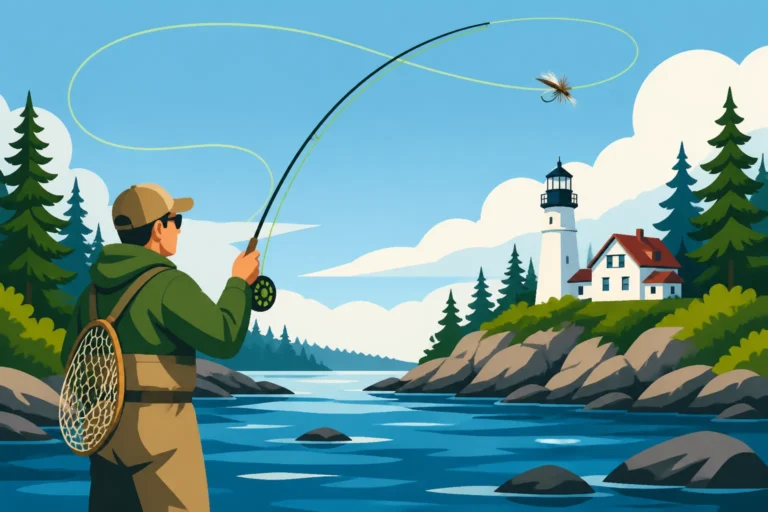
Fishing in the Allagash isn't always the same as fishing in other parts of Maine. The wild, cold waters and the specific forage base mean that certain techniques and presentations often work best. A guide can teach you specialized casting techniques for tight river stretches, how to properly drift a nymph for wary brook trout, or the nuances of trolling a streamer for landlocked salmon in the larger lakes. They understand the intricacies of fly selection based on the current insect hatches, or which lures are most effective for various species and conditions. This isn't just about general fishing knowledge; it's about the specific tactics that unlock success in the Allagash. For instance, they might show you how to read the seams in a fast-moving river to predict where a brook trout will rise, or how to work a jig slowly along the bottom for hungry togue in a deep lake. This hands-on coaching is an incredible learning opportunity, improving your skills not just for the Allagash, but for all your future fishing endeavors. If you're keen on fly fishing, our Fly Fishing Techniques for Maine Rivers article offers more foundational knowledge.
What to Expect from an Allagash Guided Trip
An Allagash fishing trip with a guide is typically much more than just a single day out on the water. It’s an immersive, multi-day experience that blends wilderness camping with serious fishing. Understanding what’s included and what the journey entails will help you prepare and appreciate the value a guide brings to the table.
Trip Duration and Types
Most Allagash guided fishing trips are multi-day expeditions, often ranging from 3 to 7 days, or even longer if you're truly seeking an extended wilderness experience. A common trip might involve canoeing from Telos Lake or Chamberlain Lake, heading north through the various lakes and river sections, eventually ending at Allagash Village. Guides offer a variety of trip types tailored to different interests and skill levels. Some focus almost exclusively on trophy brook trout in the smaller ponds and feeder streams, requiring more portaging and bushwhacking. Others might emphasize floating the main river, targeting a mix of brook trout, salmon, and even occasional lake trout (togue) in the deeper sections.
You can often choose between more rustic camping experiences, where you set up tents each night, or trips that utilize established campsites along the waterway, some with lean-tos or rudimentary cabins. Discussions with your guide beforehand will help you decide the ideal duration and style for your adventure. Families might opt for a shorter, less strenuous trip focusing on accessible fishing, while seasoned anglers might prefer an extended, challenging journey into the most remote parts of the waterway. Many guides specialize in Maine Canoe Trip Fishing Guides, which is a core part of the Allagash experience.
Gear and Equipment Provided
One of the greatest benefits of hiring an Allagash guide is the relief from the monumental task of organizing all the necessary gear for a remote wilderness trip. Guides typically provide a comprehensive list of what’s included, which almost always features canoes, paddles, life jackets, tents, cooking equipment, and often all your meals. This means hearty, delicious camp-cooked food that sustains you through long days of paddling and fishing. Some guides also provide fishing tackle, including rods, reels, and a selection of proven lures and flies, though many anglers prefer to bring their own favorite gear.
It's crucial to confirm these details when booking. You’ll usually be responsible for personal items like sleeping bags, appropriate clothing, waders, and your personal fishing license. The logistical effort a guide expends in packing, transporting, and managing all this equipment is immense, and it allows you to travel light, focusing solely on the experience. Many fishing guides understand that clients vary in their gear preferences, so they’ll often be flexible, accommodating your desire to use your own specialized equipment or providing everything you need if you’re traveling light. Before you head out, reviewing a general list like What to Bring on a Maine Fishing Charter can give you an idea of personal essentials.
The Allagash Experience: Beyond Just Fishing
While fishing is undoubtedly the main draw, a guided trip on the Allagash is an immersive wilderness experience that goes far beyond just catching fish. Your guide will serve as a naturalist, sharing their extensive knowledge of the local flora and fauna, pointing out moose, eagles, and other wildlife that call the Allagash home. They'll tell stories of the logging history, the river drivers, and the rich cultural heritage of the North Woods. Nights spent around a crackling campfire under a blanket of stars, with no artificial light pollution, are truly magical.
You’ll learn valuable wilderness skills, from paddling techniques to Leave No Trace principles, and gain a deeper appreciation for conservation. It’s an opportunity to completely unplug, disconnect from the demands of modern life, and reconnect with nature. The camaraderie built between you and your guide, and potentially other trip members, as you share challenges and triumphs, creates lasting memories. It’s not uncommon for guests to return year after year, forging deep friendships with their guides. The Allagash is a place of profound beauty and tranquility, and a guide ensures you can fully savor every aspect of this unique journey.
Choosing the Right Allagash Fishing Guide
The right guide can make or break your Allagash adventure. It's not just about their fishing prowess, but their wilderness skills, personality, and ability to ensure a safe and enjoyable trip. Taking the time to research and communicate your expectations is paramount.
Registered Maine Guide Certification
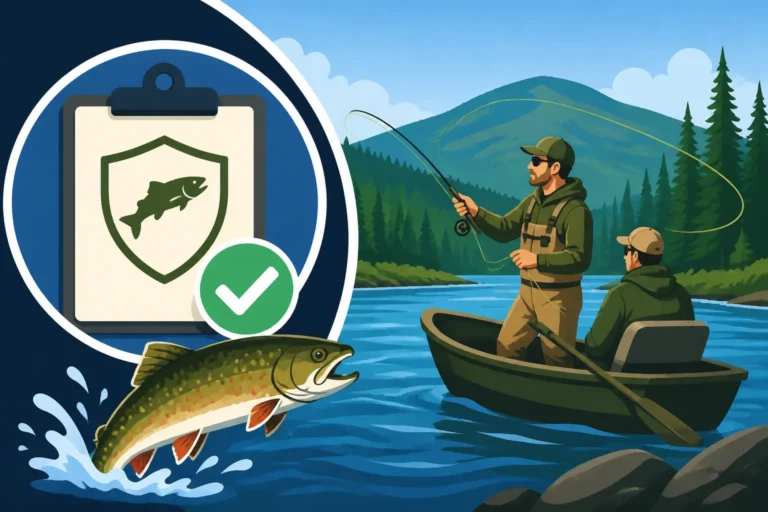
This is non-negotiable for any legitimate guide operating in Maine's wilderness. A "Registered Maine Guide" is a professional who has passed rigorous examinations demonstrating their knowledge of first aid, CPR, navigation, outdoor survival, canoeing, and wildlife, as well as the specific regulations of the area they guide in. They are licensed by the state of Maine, ensuring a baseline of competence and safety. When you're in the remote Allagash, miles from immediate help, having a certified guide is essential for your well-being. Don't hesitate to ask for their registration number and verify it with the Maine Department of Inland Fisheries and Wildlife.
Choosing a Registered Maine Guide specializing in fishing, particularly the Allagash region, means you're hiring someone who has dedicated themselves to mastering the skills needed for wilderness expeditions. They understand not only the fishing but also the inherent risks and how to mitigate them. For those interested in pursuing this path, our guide on How to Become a Registered Maine Fishing Guide details the process and requirements, highlighting the dedication it takes.
Expertise in Specific Fish Species
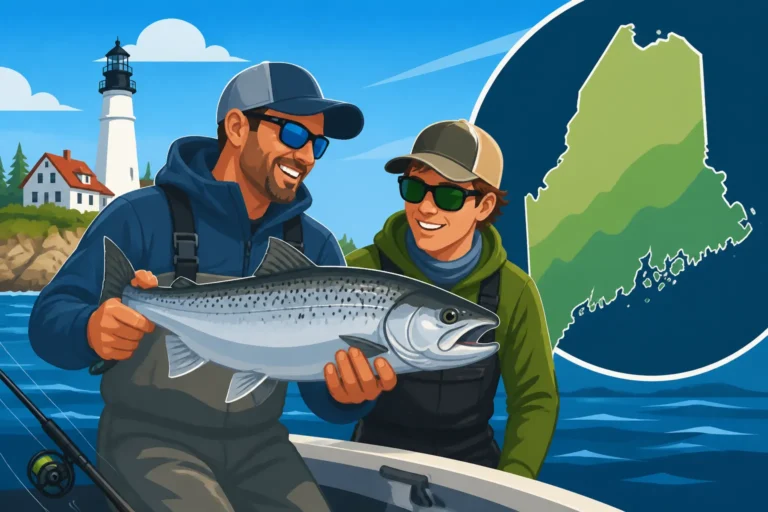
While the Allagash is primarily known for its incredible brook trout fishing, you can also encounter landlocked salmon and lake trout (togue) in certain lakes and deeper river sections. Some guides might specialize in fly fishing for brook trout in remote feeder streams, while others are experts at trolling for larger salmon or togue in lakes like Chamberlain or Eagle. Consider what species you're most interested in targeting and seek out a guide with a proven track record in that area.
For example, if your dream is to catch a wild, native brook trout, you'll want a guide who knows the specific habitats and behaviors of these fish in the Allagash's pristine waters. They’ll understand the subtle differences in tactics needed for Brook Trout Fishing in Maine versus Landlocked Salmon Fishing in Maine. Look for reviews or testimonials that highlight their success with your target species. A truly great guide will have a deep, almost instinctual understanding of the fish they pursue, allowing them to adapt to changing conditions and consistently put you on fish.
Personality and Guiding Style
Beyond their technical skills, a guide's personality and guiding style are incredibly important, especially on a multi-day wilderness trip where you'll be spending a lot of time together. Do you prefer a quiet, contemplative guide who lets you enjoy the solitude, or someone more outgoing and engaging who shares stories and jokes? Are you looking for a patient teacher who will help you hone your casting skills, or a hands-off approach that allows you to fish independently?
Some guides are very focused on the "catch," pushing hard to maximize fish numbers, while others prioritize the overall wilderness experience, taking time for wildlife viewing or shore lunches. Discuss these preferences openly during your initial conversations. A good guide will listen to your expectations and communicate how their style aligns with what you're looking for. Platforms like FishingBooker often include client reviews that touch on these aspects, helping you find a guide whose personality is a good fit for your group. A mismatch in personalities can dampen even the most productive fishing trip, so don't underestimate this factor.
Planning Your Allagash Guided Adventure
Once you've decided on a guide, the planning stage begins. This involves crucial steps like securing your booking, understanding costs, and making sure you're personally prepared for the unique environment of the Allagash.
Booking in Advance and Availability
The Allagash Wilderness Waterway is a popular destination, and experienced, reputable guides often book up many months, sometimes even a year, in advance, especially for prime fishing windows in late spring, early summer, and fall. If you have specific dates or a particular guide in mind, it's absolutely critical to reach out and secure your reservation well ahead of time. Don't wait until the last minute, or you'll likely be disappointed.
Consider the time of year you want to go, as fishing conditions and species activity vary significantly. Spring (May-June) offers excellent trout and salmon fishing after ice-out, while late summer (August) can be challenging due to warm water, though some deep-water species remain active. Fall (September-October) provides spectacular foliage and renewed fish activity. Be flexible with your dates if possible, as it increases your chances of finding an available guide. Many guides require a deposit to confirm your trip. Our article on Booking a Maine Fishing Guide in Advance gives more practical advice on this process.
Costs and What's Included
The cost of an Allagash guided fishing trip can vary widely depending on the duration, the number of participants, and the guide's level of experience and what exactly is included. While I can't give you exact figures, expect guided wilderness trips to be a significant investment, reflecting the extensive planning, logistics, equipment, expertise, and time involved. A multi-day trip will naturally cost more than a single day.
Typically, the price will cover the guide's fee, all necessary canoes and paddling equipment, camping gear (tents, cooking supplies), and usually all meals during the trip. Some guides include flies and lures, while others expect you to bring your own. Transportation to and from the remote access points, known as "shuttles," are often a separate cost or are built into the overall price, so clarify this. Gratuities for your guide are generally not included but are highly appreciated for excellent service. Always get a clear, itemized quote so you know exactly what you’re paying for and what additional expenses you might incur.
| Item | Typical Inclusion Status | Notes |
|---|---|---|
| Registered Maine Guide Fee | Always Included | Covers guide's expertise, labor, and safety management. |
| Canoes, Paddles, Life Jackets | Always Included | Essential for navigating the waterway. |
| Tents & Group Camping Gear | Usually Included | Tents, tarps, cooking stoves, basic camp furniture. |
| Meals | Usually Included | Hearty, camp-cooked breakfast, lunch, and dinner. |
| Fishing Rods, Reels, Basic Tackle | Often Included | Confirm if specific flies/lures are included or if you need to bring your own. |
| Shuttles (to/from access points) | Sometimes Included | Clarify if this is a separate fee or part of the package. |
| Fishing License | Never Included | Must be purchased by the individual angler beforehand. |
| Personal Sleeping Bag/Pad | Sometimes Included | Often advised to bring your own for comfort/hygiene. |
| Personal Clothing & Waders | Never Included | Must be brought by the angler. |
| Gratuities for Guide | Never Included | Customary for good service, budget for this. |
| Fishing Permits Needed for the Allagash Wilderness Waterway | Often Managed by Guide | Guide will usually handle securing the necessary permits for the group. |
Essential Preparations and Packing
Once booked, your guide will provide a detailed packing list, and it’s imperative to follow it closely. Conditions in the Allagash can change rapidly, and being unprepared for rain, cold, or bugs can significantly impact your enjoyment. Expect to pack layers of clothing, including waterproof and windproof outer shells, quick-drying fabrics, and warm insulation even in summer. Good quality rain gear is a must. Bring sturdy waterproof boots and perhaps a separate pair of camp shoes.
Don’t forget essentials like sunscreen, insect repellent, a wide-brimmed hat, sunglasses, a headlamp, personal medications, and any specific snacks or beverages you prefer. A small, waterproof daypack is useful for items you want readily accessible in the canoe. Remember, space is often limited, so pack efficiently. Your guide will advise on how to pack your gear (often in waterproof dry bags) to protect it during the journey. Preparing adequately ensures you stay comfortable and focused on the fishing and the unparalleled beauty of the Allagash. You'll also need to make sure you have your Maine Fishing License Guide sorted out before your trip begins.
Common Challenges and How Guides Help Overcome Them
The Allagash, while beautiful, is a wild place with its own set of challenges. This is precisely where a skilled guide truly shines, turning potential frustrations into manageable parts of an authentic wilderness experience.
Dealing with Unpredictable Weather
The weather in the North Maine Woods can be notoriously unpredictable, shifting from bright sunshine to pouring rain, or warm breezes to chilly winds, sometimes all within the same day. This variability can make planning challenging for anglers. A sudden cold front can shut down a bite, or a prolonged rainstorm can make for a miserable time if you're not prepared.
An Allagash guide is an expert at monitoring weather patterns and adapting the trip itinerary accordingly. They know safe havens, alternative fishing spots that might be sheltered from the wind, or where to find fish when the conditions get tough. More importantly, they ensure you have the right gear, advising on layering clothing and waterproof protection, and teach you how to set up a comfortable camp even in inclement weather. Their experience means they can assess risks, keep you safe, and still find ways to make the most of your fishing opportunities, even when Mother Nature decides to throw a curveball. They transform what could be a trip-ruining storm into an unforgettable story of resilience.
Respecting Wilderness Etiquette and Regulations
The Allagash Wilderness Waterway is a protected area, and adherence to its specific rules and the broader principles of wilderness etiquette is crucial for preserving its pristine nature. This isn't just about common courtesy; it's about protecting the ecosystem, wildlife, and the experience for future visitors. Misunderstanding or ignoring regulations can lead to fines and harm to the environment.
Your guide is a walking encyclopedia of Maine Fishing Regulations Explained, including specific rules for the Allagash. They will ensure you understand and follow catch limits, size restrictions, and specific gear prohibitions (like the Maine Lead Jig Fishing Ban). Beyond the rules, they model Leave No Trace principles, teaching you how to properly dispose of waste, minimize your impact on campsites, and interact respectfully with wildlife. They instill a deep appreciation for conservation and responsible angling practices, ensuring your trip is not only successful but also sustainable. This guidance helps maintain the health of species like the Allagash River Brook Trout Fishing in Maine, which thrive in these protected waters.
Maximizing Your Catch in Diverse Conditions
The Allagash presents a wide array of fishing environments, from the quiet flows of its river sections to the vast expanses of its larger lakes, and the secluded depths of its remote ponds. Each of these presents unique challenges and opportunities. A fish that's biting readily in a river pool might be completely disinterested in the same lure just a few miles away in a lake.
This is where the guide’s intimate knowledge of the waterway, combined with their years of experience, becomes invaluable. They know which flies or lures to use, what depth to fish, and what retrieve speed will be most effective given the specific water body, time of day, and current weather conditions. They can quickly assess the situation and recommend adjustments to your technique or tackle to maximize your chances of success. Whether it's reading subtle currents for a dry fly presentation or understanding the thermocline for trolling a deep-diving plug, a guide is constantly thinking about how to put you on fish, no matter how diverse or challenging the conditions. They'll help you unlock the secrets of the Best Time of Year to Fish in Maine for specific species on the Allagash.
Disclaimer
This article is for general informational purposes only and does not constitute professional advice. Laws, prices and regulations vary by location and change over time. Consult a qualified professional for guidance on your specific situation.