Is White Perch Good Eating?
Oh, the humble white perch! It’s a fish that often gets overlooked, sometimes even dismissed, but I tell you what, for those of us who spend our days on Maine's beautiful lakes and ponds, the question of "Is white perch good eating?" is a common one. Many anglers catch them as bycatch while targeting other species, and a lot of folks wonder if they're worth the effort to clean and cook. Let me assure you, white perch can be absolutely delicious if you treat them right, and this guide is going to walk you through exactly why and how to make the most of your catch.
The Great White Perch Debate: Unpacking Their Culinary Reputation
When you're out on the water, whether it's the vast expanse of Sebago Lake or a quiet central Maine pond, white perch seem to be everywhere. They're a feisty little fish, often biting readily, and you can end up with a cooler full before you know it. But then comes the moment of truth: what do you do with them? The truth is, their reputation for being "good eating" is well-deserved by many, but it does come with a few caveats that are easily managed. They're not a trophy fish in terms of size, but they sure can be a trophy on your dinner plate.
One of the biggest misconceptions is that because they're small, they're not worth the time. I've heard it a hundred times, "Too much work for too little meat!" And while it's true they require a bit more effort in cleaning per pound of meat compared to, say, a huge togue, the payoff in flavor and texture can be incredibly rewarding. Think of it as a small culinary adventure, especially when you've had a great day of fishing and want to enjoy the fruits of your labor. Plus, catching a mess of white perch can provide a fantastic meal for the whole family without having to target a larger, harder-to-find species.
Flavor Profile: What to Expect from White Perch
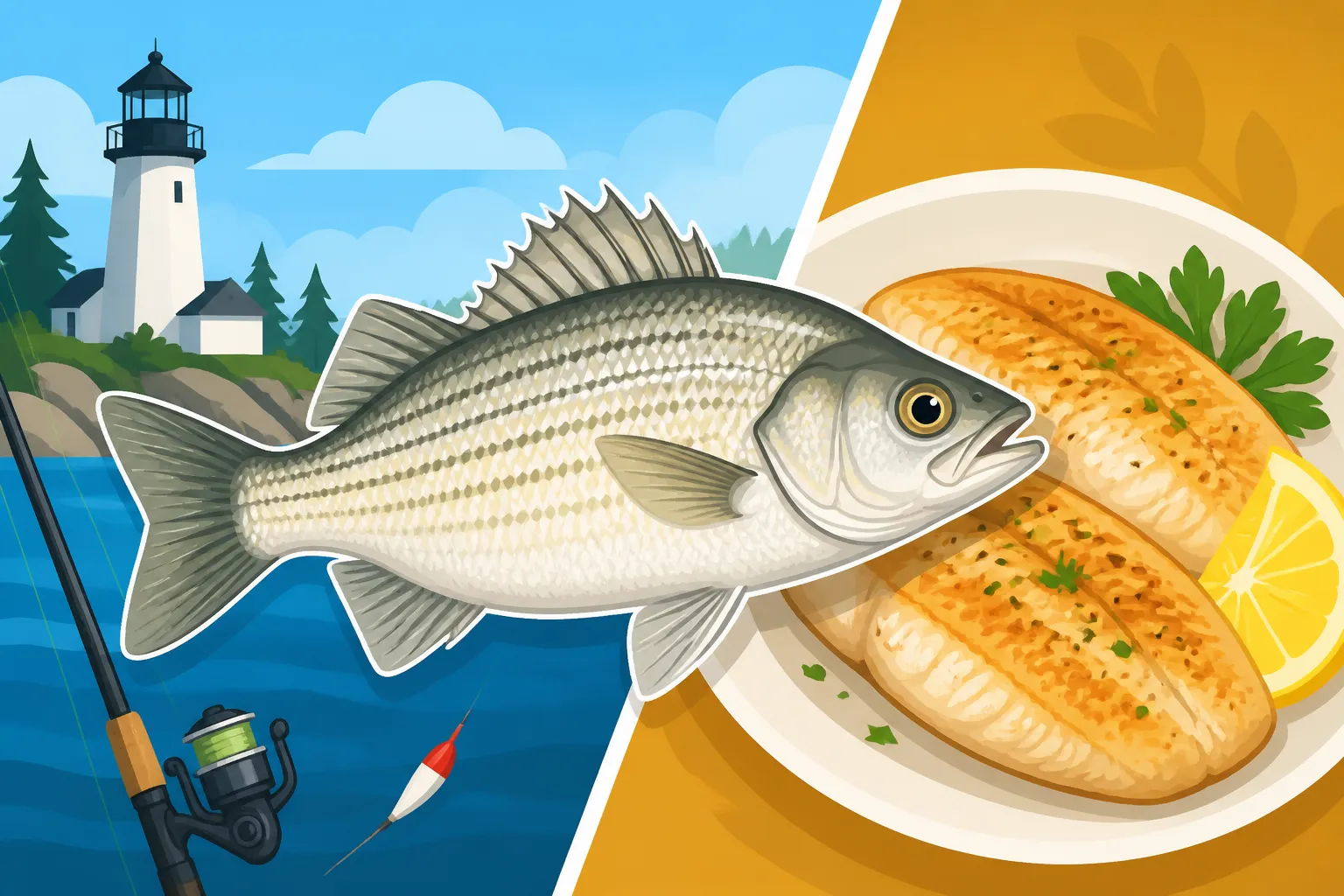
So, what does white perch actually taste like? If you're hoping for something wildly exotic, you might be surprised by its simplicity, and that's a good thing! White perch have a delicate, mild, and slightly sweet flavor. It's often compared to other panfish, but many argue it's even milder and less "fishy" than some yellow perch or crappie. This makes them incredibly versatile in the kitchen, as they readily absorb the flavors of seasonings and sauces without being overwhelmed. It's truly a blank canvas for your culinary creativity.
This mildness is a huge advantage, especially if you're cooking for people who are sometimes hesitant about eating fish. There's no strong, oily flavor that can put some folks off. Instead, you get a clean, freshwater taste that’s light and refreshing. The key to maintaining this excellent flavor is proper handling from the moment they come out of the water. Get them on ice quickly, and clean them as soon as possible, or at least keep them well-chilled until you can. Warm fish can develop off-flavors quickly, and you don't want to ruin that pristine taste.
The environment they live in can also subtly influence their flavor. White perch from cold, clean Maine waters, particularly those from deeper lakes or ponds, tend to have the best flavor profile. Fish from muddy or stagnant waters might pick up a slightly "earthy" or "weedy" taste, though this is less common in Maine's typically pristine fishing environments. If you're pulling them from a clear, flowing river or a deep, cold lake, you're almost guaranteed to get that delightful, clean flavor that makes them so appealing.
Texture Talk: Firmness and Flakiness
Beyond flavor, the texture of a cooked fish is paramount, and white perch absolutely shine here. They boast a firm yet flaky white flesh that holds up beautifully to various cooking methods. When cooked just right, the meat separates easily with a fork, offering tender flakes that are incredibly moist. You won't find them mushy or overly soft; instead, they have a satisfying bite that's indicative of a well-cooked fish.
This firm texture also means they're less likely to fall apart on the grill or in the pan, which can be a common frustration with more delicate fish. Whether you're pan-frying them to a crispy golden brown or gently baking them, the fillets maintain their structural integrity, making them easy to handle and a pleasure to eat. It's a texture that appeals to both seasoned fish eaters and those who might be new to preparing their own catch.
The moderate fat content in white perch contributes to this desirable texture and moistness. They aren't overly fatty like some salmon species, but they have enough natural oils to keep the meat from drying out during cooking. This is where proper cooking technique comes in – avoid overcooking! Overcooked fish, no matter the species, will be dry and unappealing. With white perch, a quick cook time is usually all that's needed to achieve that perfect firm, flaky, and moist result.
From Water to Plate: Best Practices for Preparing White Perch
Alright, you've had a great day catching white perch in one of Maine's many fantastic fishing spots. Now it’s time to bring them home and get them ready for the table. This is where some folks get intimidated, especially with smaller fish. But trust me, once you get the hang of it, cleaning white perch becomes a quick and satisfying part of the process. It's a skill that will serve you well for any panfish you bring home.
Cleaning and Filleting: Making the Most of Small Fish
The first step after a successful fishing trip is always getting your catch properly prepared. For white perch, this typically means filleting them, as they are a boney little fish. While some folks might scale and cook them whole, especially if they are very small, filleting gives you pure, boneless meat that's much more enjoyable to eat. It might seem daunting at first, but with a sharp fillet knife and a bit of practice, you'll be zipping through a pile of perch in no time. If you're looking for guidance, there are plenty of resources on How to Fillet a Fish You Plan to Keep.
Start by laying the fish flat on a cutting board. Make an incision behind the gill plate, down to the backbone, but don't cut through the spine. Then, turn your knife parallel to the backbone and slice along it, working your way towards the tail. You'll feel the bones guiding your blade. Flip the fillet over, skin-side down, and carefully slide your knife between the meat and the skin, pressing down slightly on the skin to separate it cleanly. Repeat on the other side, and you'll have two beautiful, boneless fillets. Yes, they’re small, but when you have a dozen or more, it adds up to a delicious meal!
A common frustration for beginners is trying to get every last bit of meat off these smaller fish. Don't stress too much about it when you're starting out. The goal is to get a decent, clean fillet. As you gain experience, your technique will improve, and you’ll find yourself getting more and more meat off each fish. Remember, patience and a sharp knife are your best friends here. And make sure you've got a good, sturdy cleaning station set up. Some anglers even use specific cleaning boards that clamp onto a table or cooler, which can make the process much easier and safer.
Skin On or Off? Considerations for Cooking
Once you have your fillets, you'll face another choice: do you leave the skin on or take it off? For most cooking methods with white perch, I usually recommend removing the skin. The skin, while edible, can sometimes be a bit tough or have a stronger "fishy" taste than the delicate flesh. By removing it, you ensure that mild, clean flavor and tender texture are front and center.
However, there are exceptions. If you're going to deep-fry the fillets in a crispy batter, leaving a bit of skin on can sometimes add a nice crispiness, much like with some larger panfish. Similarly, if you're grilling larger perch fillets directly over heat, the skin can act as a protective layer, preventing the delicate meat from sticking to the grates and drying out. But for pan-frying or baking, which are arguably the most popular methods for perch, skinless is generally the way to go for the best eating experience.
Ultimately, it comes down to personal preference and your chosen cooking method. If you're experimenting, try a few fillets with the skin on and a few with the skin off to see which you prefer. Just be aware that if you do leave the skin on, you'll want to ensure it gets nice and crispy during cooking, otherwise it can be a bit rubbery. And always remember to pat your fillets dry before seasoning and cooking, regardless of skin presence. This helps achieve that beautiful golden-brown crust we all love.
Deliciously Diverse: Top White Perch Cooking Methods
The beauty of white perch, beyond their delightful flavor and texture, is how adaptable they are to various cooking techniques. Their mild taste means they pair well with a wide range of seasonings and culinary traditions. You don't need a complicated recipe to make them shine; often, simplicity is best. Let's dive into some of my favorite ways to turn these Maine panfish into a fantastic meal.
Pan-Frying and Sautéing: Classic and Quick
Without a doubt, pan-frying is the most classic and popular way to prepare white perch. It's quick, easy, and yields incredibly flavorful results. The goal is a crispy, golden-brown exterior and a tender, flaky interior. Start by patting your fillets thoroughly dry with paper towels – this is crucial for getting that crispness. Then, lightly dredge them in seasoned flour, cornmeal, or a mix of both. My secret? Add a little paprika and garlic powder to your dredge for extra flavor.
Heat a good amount of oil (vegetable, canola, or even a blend with butter for richness) in a heavy-bottomed skillet over medium-high heat. You want enough oil to cover about half the thickness of your fillets. Once the oil is shimmering, carefully place the fillets in the pan, ensuring not to overcrowd it. Cook for about 2-4 minutes per side, depending on thickness, until golden brown and cooked through. You'll know they're done when the flesh is opaque and flakes easily with a fork. Serve immediately with a squeeze of lemon and a side of tartar sauce, and you've got a meal that's pure Maine comfort food.
Sautéing is a slightly lighter approach, often using less oil and incorporating other ingredients directly into the pan. You might sauté your perch fillets with butter, garlic, and fresh herbs like parsley or dill. This method really highlights the delicate flavor of the fish. For a quick weeknight meal, you can sauté the fillets until almost done, then add some cherry tomatoes and spinach to the pan for a vibrant, healthy dish. The cooking time remains short, typically just a few minutes per side, so keep a close eye on them to prevent overcooking.
Baking and Broiling: Healthier Options
If you're looking for a healthier alternative to frying, baking and broiling are fantastic choices for white perch. These methods allow the natural flavors of the fish to shine while using minimal added fats. They are also less hands-on than frying, making them perfect for when you're busy with other meal preparations. Just like with frying, ensure your fillets are patted dry before you begin.
For baking, preheat your oven to around 375-400°F (190-200°C). Arrange your seasoned fillets in a single layer on a lightly oiled baking sheet. You can brush them with a little melted butter or olive oil, sprinkle with salt, pepper, and your favorite herbs. A little lemon juice or white wine in the pan can add moisture and flavor. Bake for 10-15 minutes, or until the fish is opaque and flakes easily. This method is excellent for cooking a larger batch of fillets simultaneously, making it great for family dinners. You can also experiment with breadcrumbs for a crispy top.
Broiling offers a quicker cooking time and a lovely caramelized crust. Position your oven rack so the fish is about 4-6 inches from the broiler element. Brush the fillets with olive oil or melted butter, season well, and perhaps add a sprinkle of Parmesan cheese for extra flavor. Broil for 5-8 minutes, keeping a very close eye on them, as they can go from perfectly cooked to burnt in a flash. The direct high heat locks in moisture and creates a wonderful texture. Remember, white perch fillets are thin, so they cook quickly!
Grilling and Smoking: Adding Depth of Flavor
Grilling white perch can be a bit trickier due to their small size and delicate nature, but it’s certainly doable and adds a fantastic smoky flavor. The key here is to prevent them from sticking and falling apart. Using a grilling basket or placing the fillets on aluminum foil are excellent strategies. If you’re brave enough to go directly on the grates, make sure they are super clean and well-oiled, and that the fillets are firm.
Marinate your fillets for a short time (15-30 minutes) in a light vinaigrette or herb-infused olive oil to add flavor and keep them moist. Grill over medium-high heat for just a few minutes per side, until they are cooked through and have nice grill marks. The smoky char from the grill really complements the mildness of the perch. This method is particularly delightful on a warm summer evening, perhaps after a day of Open Water Line Limits fishing on one of Maine's beautiful lakes.
Smoking white perch is an adventurous, but incredibly rewarding, cooking method. While it takes more time, the results are deeply flavorful. Brine your fillets first for a few hours in a mixture of water, salt, brown sugar, and any spices you like. Then, pat them dry and let them air-dry in the refrigerator for an hour or two to form a pellicle, which helps the smoke adhere. Smoke them at a low temperature (around 150-200°F or 65-95°C) using mild wood chips like alder, apple, or cherry for 1-3 hours, or until they reach your desired doneness and flavor. Smoked white perch is fantastic on its own, flaked into salads, or mixed into dips.
Beyond the Plate: White Perch in Maine's Ecosystem and Your Tackle Box
While we've spent a lot of time talking about how delicious white perch are, it's also worth appreciating their role in Maine's diverse aquatic ecosystems and how to best target them if you're aiming to fill your cooler for a meal. Understanding a bit about where they live and how they behave can make your fishing trips even more successful and enjoyable. Knowing more about the fish you're catching and eating always adds to the overall experience.
Where to Find Them: Maine's Abundant Perch Populations
White perch (Morone americana) are incredibly widespread and abundant throughout Maine's freshwater and brackish environments. You'll find them in most of our larger lakes, countless smaller ponds, and even in the lower reaches of many rivers that connect to the ocean, such as the Penobscot or Kennebec. They are quite adaptable, tolerating a range of water conditions, which contributes to their prevalence. For an angler, this means you're rarely far from a good white perch spot.
They tend to prefer deeper waters in the warmer months, often schooling up around underwater structures like humps, rock piles, or drop-offs. In cooler weather, particularly spring and fall, they'll move into shallower areas to feed. You'll often find them alongside other popular species like smallmouth bass, yellow perch, and chain pickerel. Identifying your catch correctly is important, and for broader understanding, check out the Maine Fish Species Identification Guide. Being aware of Maine Fishing Regulations Explained and specific local rules is always a good idea too.
One of the great things about white perch is that they are often quite accessible, even from shore. Many public boat launches and fishing piers on lakes across Maine will offer opportunities to catch them. If you're on a boat, a good fish finder can help you locate their schools. They're also a fantastic target for a fun family outing, as they're usually eager biters and provide consistent action. For specific areas, you might start by looking at a Best Fishing Lakes in Maine guide, as many of these popular spots will hold healthy populations of white perch.
Catching Them for the Table: Tips for Anglers
Targeting white perch specifically for a meal is a fantastic idea, and they aren't usually too picky. Their aggressive nature makes them a great species for anglers of all skill levels, from beginners to seasoned veterans. Simplicity is key when it comes to tackle and technique. You don't need fancy gear to catch a mess of them for dinner.
Light spinning tackle is ideal – a 5 to 6-foot ultralight or light action rod paired with a small spinning reel spooled with 4-6 pound test monofilament or fluorocarbon line is perfect. This setup allows you to feel their subtle bites and enjoy the fight, which, for their size, can be surprisingly spirited! As for bait, white perch are opportunistic feeders. Small live baits like worms (nightcrawlers or garden worms), small shiners, or even pieces of cut bait are incredibly effective. A simple bobber rig or a bottom rig with a small sinker and hook is all you need. If you're looking for more general bait advice, consider checking out Best Bait for Maine Open Water Fishing.
Artificial lures also work wonders. Small jigs (1/16 to 1/8 ounce) tipped with a piece of worm, a tiny plastic grub, or even just a bare hook can be deadly. Small spinners, spoons, and even tiny crankbaits can also entice a bite, especially if you're targeting larger individuals. The key is to fish where the schools are and to be patient, though often with white perch, patience isn't required for long! They are known to bite aggressively and in rapid succession once you find a school, which makes for exciting fishing and a full stringer for your next delicious meal.
| Cooking Method | Pros | Cons | Best Served With |
|---|---|---|---|
| Pan-Frying | Crispy exterior, quick, classic flavor, easy to master | Requires more oil, can be messy, easy to overcook if distracted | Lemon wedges, tartar sauce, coleslaw, French fries |
| Sautéing | Lighter, allows for added fresh flavors (herbs, garlic), quick | Less crispy than deep-frying, can dry out if overcooked | Fresh greens, rice pilaf, roasted vegetables |
| Baking | Healthier, hands-off, great for multiple fillets, even cooking | Less crispy exterior, can be bland without proper seasoning | Baked potatoes, green beans, asparagus, dill sauce |
| Broiling | Quick, creates nice caramelized crust, retains moisture, low fat | Requires constant monitoring, easy to burn, only suitable for thinner fillets | Roasted corn on the cob, tomato salad, fresh salsa |
| Grilling | Adds smoky flavor, firm texture, outdoor cooking experience | Can stick to grates, challenging for small fillets, requires grilling basket | Grilled vegetables, corn salad, light vinaigrette |
| Smoking | Deep, rich flavor; excellent for preserving, unique culinary experience | Time-consuming, requires specialized equipment (smoker), brining required | Crackers, cream cheese, on bagels, in fish dips |
Disclaimer
This article is for general informational purposes only and does not constitute professional advice. Laws, prices and regulations vary by location and change over time. Consult a qualified professional for guidance on your specific situation.