Best Way to Cook Fresh Brook Trout
There’s nothing quite like the satisfaction of reeling in a beautiful, vibrant brook trout from one of Maine's pristine waters. You’ve put in the effort, you’ve enjoyed the crisp air and serene surroundings, and now you have this incredible, fresh fish in hand. The next natural thought for many of us is, "How do I cook this magnificent creature to truly do it justice?" It’s a common question because you don't want to mess up such a delicate, hard-earned meal. This guide is all about helping you unlock the absolute best flavors from your fresh brook trout, ensuring every bite is a tribute to your angling adventure.
The Beauty of Fresh Brook Trout: Why Simplicity Reigns Supreme
When you're dealing with something as inherently delicious as a fresh brook trout, less is often more. The beauty of this fish lies in its subtle, clean taste, and our goal in the kitchen should always be to enhance that, not overshadow it. It’s easy to get carried away with elaborate recipes, but for brook trout, honoring its natural essence is key.
Understanding the Delicate Flavor Profile
Brook trout, especially those caught from cold, clear Maine streams and lakes, possess a unique flavor profile that sets them apart. Their flesh is typically mild, slightly sweet, and wonderfully flaky. Unlike some bolder fish, brook trout don't have an overly "fishy" taste, which makes them incredibly versatile but also susceptible to being overpowered by strong seasonings or heavy sauces. This delicate nature means you want to choose cooking methods and ingredients that allow the fish itself to shine through. Think about how a perfectly ripe berry needs little more than itself to be enjoyed; fresh brook trout is much the same.
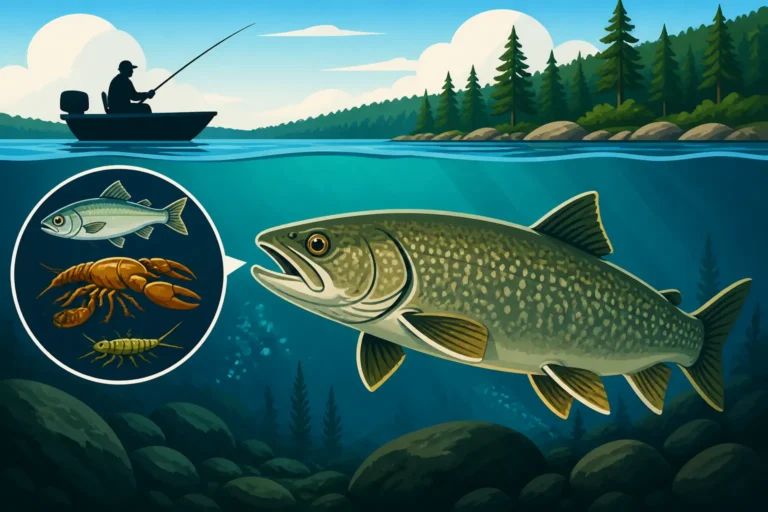
The diet of brook trout, often consisting of aquatic insects and small baitfish, also contributes to their clean flavor. If you've ever wondered What Do Brook Trout Eat in Maine Streams?, you'll appreciate how their natural forage translates into a pure taste on your plate. This inherent quality is why many seasoned anglers advocate for simple preparations that highlight the fish's natural goodness rather than masking it. You've worked hard to catch it, so why hide its inherent deliciousness?
Essential Preparation Steps for Optimal Taste
Before any cooking begins, proper preparation is paramount. This isn't just about hygiene; it’s about setting the stage for the best possible flavor and texture. A well-cleaned and prepared fish will cook more evenly and taste significantly better than one that's been rushed through the process. It's a fundamental step that many beginners might overlook, but it makes all the difference.
First, you'll need to clean your trout. This involves gutting the fish promptly after catching it to maintain freshness. Some anglers choose to scale their trout, while others prefer to skin them, especially for larger fish. For smaller brook trout, the skin, if properly scaled and crisped, can be a delightful addition. After gutting and any scaling, give the fish a thorough rinse, inside and out, under cold running water. Pay particular attention to removing any remaining blood along the backbone; a spoon or your thumbnail can help with this. Pat the fish completely dry with paper towels. Excess moisture is the enemy of crispy skin and can lead to steaming instead of searing. While some anglers practice Catch and Release Tips to Keep Fish Healthy, for those cherished keepers, proper handling from the moment of catch to the kitchen is crucial.
Once clean and dry, a simple seasoning is often all you need. A generous sprinkle of kosher salt and freshly ground black pepper, both inside the cavity and on the exterior, is a fantastic starting point. You can add a slice or two of lemon and a sprig of fresh dill or parsley into the cavity at this stage to infuse flavor from the inside out. Remember, the goal is to enhance, not overwhelm.
Classic Cooking Methods That Highlight Natural Flavor
When you've got a beautiful brook trout, you want cooking methods that are reliable, relatively quick, and truly let the fish's delicate flavors take center stage. These classic techniques have stood the test of time for a reason: they work wonderfully with fresh, flaky fish.
Pan-Frying to Golden Perfection
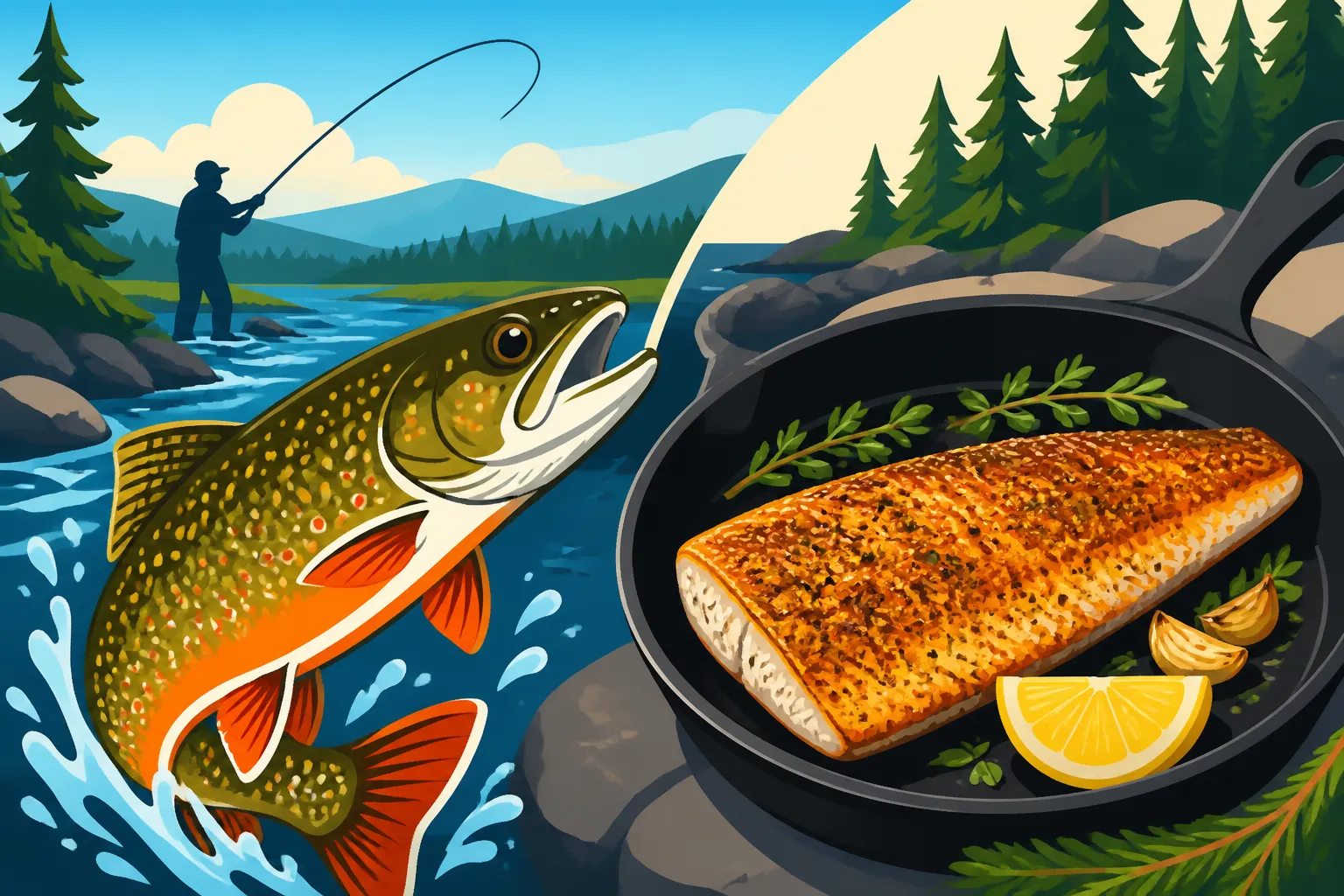
Pan-frying is arguably one of the most beloved and effective ways to cook brook trout, especially for those smaller, pan-sized fish. The beauty of this method lies in its ability to create a wonderfully crispy skin while keeping the interior moist and tender. It’s a technique that’s as rewarding as it is simple, perfect for a quick dinner after a successful day on the water.
To achieve that coveted golden perfection, start by lightly dredging your cleaned and seasoned trout in a small amount of all-purpose flour or cornmeal. This step isn't strictly necessary but helps create an extra-crispy crust. Heat a cast-iron skillet or heavy-bottomed pan over medium-high heat with a tablespoon or two of butter, olive oil, or a combination of both. Once the fat is shimmering and hot, carefully place the trout in the pan. Don’t overcrowd the pan; cook in batches if necessary. Cook for about 3-5 minutes per side, depending on the thickness of your fish. You’ll know it’s ready to flip when the skin is golden brown and crispy, and the flesh easily flakes with a fork. For many, the simple joy of pan-fried trout, perhaps caught with some of the Best Bait for Brook Trout, is the quintessential Maine angling experience.
A good non-stick or cast-iron pan, along with a reliable fish spatula (you can find excellent options on Amazon), will make this process a breeze. The key is to get the pan hot enough to create that crust quickly without burning the outside or drying out the inside. A perfectly pan-fried brook trout, fresh from a Maine lake, is a culinary delight that requires minimal fuss but delivers maximum satisfaction.
Baking for a Hands-Off Approach
If you prefer a more hands-off cooking method, or if you're preparing multiple fish at once, baking is an excellent choice. It’s particularly good for ensuring the fish stays incredibly moist and infused with aromatics. Baking is less about crispiness and more about tenderness and flavor integration, making it a healthy and delicious option.
One fantastic baking technique is "en papillote," or cooking in parchment paper. Lay your seasoned brook trout on a piece of parchment paper or aluminum foil. Surround it with thin slices of lemon, fresh herbs like dill or parsley, and perhaps a pat of butter or a drizzle of olive oil. You can even add a few thinly sliced vegetables, like asparagus or cherry tomatoes, for a complete meal. Fold the parchment or foil tightly to create a sealed packet, trapping all the moisture and flavors inside. Bake at around 375-400°F (190-200°C) for 12-18 minutes, again depending on the fish's thickness. The packet will puff up, indicating the steam is working its magic.
Opening the packet at the table releases a wonderful aroma, making for a lovely presentation. Baking also works well directly on a baking sheet lined with parchment, though you might want to brush the fish with a little olive oil or butter periodically to prevent drying. This method ensures a delicate, flaky texture that's hard to beat, perfect for enjoying the inherent goodness of your catch.
Grilling for a Smoky Outdoor Touch
There’s something inherently appealing about cooking outdoors, and grilling brook trout can add a delightful smoky dimension to its delicate flavor. This method is fantastic for summer evenings, especially when you've just come off the water during the Best Season to Catch Brook Trout. It pairs beautifully with the fresh air and relaxed atmosphere of a Maine lakeside camp or backyard.
When grilling, preparation is key to prevent the fish from sticking and falling apart. Make sure your grill grates are clean and well-oiled before heating. You can also use a fish grilling basket (easily found on Amazon) which is a lifesaver for keeping the fish intact and making flipping simple. Season your trout as usual, and consider brushing it lightly with olive oil to help prevent sticking and promote even cooking. Place the fish directly over medium-high heat.
Grill for about 4-6 minutes per side, depending on thickness, until the skin is nicely charred and the flesh flakes easily. If you're looking for a more subtle smoky flavor, you can finish the fish over indirect heat after an initial sear. The direct flame can impart a wonderful char and a hint of campfire goodness that complements the trout's natural sweetness beautifully. A quick squeeze of lemon juice after it comes off the grill is the perfect finishing touch.
Beyond the Basics: Creative and Healthy Options
While the classic methods are fantastic, sometimes you want to branch out or try something a bit different, especially if you're looking for incredibly healthy preparations or a full meal in one go. Brook trout is wonderfully versatile, accommodating various culinary approaches that still prioritize its delicate taste.
Roasting with Vegetables for a Complete Meal
For ultimate convenience and a truly healthy meal, roasting your brook trout alongside an array of seasonal vegetables is a winning strategy. This "sheet pan" dinner concept minimizes cleanup and ensures that all components of your meal are ready at the same time, infused with complementary flavors. It's a lifesaver on busy weeknights or when you simply want to relax after a long day of fishing.
Choose hearty vegetables that roast well, such as asparagus, broccoli florets, bell peppers, cherry tomatoes, or even small cubes of potatoes or sweet potatoes. Toss the vegetables with a drizzle of olive oil, salt, pepper, and your favorite herbs (like rosemary, thyme, or oregano). Spread them out on a baking sheet lined with parchment paper. Roast the vegetables at around 400°F (200°C) for 15-20 minutes first, to give them a head start. Then, nestle your seasoned brook trout among the partially roasted vegetables, perhaps adding a few lemon slices and fresh dill sprigs to the fish. Continue roasting for another 12-18 minutes, or until the fish is cooked through and flaky.
The fish cooks gently while drawing flavor from the vegetables, and the vegetables absorb some of the fish's delicate essence. This method is incredibly adaptable; swap out vegetables based on what’s in season or what you have on hand. It’s a complete, wholesome meal that’s both delicious and incredibly satisfying.
Steaming for the Lightest, Healthiest Preparation
If your primary goal is to preserve the brook trout’s delicate flavor and moisture in the healthiest way possible, steaming is an excellent choice. This method uses moist heat to cook the fish gently, resulting in an incredibly tender, almost ethereal texture that truly allows the nuances of the fish to shine through. It's fantastic for appreciating the purest taste of your catch.
To steam brook trout, you’ll need a steamer basket or a bamboo steamer. Place your seasoned fish (again, salt, pepper, and maybe a few slices of ginger or lemon, and a sprig of cilantro or parsley in the cavity) in the steamer basket. Bring a pot of water (or a flavorful broth with a splash of white wine) to a boil, then reduce to a simmer. Place the steamer basket over the simmering liquid, ensuring the fish does not touch the water. Cover tightly and steam for 8-12 minutes, depending on the thickness of the fish.
The result is a fish that is incredibly moist and flaky, almost melting in your mouth. Steaming doesn't add any fat, making it an exceptionally healthy option. Serve it with a simple drizzle of soy sauce and sesame oil for an Asian-inspired twist, or a light lemon-butter sauce if you prefer. The gentle cooking method truly respects the natural attributes of the fish, making it a favorite for those who value purity of flavor.
Poaching for a Velvety Texture
Poaching is another wonderfully gentle cooking method that yields an exceptionally moist and velvety brook trout. Similar to steaming, poaching is all about preserving moisture and highlighting the fish’s natural taste without adding significant fat. It’s a sophisticated, yet simple, technique that results in a beautifully tender fish that can be enjoyed warm or cold.
To poach brook trout, you'll need a shallow pan large enough to hold the fish and enough poaching liquid to just cover it. A classic poaching liquid is a "court bouillon," which is a flavorful broth made with water, white wine, onion, carrot, celery, bay leaf, and peppercorns. However, plain salted water with lemon slices and fresh dill works beautifully too. Bring your poaching liquid to a gentle simmer (never a rolling boil). Carefully lower the seasoned brook trout into the liquid.
Poach for about 8-15 minutes, or until the fish is opaque and flakes easily. The key is to keep the liquid at a very gentle simmer, not a boil, to prevent the fish from breaking apart or becoming tough. Once cooked, carefully remove the fish with a slotted spatula. Poached brook trout is exquisite served with a light hollandaise or a fresh cucumber-dill sauce. It's also fantastic flaked into salads or used in fish sandwiches, truly showcasing the fish's delicate texture and flavor.
Tips for Success and Flavor Enhancements
You've got the core techniques down, but there are always little tricks and considerations that can elevate your brook trout cooking from good to truly memorable. It's about paying attention to details and knowing how to subtly tweak flavors to your liking.
Seasoning and Spice Considerations
While simplicity is often best for brook trout, that doesn’t mean you can’t get creative with your seasonings. The trick is to choose flavors that complement rather than overpower. Lemon is almost always a brook trout’s best friend, whether it's slices tucked into the cavity, a squeeze of juice after cooking, or zest grated over the finished dish. Fresh herbs are also incredibly effective. Dill, parsley, chives, and even a touch of thyme or tarragon can elevate the fish without masking its natural taste.
Beyond the classics, consider subtle additions like a pinch of smoked paprika for a hint of warmth and color, or a tiny dash of garlic powder if you're a garlic lover. Some people enjoy a light dusting of Old Bay seasoning, a classic seafood blend, which can be a fun departure. Don't be afraid to experiment with different seasoning blends that you can find readily on Amazon, just be mindful of their intensity. Always taste as you go, and remember that you can always add more, but you can’t take it away!
Pairing with Sides and Sauces
A perfectly cooked brook trout deserves equally thoughtful companions on the plate. Again, lean towards lighter sides that won't compete with the fish's delicate flavor. Steamed green beans, roasted asparagus, a simple garden salad with a vinaigrette, or a fluffy bed of wild rice or quinoa are all excellent choices. For heartier appetites, roasted new potatoes or a light potato salad can be wonderful.
When it comes to sauces, keep them bright and fresh. A classic lemon-butter sauce, perhaps with some fresh capers or chopped dill, is always a winner. A simple salsa made with diced tomatoes, red onion, cilantro, and lime juice can add a vibrant, fresh counterpoint. You can also make a quick creamy dill sauce using Greek yogurt or sour cream, fresh dill, and a squeeze of lemon. The key is to ensure the sauce enhances, not smothers, the flavor of the trout. Think of it as an accent, not the main event.
Don't Forget the Gear!
Having the right tools in the kitchen can make all the difference in achieving perfect results and making the cooking process enjoyable. While you don't need a professional chef's arsenal, a few key pieces of equipment will serve you well when cooking brook trout. A good quality, heavy-bottomed pan – whether it's stainless steel, non-stick, or cast iron – is essential for pan-frying. For grilling, a fish grilling basket is invaluable, preventing those frustrating moments of fish sticking to the grates. These kinds of practical kitchen tools are readily available on Amazon and can truly elevate your cooking game.
A sharp fillet knife is also crucial for preparing your catch if you plan on skinning or portioning larger trout. And, as simple as it sounds, a reliable fish spatula with a thin, flexible blade is a game-changer for flipping delicate fish without tearing it. Just as selecting the right rod for your fishing technique, like when considering How to Choose the Right Rod for Ice Fishing, the right kitchen tools ensure success and make the entire experience smoother and more enjoyable. Investing in a few quality items will pay dividends in your culinary adventures.
| Cooking Method | Primary Texture | Flavor Profile | Best For | Prep Time | Cook Time |
|---|---|---|---|---|---|
| Pan-Frying | Crispy skin, flaky | Rich, savory, slight crunch | Smaller fish, quick meals, classic taste | Low | 6-10 minutes |
| Baking (Foil) | Very moist, tender | Delicate, infused with aromatics | Multiple fish, healthy, minimal oil, hands-off | Medium | 12-18 minutes |
| Grilling | Tender, subtle char | Smoky, savory, outdoor flavor | Summer meals, robust presentation | Medium | 8-12 minutes |
| Roasting | Moist, tender | Integrated with vegetables, savory | One-pan meals, healthy, easy cleanup | Medium | 30-40 minutes (total) |
| Steaming | Delicate, very moist | Pure fish flavor, light, healthy | Ultra-healthy, showcasing natural taste | Low | 8-12 minutes |
| Poaching | Velvety, succulent | Subtle, infused with broth | Salads, delicate preparation, serving cold | Medium | 8-15 minutes |
Disclaimer
This article is for general informational purposes only and does not constitute professional advice. Laws, prices and regulations vary by location and change over time. Consult a qualified professional for guidance on your specific situation.