Are Smallmouth Bass Native to Maine?
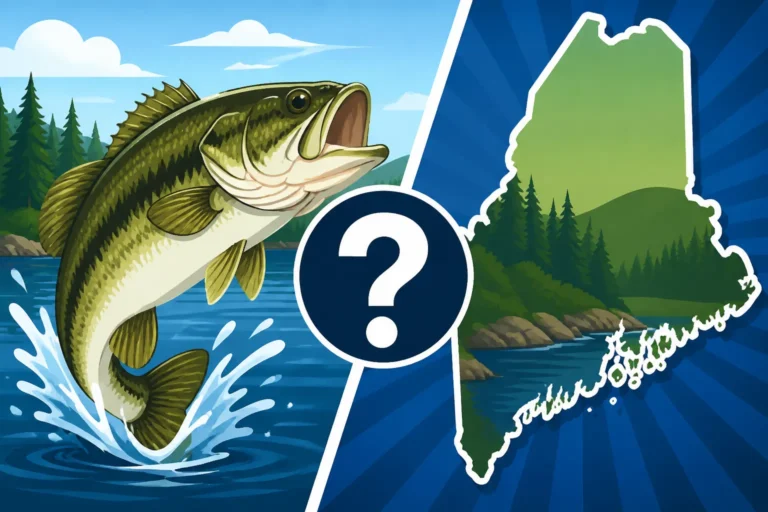
It's a question many Maine anglers, both seasoned and new, ponder when they cast a line into our beautiful lakes and rivers: are those feisty smallmouth bass truly native to our waters, or are they visitors that made Maine their permanent home? The truth, as with many things in the natural world, is more nuanced than a simple yes or no, and understanding it helps us appreciate the complexities of our fisheries and the choices that have shaped them over generations. This guide will dive deep into the history of smallmouth bass in Maine, their impact, and their undeniable place in our angling culture today.
The Arrival of Smallmouth Bass in Maine
For many of us who grew up fishing Maine's vast network of lakes, ponds, and rivers, smallmouth bass feel like they've always been here. Their aggressive strikes and powerful fights are synonymous with a perfect summer day on the water. However, the reality is that Micropterus dolomieu, the smallmouth bass, is not an indigenous species to the state of Maine. Their presence is a result of intentional introductions, a common practice in fisheries management across North America during the 19th and early 20th centuries, driven by a desire to diversify fishing opportunities and provide a robust game fish for recreational anglers.
Early Introductions and Intentions
The first significant introductions of smallmouth bass into Maine occurred in the late 1860s and early 1870s. Imagine the excitement and the ambition of those early conservationists and angling enthusiasts! They weren't just dropping fish into random ponds; they were actively trying to shape the future of sport fishing. The rationale was often straightforward: bring in a species that could thrive in waters where native trout or salmon populations might be struggling or where a new "warmwater" fishery was desired. Smallmouth bass, known for their adaptability and hard-fighting nature, seemed like a perfect candidate. They were seen as a valuable addition, capable of providing ample sport and food, especially in waters that were becoming warmer or more developed, which might not be ideal for coldwater species.
These introductions weren't always without controversy, even back then, but the prevailing sentiment was often one of progress and providing new opportunities. Fish were transported, sometimes over long distances, in what were surprisingly primitive conditions compared to today's advanced stocking trucks. Often, individuals or local fish and game clubs played a significant role, receiving shipments from states where smallmouth were abundant, like New York or Pennsylvania, and then releasing them into local lakes and rivers. A prime example of this early effort can be traced to waters like the Belgrade Lakes region, where smallmouth bass quickly found a home and began to flourish. The original intent was to create a new, exciting fishery, and in that, they certainly succeeded beyond anyone's wildest dreams.
The Spread Across Maine's Waters
Once introduced, smallmouth bass proved to be incredibly resilient and adaptable. Maine's diverse aquatic environments, with their myriad of rocky shorelines, gravel bottoms, and ample forage, were practically tailor-made for them. They colonized new waters rapidly, sometimes with further human intervention through additional stockings, but often simply by natural dispersal. River systems like the Penobscot, Kennebec, and Saco provided natural corridors for their movement, allowing them to spread far and wide. Lakes with varied depths and structures, from the massive Sebago Lake to smaller, tucked-away ponds, soon saw smallmouth bass establishing dominant populations.
Their success can be attributed to several factors. Smallmouth bass are incredibly efficient predators, preying on everything from insect larvae and crayfish to smaller fish. They are also highly tolerant of a range of water conditions, making them more adaptable than some of Maine's more sensitive native coldwater species. As these populations grew, anglers quickly discovered the thrill of catching them. The smallmouth bass quickly transitioned from an introduced novelty to a beloved staple of the Maine fishing scene. Today, you'd be hard-pressed to find a substantial lake or river in the southern and central parts of Maine that doesn't hold a healthy population of smallmouth bass, offering fantastic Smallmouth Bass Fishing in Maine. Their ability to thrive and expand has fundamentally changed the character of many of Maine's fisheries, creating a vibrant warmwater angling tradition that stands proudly alongside our renowned coldwater pursuits.
Impact on Native Ecosystems
While the introduction of smallmouth bass brought new recreational opportunities, it also brought significant ecological changes. Any time a non-native species is introduced into an established ecosystem, there's a ripple effect, and smallmouth bass were no exception. Understanding these impacts is crucial for appreciating the ongoing balancing act that Maine's fisheries managers face.
Competition with Native Species
One of the most significant concerns stemming from smallmouth bass introductions has been their competitive interaction with Maine's native fish, particularly the beloved Brook Trout Fishing in Maine and the majestic Landlocked Salmon Fishing in Maine. Smallmouth bass are voracious predators, and while they primarily consume insects and crayfish, they will absolutely prey on juvenile trout and salmon, especially in overlapping habitats. They also compete directly for food resources, like various invertebrates and baitfish, which are vital for the growth and survival of native species.
Consider a pristine coldwater stream that historically supported a robust brook trout population. If smallmouth bass are introduced or spread into the lower reaches of that stream or the lake it flows into, they can begin to exert pressure on the trout. Young brook trout, trying to grow and find food, suddenly have another, often larger and more aggressive, predator to contend with. Similarly, in large lakes that hold landlocked salmon, smallmouth can compete for forage fish like smelt, which are crucial for salmon growth. This competition isn't always overt; it's often a subtle but persistent pressure that can impact the overall health and population dynamics of native fish over time. It’s why some anglers feel a sense of responsibility to practice catch-and-release for trout and salmon while being more inclined to keep bass, especially in waters where native fish are a priority.
Shifting Fisheries Management Priorities
The ecological impacts of smallmouth bass have led to a significant evolution in how Maine's Department of Inland Fisheries and Wildlife (DIFW) approaches fisheries management. In the early days, the goal was often simply "more fish," and introductions were common. Now, the focus is much more on ecosystem health, biodiversity, and protecting native species. DIFW employs a complex array of strategies, often designating certain waters as "general law" or "special regulation" to manage different species.
For example, in many traditional coldwater fisheries, where native brook trout or wild landlocked salmon are the priority, smallmouth bass are often managed with very liberal bag limits, or even no limits, and year-round seasons. This isn't because DIFW dislikes bass, but because it recognizes their potential to impact native species. The goal in these situations is to encourage anglers to harvest bass, thereby reducing their population density and competitive pressure on the native fish. Conversely, in waters where smallmouth bass are the primary game fish and have established a healthy, balanced fishery, regulations might be more restrictive to promote larger fish and sustainable populations. This dynamic approach reflects the understanding that our fisheries are interconnected and require careful, often localized, management. It's a constant balancing act between preserving the past and embracing the present, ensuring that both native and established introduced species can thrive in their appropriate environments.
Smallmouth Bass as a Popular Game Fish
Despite their non-native status and the management challenges they present, there's no denying that smallmouth bass have carved out a truly significant niche in Maine's recreational fishing landscape. For countless anglers, both residents and visitors, chasing smallmouth bass is a highlight of their fishing season, offering action, challenge, and immense satisfaction.
Why Anglers Love Smallmouth Bass
What makes smallmouth bass so captivating? It's simple: they're incredible game fish! They are known for their aggressive strikes, often hitting a lure with a startling jolt. Once hooked, they put up a tremendous fight, often jumping clear out of the water, making powerful runs, and diving for structure. This acrobatic display and tenacious battle thrill anglers of all skill levels. They also tend to be quite plentiful in many waters, meaning a higher likelihood of success, which is always a bonus, especially for families or beginners.
Beyond the fight, smallmouth bass are also found in some of Maine's most stunning locations. Imagine casting to rocky points and submerged humps on a vast lake like Sebago or navigating a gentle river bend on the Penobscot, all while targeting these bronze beauties. They are a versatile target, too. Anglers can chase them with everything from traditional spinning gear to fly rods, using a wide array of baits and lures available from tackle shops or online retailers like Amazon. Whether you're pitching a spinnerbait into rocky cover or slowly dragging a soft plastic bait along the bottom, smallmouth bass offer diverse and engaging fishing experiences. Their willingness to bite in various conditions and their widespread availability make them an accessible and enjoyable target for nearly everyone.
Key Maine Smallmouth Bass Fisheries
Maine is blessed with an abundance of fantastic smallmouth bass waters. While they're found throughout much of the state, certain regions and specific lakes are particularly renowned for their smallmouth fishing.
Here’s a quick look at some standout locations:
| Region/Lake | Primary Appeal | Best Known For | Prime Season |
|---|---|---|---|
| Sebago Lake | Large, diverse habitat | Trophy-sized smallmouth, clear water sight fishing | Late Spring, Summer |
| Belgrade Lakes Chain | Connected lakes, varied structure | Consistent action, diverse fishing spots | Early Summer, Fall |
| Moosehead Lake | Northern giant, wild beauty | Aggressive smallmouth, remote feel | Summer, Early Fall |
| Androscoggin River | Riverine smallmouth action | Strong current fighters, scenic floats | Late Spring, Summer |
| Penobscot River | Mixed fishery, large river system | Quality smallmouth, often alongside striped bass | Summer, Early Fall |
- Sebago Lake: This massive lake is legendary for its smallmouth. Its crystal-clear waters, rocky islands, and extensive shoals provide ideal habitat for large bass. Anglers often find success targeting rocky points and structure.
- Belgrade Lakes: This chain of interconnected lakes – Great Pond, Messalonskee, Long Pond, and others – offers a diverse fishery. The varying depths and structures provide excellent opportunities for both quantity and quality smallmouth.
- Moosehead Lake: Up north, even in traditional coldwater country, Moosehead has developed a strong smallmouth fishery, especially in its warmer coves and shallower areas. These bass are known for their aggressive nature.
- Androscoggin River: This river provides fantastic smallmouth action, especially for those who enjoy kayak or canoe fishing. The river smallmouth are known for their strength and willingness to strike.
- Penobscot River: Downstream sections of the Penobscot offer excellent smallmouth fishing, often right alongside its famous striped bass run, making for a unique mixed bag opportunity.
These are just a few examples; countless other lakes and ponds, like China Lake, Cobbosseecontee Lake, and various lesser-known waters, offer phenomenal smallmouth fishing. Whether you prefer fishing from a boat, kayak, or even from shore, Maine provides incredible opportunities to connect with these popular game fish. For specific tactics, consider researching Maine Open Water Fishing Techniques Guide to maximize your success in these diverse environments.
Understanding and Managing Smallmouth Bass in Maine
Given their widespread presence and significant role in Maine's sport fisheries, understanding how smallmouth bass are managed is key for any angler. It's a testament to Maine's nuanced approach to conservation that while acknowledging their non-native status, the state also recognizes their value as a recreational resource.
Regulations and Conservation
Maine’s Department of Inland Fisheries and Wildlife (DIFW) employs a variety of regulations to manage smallmouth bass populations, reflecting the complex balance between promoting a popular game fish and protecting native species. Unlike some native fish, smallmouth bass often have more liberal regulations in many areas, particularly in waters where their numbers might outcompete native brook trout or landlocked salmon.
Here's a general overview of how regulations might differ:
- General Law Waters: In many waters, you'll find what are called "general law" regulations, which set standard season dates, bag limits, and length limits for bass. These are typically designed to maintain healthy populations and provide ample opportunity for harvest. You might see a daily bag limit of five fish, with only one over a certain length (e.g., 14 inches) to protect larger spawning fish while encouraging the harvest of smaller, more abundant bass. You can find detailed information on these general rules in the Maine Fishing Regulations Explained.
- Special Regulation Waters: In contrast, some waters, particularly those prioritized for native coldwater species, might have "special regulations." For smallmouth bass in these waters, the rules can be much more permissive, sometimes even allowing for no bag limit and no length limit. This encourages anglers to remove bass, thereby reducing competition with trout and salmon. For example, understanding Maine Bass Limit in the North Zone versus Maine Bass Limit in the South Zone can be crucial, as regulations often vary geographically based on ecosystem priorities.
- Catch-and-Release: While many anglers choose to keep smallmouth bass for the table, catch-and-release is also a popular practice, especially for those targeting larger trophy fish. DIFW supports healthy angling practices that ensure fish survival if released. Using appropriate tackle, landing fish quickly, and minimizing their time out of water are important considerations.
It's absolutely essential to check the current Maine Open Water Fishing Regulations before heading out, as rules can change and vary significantly from one body of water to another. Ignorance of the law is never an excuse, and staying informed ensures you're fishing responsibly and legally.
Coexisting with Native Species
The ongoing challenge for Maine's fisheries management is finding ways for smallmouth bass to coexist with native species, especially in areas where habitats overlap. It's a delicate dance, often requiring active management and angler participation.
One key strategy involves habitat management. Protecting and restoring coldwater refugia – areas within lakes and rivers that remain cool throughout the summer – is vital for native trout and salmon. By ensuring these critical habitats are robust, native species have a better chance to thrive even when sharing waters with bass. Additionally, active stocking programs for native species can help bolster their numbers against competitive pressures.
For anglers, understanding where and when to target certain species can also contribute to conservation efforts. If you're fishing a lake known for both smallmouth bass and landlocked salmon, being mindful of your target and the regulations associated with each can make a difference. Some anglers might choose to release all native salmon and trout while selectively harvesting bass.
The presence of smallmouth bass has undeniably shaped Maine's angling culture. They offer a dynamic and exciting fishing experience that complements the traditional pursuit of coldwater fish. Many major bass fishing tournaments, such as those held on some of the Best Lakes for Bass Tournaments in Maine, celebrate this vibrant fishery. Whether you're chasing them with a fly rod or conventional gear, using Best Bait for Smallmouth Bass in Maine or trying new Best Lures for Smallmouth Bass in Maine, smallmouth bass continue to be a significant draw. While they may not be native, they are certainly a beloved part of the Maine fishing story, and managing them wisely ensures a rich and diverse angling future for all.
Disclaimer
This article is for general informational purposes only and does not constitute professional advice. Laws, prices and regulations vary by location and change over time. Consult a qualified professional for guidance on your specific situation.