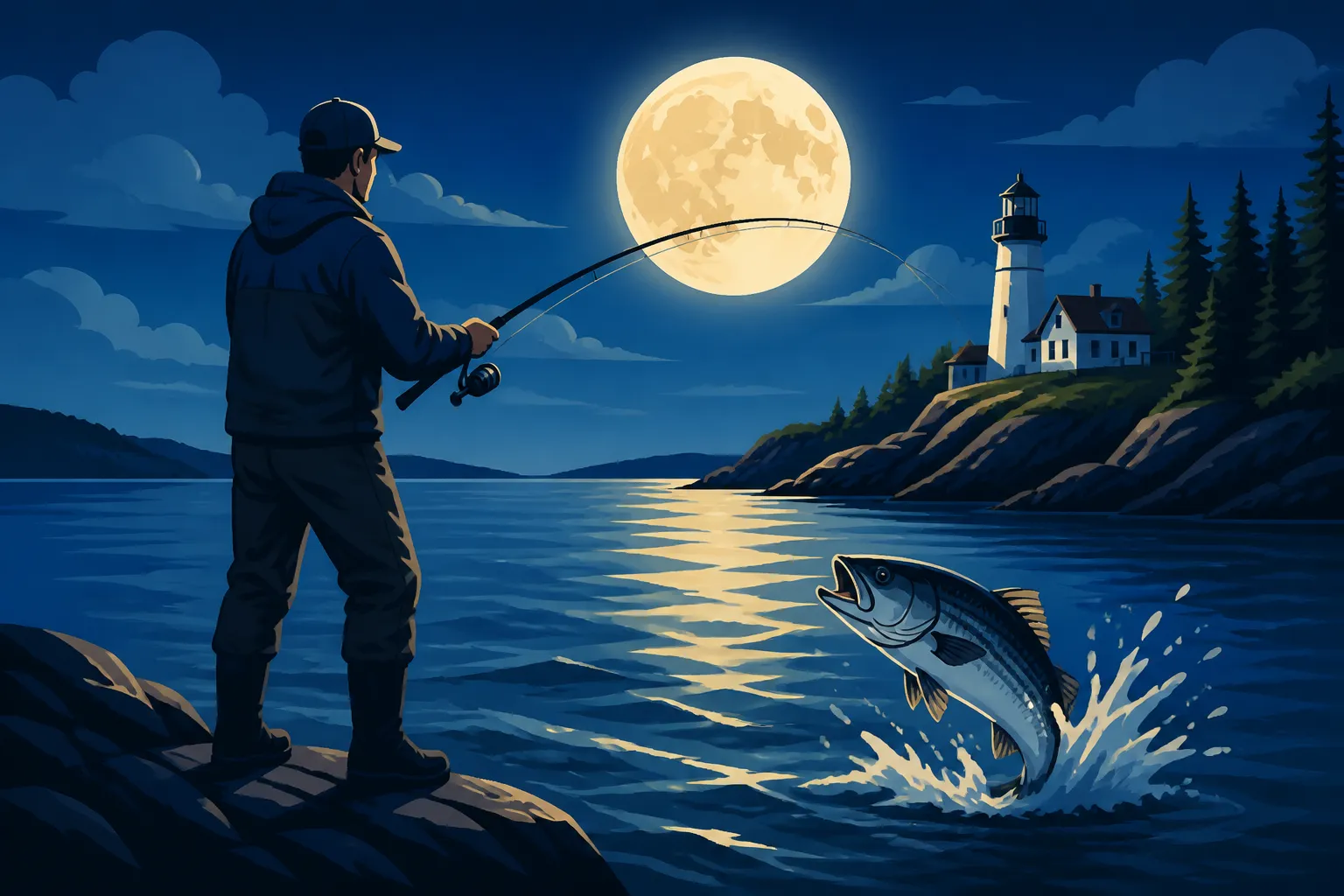
How to Fish During a Full Moon
You've probably stood on the shore or out on the lake, rod in hand, under the magnificent glow of a full moon, wondering why the fish seem to have vanished. It's a common frustration among anglers: the moonlight makes everything clear, almost mystical, yet sometimes the bite just shuts down. This guide is here to demystify fishing during a full moon in Maine, helping you understand how lunar phases impact fish behavior and, more importantly, how you can adapt your approach to make the most of these unique conditions.
Understanding the Full Moon's Influence on Fish Behavior
The full moon, with its intense light and gravitational pull, doesn't just look pretty in the night sky; it actively influences the world beneath the water's surface. Many anglers swear by certain moon phases, while others find the full moon to be a time of mystery and challenge. The truth is, it's a bit of both, and understanding why fish react differently is the first step to unlocking success.
When the moon is at its fullest, its gravitational pull on Earth is at its strongest, leading to more pronounced tides in saltwater environments. This isn't just a coastal phenomenon, though; even inland lakes and rivers experience subtle shifts in water movement and pressure. But it's not just gravity; the sheer amount of light cast by a full moon, even at night, plays a huge role in how fish feed, hide, and move.
Lunar Phases and Tidal Swings
For those fishing Maine's vast coastline, from Kittery to Lubec, the full moon's impact on tides is undeniable. We're talking about higher high tides and lower low tides, creating stronger currents and more dramatic water movement. This can feel like a double-edged sword: on one hand, those strong currents can disorient baitfish and wash more food into the strike zone, potentially triggering a feeding frenzy. On the other hand, navigating these powerful currents, especially in a smaller boat or from shore, can be downright challenging.
Fish, particularly predatory species like striped bass, are highly attuned to these tidal changes. They'll often position themselves in ambush points where the current concentrates bait or offers an easy meal. Knowing your tides and how they're amplified during a full moon is critical. Don't just check the general tide chart; look for "spring tides" which are characteristic of full and new moons. This intense push and pull of water can invigorate a fishing spot, but you need to be ready to adjust your presentation to match the speed of the flow. For more specific information on coastal fishing, check out How to Read Tides for Striped Bass Fishing.
The Bright Night Advantage (and Disadvantage)
Beyond the tides, the most obvious effect of a full moon is the abundant natural light it provides, even at midnight. For many species, especially those that typically feed in low light or at night, this can be a huge advantage. Imagine a smallmouth bass or a landlocked salmon seeing its prey more clearly under the moonlight, extending its feeding window. This often means fish might be more active throughout the night, leading to a slower bite during the day immediately following a full moon.
This is where the frustration really sets in for many anglers. You head out at dawn, expecting the usual morning bite, only to find the fish sluggish and uninterested. It’s because they might have already gorged themselves under the bright moon all night long. This "bright night disadvantage" for daytime fishing needs to be respected. It doesn't mean fish won't bite; it just means you need to work harder, adjust your tactics, and perhaps target different times or deeper waters. On the flip side, if you're willing to brave the night, that same bright moon can offer some incredible and unique fishing opportunities.
Adjusting Your Strategy for Freshwater Fishing Under a Full Moon
Freshwater fishing in Maine, whether on the vast expanse of Moosehead Lake or a quiet Aroostook County pond, also feels the lunar influence, albeit differently than the coast. Here, the tidal pull is negligible, but the light factor becomes paramount. Anglers often report that major feeding windows shift, and fish might behave differently than during a new moon or quarter moon phase.
Targeting Nocturnal Feeders
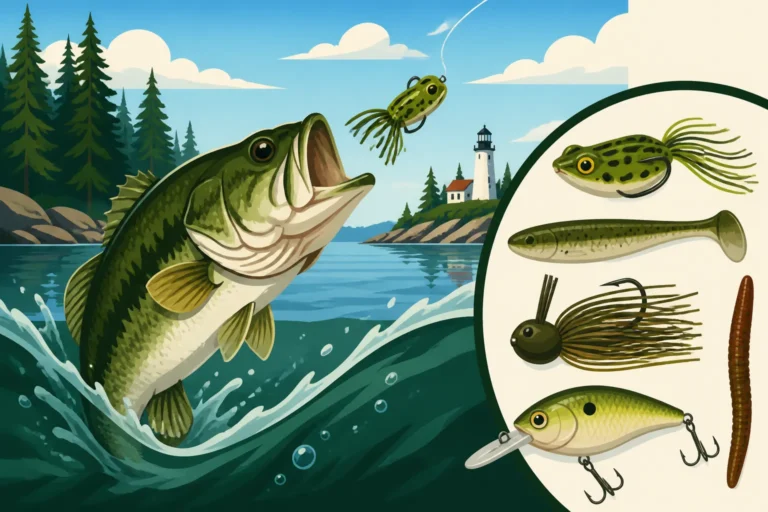
During a full moon, many freshwater species that are typically active during daylight hours might extend their feeding into the night, or even switch to a predominantly nocturnal pattern. Bass, especially largemouth, are notorious for this. Under the cloak of night, illuminated by the moon, they become bold hunters, ambushing baitfish or frogs. Trout and salmon can also be more active in the low light, particularly in shallow areas where they might feel more exposed during bright daylight.
To target these nocturnal feeders, you'll want to focus on baits and lures that rely on sound, vibration, and silhouette rather than color. Dark-colored topwater lures that create a strong disturbance are excellent for bass. Jigs with soft plastic trailers, slowly worked along drop-offs or weed edges, can also be incredibly effective. For trout and salmon, minnow imitations or even larger nymph patterns, fished on a swing or drift, can trigger strikes. Make sure your gear is set up for low-light conditions; a good headlamp is essential, but try to use it sparingly once your lines are in the water. For more insights into fishing after dark, our guide on Maine Night Fishing Techniques offers some great advice.
Daytime Challenges and Solutions
The flip side of increased nocturnal activity is often a sluggish daytime bite. If fish have been feeding heartily all night under the full moon, they might be less inclined to chase your offerings during the day. This doesn't mean you should pack up and go home, but it does mean a change in strategy is in order.
- Go Deeper: Fish often retreat to deeper, cooler, and darker waters during the day after a full moon night. For lake species like togue or landlocked salmon, this means adjusting your trolling depths or jigging presentations. Consider downriggers or lead core line to get your bait down to where these fish are holding. How Deep Should You Troll for Salmon in Summer? and Why Do Trout Go Deep in Summer Heat? are excellent resources for understanding this behavior.
- Slow Down: Aggressive retrieves might not be the ticket. Instead, try a slower, more methodical presentation. Work jigs deliberately along the bottom, or drift live bait with minimal weight. Sometimes, a subtle flutter is all it takes to entice a reluctant fish.
- Seek Shade: Look for areas with natural cover that offer shade, like overhanging trees, docks, or deep weed beds. These spots provide refuge from both predators and bright light, making them potential holding areas for resting fish.
- Change Bait: If your usual lures aren't working, switch it up. Sometimes a different profile, a more natural bait, or something with a strong scent can make all the difference. Check out local bait shops for what's currently working, or explore options on Amazon for scent additives or different soft plastics.
Strategies for Saltwater Angling During a Full Moon
Maine's coastal waters offer some incredible fishing opportunities, and a full moon can either supercharge them or make you scratch your head in confusion. The key difference here is the undeniable power of the tides. When the moon is full, those tides are exaggerated, creating a dynamic environment that striped bass, bluefish, and other coastal species instinctively respond to.
Harnessing Stronger Tides and Currents
The spring tides associated with a full moon mean stronger currents, which can be both a blessing and a curse. For striped bass, these strong currents often mean increased feeding activity. The moving water disorients baitfish, pushes forage out of hiding, and creates ideal ambush points for predators. Your job as an angler is to understand these currents and use them to your advantage.
- Find Current Breaks: Look for structures that break the current – rocks, ledges, points, bridge pilings, and even submerged humps. Fish will sit in the eddy lines or behind these structures, expending less energy while waiting for food to be swept by. Casting into the current and letting your lure or bait swing into these calmer pockets can be deadly effective.
- Adjust Weight and Presentation: With stronger currents, you'll need heavier jigs, sinkers, or more robust tackle to get your bait down to the strike zone and keep it there. If you're fishing bait, a three-way swivel rig can help keep your offering stable. When throwing artificials, choose lures designed for current, like bucktail jigs or heavier swimbaits that can be worked without washing out too quickly. For more guidance, see Best Tide for Striped Bass Fishing in Maine.
- Consider Kayak Fishing: For those who enjoy kayak fishing, navigating strong currents can be challenging, but it also opens up opportunities to drift through productive zones where powerboats might struggle. Just ensure you're equipped with appropriate safety gear and a solid anchoring system.
Nighttime Striped Bass and Coastal Opportunities
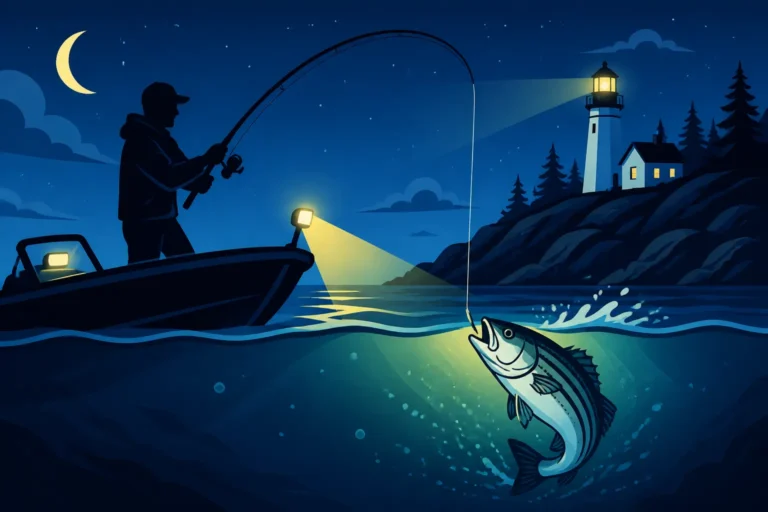
The full moon truly shines (pun intended!) for saltwater night fishing, especially for striped bass. These nocturnal predators become highly active under the moonlight, using the increased visibility to hunt baitfish. Many trophy-sized stripers are caught after dark, and a full moon can provide just enough light for them to feed aggressively.
- Topwater Action: Few things are as exciting as a big striper blowing up on a topwater lure under the glow of the moon. Large poppers, walk-the-dog baits, and even pencil poppers can be incredibly effective. The silhouette of the lure against the moonlit sky, combined with the commotion on the surface, can be irresistible.
- Soft Plastics and Eels: When stripers are a bit deeper or more finicky, soft plastic paddle tails or even live eels (if legal in your area and you know how to handle them) can be highly productive. Cast them near structure, riprap, or jetties where baitfish congregate. Remember to work them slowly and deliberately.
- Stealth is Key: While the moon provides light, fish can still be spooked by bright headlamps or excessive noise. Use red light on your headlamp when possible, and approach your fishing spots quietly.
- Safety First: Fishing at night, especially on the coast, demands extra vigilance. Always fish with a buddy if possible, wear a life vest, carry a fully charged phone, and be aware of changing tides and conditions. Our Best Gear for Night Fishing article has additional recommendations.
Essential Gear and Safety Considerations
Fishing under a full moon, whether by day or night, requires some specific gear adjustments and a keen eye on safety. Don't let the magic of the moonlight distract you from being prepared.
Low-Light Lures and Baits
When the moon is bright, or if you're fishing in twilight hours leading up to or following the moon's peak, selecting the right lures is crucial. Fish will rely more on other senses when light is limited.
- Dark Silhouettes: Black, dark blue, or purple lures often stand out best against a moonlit sky or in low-light conditions. They create a strong silhouette that fish can easily track. Think about dark-colored topwater plugs or large soft plastics. You can find a fantastic selection of these on Amazon, often with glowing or UV features.
- Vibration and Sound: Lures that displace a lot of water or emit noise are excellent. Rattle traps, spinnerbaits (especially those with large thumping blades), and noisy topwater plugs can attract attention when visual cues are limited.
- Scented Baits: For freshwater, adding scent to your soft plastics or using natural baits like nightcrawlers or shiners can be a game-changer. For saltwater, fresh bunker, mackerel, or clam chunks can draw in stripers from a distance. Consider some of the new scented artificial baits available, many of which are reviewed and sold widely online.
- Glow-in-the-Dark / UV Lures: Some lures incorporate glow-in-the-dark or UV-reactive pigments. While these can be effective, don't rely solely on them. Natural presentation and targeting the right areas are still paramount.
Night Fishing Safety and Preparedness
Even with the benefit of moonlight, fishing at night carries inherent risks. Being prepared is not just good practice; it's essential.
- Lighting: A reliable headlamp with fresh batteries (and spares!) is your most important piece of gear. Consider one with a red light option, which preserves your night vision better and is less disruptive to fish. Handheld spotlights can be useful for spotting distant markers or navigating.
- Communication: Always tell someone where you're going and when you expect to return. Carry a fully charged cell phone in a waterproof case, and if you're on the water, consider a VHF radio.
- Navigation: If you're on a boat, ensure your navigation lights are working, and have a reliable GPS or charts (and know how to use them). Familiarize yourself with the area during daylight hours before attempting to navigate it at night.
- Appropriate Clothing: Nights can get surprisingly cold in Maine, even in summer. Dress in layers, and consider waterproof outer shells. A life vest is non-negotiable for anyone on the water at night.
- First Aid Kit: Accidents happen. A well-stocked first aid kit should be part of your essential gear, both for day and night trips.
- Fishing with a Buddy: Whenever possible, fish with a friend. There's safety in numbers, and it's always more fun to share the experience. Learn more about staying safe in our Safety Tips for Fishing Alone in Maine article.
Here's a quick comparison of full moon fishing strategies:
| Aspect / Species | Daytime Full Moon Strategy | Nighttime Full Moon Strategy | Key Gear Considerations |
|---|---|---|---|
| Freshwater Trout/Salmon | Deeper water, slow presentations, small subtle baits. | Dawn/Dusk focus, minnow imitations, flies (nymphs/streamers). | Light spinning gear, fly rods, sensitive bite indicators. |
| Freshwater Bass | Seek shade, heavy cover, slow jigs/worms, small crankbaits. | Topwater lures (dark colors), swimbaits, large soft plastics. | Baitcasting/spinning rods, headlamp, noisy/vibrating lures. |
| Saltwater Striped Bass | Find current breaks, heavier jigs, live bait (eels/mackerel). | Topwater plugs (dark colors), eels, large soft plastics. | Heavy spinning/casting gear, surf rods, strong leaders. |
| General Approach | Slower retrieves, precise targeting, patience. | Aggressive retrieves, sound/vibration focus, stealth. | Headlamp, extra batteries, glow lures (optional). |
Fishing under a full moon is less about magic and more about understanding the environmental changes it brings. By adapting your tactics for light conditions and tidal shifts, you can turn a potentially frustrating trip into a memorable one, catching fish when others might be scratching their heads. So, embrace the lunar glow, adjust your approach, and enjoy the unique challenges and rewards that a full moon brings to Maine's waters.
Disclaimer
This article is for general informational purposes only and does not constitute professional advice. Laws, prices and regulations vary by location and change over time. Consult a qualified professional for guidance on your specific situation.