Does Moosehead Lake Freeze Over for Ice Fishing?
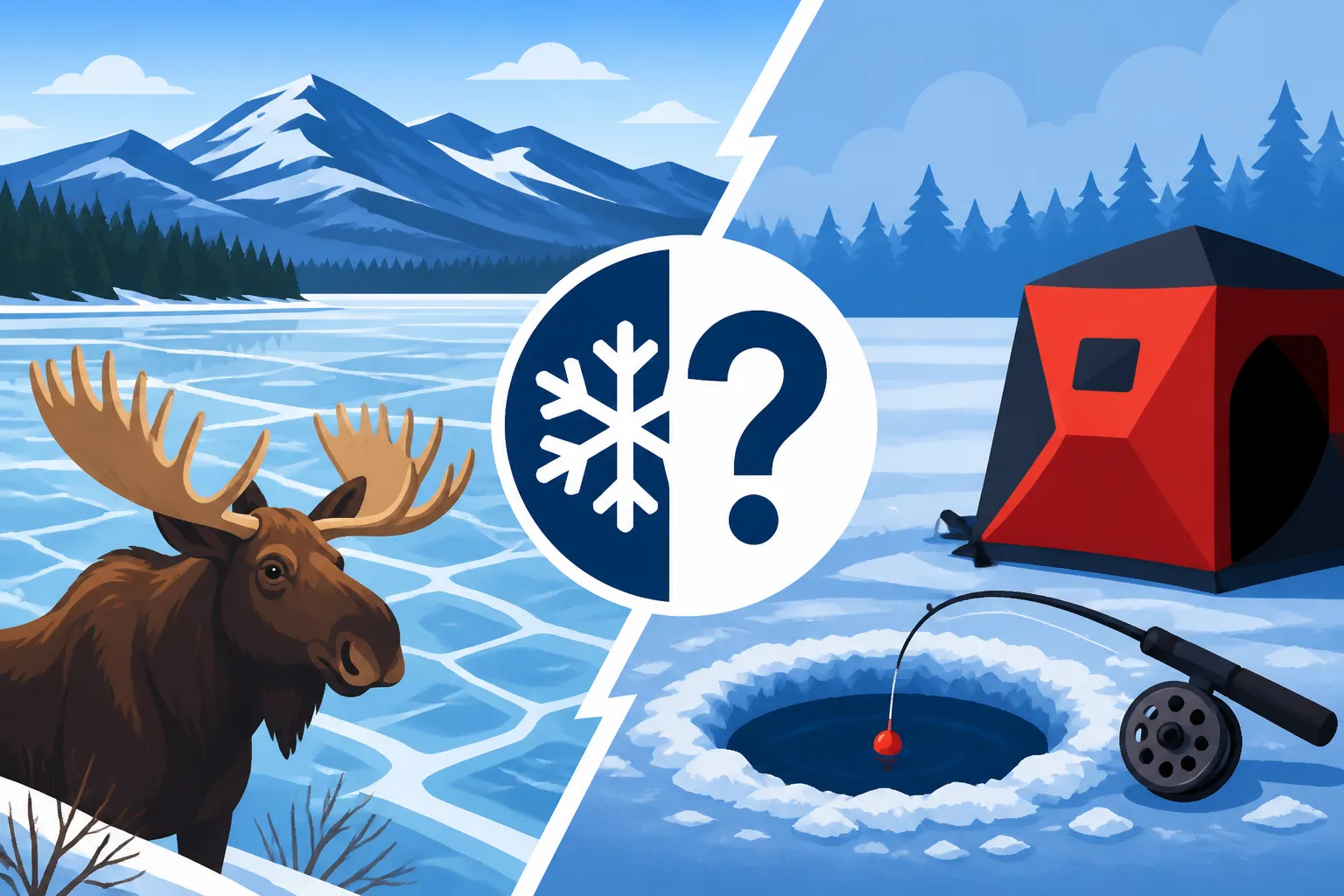
For anyone dreaming of battling a hefty togue or a feisty brook trout through the ice, the thought of fishing one of Maine's largest and most iconic lakes, Moosehead Lake, naturally comes to mind. But the sheer size of it often leads to a common, yet entirely valid, question: Does Moosehead Lake actually freeze over enough for safe ice fishing? It's a fair concern, given its vast expanse and the deep, cold waters it holds. This guide will thoroughly address that question, providing you with everything you need to know about ice formation, safety, and enjoying a successful hardwater season on this magnificent body of water.
Understanding Moosehead Lake's Ice Dynamics
Moosehead Lake is an immense natural resource, stretching over 40 miles long and reaching depths of more than 200 feet in some areas. Its sheer scale plays a significant role in how and when it freezes, making it a different beast to tame compared to smaller, shallower ponds. You might hear old-timers grumbling about how the winters "aren't what they used to be," and while global patterns do have an impact, Moosehead's fundamental characteristics still dictate its ice behavior.
Factors Influencing Ice Formation and Thickness
The formation and stability of ice on a body of water as large and deep as Moosehead Lake are influenced by a complex interplay of environmental factors. It's not as simple as just "cold weather"; there's a science to it, and understanding it can greatly enhance your safety and success.
First and foremost, air temperature is the obvious primary driver. Sustained periods of sub-freezing temperatures are essential for the lake's surface to begin to cool sufficiently and form an initial skim of ice. However, because Moosehead holds such a massive volume of water, it takes a lot longer for its thermal mass to drop to freezing compared to smaller lakes. Imagine trying to cool a swimming pool versus a kiddie pool – same principle applies. Wind is another huge factor; constant wind churns the surface water, preventing a stable ice sheet from forming even when temperatures are well below freezing. This is particularly noticeable on the wide-open expanses of the southern end of the lake. Snowfall also plays a double-edged role. Early season snow can insulate the water, slowing the freezing process by preventing further heat loss. However, once a solid ice sheet has formed, snow acts as an insulator, protecting the existing ice from melting during warmer spells and contributing to a more consistent ice thickness over time. Currents, especially near inflows and outflows from rivers like the Moose River, can create thin spots or areas of open water even in the coldest parts of winter. Always be vigilant near these areas, as they are notorious for unpredictable ice conditions.
Historical Trends in Ice-Over and Ice-Out Dates
While exact dates vary wildly year to year, historical data gives us a pretty good average of when Moosehead Lake typically freezes over and when it experiences its "ice-out." Generally, you can expect the smaller, shallower coves and bays to start freezing solid much earlier, usually by mid-December. The vast main body of the lake, however, often doesn't become completely safe for widespread ice fishing until late December or even well into January. It's a waiting game, and patience is definitely a virtue for Moosehead ice anglers. The ice-out, on the other hand, usually occurs in late April or early May, making for a relatively long ice fishing season once it's truly locked up. For instance, in 2023, the full ice-over wasn't declared until mid-January, and the ice-out came in the first week of May. This variability means you can't rely solely on calendar dates; constant monitoring of local conditions is absolutely essential. The Maine Department of Inland Fisheries and Wildlife (MDIFW) often provides updates, and checking in with local bait shops or guide services is a great way to get real-time intelligence.
The Reality of Ice Fishing on Moosehead Lake
Let's cut right to the chase: Yes, Moosehead Lake absolutely freezes over for ice fishing. In fact, it's one of Maine's premier destinations for hardwater anglers, drawing folks from all over New England and beyond. The lake offers exceptional opportunities for catching trophy landlocked salmon, lake trout (which Mainers lovingly call togue), and brook trout, making the often-long wait for safe ice entirely worth it.
The Timing of Safe Ice
Determining when Moosehead Lake has "safe ice" is paramount, and it's a process that unfolds in stages. The smaller, more sheltered coves and shallow areas, particularly those in the northern reaches of the lake or protected from strong winds, will lock up first. These might include places like Lily Bay or portions of the lake near Rockwood. These areas might be fishable by late December, but even then, caution is your best friend. The vast, deep main basin, with its constant currents and exposure to wind, takes significantly longer. It's not uncommon for the broad central and southern sections to not achieve truly safe ice until mid-January, sometimes even later. The common wisdom is that you need at least 4 inches of clear, solid ice for safe foot travel, and double that for snowmobiles or ATVs. Always remember, ice thickness is rarely uniform, especially on a lake of this size. What's safe near shore might be dangerously thin just a few yards out, particularly over drop-offs or near current flows. Never assume; always check the ice as you go.
To give you a general idea, here's a typical progression:
| Period | Ice Condition (General) | Activity Level (Main Lake) |
|---|---|---|
| Early Dec | Minimal to no ice on main lake, thin skim in sheltered coves. | Unsafe for all ice travel. |
| Mid-Dec | Sheltered coves begin to form fishable ice (4-6"). Main lake still open or very thin. | Limited, highly cautious foot travel in specific coves. |
| Late Dec | Most coves have safe ice. Main lake starts to form thicker ice (6-10"). | Increased foot travel in coves. Main lake access for snowmobiles/ATVs becoming possible but still risky in spots. |
| Jan – Early Mar | Peak ice season. Main lake has solid, widespread ice (12-24"+). | Full range of ice fishing activities, including vehicles. Best time for exploring the whole lake. |
| Mid-Mar – April | Deteriorating ice. Edges weaken, pressure ridges form, soft spots appear. | Extreme caution advised. Foot travel only in most areas. Vehicles highly discouraged. |
| Late April – May | Ice-out. Breakup, open water. | Unsafe. |
Note: This table is a generalization. Actual conditions vary annually and locally on the lake.
Typical Ice Fishing Season in the Region
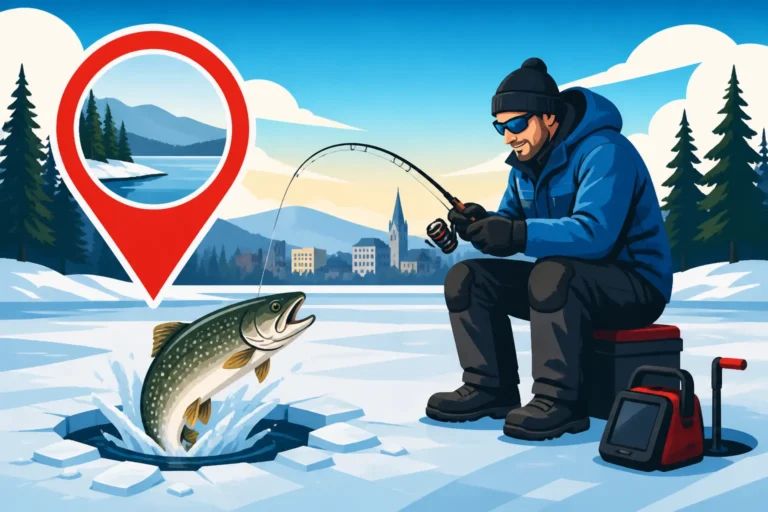
Once Moosehead Lake has truly frozen over, the ice fishing season typically runs strong through February and into early March. This is the prime window when you'll see a vibrant community of anglers spread out across the ice, their colorful shacks dotting the vast white landscape. For many, it's a social event as much as a fishing trip, with friends and families gathering, grilling, and sharing stories over their tip-ups.
The MDIFW sets the general Maine Fishing Season Dates Guide which usually means ice fishing continues until March 31st for most waters, though some specific waters may have earlier closures. It's absolutely crucial to check the specific regulations for Moosehead Lake each year, as special rules can apply, particularly concerning certain fish species or methods. Many anglers will head out at dawn, setting up their arrays of tip-ups, often aiming for the famed togue that lurk in the deeper waters. Others might jig for brook trout in shallower areas or target landlocked salmon in areas where they are known to cruise. For those looking to maximize their chances, especially on such a large lake, resources like FishingBooker can help connect you with experienced local guides who know the nuanced conditions and hot spots. They can ensure you're fishing safely and effectively.
Safety First: Navigating Moosehead Lake's Ice
Ice fishing on Moosehead Lake is an incredible experience, but its size and dynamics demand an unwavering commitment to safety. Negligence can quickly turn a memorable trip into a dangerous situation. Think of ice safety as a universal rule, no matter how seasoned you are.
Recognizing Unsafe Ice Conditions
Identifying and avoiding unsafe ice is perhaps the most critical skill for any ice angler on Moosehead. Simply put, not all ice is created equal. Clear, solid, "black" ice is generally the strongest. It forms slowly and densely. However, watch out for "white" or "snow" ice, which is weaker because it's formed from refrozen slush and snow; it takes significantly more thickness of white ice to be as strong as clear ice. The biggest culprits for unsafe conditions on Moosehead are often related to its size and underlying hydrology. Current areas, such as where the Moose River flows in or out, or near deep springs, can create pockets of dangerously thin ice or even open water, even in the dead of winter. Always give these areas a wide berth. Pressure ridges, which are created when large sheets of ice push against each other, can form cracks and unstable zones. They often look like raised lines or jagged breaks in the ice. While they can be fascinating formations, they are not to be trusted for travel. Additionally, slush pockets, often hidden under a layer of fresh snow, can trap you or even lead to breakthrough, especially for vehicles. Before stepping onto the ice, or venturing into a new area, always use an ice chisel or spud bar to test the thickness as you go. Don't rely solely on tracks from others; conditions can change rapidly. Remember, the MDIFW strongly recommends at least 4 inches of clear, solid ice for safe walking, 5-7 inches for a snowmobile or ATV, and 8-12 inches for a car or small pickup truck. Always err on the side of caution.
Essential Gear and Practices for Ice Safety
Beyond recognizing unsafe ice, carrying the right safety gear and practicing smart habits are non-negotiable. This isn't just about personal protection; it's about being prepared to help others, too.
First, invest in a good set of ice picks, worn around your neck so they are easily accessible if you do break through. These simple tools can be the difference between pulling yourself out and succumbing to hypothermia. A throw rope (at least 50 feet long) is another essential for any group. If someone breaks through, you can toss them the rope from a safe distance without putting yourself at risk. Always go with a buddy or tell someone where you're going and when you expect to return. This is particularly important on a lake as vast and remote as Moosehead. Dress in layers, avoiding cotton, which loses its insulating properties when wet. Wool or synthetic base layers are ideal. A float suit or insulated ice fishing suit offers warmth and buoyancy in case of a fall through. A GPS device or a fully charged phone with mapping capabilities can be a lifesaver, especially on whiteout days when landmarks disappear. It's easy to get disoriented on Moosehead's vast expanse. Don't forget your Maine Fishing License Guide and to check the Maine Ice Fishing Rules Guide beforehand. Lastly, if you're venturing out onto Moosehead, consider hiring a Registered Maine Guide, especially if you're new to the lake or ice fishing. They provide invaluable local knowledge and prioritize your safety above all else. This way, you can focus on the fishing and the beauty of the frozen lake without the constant worry.
Planning Your Moosehead Lake Ice Fishing Adventure
With the confidence that Moosehead Lake does indeed freeze over, and a solid understanding of safety, it's time to think about the fun part: planning your trip! This is where the magic of Moosehead truly shines, offering diverse opportunities for different types of anglers.
Popular Spots and Species to Target
Moosehead Lake is renowned for its cold-water fishery, making it a prime destination for those seeking a true Maine ice fishing experience. While the entire lake offers potential, certain areas are historically more productive or accessible for specific species.
For the magnificent Togue (Lake Trout), you'll want to target the deeper sections of the main lake. Areas around Kineo, Lily Bay, and the deep basin near Greenville are often popular. Togue tend to suspend at various depths, so using a fish finder to locate schools of baitfish or the thermocline can be incredibly effective. Traditional jigging techniques with spoons or live bait like smelts are highly successful. Don't be surprised if you hook into a true monster; Moosehead is known for its trophy togue. If you're looking for Moosehead Lake Togue Fishing Spots in Maine, a local guide can point you to the most productive drop-offs and humps.
Landlocked Salmon are another prized catch. These powerful fish cruise the upper water column, often near points, inlets, or over rocky structures where baitfish congregate. You might find them in areas like Burnt Jacket, or the mouths of larger coves. Tip-ups rigged with live smelts are a classic method, as are quick jigging presentations. They put up an incredible fight, often leaping clear of the hole, making for an unforgettable experience.
For Brook Trout, often found closer to shore or in shallower coves and bays, smaller jigs tipped with bait or even a single worm can be very effective. Look for areas with structure, such as submerged timber or rocky ledges. These beautiful native fish, while often smaller than their salmonid cousins, are a delight to catch and are a true symbol of Maine's pristine waters. Other species like Cusk (Burbot) are often caught while targeting togue in the deeper waters, and make for a surprisingly good fight and excellent table fare. Regardless of what you're targeting, make sure your Maine Fishing Regulations Explained are fresh in your mind to ensure you're compliant with bag limits and length requirements.
Regulations and Resources for Ice Anglers
Before you even pack your auger, understanding and adhering to Maine's fishing regulations is absolutely non-negotiable. The rules are in place to protect the fishery and ensure its sustainability for future generations.
The Maine Department of Inland Fisheries and Wildlife (MDIFW) publishes a comprehensive rulebook each year, available online and at most license vendors. This guide outlines everything from general law to specific rules for individual lakes, which can vary significantly. You'll need a valid Maine Fishing License Guide, of course. Additionally, pay close attention to the Maine Ice Fishing Line Limits. While open water fishing generally allows two lines, ice fishing often has different allowances, typically up to five lines per angler, but this can change. It's also important to know the rules for your ice fishing shack, including the Ice Fishing Shack Removal Rules which dictate when shacks must be removed after ice-out to prevent them from becoming hazards or pollution.
Beyond the official regulations, local knowledge is an invaluable resource. The communities around Moosehead Lake, such as Greenville and Rockwood, have bait shops and outfitters where you can get real-time ice reports, find the best local baits, and get tips on current hot spots. Consider checking in with establishments like Northwoods Outfitters in Greenville for gear and up-to-date info. Local Registered Maine Guides, many of whom are listed on platforms like FishingBooker, specialize in ice fishing and can provide an unparalleled experience, especially if you're unfamiliar with the lake's vastness or unique challenges. They'll know precisely where the fish are biting, which areas to avoid due to thin ice, and how to stay safe and comfortable in winter conditions. Planning your trip well in advance, especially if you intend to hire a guide or stay at a popular sporting camp, is always a good idea, as these services book up quickly during peak season.
Disclaimer
Please remember that ice conditions are dynamic and can change rapidly due to weather fluctuations, currents, and natural phenomena. Always exercise extreme caution when venturing onto any ice, and continuously assess the conditions yourself. This guide provides general information and recommendations; however, it is your sole responsibility to ensure your safety and adhere to all local regulations. Neither the author nor the platform assumes any liability for accidents or injuries sustained while ice fishing. Stay safe out there!