Handicap Accessible Fishing Spots in Maine
For many folks who love the outdoors and the peace of fishing, finding a spot that’s truly accessible can feel like a constant uphill battle. It’s frustrating when you just want to cast a line and enjoy the serenity, but you're met with uneven terrain, narrow paths, or unaccommodating facilities. This guide is here to cut through that frustration, helping you discover genuine handicap accessible fishing spots in Maine, ensuring everyone has the chance to experience the joy of a perfect day by the water.
The Importance of Accessible Fishing Opportunities
Fishing isn't just a pastime; it's a vital connection to nature, a source of peace, and for many, a deeply cherished tradition. However, the reality is that many traditional fishing spots, with their rocky shorelines, steep banks, and unpaved trails, are simply not built for everyone. This can be incredibly disheartening for anglers with mobility challenges, those using wheelchairs, or even families with strollers who want to introduce their kids to the sport. The lack of proper infrastructure shouldn't be a barrier to enjoying Maine's incredible waters.
Why Accessibility Benefits Everyone
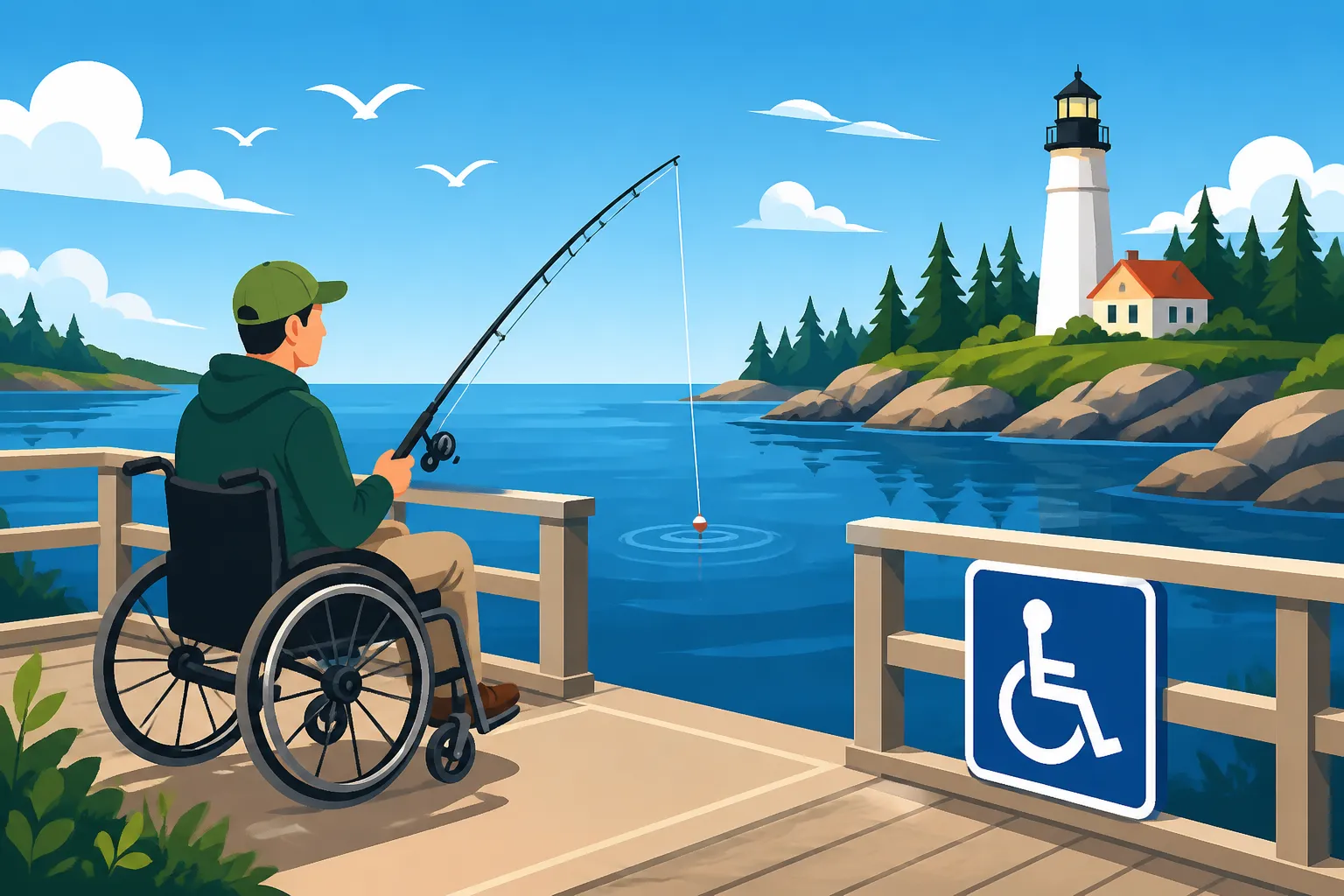
When we talk about accessible fishing, it's easy to think it only benefits a small segment of the population. But in truth, improved accessibility creates a better experience for all anglers. Imagine a paved pathway leading to a sturdy, wide fishing platform with railings – that's not just great for someone in a wheelchair, it's also safer for young children, easier for seniors, and more comfortable for anyone hauling a cooler and tackle box. Universally designed spaces mean fewer trips, better views, and a more relaxed environment for everyone. It shows that our natural resources are truly for everyone to enjoy, fostering a more inclusive and welcoming outdoor community across the state. This mindset shifts from "special access" to "inclusive design," making Maine's beautiful fishing spots more inviting for families and friends to make memories together.
Overcoming Common Obstacles to Accessible Fishing
The challenges are real: uneven ground, lack of accessible restrooms, no designated parking, or platforms that are too high to safely cast from. These aren't minor inconveniences; they're deal-breakers that can turn a planned relaxing day into a stressful ordeal. One of the biggest frustrations is often a lack of clear, up-to-date information. Websites might list a spot as "accessible" without specifying how accessible it truly is, leading to wasted trips. We need accurate details about features like paved paths, ramp slopes, dock heights, and accessible restroom availability. Understanding these details upfront is critical to planning a successful and enjoyable fishing excursion, rather than arriving only to find the spot unsuitable for your needs.
Discovering Truly Accessible Fishing Locations Across Maine
Maine is slowly but surely expanding its network of truly accessible fishing locations, thanks to efforts from the Maine Department of Inland Fisheries and Wildlife (MDIFW) and local community initiatives. While not every spot is perfectly ADA compliant, many offer features that significantly improve access. Here, we'll dive into some notable locations that go above and beyond to welcome all anglers. Remember, conditions can change, so it's always a good idea to call ahead to a local ranger station or visitor center if you have specific concerns about a site's current status.
Southern Maine Accessible Piers and Shoreline Access
Southern Maine, with its bustling towns and beautiful coastline, offers several spots designed with accessibility in mind. These locations are often well-maintained and close to other amenities.
East Point Sanctuary, Biddeford Pool
Located in Biddeford, the East Point Sanctuary, managed by the Maine Audubon, offers a wonderfully accessible experience. While primarily known for birdwatching, its paved loop trail is wide and flat, providing easy access to views of the ocean and rocky shoreline. There are several spots along the trail where you can fish from sturdy, level ground, often from a small, accessible platform overlooking the water. You’ll find accessible parking and restrooms, making it a very family-friendly option. It's a great spot for saltwater fishing, targeting species like mackerel or pollock, especially during high tide. The serene environment and smooth pathways really make a difference here. For specific saltwater regulations, it’s always wise to check the Maine Saltwater Fishing Registry Guide requirements.
Wells Harbor Park, Wells
Wells Harbor Park is a fantastic resource for accessible fishing. It features a fully accessible fishing pier that extends into the tranquil harbor waters. The pier is wide, has sturdy railings, and is typically at a good height for casting. You’ll find paved parking close by, and usually accessible restrooms are available in the park area. This spot is perfect for families and anglers of all abilities looking to catch mackerel, cunners, or even flounder. The calm waters of the harbor provide a safe and enjoyable environment, and it's a great place to spend an afternoon enjoying the coastal breeze. For those considering a guided trip, companies sometimes offer accessible options, and platforms like FishingBooker can help you find charter services that cater to specific accessibility needs right in the Wells area.
Bug Light Park, South Portland
Bug Light Park in South Portland offers more than just scenic views of Portland Harbor. While the main attraction is the picturesque lighthouse, the park features paved paths that are generally flat, leading to accessible fishing areas along the waterfront. There’s a sturdy breakwater and various spots along the paved perimeter where you can safely cast a line into the harbor. This location provides opportunities for catching mackerel, pollock, and occasionally striped bass. Ample accessible parking and public restrooms are typically available, making it a convenient spot for a day trip. It's a popular local spot, and the smooth, wide paths make navigation easy for everyone.
Central and Midcoast Maine Accessible Lakes and Rivers
Moving inland and up the coast, Central and Midcoast Maine offer quieter, freshwater opportunities with accessibility in mind.
Cobbosseecontee Lake, Manchester (Monks Hill Public Boat Launch)
For freshwater enthusiasts, the Monks Hill Public Boat Launch on Cobbosseecontee Lake in Manchester has invested in accessibility. This launch often features a paved parking area and an accessible path down to the dock. While it's primarily a boat launch, the dock itself can provide a stable platform for fishing, particularly for species like smallmouth bass, largemouth bass, and various panfish. It's an excellent example of how existing infrastructure can be adapted to be more inclusive. Checking local conditions for Cobbosseecontee Lake Bass Fishing Spots can help you plan your visit even better. This spot truly exemplifies how local improvements can open up fantastic fishing opportunities.
Damariscotta Lake State Park, Jefferson
Damariscotta Lake State Park provides not only a beautiful sandy beach but also accessible fishing opportunities. The park typically maintains accessible pathways leading to areas near the shore where fishing is permitted. While not a dedicated fishing pier, the ease of access to the water's edge in a calm, controlled environment makes it suitable for many. You can target species like smallmouth bass, perch, and even a chance at landlocked salmon. Accessible restrooms and parking are generally available at the state park. This park provides a wonderful natural setting for a relaxing day of fishing and picnicking. For understanding general state park rules and Maine Fishing Regulations Explained, the park office can be a great resource.
Northern and Western Maine Accessible Wilderness Access
Even in Maine's more rugged northern and western regions, efforts are being made to provide accessible experiences, often through improved infrastructure at popular access points.
Moosehead Lake, Greenville (Lilly Bay State Park)
At the majestic Moosehead Lake, Lilly Bay State Park offers one of the best accessible experiences in the region. The park has accessible campsites and usually features accessible pathways leading to prime shoreline areas and docks suitable for fishing. The docks provide stable platforms to cast for some of Maine's most sought-after freshwater species, including landlocked salmon, brook trout, and togue. Accessible restrooms and parking are generally available. Imagine casting a line with the vastness of Moosehead Lake stretching before you – it’s an incredible experience that Lilly Bay strives to make available to all. For more on what species you might encounter, check out our guide on Moosehead Lake Togue Fishing Spots in Maine.
Rangeley Lakes Region (Multiple Locations)
The Rangeley Lakes Region, famed for its pristine waters and trophy fish, has made strides in accessibility at several public access points. While a specific dedicated accessible pier might be rare, many boat launches and day-use areas now feature paved parking, accessible routes to docks, and generally well-maintained grounds. For instance, some sections of the Rangeley Lake State Park or specific town launches around Oquossoc or Rangeley might offer improved access to the shoreline for fishing. Anglers here can target brook trout and landlocked salmon. Always check with the local Rangeley Lakes Chamber of Commerce or MDIFW for the most current information on accessible spots. Planning a trip here might involve looking into a Rangeley Lakes Fishing Guide who is experienced in catering to diverse needs.
Planning Your Accessible Maine Fishing Adventure
Planning is key to any successful fishing trip, but it's especially important when accessibility is a primary concern. Thinking through the details beforehand can prevent unwelcome surprises and ensure a smooth, enjoyable outing.
Essential Gear and Equipment for Accessible Anglers
The right gear can make all the difference. Beyond the standard rod, reel, and tackle, consider items that enhance comfort and ease of use.
- Rod Holders: These are invaluable, allowing you to set your rod down securely, reducing fatigue and freeing your hands. Many adaptive versions can attach to wheelchairs or specialized chairs.
- Adaptive Handles or Grips: For those with limited hand mobility, specialized grips can make holding a rod much easier and more comfortable.
- Stable Seating: If not fishing from a platform, a sturdy, comfortable, and portable chair with armrests can provide much-needed support and stability.
- All-Terrain Wheelchairs or Strollers: For spots with packed dirt trails rather than pavement, specialized all-terrain mobility devices can greatly expand your options. Brands like GRIT Freedom Chair or Action Trackchair offer models that can handle tougher terrain.
- Sun and Weather Protection: A wide-brimmed hat, sunglasses, and appropriate clothing are essential, as accessible spots may offer less natural shade. A portable umbrella or canopy can also be a game-changer.
- Cooler with Wheels: Transporting snacks, drinks, and your catch is easier with a cooler that has sturdy wheels and a telescoping handle.
- Reaching Tools: Sometimes, docks or railings are just a tad too high. A grabber or reaching tool can help retrieve dropped items or assist with baiting.
Remember, comfort equals more time on the water. Investing in gear that supports your specific needs will pay dividends in enjoyment. You can also explore options for Maine Open Water Line Limits and specific Maine Fishing Season Dates Guide to ensure your gear aligns with regulations.
Researching and Verifying Accessibility Before You Go
Never rely solely on general "accessible" labels. It's crucial to dig deeper.
- Check Official Websites: Start with the Maine Department of Inland Fisheries and Wildlife (MDIFW) website or the Maine Bureau of Parks and Lands. They often have dedicated sections or specific notes on accessibility for their managed sites. Look for detailed descriptions, not just a simple checkmark.
- Look for Detailed Trail Maps and Photos: Satellite views on Google Maps or user-submitted photos can often give you a visual sense of the terrain, path widths, and parking situations. Some parks provide virtual tours or detailed maps highlighting accessible routes.
- Call Ahead: This is perhaps the most important step. Contact the specific park office, visitor center, or local town office directly. Ask detailed questions: "Is the path paved from parking to the fishing spot?" "Are the restrooms truly accessible, including grab bars and turning radius?" "What is the height of the pier railing?" "Is there any current construction that might impact access?" Don't be shy about asking for specifics; the staff can provide invaluable, up-to-date information that websites might miss.
- Read Recent Reviews: Check fishing forums, local tourism sites, or Google reviews. Other anglers with similar needs often share their experiences, good or bad, which can offer practical insights.
- Consider a Guided Trip: If you're unsure or want a truly tailored experience, consider hiring a Registered Maine Guide. Many guides are passionate about making fishing accessible to all and can recommend locations and provide assistance. Services like FishingBooker can help you find guides who specialize in accessible trips, allowing you to communicate your needs upfront and ensure a smooth outing.
By being thorough in your research, you can eliminate much of the guesswork and guarantee a truly accessible and enjoyable day of fishing. Don’t forget to review the Maine Fishing License Guide requirements, as guides often expect you to have your license in order.
Accessible Accommodations and Transportation Considerations
A truly accessible fishing trip often extends beyond the fishing spot itself to include where you stay and how you get there.
- Lodging: When booking hotels, motels, or cabins, always call directly to confirm ADA compliance, especially for rooms advertised as accessible. Ask about roll-in showers, bed height, door widths, and common area accessibility. Some Maine sporting camps are also making strides in offering accessible cabins, providing a more rustic, yet comfortable, experience.
- Transportation: Plan your route to minimize unexpected obstacles. Identify accessible parking areas at your chosen fishing spots in advance. If you're renting a vehicle, ensure it meets any specific needs for mobility device transport. Public transportation in Maine is limited, so personal vehicle or accessible taxi services are often the best options.
- Companion Services: If you require assistance, consider whether a companion can join you or if you need to arrange local support services. This can include anything from help with gear to personal care.
- Meal Planning: Accessible restaurants or picnic areas with accessible tables can greatly enhance the overall experience. Many state parks and towns with accessible fishing spots also feature accessible picnic areas nearby.
By considering these broader accessibility points, you can ensure your entire Maine fishing adventure is as comfortable and stress-free as possible, from your doorstep to the water's edge and back again.
Leveraging Resources for Future Accessible Fishing Adventures
Finding accessible fishing spots is an ongoing journey, and staying informed is your best tool. Maine is continually working to improve access, and there are many resources available to help you discover new opportunities and advocate for more.
State and Local Accessibility Programs
The Maine Department of Inland Fisheries and Wildlife (MDIFW) and the Maine Bureau of Parks and Lands are your primary resources for official information on accessible sites. They periodically update their websites with new projects and improvements. It’s worth checking the "Facilities" or "Accessibility" sections of their individual park pages. Many local town recreation departments also maintain their own parks and access points, so don’t overlook checking their municipal websites. These local efforts are often where you’ll find hidden gems with newly installed ramps or platforms. For a deeper dive into all regulations, you can also consult the Maine Fishing Law Book Where to Get One.
Additionally, organizations like Maine Adaptive Sports & Recreation are fantastic resources. While they focus on a broader range of activities, they often know about accessible outdoor recreation opportunities, including fishing, and may even offer programs or recommend specific locations that are suitable. Connecting with these groups can provide a network of support and information from people with direct experience.
| Accessible Fishing Spot | Location | Primary Water Type | Key Accessibility Features | Notes |
|---|---|---|---|---|
| East Point Sanctuary | Biddeford Pool | Saltwater | Paved loop trail, accessible parking/restrooms, level casting areas | Great for birdwatching too, calm ocean views. |
| Wells Harbor Park | Wells | Saltwater (Harbor) | Accessible fishing pier, paved parking, accessible restrooms | Calm waters, good for various smaller saltwater species. |
| Bug Light Park | South Portland | Saltwater (Harbor) | Paved paths, accessible shoreline access, parking/restrooms | Scenic views of Portland Harbor, active area. |
| Cobbosseecontee Lake | Manchester | Freshwater (Lake) | Paved parking, accessible path to dock at Monks Hill Launch | Good for bass and panfish, primarily boat access, but dock offers opportunities. |
| Damariscotta Lake State Park | Jefferson | Freshwater (Lake) | Accessible pathways to shore, accessible parking/restrooms | State park amenities, calm lake access. |
| Lilly Bay State Park | Greenville | Freshwater (Lake) | Accessible campsites, paths to docks, parking/restrooms | Iconic Moosehead Lake access, excellent for trout and salmon. |
| Penobscot River (Belfast Public) | Belfast | Brackish/Saltwater | Accessible pier, accessible parking | Downtown Belfast, good for mackerel and stripers during season. |
Connecting with the Accessible Angling Community
One of the best ways to find reliable information and support is by connecting with other accessible anglers. Online forums, social media groups, and local fishing clubs often have members who share experiences and tips regarding accessible spots. Search for groups focused on "adaptive fishing Maine" or "wheelchair fishing Maine." These communities can offer firsthand accounts, recommend specific guides, or even organize group outings to accessible locations. They can also inform you about local tournaments or special events that have prioritized accessibility.
For instance, if you're looking for a Maine Family-Friendly Fishing Charters experience that also caters to accessibility, asking in these groups might yield recommendations for captains who have modified their boats or who are particularly adept at assisting anglers with disabilities. These informal networks are invaluable for practical advice that you might not find in official guides, such as the best time of day to avoid crowds at a particular accessible pier, or which specific areas within a park are truly navigable. Don't be afraid to reach out and tap into this wealth of shared knowledge!
Disclaimer
Please be aware that while this guide strives for accuracy, accessibility features can change due to weather, maintenance, or facility updates. Always confirm current conditions and specific accessibility details directly with the local authority or site management before planning your trip. Fishing regulations, license requirements, and bag limits are also subject to change; always consult the latest Maine Department of Inland Fisheries and Wildlife (MDIFW) rules and regulations before fishing.