Flagstaff Lake Brook Trout Fishing
Finding those truly spectacular brook trout fishing opportunities in Maine can sometimes feel like searching for a needle in a vast, wild haystack, especially when you're looking at a huge, complex body of water like Flagstaff Lake. Many anglers get overwhelmed by its sheer size or just aren't sure where to start when the goal is to consistently hook into some beautiful brookies. This comprehensive guide is here to unravel the mysteries of Flagstaff Lake, offering you practical, detailed advice on how to successfully target brook trout in this magnificent, sprawling flowage.
Understanding Flagstaff Lake's Unique Ecosystem for Brook Trout
Flagstaff Lake isn't your typical Maine lake; it's a massive, partially submerged flowage created by a dam, and that distinction is absolutely crucial when you're trying to understand where brook trout thrive here. Its unique history and geography mean that the usual assumptions about brook trout habitat might need a bit of adjustment. You're dealing with a dynamic environment that offers both challenges and incredible rewards if you know how to read it.
The Flowage's Influence on Habitat
Unlike natural lakes, Flagstaff Lake was formed by flooding a vast forest, which means its bottom structure is a complex mosaic of old logging roads, submerged stumps, ledges, and channels. This creates an incredibly rich and diverse habitat for brook trout, but it also means they can be widely dispersed. The brookies here aren't just hugging rocky shorelines; they're often seeking out cover in those underwater remnants of a bygone forest. Identifying these submerged structures, whether through detailed maps, sonar, or simply keen observation during lower water periods, is paramount. Many anglers get frustrated because they expect a clear-cut shoreline bite, but on Flagstaff, you've got to think deeper, literally and figuratively, about where those fish are hiding. This sprawling lake feeds into the Kennebec River, making it an essential part of a larger watershed, which also influences fish movement and food sources.
Moreover, the lake experiences significant water level fluctuations, especially during spring runoff or periods of dam management. These changes can dramatically alter where fish are holding. What was a productive point one week might be high and dry the next, or a shallow flat might suddenly offer new submerged cover. Being adaptable and having an up-to-date understanding of water levels is key. It's not uncommon for those who aren't familiar with Flagstaff's dynamic nature to spend a day fruitlessly casting over areas that were good last month but are now barren due to changing water levels. It's a constant puzzle, but one that rewards persistence and careful observation.
Water Temperature and Oxygen Levels
Brook trout are quintessential cold-water fish, and Flagstaff Lake, despite its size, can present some challenges regarding optimal water temperatures, especially as summer progresses. While the lake is generally cool due to its northern location and numerous cold-water inputs from tributary streams, the shallower, sprawling sections can warm up significantly during prolonged hot spells. This means the brook trout will retreat to deeper, cooler water or seek out the influence of incoming cold springs and stream mouths. You won't find them basking in sun-drenched coves in August!
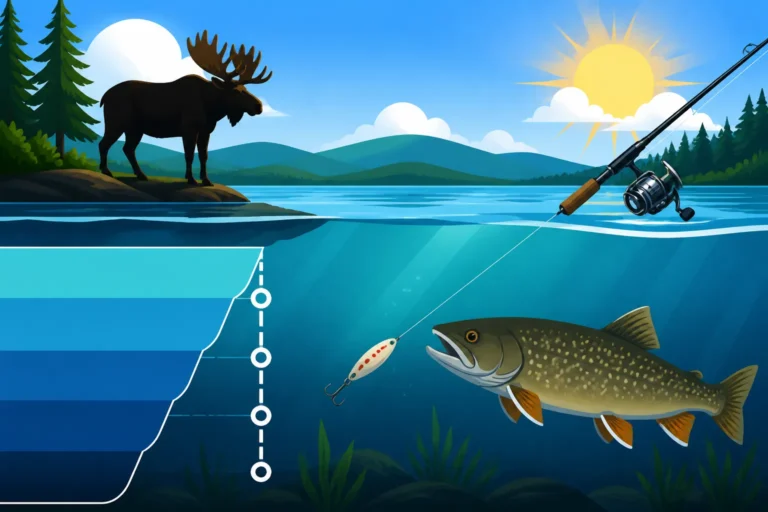
Understanding the thermocline – that invisible boundary between warmer surface water and colder, deeper water – becomes incredibly important here. During summer, brook trout will often be found just above or within the thermocline, where both water temperature and dissolved oxygen levels are ideal. Without a good fish finder to help you identify these temperature breaks and deep pockets, you might be fishing above or below the fish, unknowingly. The numerous inlets and feeder streams, which are often overlooked by casual anglers, provide vital cold-water refuges and oxygenated flows, attracting brook trout even in the warmest months. These areas are worth exploring, but remember to respect private land and access points. For those who want to explore these less-frequented spots, consider booking a local guide through platforms like FishingBooker who intimately knows the specific thermal refuges on Flagstaff Lake.
Prime Locations and Seasonal Strategies for Flagstaff Lake Brook Trout
Fishing Flagstaff Lake effectively for brook trout means understanding where they'll be at different times of the year. It's not a "one spot fits all seasons" kind of place, given its size and diverse characteristics. A little planning based on the calendar can make all the difference between a tough day and a triumphant one.
Spring and Early Summer Hotspots
As the ice finally recedes from Flagstaff Lake – often later than lakes further south in Maine – the brook trout become incredibly active and often move into shallower water, particularly near stream inlets and areas where snowmelt is still flowing in. These fresh, cold, oxygen-rich waters carry food and often represent the first significant temperature breaks from the still-chilly main lake. Look for points, coves, and flats adjacent to these feeder streams. These areas warm up just enough to kickstart invertebrate activity, bringing in the baitfish that brookies love to gorge on after a long, lean winter. Early spring is also a fantastic time for fly fishing, especially with streamer patterns that imitate smelt or shiners, as brook trout are aggressively feeding.
Another key strategy in spring and early summer is focusing on the submerged structure mentioned earlier. The rising water temperatures will push brook trout out of the very shallowest areas, but they won't go straight to the deepest parts of the lake yet. Instead, they'll often hold around those submerged humps, old river channels, and standing timber that offer both cover and access to food. Trolling slowly along the edges of these structures, particularly where depths transition from 10 to 20 feet, can be highly effective. The brook trout are still spread out and actively cruising, making trolling a great way to cover water. Remember, understanding the Maine Fishing Season Dates Guide is crucial for planning your spring trips.
Mid-Summer and Fall Tactics
When the dog days of summer hit, Flagstaff Lake's brook trout, like most cold-water species, go deep. They seek out the coolest, most oxygenated water, which means you'll typically find them in the deepest sections of the lake or congregating around significant cold-water upwellings. This is where a good fish finder becomes indispensable, helping you locate the thermocline and pinpoint schools of baitfish, which the brook trout will undoubtedly be shadowing. Trolling at specific depths with downriggers or weighted lines becomes the most productive method. Focus on the main basin areas, particularly near the former river channels that are now the deepest parts of the flowage. You might be targeting depths of 30-50 feet or even deeper, depending on the year and the water temperatures.
As fall approaches and water temperatures begin to cool, the brook trout will start to move shallower again, especially in preparation for their spawning rituals. This "turnover" period can lead to some truly epic fishing, as the fish become more active and less restricted by thermal barriers. Look for them moving back towards rocky shorelines, gravelly bottoms, and the mouths of tributary streams where they might stage before heading upstream to spawn. Casting spoons, spinners, or even large dry flies in the evenings can be incredibly productive during this cooler season. The fall colors reflecting on the water, combined with aggressive brook trout action, make this one of the most beautiful and rewarding times to fish Flagstaff. Always consult the Maine Fish Bag Limits Guide for brook trout, as regulations can vary.
Essential Gear and Techniques for Flagstaff Lake Brook Trout
To effectively fish for brook trout on Flagstaff Lake, having the right gear and employing appropriate techniques are paramount. This isn't just about having any fishing rod; it's about having the right tools for a diverse and often challenging environment.
Rods, Reels, and Line Choices
For a lake of Flagstaff's size, you'll want versatile gear. A medium-light to medium action spinning rod, around 6'6" to 7 feet long, is a fantastic all-around choice. This length provides enough casting distance for shore-based fishing or casting from a boat, while the action offers enough backbone to handle a feisty brook trout, yet enough sensitivity to detect subtle bites. Pair this with a reliable spinning reel in the 2000-3000 size, spooled with 6-8 pound monofilament or fluorocarbon line. Monofilament offers a bit of stretch, which can be forgiving for aggressive strikes, while fluorocarbon's low visibility and sensitivity are excellent advantages in clear water.
If you're planning on trolling, which is often the most effective method for covering water and reaching deeper fish, consider a dedicated trolling setup. A longer, softer action rod, perhaps 7-9 feet, paired with a line counter reel spooled with 10-12 pound monofilament or a braided line with a fluorocarbon leader, is ideal. The softer action absorbs the shock of a strike while trolling, preventing the hook from pulling free, and the line counter helps you consistently hit specific depths. Many seasoned anglers opt for specialized trolling rods to maximize their success. You can find excellent options and even guides on how to choose the right gear for specific species on platforms like FishingBooker.
| Gear Type | Recommended Specs | Primary Use Case | Why It Matters |
|---|---|---|---|
| Spinning Rod | 6'6" – 7' Medium-Light to Medium Action | Casting, Jigging, Shore Fishing | Versatile for varied tactics, good balance of power/sensitivity |
| Spinning Reel | 2000-3000 Series | Paired with spinning rod | Smooth drag, sufficient line capacity |
| Trolling Rod | 7' – 9' Soft to Medium Action | Trolling with downriggers or lead core | Absorbs shock, prevents pulled hooks while moving |
| Trolling Reel | Line Counter Reel | Paired with trolling rod | Precise depth control for hitting the strike zone |
| Main Line | 6-8 lb Mono/Fluorocarbon (Spinning) | General purpose, clear water | Stealth, sensitivity, casting ability |
| Main Line | 10-12 lb Mono/Braid (Trolling) | Durability, higher breaking strength | Withstands trolling forces, handles larger fish |
| Leader Material | 4-6 lb Fluorocarbon | Attaching to main line | Nearly invisible to fish, good abrasion resistance |
Baits, Lures, and Fly Patterns
Brook trout in Flagstaff Lake can be enticed by a wide array of offerings. For live bait enthusiasts, small shiners, fathead minnows, or even a juicy nightcrawler under a bobber can be irresistible, particularly in spring and fall. When fishing with bait, always remember to check the Maine Fishing Regulations Explained as rules around live bait can vary by water body to prevent the spread of invasive species. For artificial lures, traditional Maine favorites like Mooselook Wobblers, Lake Clear Wobblers, or Daredevle spoons in silver, gold, or brass finishes with red accents are consistently effective. Small Kastmasters or Acme Little Cleos can also produce strikes when retrieved with a stop-and-go action. For deeper trolling, small, realistic stickbaits or spoons that mimic smelt are fantastic choices.
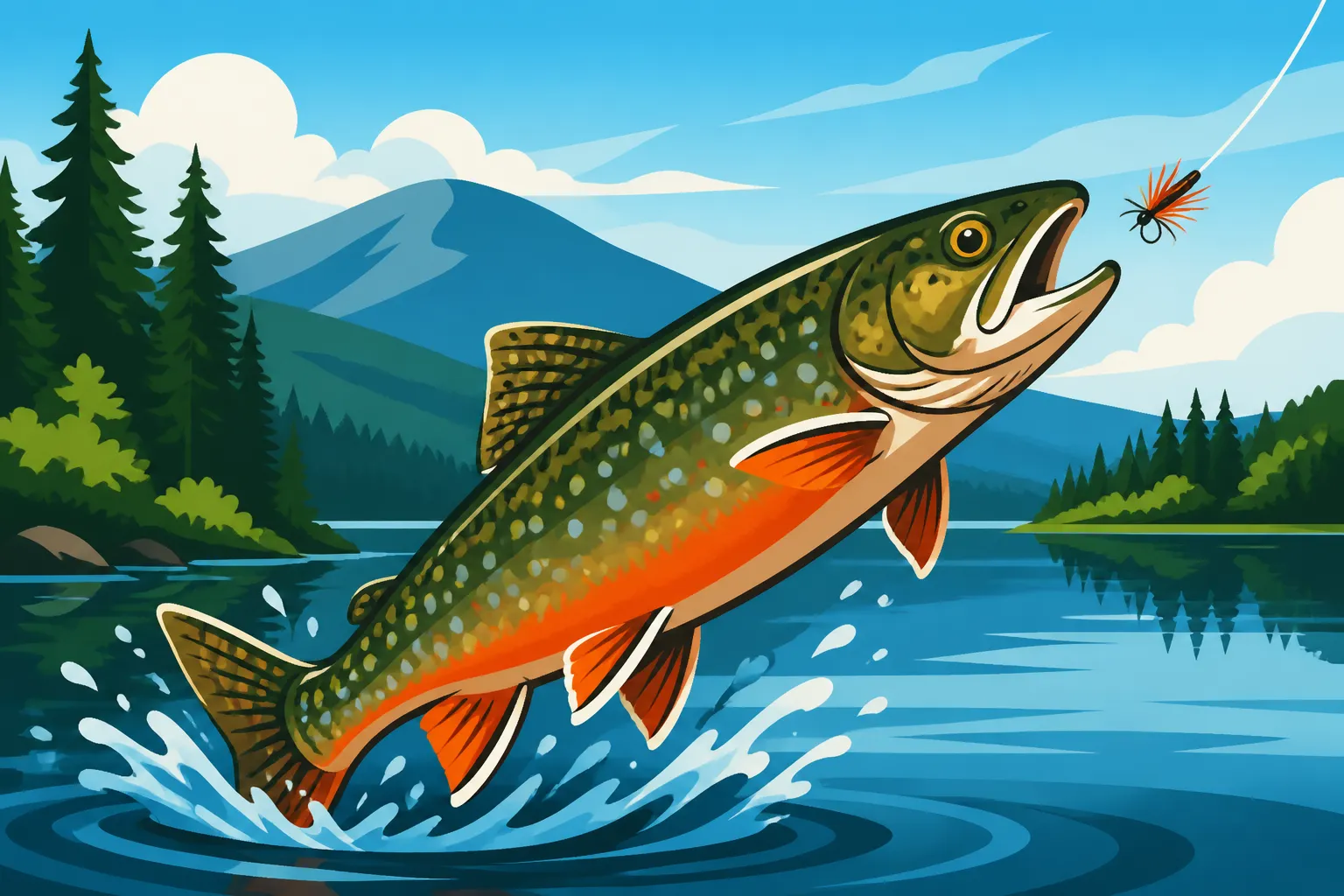
Fly fishing on Flagstaff, especially in the numerous coves and along productive shorelines, can be incredibly rewarding. In the spring, streamers such as Grey Ghosts, Black Ghosts, or Nine-Three patterns that imitate baitfish are deadly. As summer progresses and insects hatch, don't overlook classic wet flies and nymphs like Hare's Ear, Pheasant Tail, or even small caddis patterns. In the fall, larger, darker streamers can be effective as brook trout become more aggressive. Understanding Fly Selection for Brook Trout can greatly enhance your success. And don't forget, if you're not sure where to start, you can always connect with a local guide through FishingBooker who can provide specialized advice tailored to Flagstaff Lake.
Navigating Regulations and Conservation Efforts
Fishing on Flagstaff Lake, like anywhere else in Maine, means adhering to specific rules and actively participating in conservation efforts. These aren't just arbitrary laws; they're designed to protect the very resource we all cherish, ensuring that future generations can enjoy the same incredible brook trout fishing we do today. Ignoring these rules not only risks fines but also jeopardizes the health of the fishery.
Specific Bag and Length Limits
Flagstaff Lake falls under Maine's general law fishing regulations for most of its waters, but like many large lakes, it can have specific rules for certain areas or species. It's absolutely critical to consult the Maine Department of Inland Fisheries and Wildlife (MDIFW) open water fishing law book or their website before you head out. For brook trout, the general law typically allows a daily bag limit of five fish, with a minimum length of six inches and no more than two fish exceeding 12 inches. However, special regulations can apply, particularly in some feeder streams or designated "trophy" waters that may have different Brook Trout Daily Bag Limits or length restrictions.
For instance, some of the smaller ponds and tributaries feeding Flagstaff Lake might be designated as "trophy" waters or have fly-fishing-only restrictions, where the rules could be even more stringent, such as a one-fish daily limit or a higher minimum length. Always check the specifics for the exact body of water you're planning to fish. A general fishing license isn't enough; you need to understand the nuances. Getting caught with an undersized fish or over the bag limit can lead to a significant fine, not to mention the ecological impact. Make it a habit to check the current Maine Fishing Regulations Explained every season, as they can and do change.
Practicing Catch and Release
While keeping a few brook trout for a delicious shore lunch is one of the joys of fishing in Maine, practicing responsible catch and release, especially for larger, older fish, is vital for maintaining Flagstaff Lake's brook trout population. These larger fish are the primary spawners and contribute significantly to the genetic health and future abundance of the fishery. Catch and release isn't just about letting a fish go; it's about doing so in a way that maximizes its chances of survival. This means using appropriate gear, minimizing handling time, and employing proper release techniques.
Always use single, barbless hooks when possible, or at least pinch down the barbs on your lures. This makes hook removal quicker and causes less damage to the fish. Avoid fighting the fish to exhaustion, especially in warmer water; land it swiftly. Handle the fish gently with wet hands, keeping it in the water as much as possible. If you must take it out for a quick photo, do so quickly and support its body horizontally. Never hold a fish by its jaw or gills unless absolutely necessary. For deeper-caught fish, be aware of barotrauma (the effects of rapid pressure change) and know when to use a descending device if you're targeting significantly deep water. Learning Catch and Release Best Practices in Maine helps ensure that these magnificent fish swim away healthy to be caught another day, contributing to the sustainability of this incredible fishery.
Disclaimer
Please note that fishing regulations in Maine are subject to change. Always consult the most current Maine Department of Inland Fisheries and Wildlife (MDIFW) official regulations before heading out on the water. This guide is for informational purposes only and does not supersede state laws.