Best Lures for Rangeley Lakes Salmon
Ah, the Rangeley Lakes! Just the name conjures up images of crisp mountain air, pristine waters, and the thrilling tug of a powerful landlocked salmon. But let's be honest, standing at the tackle shop or staring at your overflowing tackle box, trying to pick just the right lure for those finicky Rangeley salmon can feel like solving a cryptic puzzle. It's a common frustration, and one that often separates a memorable fishing trip from a frustrating one. This guide is here to cut through the guesswork, offering you a deep dive into the best lures and strategies to help you hook into those legendary Rangeley Lakes beauties.
Understanding Rangeley Lakes Salmon Behavior and Habitat
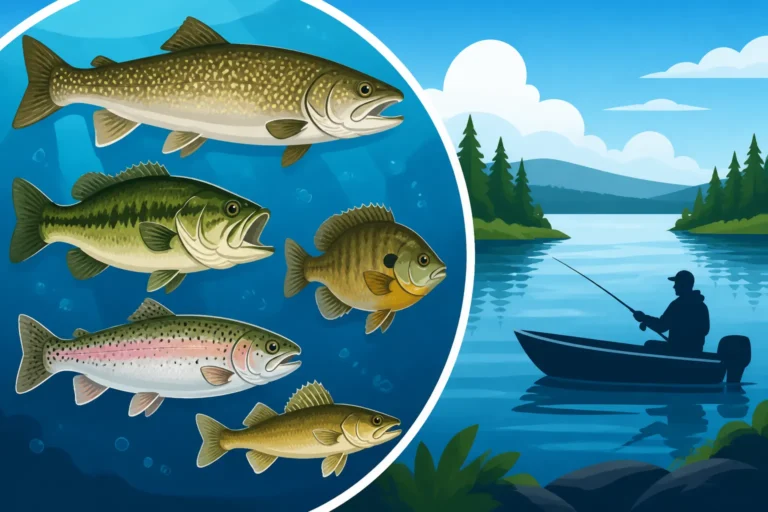
Before we even talk about specific lures, it's absolutely crucial to understand the fish you're targeting: the Rangeley Lakes landlocked salmon. These aren't your average pond fish; they're streamlined predators, often wild, that thrive in cold, oxygen-rich waters and feed primarily on baitfish. Their behavior and habitat directly dictate which lures will be most effective at any given time.
The Rangeley chain, particularly Rangeley Lake and Mooselookmeguntic, are known for their deep, clear waters. This means salmon have a lot of room to roam and will often follow thermal layers and baitfish schools. Their primary forage here? Smelt. Little, silvery morsels that dart through the water column. So, a significant part of your lure selection strategy should revolve around imitating these vital baitfish.
Landlocked salmon are also sight feeders. In clear waters, they can be incredibly discerning. This means not just the right shape and size, but also the right color and action, can make all the difference. Their movements are highly seasonal. In spring, as the ice recedes, they'll often be found near the surface and in shallower coves, chasing smelt. As summer progresses and surface temperatures rise, they'll retreat to deeper, cooler waters, often suspending over deep basins, only coming up to feed during low light conditions or if a strong thermocline creates an ideal feeding zone. Fall sees them becoming more active again, often moving into tributaries and shallower areas as they prepare for their spawning run.
Top Lure Categories for Rangeley Lakes Salmon
Now that we appreciate the fish, let's talk tackle. For Rangeley Lakes landlocked salmon, a few lure categories consistently outperform others. These are tried-and-true choices that have filled countless creels and provided endless thrills for generations of Maine anglers.
Trolling Spoons: The Undisputed Champions
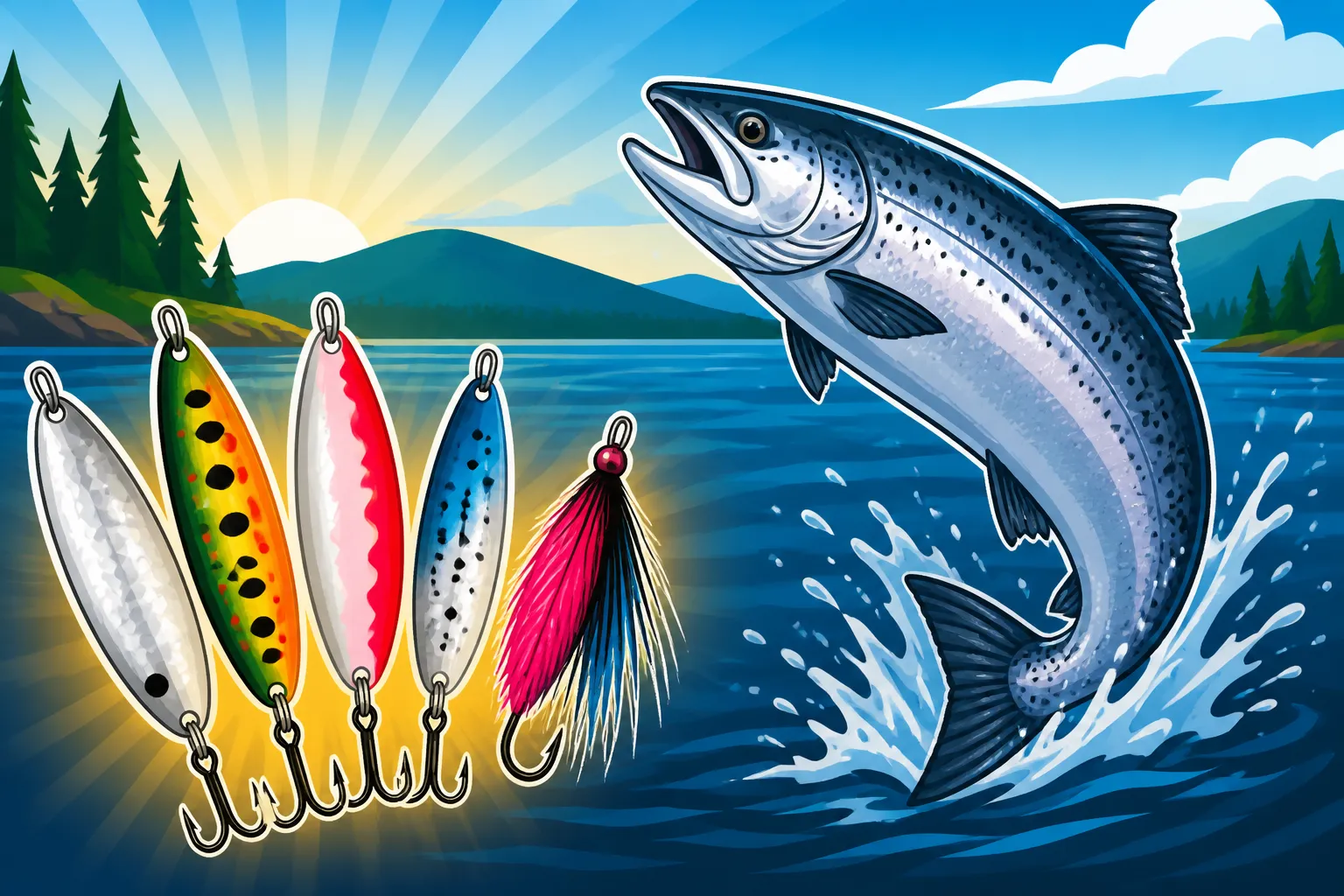
When it comes to Rangeley Lakes salmon, especially for trolling, spoons are king. Their wobbling, fluttering action perfectly mimics a wounded or fleeing baitfish, and the flash they produce in the clear water is often irresistible.
- Mooselook Wobblers: These are practically synonymous with Rangeley salmon fishing. The classic silver and blue or silver and green patterns are perennial favorites. Don't be afraid to experiment with other color combinations, especially those with orange, chartreuse, or even purple accents, particularly on overcast days or in deeper water. Sizes typically range from 1 to 3 inches, depending on the prevalent baitfish size and time of year. A smaller spoon often works wonders when the salmon are keyed in on tiny smelt.
- Sutton Spoons: Another heritage Maine favorite, Suttons have a slightly different action than Mooselooks, often more subtle. The "Silver Streak" (all silver) or those with a gold back and silver front are deadly. They are particularly effective when salmon are being finicky and a more delicate presentation is needed. Their thin profile gives them a unique flutter on the drop or during slower trolls.
- DB Smelt: As the name suggests, these spoons are designed to imitate smelt. They come in various sizes and color patterns, often with realistic baitfish finishes. They're excellent choices for matching the hatch when salmon are exclusively feeding on smelt. Their wider wobble can attract aggressive fish from a distance.
- Daredevle Spoons: While often associated with pike and trout, smaller Daredevles, particularly the classic red and white or silver patterns, can be surprisingly effective for salmon, especially during early spring when they're more aggressive.
The key with spoons isn't just color and brand; it's action. Ensure your spoon is running true. Slight bends in the spoon can alter its wobble, sometimes for the better, sometimes for the worse. Experimentation is always key! Remember that these spoons are often run behind dodgers or flashers to add more attraction, particularly in deeper water or on bright days.
Plugs and Stickbaits: Versatility for Varying Depths
While spoons dominate, plugs and stickbaits offer excellent alternatives, especially when you're looking for a different action or fishing specific depths.
- Rapala Original Floaters and Husky Jerks: These classic minnow imitations are fantastic, especially for shallower trolling or casting near structure. Silver and black, silver and blue, or firetiger patterns are great starting points. The Original Floater can be deadly trolled right on the surface or just subsurface in spring, while the suspending Husky Jerk is perfect for covering a bit more depth with a slow retrieve or troll.
- Yo-Zuri Crystal Minnows: These plugs offer a fantastic holographic finish that can really catch the light in Rangeley's clear waters. They come in various diving depths, making them versatile for different trolling situations. Their tight wobble is often preferred by salmon.
- ThunderSticks: Similar to Rapalas, these plugs also come in a range of sizes and diving lips. They're particularly good for mimicking larger smelt or even other small baitfish. Trolling them at varying speeds can create a different vibration and action that might entice a follow-up strike.
Plugs and stickbaits are often fished without additional attractors, letting their inherent action speak for itself. They can be particularly effective during low light conditions or when fish are cruising higher in the water column.
Flies and Streamers: The Art of Imitation
For the fly-fishing purists or those looking to switch it up, flies and streamers are incredibly effective, especially in certain situations. While not always used for trolling in the traditional sense, they are essential for certain tactics.
- Smelt Imitations: Streamers like the Grey Ghost, Supervisor, Black Ghost, or Nine-Three are legendary for a reason. These patterns are designed to mimic smelt perfectly, and they can be trolled slowly behind a fly line, a lead core line, or even flat-lined with a small amount of weight. The subtle movement of hackle and flash can be incredibly lifelike.
- Attractor Patterns: Sometimes, a flashy attractor pattern that doesn't necessarily mimic any specific baitfish can trigger a strike out of aggression or curiosity. Patterns with bright colors, Mylar, or flashabou can be very effective, especially in the spring.
- Wet Flies and Nymphs: While less common for the large, open waters of Rangeley for salmon, if you're fishing near river mouths or areas where salmon are actively feeding on aquatic insects, wet flies and larger nymphs can certainly produce. However, for pure landlocked salmon, streamers are usually the go-to.
Fly fishing for Rangeley salmon requires a different approach, often involving specific Fly Fishing Techniques for Maine Rivers or targeting areas where salmon congregate. For those looking to learn these techniques, a guided trip can be invaluable. You can often find experienced guides who specialize in fly fishing for Rangeley salmon through platforms like FishingBooker, ensuring you're learning from the best.
Seasonal Lure Strategies for Rangeley Salmon
The Rangeley Lakes system is dynamic, and salmon behavior shifts dramatically throughout the year. Adapting your lure choice and presentation to the season is paramount for consistent success.
Spring: Ice-Out to Early June
This is arguably one of the most exciting times to target Rangeley salmon. As the ice disappears, the water is cold and oxygen-rich throughout the water column, meaning salmon can be found from the surface down to moderate depths. Smelt are often in shallower areas, and the salmon are right behind them.
- Surface and Shallow Trolling: Think classic spoons like Mooselooks and Suttons in silver and blue or silver and green. Small Rapala Original Floaters in silver or gold can also be deadly when trolled on the surface. Try flat-lining these lures with minimal weight or using a very light lead core line to keep them just below the surface.
- Color Selection: Bright, reflective colors often work best in the low light of early spring or on overcast days. Natural baitfish patterns are also excellent.
- Speed: A slightly faster trolling speed (2.0-2.5 mph) can often trigger aggressive strikes from hungry salmon eager to feed after a long winter. This is also a fantastic time to explore the shallower coves and points, as salmon will often patrol these areas looking for smelt.
This period is prime for chasing Best Lures for Early Spring Salmon Fishing. Don't be afraid to cast and retrieve in shallower areas, especially around ice-out.
Summer: Late June through August
Summer in Rangeley means warmer surface water. Landlocked salmon, being cold-water fish, will seek refuge in deeper, cooler parts of the lake. This is when understanding How Deep Should You Troll for Salmon in Summer? becomes absolutely critical.
- Deep Trolling: Downriggers, lead core line, or weighted wire line are your best friends. Salmon will often suspend over deep basins, sometimes 40-70 feet down, following schools of smelt.
- Spoons for Depth: Continue to use your favorite spoons, but consider slightly larger sizes to get down faster or to attract fish from further away. Colors like copper, brass, or those with more subtle patterns can be effective in deeper, darker water. Some anglers swear by chartreuse or orange patterns deep down.
- Plugs for Depth: Deep-diving plugs like Yo-Zuri Deep Divers or certain Rapala Shad Raps can also be trolled effectively at deeper levels.
- Trolling Speed: Often, a slightly slower trolling speed (1.5-2.0 mph) can be more effective in summer, giving lethargic fish more time to react to the lure.
- Electronics: Your fish finder becomes an indispensable tool. Look for bait balls and individual fish arches, and adjust your depth accordingly. If you're struggling to locate fish, consider booking a guided trip on Rangeley Lake. Many experienced guides on FishingBooker have intimate knowledge of the lake's thermal breaks and where salmon stack up during the summer months.
Fall: September to Late October
As the water temperatures drop in the fall, salmon become more active again. This is another fantastic time for fishing, especially as they begin their pre-spawn movements.
- Mixed Depths: Salmon might be found anywhere from the surface to moderate depths. Early fall might still require some deeper trolling, but as the water cools, they'll move shallower.
- River Mouths and Tributaries: This is prime time to target salmon near the mouths of rivers and streams that feed into the Rangeley Lakes, as they prepare for spawning. Fly fishing with large smelt imitations like the Grey Ghost becomes incredibly effective here.
- Aggressive Patterns: Fall salmon can be quite aggressive. Don't shy away from brighter colors or slightly larger lures, as they're often putting on weight for the winter.
Understanding the Maine Fishing Season Dates Guide will also give you insights into when certain methods and locations are most productive throughout the year.
Practical Tips for Lure Presentation and Success
Having the right lure is only half the battle. How you present it, and the techniques you employ, can significantly impact your success rate.
Trolling Speed and Depth Control
These two factors are arguably the most critical for Rangeley Lakes salmon fishing. Salmon are very particular about both.
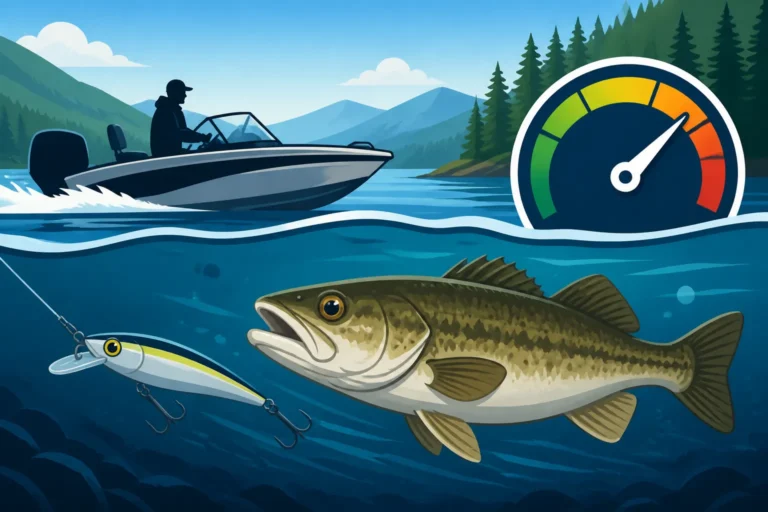
- Speed: Typically, landlocked salmon prefer speeds between 1.5 and 3.0 mph. However, the optimal speed can vary day-to-day, depending on water temperature, fish activity, and even the specific lure you're using. If you're not getting bites, try varying your speed. Make wide turns; the outside lure will speed up, and the inside lure will slow down, often triggering a strike. Learning Best Trolling Speed for Landlocked Salmon is a game-changer.
- Depth: As discussed, depth is everything, especially in summer. Use downriggers for precise depth control, or understand how much line to let out with lead core to achieve your desired depth. Varying your depths with multiple rods at different levels can help you find the salmon's preferred zone. Your fish finder is your best friend here. Look for baitfish schools and any thermoclines, which are often where salmon will be feeding.
Color Selection and Water Clarity
While natural baitfish colors (silver, blue, green, black) are usually good starting points, don't be afraid to experiment.
- Clear Water: In Rangeley's crystal-clear waters, subtle, natural colors often shine. Silver, blue, and black are fantastic.
- Overcast Days/Low Light: Brighter colors like orange, chartreuse, or even purple can stand out better in dim conditions.
- Deeper Water: As light diminishes with depth, some anglers find that glow-in-the-dark or UV-enhanced lures can be effective.
Always have a variety of colors in your tackle box. What worked yesterday might not work today.
Line Choice and Leaders
Your line choice can directly impact lure action and your ability to detect strikes.
- Main Line: For trolling, many anglers use monofilament or fluorocarbon main lines. Braided line is also popular for its lack of stretch and sensitivity, but it requires a leader.
- Leaders: A fluorocarbon leader (6-10 lb test) is almost always a good idea in clear Rangeley waters. Fluorocarbon is nearly invisible underwater and can significantly increase your bite rate, especially with finicky salmon. It also offers good abrasion resistance. Ensure your knots are strong and neat.
| Lure Type | Best Conditions | Typical Depth Range (Trolling) | Key Characteristics |
|---|---|---|---|
| Trolling Spoons | All seasons, clear to stained water | Surface to 100+ feet | Wobbling/fluttering action, mimics wounded baitfish |
| Plugs/Stickbaits | Surface to moderate depths, early morning/evening | Surface to 20 feet | Minnow imitation, tight or wide wobble |
| Streamers (Flies) | Near river mouths, specific fly-fishing areas | Surface to moderate depths | Realistic baitfish profile, subtle action |
Electronics and Locating Fish
Modern fish finders are invaluable. Don't just motor around hoping; actively search.
- Identify Structure: Look for drop-offs, underwater humps, and old river channels. Salmon will often patrol these areas.
- Find Baitfish: Since salmon follow smelt, locating schools of baitfish is key. If you find the food, the predators won't be far.
- Spot Salmon: Learn to distinguish individual fish arches. Adjust your trolling depth to target them directly.
Being on the water in Rangeley is an experience in itself, but a little strategic thinking goes a long way. Whether you're a seasoned angler or planning your first trip to this iconic fishery, knowing your gear, understanding the fish, and adapting your tactics will significantly increase your chances of landing a truly memorable Rangeley Lakes salmon. Many anglers even look into Hiring a Maine Fishing Guide for their first trip to get local insights and learn advanced techniques directly on the water. Reputable guides can be found through platforms like FishingBooker, offering invaluable advice and putting you on the fish. You can also dive into the specifics of Rangeley Lakes Landlocked Salmon Fishing in Maine for even more tailored advice.
Disclaimer
Please note that fishing regulations, including bag limits and season dates, can change. Always consult the most current Maine Department of Inland Fisheries & Wildlife (MDIFW) regulations before heading out on the water. This guide is for informational purposes only and does not supersede official state regulations.