Best Maine Ponds for Fishing
While Maine's majestic lakes and winding rivers capture much of the angling spotlight, many fishermen overlook the incredible, often solitary, experiences waiting in the state's countless ponds. It’s easy to get caught up chasing trophy fish in the well-known hotspots, but that often means dealing with crowded boat launches and busy waters. This comprehensive guide is here to shed light on Maine's best ponds for fishing, helping you discover serene waters, diverse fish populations, and unforgettable angling adventures far from the madding crowd.
The Unique Appeal of Maine's Fishing Ponds
Maine is renowned for its vast wilderness, and within that wilderness lie thousands of ponds, each with its own character and charm. These smaller water bodies offer a distinctly different, often more intimate, fishing experience compared to their larger lake counterparts. For many anglers, the true magic of Maine fishing lies in the tranquility and hidden potential of these unassuming waters.
Escaping the Crowds for a Personal Experience
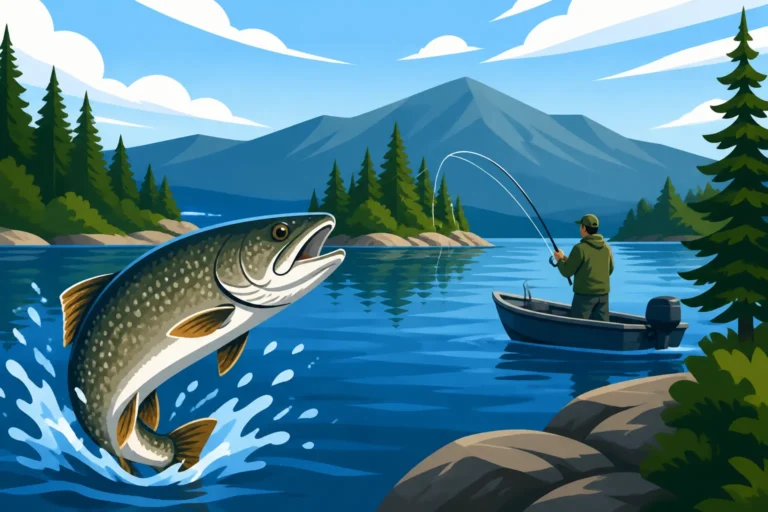
One of the most compelling reasons to seek out Maine’s ponds is the promise of solitude. Picture this: you arrive at a quiet shoreline just as the sun begins to kiss the horizon, painting the sky with vibrant hues. There are no roaring motorboats, no bustling public docks, just the gentle lapping of water against your canoe or the distant call of a loon. This is the essence of pond fishing in Maine. It's a chance to disconnect from the frantic pace of modern life and reconnect with nature on a deeply personal level.
Unlike large lakes that can feel overwhelming, a pond often provides a more manageable and intimate setting. You can frequently cover a significant portion of the water in a small craft like a kayak or canoe, allowing for a thorough exploration of its unique features—lily pads, fallen trees, rocky outcrops—all without feeling rushed or disturbed. This closeness to nature, free from the usual angling hubbub, allows for a truly meditative and focused fishing session, where every cast feels like a deliberate conversation with the wild.
The Rich Biodiversity of Pond Ecosystems
Don't let their size fool you; Maine's ponds are often teeming with life. While larger lakes might hold enormous populations of certain species, ponds frequently boast incredibly healthy and diverse fish communities, often with excellent opportunities for native species. Many ponds are fed by cold, clear springs and streams, making them prime habitat for wild brook trout, Maine's iconic state fish. Others, especially in the central and southern regions, provide ideal conditions for robust populations of warmwater species.
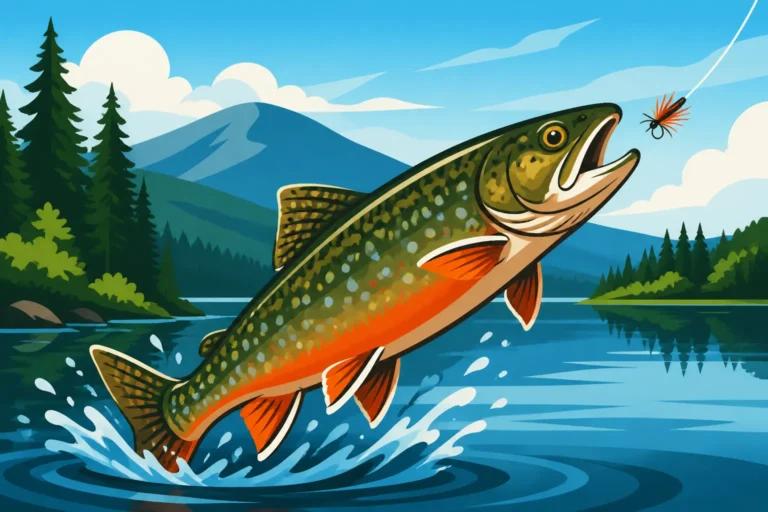
You might cast your line into a tannin-stained pond and pull out a strikingly colorful brook trout, its fins edged in white, a testament to its wild heritage. In another pond, perhaps one with more weed growth and shallower areas, you could encounter feisty largemouth bass, aggressive chain pickerel, or prolific yellow and white perch. This diversity means that no two pond fishing trips are quite the same, and depending on the pond, you could be targeting a completely different set of species with varied techniques, keeping every outing fresh and exciting. These smaller, self-contained ecosystems offer a fascinating glimpse into the intricate balance of nature, providing rich opportunities for anglers to observe and appreciate Maine's aquatic life up close.
Northern Maine's Wilderness Ponds
When you think of remote, wild fishing in Maine, Northern Maine often comes to mind. This vast expanse of forests, mountains, and pristine waterways holds some of the state's most coveted pond fishing experiences, particularly for those seeking solitude and the thrill of catching wild, native fish.
Aroostook County's Remote Brook Trout Sanctuaries
Aroostook County, often called "The County" by Mainers, is a sprawling, rugged region that offers some of the most remote and rewarding brook trout fishing anywhere. Here, countless ponds are tucked away deep within the woods, often requiring travel over logging roads, or even a hike or canoe portage, to access. These are not your easily accessible roadside ponds; they are genuine wilderness sanctuaries, and the effort to reach them is often amply rewarded.
Many of these ponds are managed specifically for wild brook trout, meaning they are not stocked, and the fish you catch are naturally reproducing descendants of generations past. The water is typically cold, clear, and rich in oxygen, creating perfect conditions for these vibrant, hard-fighting fish. Imagine paddling a lightweight canoe across a mirror-smooth pond at dawn, the only sounds being the dip of your paddle and the distant call of an osprey. You cast a small spinner or a perfectly tied dry fly near a rocky point or a beaver lodge, and suddenly, the water explodes as a brilliantly colored brook trout strikes. It's an experience that truly connects you to the wild heart of Maine. For anglers looking to explore the vast opportunities in this area, our guide on Fishing Spots in Aroostook County, Maine offers even more insights into planning your trip.
Piscataquis County's Secluded Coldwater Havens
South of Aroostook, Piscataquis County also boasts an incredible array of secluded ponds, many of them offering exceptional coldwater fishing. This region is home to vast tracts of the North Maine Woods, including areas around the famous Moosehead Lake and even near Baxter State Park. While the big lakes draw considerable attention, the smaller ponds dotting the landscape here are goldmines for anglers willing to venture off the beaten path.
These ponds can vary greatly in size and depth, but many hold healthy populations of brook trout, and some deeper ones might even contain landlocked salmon or splake (a brook trout and lake trout hybrid). Access can range from short walks from unpaved roads to multi-mile hikes and canoe trips, especially in the more remote sections. The reward for this effort is often breathtaking scenery, unparalleled peace, and the chance to land a truly memorable fish. Think of a glassy pond nestled at the foot of a mountain, surrounded by towering pines and granite outcrops. The fish here are often wild, wary, and a true test of an angler's skill, making the eventual catch all the more satisfying. If you're planning an adventure in this wild area, consult our article on Fishing Spots Near Baxter State Park for some prime locations and access tips.
Western Maine's Scenic Mountain Ponds
Western Maine, with its rolling hills, impressive peaks, and sparkling waterways, offers a different kind of pond fishing experience. Here, you'll find ponds tucked away in mountain valleys or nestled at high elevations, providing not just excellent fishing but also some of the most picturesque angling backdrops in the state.
High-Elevation Gems in the Rangeley Lakes Region
The Rangeley Lakes Region is famous for its large, interconnected lakes and world-class landlocked salmon and brook trout fishing. However, just beyond the shores of these prominent waters lie numerous smaller ponds, many of them at higher elevations, that offer exceptional opportunities for wild brook trout. These ponds are often less pressured, harder to reach, and provide a truly special angling adventure.
Access to these high-elevation gems typically involves hiking, sometimes for several miles, often with a lightweight canoe or float tube strapped to your back. The air is crisp, the views are stunning, and the sense of accomplishment when you reach your destination is immense. Once there, you'll find crystal-clear waters, often surrounded by stunted pines and granite, reflecting the vast Maine sky. The brook trout in these ponds are often strikingly beautiful, with deep colors and a hard fight, a testament to their wild nature and the cold, pristine environment they inhabit. Many anglers consider a day spent fly fishing one of these remote Rangeley ponds to be the pinnacle of Maine's trout fishing experience. To delve deeper into the fishing opportunities in this iconic region, check out our Rangeley Lakes Fishing Guide.
Discovering Oxford County's Diverse Pond Fisheries
Just to the south of the Rangeley region, Oxford County provides a diverse range of pond fishing experiences, from remote trout ponds to more accessible waters teeming with warmwater species. While perhaps less wild than Aroostook or Piscataquis, Oxford County’s ponds offer fantastic options for anglers looking for variety without necessarily venturing into the deep wilderness.
You can find ponds here that are ideal for a leisurely day of bass fishing, complete with lily pads, submerged timber, and plenty of structure to explore. Others, particularly those higher up in the foothills, might be cold enough to sustain brook trout, often supported by stocking efforts to ensure good numbers. These ponds are frequently more accessible, making them great choices for families or those who prefer not to embark on a strenuous hike. Imagine spending a morning casting for smallmouth bass on a pond near Fryeburg, enjoying the views of the surrounding White Mountains, or perhaps exploring a quieter, smaller pond near Bethel for panfish. The diverse landscape of Oxford County ensures that there’s a pond fishing experience to suit nearly every preference and skill level, making it a great place to discover both coldwater and warmwater action.
Central Maine's Accessible Pond Fishing Opportunities
Central Maine is often characterized by its beautiful lakes and rivers, but this region also holds a wealth of ponds that are far more accessible than their northern or western counterparts. These ponds often provide fantastic fishing without the need for extensive wilderness travel, making them ideal for day trips or quick evening outings after work.
Kennebec and Somerset County's Productive Warmwater and Stocked Ponds
Kennebec and Somerset Counties, situated in the heart of Maine, are home to numerous ponds that offer excellent fishing, particularly for warmwater species and stocked trout. These ponds are often close to towns and main roads, making them incredibly convenient for local anglers and visitors alike. While they may not offer the same remote wilderness feel, they more than make up for it with reliable action and diverse catches.
Many ponds in these counties are regularly stocked with brook trout, rainbow trout, and sometimes even brown trout by the Maine Department of Inland Fisheries and Wildlife (IFW), ensuring a good chance of success for anglers of all skill levels. Beyond trout, these ponds frequently boast thriving populations of largemouth and smallmouth bass, aggressive chain pickerel, and abundant yellow and white perch. You might spend a sunny afternoon on a pond near Augusta, casting spinnerbaits for largemouth bass hiding in the weed beds, or perhaps dropping a worm under a bobber with the kids for a steady stream of perch. A prime example is China Lake, which, though larger, has many characteristics of a productive pond system; you can learn more about fishing in and around it in our guide, Fishing China Lake Near Augusta, Maine. These accessible ponds are perfect for honing your skills, introducing new anglers to the sport, or simply enjoying a relaxing day on the water without a long trek.
Exploring the Belgrade Lakes Area's Smaller Waters
The Belgrade Lakes region is famous for its chain of interconnected lakes, well-known for their bass and salmon fishing. However, nestled among these larger bodies of water are numerous smaller ponds that often get overlooked but provide incredible angling opportunities. These ponds, while part of the broader Belgrade system, offer a distinct fishing experience, often with less boat traffic and a more intimate atmosphere.
These smaller Belgrade ponds are particularly excellent for warmwater species. Anglers can expect to find robust populations of both largemouth and smallmouth bass, especially around the abundant structure like docks, submerged trees, and lily pads. Chain pickerel are also common and provide exciting, toothy fights. Many of these ponds are easily navigable by canoe or kayak, allowing anglers to quietly explore every cove and shoreline. Imagine a peaceful morning paddling through the mist on a small Belgrade pond, casting a topwater lure near the reeds and having a feisty bass blow up on your bait. While our Belgrade Lakes Bass Fishing in Maine guide focuses on the larger lakes, many of the techniques and insights apply directly to the smaller ponds in the area, which can be equally, if not more, rewarding for bass and other warmwater species.
Southern and Coastal Maine's Unexpected Pond Fishing
When most people think of fishing in Southern or Coastal Maine, saltwater adventures or large lakes like Sebago often come to mind. However, these more populated regions also harbor a surprising number of excellent fishing ponds, offering convenient access and diverse angling experiences that are often overlooked.
York and Cumberland County's Hidden Bass and Panfish Spots
Even in Maine's most populous counties, York and Cumberland, anglers can discover a wealth of fantastic ponds offering rewarding fishing experiences. These ponds are often close to major towns and cities, providing quick and easy access for a spontaneous fishing trip, a family outing, or an evening escape after work. While they might not be wilderness havens, they are certainly hidden gems for local anglers.
These ponds are typically warmwater fisheries, brimming with healthy populations of largemouth and smallmouth bass. The shallower, weedy conditions are perfect for bass to thrive, offering exciting topwater action or jig fishing around submerged cover. Beyond bass, these waters are usually loaded with panfish like yellow perch, white perch, and various sunfish, making them ideal for introducing children or novice anglers to the sport. There's nothing quite like the excitement of a child reeling in a brightly colored sunfish, and these ponds deliver that joy reliably. Many have easily accessible shorelines or small boat launches suitable for kayaks and canoes. For those new to the area or new to fishing, our guide to Best Fishing Spots for Beginners Near Portland provides excellent starting points, many of which are these very accessible and productive ponds.
Downeast Maine's Unique Coastal Pond Systems
Venturing further "Downeast" into Washington and Hancock Counties reveals a unique blend of coastal landscapes and freshwater fishing opportunities. While the rugged coastline is spectacular, the numerous ponds scattered throughout this region offer diverse and often surprising angling prospects. Some of these ponds are nestled just inland from the sea, creating interesting environmental conditions.
Many Downeast ponds hold robust populations of brook trout, with some even offering the rare and exciting chance to catch "salter" brook trout—sea-run brookies that migrate between freshwater and saltwater, growing larger and stronger in the marine environment before returning to their natal ponds and streams. Other ponds are excellent for landlocked salmon, which thrive in the colder, deeper waters found in certain parts of this region. Of course, warmwater species like bass and pickerel are also prevalent in shallower, warmer ponds. Imagine a morning spent casting for brook trout in a pond just a few miles from the crashing Atlantic waves, or a tranquil afternoon targeting landlocked salmon. The diversity here is remarkable. To explore more of the angling richness of this unique area, refer to our comprehensive guide on Fishing Spots in Downeast Maine.
Planning Your Successful Pond Fishing Trip
A successful pond fishing trip in Maine, whether to a remote wilderness spot or a more accessible local gem, requires a bit of planning. Understanding access, having the right gear, and knowing the regulations are key to ensuring a safe, enjoyable, and productive outing.
Navigating Access: From Easy Drives to Remote Hike-ins
Access is perhaps the biggest differentiator when it comes to Maine's ponds. Some ponds are roadside attractions, easily reached with a paved driveway and designated parking, often with a public boat launch suitable for trailers. These are fantastic for quick trips or when fishing with a group or family, and you can often find details about them through local town recreation departments or state parks.
However, many of Maine's most rewarding ponds, especially those managed for wild brook trout, require more effort. Access might involve driving over unpaved, privately owned logging roads (always respect signage and be aware of active logging operations). Often, the final stretch to the pond is a walk-in trail, ranging from a short, easy path to a strenuous multi-mile hike over rough terrain. For these remote spots, packing light is crucial, and a lightweight canoe, kayak, or float tube is your best friend. Always research specific pond access beforehand, as some truly remote areas may require permits or special arrangements. For those looking for resources on water access, our article on Public Boat Launches for Maine Lakes can provide general guidance, though for ponds, often a carry-in launch is more common.
Essential Gear for a Rewarding Pond Experience
Having the right gear can make all the difference on a pond fishing trip. Since many ponds are smaller and often entail portaging or hiking, portability and versatility are key.
- Rods and Reels: Lighter spinning rods (ultralight to medium-light action) paired with small reels spooled with 4-8 lb test line are perfect for most pond species, from brook trout to bass. For fly anglers, a 3-5 weight fly rod is ideal.
- Watercraft: If you plan to fish from the water, a canoe, kayak, or float tube is generally superior to a larger boat, especially for remote access. Brands like Old Town Canoes, which are made in Maine, are popular choices for their durability and portability.
- Waders/Boots: Depending on the pond, waders can be incredibly useful for shore fishing, wading into shallows, or launching your watercraft.
- Insect Repellent: This is non-negotiable, especially during spring and early summer in Maine. Mosquitos, black flies, and deer flies can be relentless.
- Maps and Navigation: For remote ponds, always carry a physical map, compass, and GPS device (like a reliable Garmin handheld unit) or a fully charged smartphone with offline mapping capabilities. Cell service can be non-existent.
- Safety Gear: A first-aid kit, whistle, spare clothing, fire starter, and sufficient water and snacks are crucial, particularly for wilderness trips. Don't forget your personal flotation device (PFD) if you're on the water.
- Tackle: A selection of small spinners, spoons, jigs, soft plastics, and topwater lures will cover most pond species. Live bait (worms, minnows) can be highly effective, but always check regulations for bait restrictions on specific ponds.
Understanding and Respecting Maine's Pond Regulations
Maine has a comprehensive and detailed set of fishing regulations, and it is absolutely vital to understand them before you cast a line, especially in ponds. While there are general statewide laws, many ponds have specific "Special Regulations" that can differ significantly from the norm. These regulations are designed to protect fragile ecosystems, promote wild fisheries, or manage specific fish populations.
Always consult the most current Maine Open Water & Ice Fishing Laws rule book, available online from the Maine Department of Inland Fisheries & Wildlife (IFW) or at license agents. Pay close attention to:
- Season Dates: While many ponds are open year-round, some have specific open seasons for certain species.
- Bag and Size Limits: These can vary widely. A pond might be "catch and release only" for brook trout, or have a reduced bag limit, while a nearby pond allows for retention.
- Tackle Restrictions: Some ponds might be "fly fishing only," "artificial lures only," or prohibit the use of live bait.
- Ice Fishing Rules: Ponds popular for ice fishing will have specific rules regarding the number of lines, ice shack registration, and removal dates. Our Maine Fishing Regulations Explained guide goes into much greater detail, and it’s a must-read for any angler.
Practicing responsible angling and Catch and Release Best Practices in Maine is also paramount, especially for wild trout populations. Handle fish gently, minimize their time out of water, and use barbless hooks to ensure their survival. Respecting these regulations and practicing ethical angling ensures that Maine's pond fisheries remain healthy and vibrant for generations to come.
Mastering Techniques for Maine Pond Species
Pond fishing in Maine means adapting your techniques to the specific species and conditions you encounter. From the subtle art of fooling a wild brook trout to the aggressive pursuit of a feisty largemouth bass, understanding these approaches will significantly increase your success.
Strategies for Native Brook Trout and Other Coldwater Fish
Native brook trout are the crown jewels of many Maine ponds, particularly in the northern and western wilderness. These fish thrive in cold, clean, oxygenated water, often congregating around any available structure like fallen logs, rocky bottom, or undercut banks.
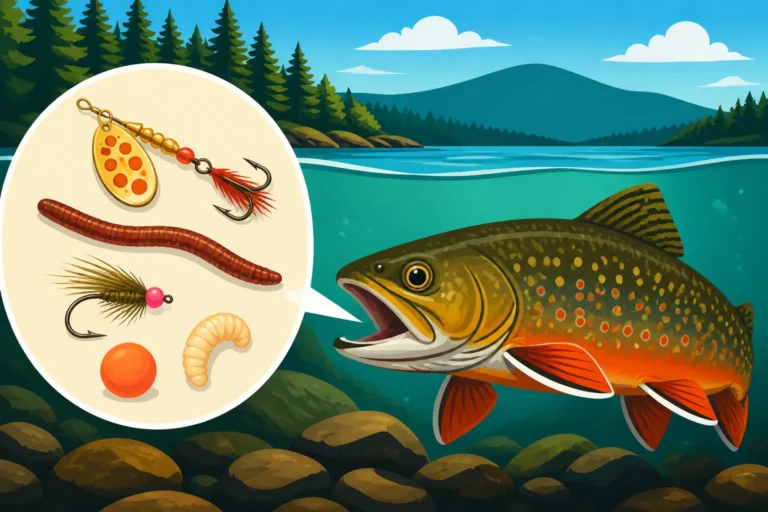
- Fly Fishing: For many, fly fishing is the quintessential method for brook trout in ponds. Small dry flies (like Elk Hair Caddis, Adams, or Stimulators) are deadly during hatches, especially in the evening. Nymphs (like Prince Nymphs or Pheasant Tails) and small streamers (Woolly Buggers, Gray Ghosts) can be highly effective when fish are feeding sub-surface. Stealth is crucial; approach quietly and cast accurately.
- Spin Fishing: If fly fishing isn't your style, ultralight spinning gear with small spinners (e.g., Mepps Aglia or Panther Martin, sizes #0-#2) or tiny spoons (like Kastmasters or Dardevles) can be incredibly productive. Work these lures slowly, varying your retrieve to mimic injured baitfish.
- Live Bait: A simple worm, presented under a small bobber or slowly drifted along the bottom, can be irresistible to brook trout. Always check regulations for bait restrictions, as some trout ponds are artificial lures or fly-fishing only.
Remember, brook trout are often found near the surface in cooler months (spring, fall, and early summer mornings/evenings) and will retreat to deeper, cooler water or spring holes during the heat of summer. Our dedicated guide to Brook Trout Fishing in Maine provides even more in-depth strategies for targeting these beautiful fish.
Best Approaches for Largemouth and Smallmouth Bass
Many central and southern Maine ponds are excellent bass fisheries, offering thrilling action for both largemouth and smallmouth. These species provide a strong fight and readily strike a variety of lures.
- Largemouth Bass: Look for largemouth in shallow, weedy areas, around lily pads, submerged timber, and docks.
- Topwater Lures: Frogs, poppers, and walking baits are incredibly exciting in low light conditions or when bass are active near cover.
- Soft Plastics: Texas-rigged worms, Senkos, and creature baits are highly effective when pitched into heavy cover or along weed lines.
- Spinnerbaits and Chatterbaits: These are great for covering water and triggering reaction strikes, especially around grass and sparse cover.
- Jigs: Flipping and pitching jigs into dense cover can entice larger bass.
- Smallmouth Bass: Smallmouth prefer clearer water, rocky bottoms, and deeper structures like ledges and humps.
- Tube Jigs and Grubs: These are fantastic for imitating crawfish, a primary food source for smallmouth.
- Jerkbaits and Crankbaits: Effective for covering open water and enticing strikes from aggressive fish.
- Drop-Shot Rigs: Excellent for targeting deeper smallmouth when they are less active.
Ponds offer a perfect environment for kayak or canoe fishing for bass, allowing you to stealthily approach prime cover. For more detailed tips on landing these aggressive fighters, check out our Smallmouth Bass Fishing in Maine guide.
Engaging Warmwater Species and Ice Fishing Tactics
Beyond trout and bass, Maine ponds are home to an abundance of other fun-to-catch warmwater species like chain pickerel, yellow perch, and white perch. These fish are often eager biters, providing continuous action, making them fantastic targets for casual anglers and families.
- Chain Pickerel: These aggressive predators are found in virtually every pond with vegetation. They'll strike nearly anything, from flashy spoons and spinners to plastic worms and live minnows. Their sharp teeth require a leader, but they offer an exciting, spirited fight.
- Yellow and White Perch: These schooling fish are prolific in most ponds. They readily hit small jigs, worms, or even tiny spoons. Find one, and you've likely found a whole school, providing fast-paced action.
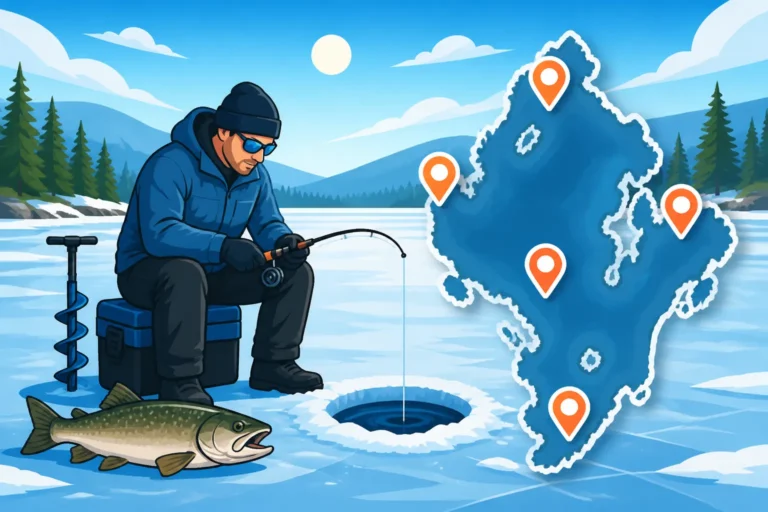
- Ice Fishing Opportunities: Many Maine ponds freeze solid in winter, transforming into popular ice fishing destinations.
- Tip-ups: These are essential for setting multiple lines (check line limits for specific ponds) and covering more area, particularly for pickerel, bass, and any trout present. Live minnows are a top bait.
- Jigging: Using a short ice rod with small jigs tipped with bait (like a piece of worm or a small minnow) is effective for perch, crappie, and sometimes even trout.
The quiet, frozen landscape of a pond during winter is a magical experience. Make sure to consult our Maine Ice Fishing Techniques Guide for crucial safety tips and effective methods before heading out onto the hardwater.
Choosing Your Ideal Maine Fishing Pond
With thousands of ponds scattered across the state, deciding where to cast your line can feel a bit overwhelming. The key is to match a pond's characteristics with your personal fishing goals and preferences.
Matching a Pond to Your Fishing Goals
Consider what you're hoping to get out of your fishing trip:
- For Wilderness Solitude and Wild Trout: If your dream is to escape civilization, hike into a pristine environment, and pursue native brook trout, then focus on the remote ponds of Northern and Western Maine, particularly in Aroostook, Piscataquis, and the Rangeley Lakes Region. Be prepared for challenging access and potentially longer travel times, but the reward of untouched beauty and truly wild fish is unparalleled. These trips often involve more planning and a higher level of self-sufficiency.
- For Family-Friendly Fun and Consistent Action: If you're looking for an easier outing, perhaps with children or beginners, where consistent bites are the priority, then more accessible ponds in Central and Southern Maine (Kennebec, Somerset, Cumberland, York counties) are ideal. These waters often teem with panfish, bass, and regularly stocked trout, offering plenty of action and less strenuous access. They’re perfect for introducing newcomers to the joy of fishing.
- For Bass and Warmwater Excitement: If you love the thrill of battling largemouth or smallmouth bass, or the aggressive strikes of chain pickerel, many ponds throughout Central and Southern Maine, including the Belgrade Lakes area, provide excellent opportunities. Look for ponds with abundant vegetation, submerged structure, and warmer water temperatures. These are often great for kayak or canoe fishing, allowing you to get into prime bass habitat.
- For Ice Fishing Adventures: In winter, nearly any pond that safely freezes over becomes a potential ice fishing hot spot. Ponds are often safer bets for early and late ice than larger lakes due to consistent freezing. Target ponds known for perch, pickerel, and bass for reliable action.
Leveraging Resources for Pond Discovery and Local Knowledge
Finding the right pond often comes down to research and local insights. Don't rely solely on what you already know; there's always a new gem to discover.
- Maine IFW Fishing Guides: The Maine Department of Inland Fisheries & Wildlife (IFW) publishes detailed fishing reports, online maps, and specific regulations for individual water bodies. Their website is an invaluable resource for identifying ponds, understanding their fish populations, and checking special regulations. They often categorize ponds by species emphasis (e.g., "Trout Ponds," "Bass Ponds").
- Topographical Maps and Satellite Imagery: For remote ponds, studying topographical maps (both paper and digital) can reveal hidden waters and potential access routes. Satellite imagery is fantastic for spotting clearings, logging roads, and even determining the amount of aquatic vegetation or structure in a pond.
- Local Bait and Tackle Shops: These are goldmines of local knowledge. Shop owners and staff are often passionate anglers themselves and can provide up-to-the-minute information on hot spots, effective baits, and changing conditions. Don't be shy about striking up a conversation.
- Fishing Forums and Online Communities: Online forums dedicated to Maine fishing are great places to ask questions, share experiences, and gather tips from other anglers.
- Hiring a Maine Fishing Guide: While primarily known for connecting anglers with offshore and lake charters, platforms like FishingBooker can also be a valuable resource for finding local guides who possess intimate knowledge of smaller, less-traveled ponds. Many experienced guides list their services, and a quick search or direct inquiry can often lead you to someone who specializes in these hidden gems. A skilled Registered Maine Guide can cut years off your learning curve, safely lead you to remote locations, and teach you techniques specific to the local waters. Our article on Hiring a Maine Fishing Guide offers more guidance on finding the perfect expert to lead your pond adventure.
By combining these resources and considering your personal fishing preferences, you'll be well on your way to discovering your next favorite Maine fishing pond.
| Pond Type | Primary Target Species | Typical Access Level | Recommended Gear | Experience Level |
|---|---|---|---|---|
| Remote Trout Ponds | Wild Brook Trout, Splake, Landlocked Salmon | Hike-in, logging roads, canoe portage | Ultralight spin/fly gear, lightweight canoe/kayak, waders, navigation tools | Intermediate-Expert |
| Accessible Bass/Panfish Ponds | Largemouth/Smallmouth Bass, Perch, Pickerel, Sunfish | Roadside, short walk, public launch | Medium-light spin gear, bass lures, worms, small boat/kayak | Beginner-Intermediate |
| Stocked Trout Ponds | Brook Trout, Rainbow Trout, Brown Trout | Roadside, short walk, public launch (often carry-in) | Light spin/fly gear, worms, small spinners/flies | Beginner-Intermediate |
| Mixed Species Ponds | Varies (Bass, Trout, Pickerel, Perch) | Moderate drive/walk | Versatile spin/fly gear, mixed tackle selection, kayak | Intermediate |
Disclaimer
Fishing regulations in Maine are subject to change. Always consult the latest Maine Department of Inland Fisheries & Wildlife (IFW) fishing law book or their official website before heading out on the water to ensure you are compliant with all current rules and regulations. Safety should always be your top priority when fishing in Maine's varied waters.