Maine Bass Limit in the South Zone
Few things are as frustrating for an angler as heading out to a favorite fishing spot, having a great day, and then realizing you're not entirely sure about the legal limits for the fish you've caught. Maine's bass regulations, especially when it comes to distinguishing between its North and South Zones and various species, can sometimes feel like a labyrinth. This guide is here to untangle that confusion, specifically focusing on the daily bag and length limits for bass in the state's South Zone, so you can fish with confidence and stay on the right side of the law.
Decoding Maine's Fishing Zones and Bass Species
Before we dive into the specific numbers, it’s crucial to understand the foundational elements of Maine's fishing regulations: its distinct fishing zones and the different types of bass you might encounter. Misunderstanding these basics is often where anglers get into trouble, so let's clear things up.
The Geographic Divide: North vs. South Zones
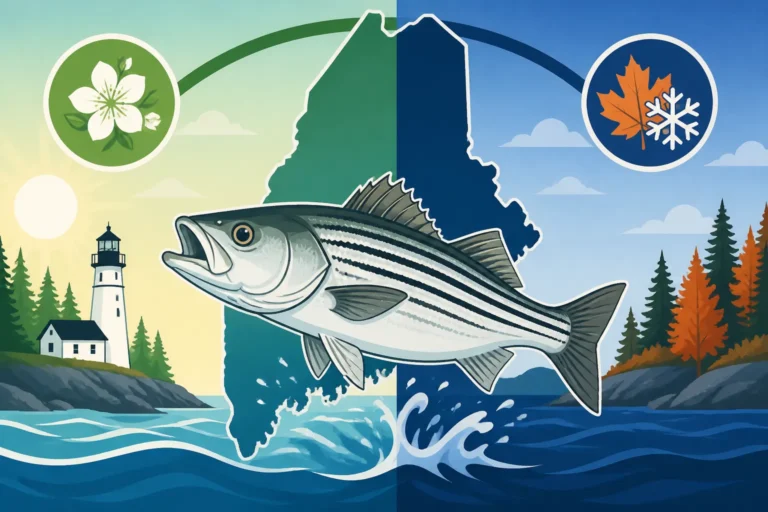
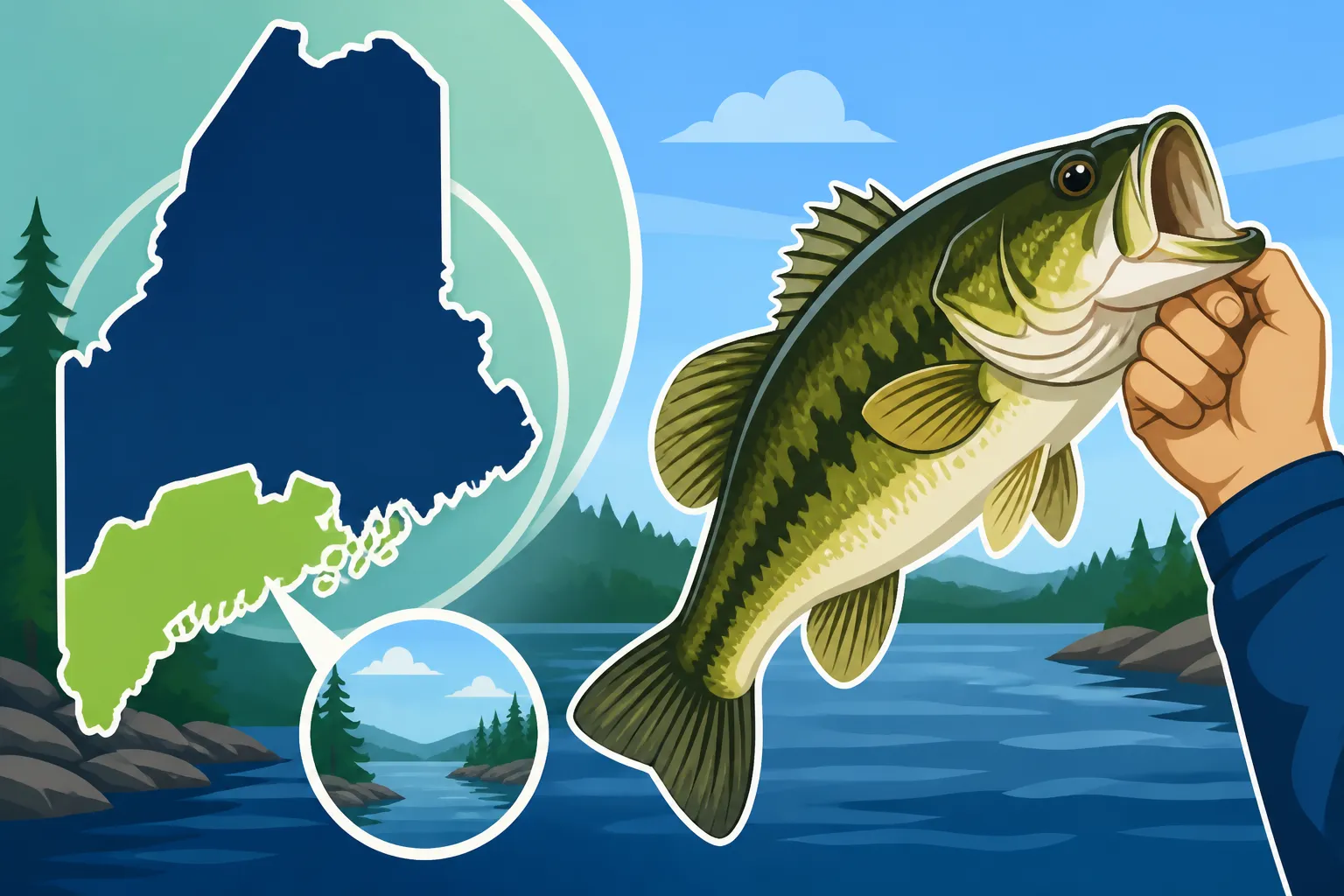
Maine isn't a monolithic fishing state where one set of rules applies everywhere. Instead, it's intelligently divided into two primary zones: the North Zone and the South Zone. This isn't just an arbitrary line on a map; it's a practical management strategy born from the significant ecological differences across the state. Southern Maine generally experiences a longer open water season, milder winters, and different fish habitats compared to the more remote, colder, and harsher conditions of Northern Maine. These environmental factors directly influence fish populations, their growth rates, and spawning cycles, necessitating different conservation approaches.
For bass fishing, this distinction is paramount because the regulations can vary significantly between zones. The South Zone, where many of Maine’s most popular lakes and ponds are located, typically encompasses the more densely populated areas and extends inland. Think of waters like Sebago Lake, the Belgrade Lakes region (including Great Pond and China Lake), or even many smaller ponds around Augusta, Portland, and Bangor. Knowing whether your specific fishing destination falls into the North or South Zone is the first step in ensuring you're compliant with all local laws. If you're new to the area or unsure about a particular body of water, it's always wise to consult the official Maine Department of Inland Fisheries and Wildlife (MDIF&W) resources. Our detailed guide on Maine North Zone vs South Zone Fishing Rules offers an even deeper dive into this critical distinction.
Knowing Your Target: Smallmouth vs. Largemouth Bass
Once you've pinpointed your fishing zone, the next step is to accurately identify the bass species you're targeting or have just reeled in. While Maine's South Zone often applies similar general laws to both smallmouth and largemouth bass, distinguishing between the two is still a vital skill for any responsible angler. Why? Because special regulations for specific waters might differentiate between them, and precise identification ensures you're always following the correct rule for that particular fish.
Smallmouth bass, often referred to as "bronzebacks," are typically found in cooler, clearer waters, favoring rocky bottoms and swift currents in rivers and deeper lake sections. They have a sleek body, and their upper jaw doesn't extend beyond the eye. Their coloration usually ranges from brown to bronze, with distinct vertical bars or blotches along their sides. Largemouth bass, on the other hand, prefer warmer, weedier, and often muddier waters, thriving in shallow coves and areas with plenty of submerged vegetation. Their most distinguishing feature is their larger mouth, with the upper jaw extending well past the eye. They tend to be greener with a prominent horizontal dark stripe running along their body. Familiarizing yourself with these key visual cues is essential, and our guide on How to Identify Smallmouth vs Largemouth Bass provides excellent tips and visuals to help you become a pro at telling them apart.
The Specifics of Maine's South Zone Bass Limits
Now that we've covered the foundational knowledge of zones and species, let's get down to the nitty-gritty: the actual daily bag and length limits for bass in Maine's South Zone under general law. This is where many anglers focus their attention, and for good reason—these are the rules that dictate what you can keep.
General Law: Daily Bag and Length Requirements
For both smallmouth and largemouth bass in the South Zone, the general law sets a specific daily bag limit and minimum length requirement. It's not just a simple "catch five and go"; there's a crucial detail that often catches anglers off guard. Under the general law for open water fishing in Maine’s South Zone, you are permitted a daily bag limit of five (5) bass. However, and this is the important part, no more than two (2) of those five fish can be over 14 inches in total length.
This "two over 14 inches" rule is a key component of Maine's bass management strategy. It's designed to protect larger, often more reproductively successful bass, while still allowing anglers to keep a reasonable number of smaller fish. So, you might catch seven bass that are all 13 inches long; you could only keep five of them. Or, if you catch three bass that are 15 inches, you would have to release one of them, even if you’ve only kept two other smaller fish. This nuanced rule emphasizes selective harvesting and contributes to healthier bass populations in the long run. Always double-check your measurements carefully before deciding to keep a fish. You can find more comprehensive details on these regulations and how they compare across zones in our Maine Bass Fishing Limits by Zone guide.
To make it a little clearer, here's a quick summary table for the South Zone:
| Species | Daily Bag Limit | Minimum Length | Special Conditions |
|---|---|---|---|
| Smallmouth Bass | 5 fish | 12 inches | No more than 2 fish over 14 inches total length |
| Largemouth Bass | 5 fish | 12 inches | No more than 2 fish over 14 inches total length |
Beyond General Law: Special Regulations for Specific Waters
While the general law provides a baseline for bass limits in the South Zone, it's absolutely critical to understand that many individual lakes, ponds, and rivers in Maine have special regulations that override or modify the general law. This is a common point of confusion and frustration for even experienced anglers. Just because you know the general bass limit for the South Zone doesn't mean it applies to every water body within that zone. Maine's fisheries biologists are incredibly dedicated to managing specific waters based on their unique ecological characteristics, fish populations, and angling pressure.
These special regulations might include different daily bag limits (e.g., "catch and release only," or a reduced number of fish), different length limits (e.g., a "slot limit" where you can only keep fish between certain lengths, or a higher minimum length), or even specific gear restrictions. For example, a particular lake known for producing trophy bass might be designated "catch and release only" for that species to protect its breeding stock and promote larger fish. These specific rules are detailed in the annual Maine Open Water Fishing Regulations book. Skipping this step and relying solely on general law could inadvertently lead to a violation. If you're curious about the deeper meaning of these localized rules, our article on What Is a Maine Special Regulation Water? explores why these specific rules are so important for conservation.
Essential Practices for Responsible Bass Anglers
Knowing the rules is one thing, but practicing responsible angling habits is another. Adhering to regulations also means being prepared to measure your fish accurately and handle them properly, especially those you intend to release. It’s all part of being a good steward of Maine’s precious fisheries.
Accurate Measurement and Ethical Handling
So, you've caught a bass in the South Zone, and you need to determine if it meets the 12-inch minimum or falls within that critical "over 14 inches" bracket. Accurate measurement is non-negotiable. The best practice is to use a rigid measuring board or tape measure, laying the fish flat on its side. Ensure the fish's mouth is closed, resting against a perpendicular surface (like the end of the measuring board), and gently pinch its tail to get the full length measurement to the nearest quarter-inch. A soft tape measure can be less accurate, especially if the fish is squirming, so a sturdy measuring device is always recommended. You can find reliable measuring boards at most sporting goods stores or even online retailers like Amazon, ensuring you're always prepared.
Beyond measuring, ethical handling of your catch, particularly for fish you plan to release, is paramount for their survival. Bass are generally hardy, but improper handling can cause significant stress or injury. Always try to minimize the time the fish is out of the water. Handle them with wet hands to avoid removing their protective slime coat. If possible, use a net with rubberized mesh to reduce scale damage. Avoid touching their gills or eyes. If you need to remove a hook, use a de-hooking tool or needle-nose pliers, and if the hook is deeply ingested, it's often better to cut the line as close to the hook as possible than to attempt a risky removal. Carefully release the fish, holding it gently in the water until it's ready to swim away under its own power. These practices, outlined further in our Catch and Release Best Practices in Maine guide, ensure that future generations of anglers can also enjoy Maine's thriving bass populations.
Penalties and Conservation
Ignoring Maine's fishing regulations, even unintentionally, can lead to serious consequences. The state takes its fisheries management very seriously, and wardens are diligent in enforcing the rules. If you're caught violating bass limits—whether it's keeping undersized fish, exceeding the daily bag limit, or keeping too many fish over 14 inches—you could face significant fines. These penalties can range from hundreds of dollars for a first offense and can escalate for repeat offenders. Beyond monetary fines, violations can also lead to the suspension or revocation of your fishing license, meaning you could be barred from fishing in Maine for a period of time. This is a tough lesson to learn, and one that is entirely avoidable by simply being informed. For a broader understanding of what happens when regulations are overlooked, our post on Fishing Without a License in Maine touches on the seriousness of all fishing law violations, and Penalty for Keeping an Undersized Fish in Maine provides specific context to size limit infractions.
Beyond the legal ramifications, respecting bass limits is a fundamental aspect of conservation. These regulations aren't just arbitrary rules; they are carefully crafted by MDIF&W biologists to maintain healthy, sustainable fish populations. By adhering to length and bag limits, you're directly contributing to the long-term health of Maine's bass fisheries, ensuring there are plenty of fish for everyone to enjoy for years to come. It’s about more than just avoiding a fine; it’s about preserving a vital natural resource and the tradition of angling that so many of us cherish.
Accessing Official Maine Fishing Regulations
The absolute best way to stay informed and avoid any unintended violations is to always consult the official source: the Maine Department of Inland Fisheries and Wildlife (MDIF&W). They are the ultimate authority on all fishing regulations in the state, and their resources are designed to be user-friendly and comprehensive.
Where to Find the Latest Information
Every year, the MDIF&W publishes its comprehensive Maine Open Water and Ice Fishing Regulations book. This physical guide is an essential tool for any angler, containing all the general laws, zone distinctions, and, most importantly, the specific special regulations for individual lakes and ponds across the state. You can pick up a free copy at most bait and tackle shops, town offices, or anywhere fishing licenses are sold throughout Maine. It’s a habit every Maine angler should adopt: grab the new book each season and familiarize yourself with any changes, especially for the waters you plan to fish.
In addition to the physical book, the MDIF&W website is an invaluable online resource, offering up-to-date regulations, searchable databases for specific waters, and even an interactive map. Many anglers find the digital resources incredibly convenient, allowing them to check rules on the fly using their smartphone or tablet. There are also official MDIF&W apps available that put this information right in your pocket. Always prioritize these official sources over anecdotal information from friends or online forums. Our guides like Maine Fishing Law Book Where to Get One and Maine Fishing Regulations App and Website can help you quickly locate and utilize these essential resources, ensuring you're always fishing legally and responsibly.
Disclaimer
Please note that fishing regulations can change. While this guide provides a comprehensive overview based on current information, it is your responsibility to consult the official Maine Department of Inland Fisheries and Wildlife (MDIF&W) regulations before heading out to fish. Always refer to the most recent official Maine Open Water Fishing Regulations book or the MDIF&W website for the most accurate and up-to-date information.