Do You Need a License on Maine Free Fishing Weekend?
It's incredibly frustrating when you're itching to get out on the water, maybe for the very first time, and you're not sure if you need to jump through the hoops of buying a fishing license. Maine offers a wonderful opportunity with its Free Fishing Weekends, but understanding the specific rules around these days can feel like trying to untangle a bird's nest of fishing line. This guide is here to cut through that confusion, clearly outlining who needs a license, who doesn't, and what regulations still apply during these special times.
Understanding Maine's Free Fishing Weekend
Maine's Free Fishing Weekends are a fantastic initiative designed to get more people, especially families and those new to the sport, out enjoying the state's incredible waterways without the initial barrier of a license purchase. It's a chance to dip your toes (or your line!) into fishing and see if it hooks you.
What Exactly is Free Fishing Weekend?
Imagine a couple of days a year when the state of Maine essentially says, "Come on down, cast a line, and enjoy yourselves – no fishing license required!" That's the essence of Free Fishing Weekend. These events are specifically designated periods, usually one in winter for ice fishing and another in early summer for open water fishing, where the general public can fish in Maine's inland waters without needing to purchase a valid Maine fishing license.
The purpose is genuinely to encourage participation, introduce new anglers to the joys of the sport, and provide a low-stakes way for families to spend quality time outdoors. For example, the winter event often coincides with Valentine's Day weekend, making it a unique way to celebrate with loved ones on the ice. The summer event typically lands on the first full weekend of June, right as the weather warms up and many popular species are active. It’s a perfect opportunity for someone who has always been curious about fishing but hesitated due to the cost or perceived complexity of getting a license. Think of it as a try-before-you-buy experience for fishing in Maine, designed to foster a love for the outdoors.
Who Qualifies for Free Fishing?
During Maine's Free Fishing Weekends, the license requirement is temporarily waived for most individuals. This means residents and non-residents alike, who would ordinarily need a license, can fish without one. It's a broad exemption designed to be inclusive. However, it's crucial to remember that some age-based exemptions always apply, regardless of whether it's a "free" weekend or not. For instance, children under the age of 16 generally do not need a fishing license in Maine at any time of year. So, for a child who is already exempt, the Free Fishing Weekend simply reinforces that they can continue to fish license-free.
For everyone else – adults, teenagers 16 and older – these weekends are a golden ticket to fish without the usual licensing step. This is a common question, and yes, even if you’re visiting from out-of-state and would normally need a Maine Nonresident Fishing License Cost, you can participate license-free during these specific dates. But, and this is a significant "but," while the license itself is waived, all other Maine fishing regulations remain in full effect. This distinction is absolutely critical to avoid any misunderstandings or potential penalties.
The Crucial "No License Required" Details
Alright, let's get right to the heart of the matter because this is where a lot of folks get tripped up. The simple answer to "Do you need a license on Maine Free Fishing Weekend?" is generally no, for eligible participants, but there are layers to that answer that you absolutely need to understand.
General Exemption During Free Fishing Days
During Maine's official Free Fishing Weekends, the requirement for most individuals to possess a valid fishing license is temporarily lifted. This is a direct and intentional exemption put in place by the Maine Department of Inland Fisheries and Wildlife (MDIFW) to promote recreational fishing. So, if you're an adult resident or non-resident, and you're fishing strictly within the dates and designated waters (inland waters, typically) of the Free Fishing Weekend, you do not need to purchase or carry a fishing license.
This exemption often causes a bit of head-scratching because we're so accustomed to the idea that fishing always requires a license. It’s ingrained in our fishing culture, and for good reason—license fees directly fund conservation efforts, fish stocking, and habitat management. So, when the state says "free," it can feel almost too good to be true, leading many to double-check. But rest assured, on these specific dates, you can leave your wallet in your pocket, at least for the license part! Just make sure you know the exact dates for the year, as they can sometimes shift slightly. You can often find the official dates for the current year, or future ones like Maine Free Fishing Weekend Dates for 2026, directly on the MDIFW website.
What Regulations Still Apply?
Here's the part that catches many inexperienced anglers off guard: while the license requirement is waived, the vast majority of Maine Fishing Regulations Explained still apply. Think of it this way: the "ticket to entry" (the license) is free, but all the "rules of the game" are still firmly in place. Ignoring these can quickly turn a fun day into a frustrating encounter with a game warden.
You absolutely must adhere to:
- Bag Limits and Length Limits: Every species has specific rules about how many you can keep and what size they need to be. For instance, if you're fishing for brook trout, there will be a specific daily bag limit and minimum length you can keep. The same goes for species like landlocked salmon, smallmouth bass, or lake trout (often called togue in Maine). These limits are in place to ensure sustainable fish populations for everyone's enjoyment. Don't assume that just because it's free fishing, you can keep whatever you catch.
- Season Dates and Water-Specific Regulations: While Free Fishing Weekend usually falls within prime fishing seasons, some specific waters might have unique closed seasons or special rules. Certain lakes or sections of rivers might be catch-and-release only, or have specific bait restrictions. Always check the MDIFW law book or their website for the specific body of water you plan to fish. You wouldn't want to unknowingly fish in a section that's closed or has highly restrictive rules.
- Terminal Tackle Restrictions: Maine has regulations on the types of tackle you can use. A significant one is the upcoming Maine Lead Jig Fishing Ban which will prohibit the use of lead sinkers and unpainted lead jigs in inland waters starting September 1, 2026. Even before then, being mindful of your tackle choices is important. Knowing what's allowed and what isn't helps protect wildlife.
- Number of Lines Allowed: This is a big one, especially if you're trying out ice fishing during the winter Free Fishing Weekend. While you might be tempted to set up multiple lines to increase your chances, Maine has strict limits. For open water fishing, you're typically limited to two lines per person. For ice fishing, the rules are different, often allowing more traps or lines, but still with a maximum number per person, as detailed in the Maine Ice Fishing Line Limits or Maine Open Water Line Limits guides. Exceeding these limits is a direct violation.
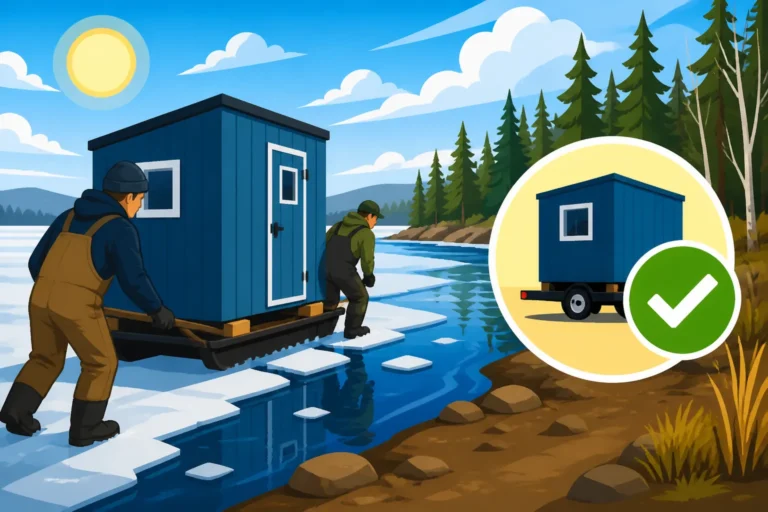
- Ice Fishing Shack Rules: If you're participating in the winter Free Fishing Weekend, and you use an ice fishing shack, remember that even though you don't need a license, all rules regarding shack registration, identification, and especially removal deadlines (like Ice Fishing Shack Removal Rules after ice-out) are still in full effect.
In essence, Free Fishing Weekend is about waiving the administrative step of licensing, not about waiving the conservation rules that protect Maine's fish populations and natural resources. Always carry a copy of the current regulations or have access to them on your phone, and if in doubt, err on the side of caution.
Planning Your Free Fishing Weekend Adventure
So, you're ready to take advantage of Free Fishing Weekend! That's fantastic. To make the most of it, a little planning goes a long way. This isn't just about showing up with a rod; it's about creating a fun, safe, and memorable experience, especially if you're bringing along newcomers.
Essential Gear and Preparations
You don't need to break the bank to get started, but having some basic gear will certainly improve your chances and comfort level. For a casual outing, you'll want:
- Rod and Reel Combo: A simple spinning rod and reel combo is perfect for beginners. You can find very affordable starter kits online, perhaps even on reputable sites like Amazon, which offer basic setups that are more than adequate for catching panfish or small trout. Brands like Zebco or Ugly Stik often have durable, user-friendly options. Make sure it's already spooled with line, usually 6-10 lb test monofilament is a good all-around choice.
- Terminal Tackle: This includes hooks (size 6 or 8 are versatile), sinkers (non-lead options are best to get in the habit of using, even before the 2026 ban), and bobbers. A small assortment of lures like spinners or small spoons can also be fun to try.
- Bait: Live bait like worms or minnows are often irresistible to many freshwater species and can be purchased at local bait shops. Artificial baits work too, but live bait can be a confidence booster for new anglers.
- Pliers/Forceps: Essential for safely removing hooks from fish.
- Measuring Tape: Crucial for ensuring your catch meets length limits before deciding to keep or release.
- Cooler with Ice: If you plan on keeping fish for dinner, you'll need a way to keep them fresh.
- Weather-Appropriate Clothing: Maine weather can be unpredictable! Dress in layers, and bring rain gear, even if the forecast looks clear. If it's the winter Free Fishing Weekend, proper insulation, waterproof boots, and warm layers are absolutely critical for safety and comfort.
- Sun Protection: Sunscreen, a hat, and sunglasses are vital, even on cloudy days.
- Bug Spray: Especially in late spring and summer, mosquitoes and black flies can be relentless.
- Water and Snacks: Stay hydrated and energized!
- Basic First Aid Kit: For minor cuts, scrapes, or hook pokes.
Think about how you'll transport your gear. A small tackle box or a backpack dedicated to fishing essentials can make a big difference in keeping things organized and accessible.
Finding the Right Fishing Spot
Choosing your location is key, especially if you’re new to fishing or bringing kids. You want somewhere accessible, relatively safe, and with a good chance of catching something.
- Public Access Ponds and Lakes: Maine has countless public boat launches and shore fishing access points. Look for smaller ponds or lakes that are known for panfish (like perch) or stocked trout. These species are often more abundant and easier for beginners to catch, providing that instant gratification that can hook a new angler.
- MDIFW Stocking Reports: The MDIFW often stocks various waters with brook trout and other species before the summer Free Fishing Weekend. Checking their stocking reports can lead you to a spot where the odds of success are higher. These reports are usually available on their website.
- Consider "Beginner-Friendly" Locations: Some areas are inherently better for those just starting out. You might find great advice for specific spots in resources like Best Fishing Spots for Beginners Near Bangor or Best Fishing Spots for Beginners Near Portland. These often highlight places with easy shore access and good fish populations.
- Safety First: Always choose a spot that’s safe. Check for slippery banks, deep drop-offs, or fast currents, especially if fishing with children. Be aware of your surroundings, and if fishing on ice, always ensure the ice is thick and safe (a minimum of 4 inches of clear, solid ice is usually recommended for foot travel).
Teaching and Learning During Free Fishing Weekend
Free Fishing Weekend isn't just about catching fish; it's about the experience and sharing knowledge.
- Mentorship Opportunity: If you’re an experienced angler, this is your chance to shine as a mentor. Patiently teach casting techniques, knot tying (a simple Palomar knot is a great one to start with), baiting hooks, and how to safely handle and release fish.
- Focus on Fun, Not Just Fish: While catching fish is exciting, emphasize the joy of being outdoors, observing nature, and spending time together. Sometimes the fish just aren’t biting, and that’s okay.
- Resources for Beginners: Encourage new anglers to explore beyond the weekend. There are many online tutorials, books (easily found on Amazon, covering everything from knot tying to Fly Fishing for Beginners in Maine), and local fishing clubs that can help foster a lifelong passion. Explain the importance of understanding fish behavior, reading the water, and identifying different species, which you can learn more about in the Maine Fish Species Identification Guide.
Beyond Free Fishing Weekend: Continuing Your Maine Angling Journey
Hopefully, your Free Fishing Weekend experience was so positive that you're now hooked on fishing in Maine! While those special days are a fantastic introduction, most of the time, you'll need a license. Understanding when and how to get one is the next step in becoming a confident Maine angler.
Understanding When a License Is Required
Outside of the officially designated Free Fishing Weekends, a valid Maine fishing license is generally mandatory for anyone 16 years of age or older to fish in the state's inland waters. This applies to both residents and non-residents. The age requirement is firm, so if you're turning 16 soon or have a young angler who is, it's time to start thinking about getting their first license. You can find more detailed information on specific age requirements in our guide on Fishing License Age Requirements in Maine.
There are various types of licenses available to suit different needs, from annual resident licenses to multi-day non-resident options like the Maine 3-Day Nonresident Fishing License. These licenses typically run on a calendar year, expiring on December 31st, regardless of when you purchase them during the year. So, if you buy one in October, it still expires at the end of December. Knowing these nuances will save you a headache later on.
How to Obtain Your Maine Fishing License
Getting a Maine fishing license is a straightforward process, designed to be as convenient as possible. You have a few main options:
- Online: This is by far the most popular and convenient method. The MDIFW website offers an intuitive online portal where you can purchase your license from the comfort of your home. You can simply print it out right after purchase, making it ideal for last-minute decisions to go fishing. This method is detailed in our article, How to Buy a Maine Fishing License Online.
- In-Person at an Agent: Many sporting goods stores, bait shops, town offices, and even some large retailers (like Walmart) throughout Maine are licensed agents where you can purchase a fishing license. This is a great option if you prefer face-to-face service, need to ask questions, or want to pick up some local bait and tackle at the same time. Check out Where to Buy a Maine Fishing License for more specific locations.
- By Mail: While less common today, you can also download a license application form from the MDIFW website, fill it out, and mail it in with a check or money order. Just remember to factor in mailing time if you choose this option.
When purchasing, you'll need to provide some personal information, including proof of residency if you're applying for a resident license. Make sure you have a valid ID ready.
Benefits of Holding a Full Fishing License
Beyond simply complying with the law, purchasing a full Maine fishing license offers several significant benefits:
- Direct Support for Conservation: Your license fees are vital. They go directly back into the MDIFW's budget, funding critical programs like fish stocking, habitat restoration, scientific research, and law enforcement. Essentially, every license purchased contributes to ensuring that Maine's incredible fishing resources remain healthy and abundant for future generations. It’s an investment in the sport you love.
- Year-Round Fishing Access: With a valid license, you're free to fish Maine's waters whenever and wherever the seasons and regulations allow. This means you can enjoy the thrill of spring salmon runs, the relaxed pace of summer bass fishing, the beauty of fall trout fishing, or the camaraderie of winter ice fishing. You're not restricted to specific "free" days.
- Peace of Mind and Legal Compliance: There’s a certain peace of mind that comes with knowing you’re fully compliant with all state regulations. You won’t have to worry about running into a game warden and potentially facing fines for fishing without a license, as discussed in topics like Fishing Without a License in Maine. A license signifies you're a responsible angler, contributing to the management and preservation of Maine's natural heritage.
- Access to Information and Resources: By engaging with the MDIFW through licensing, you're also connected to their vast array of resources, including updated law books, stocking schedules, and educational materials that can enhance your fishing knowledge and success. This helps you understand all the Maine Fishing Laws for Beginners and beyond.
| Who is Fishing? | Needs a License During Free Fishing Weekend? | Needs a License Outside Free Fishing Weekend? |
|---|---|---|
| Maine Resident (Age 16+) | No | Yes |
| Non-Resident (Age 16+) | No | Yes |
| Anyone Under Age 16 | No (Always exempt) | No (Always exempt) |
| Disabled Veteran (Eligible) | No (Always exempt) | No (Always exempt, with proper documentation) |
| Active Duty Military (Eligible) | No (Often exempt/discounted with proper ID) | No (Often exempt/discounted with proper ID) |
This table provides a quick overview, but always check the official MDIFW regulations for specific details, especially concerning military and disabled veteran exemptions, which have specific requirements outlined in resources like Disabled Veteran Fishing License Eligibility or Fishing License Rules for Active Military.
Disclaimer
Please remember that fishing regulations are subject to change. While every effort has been made to provide accurate and up-to-date information, it is always your responsibility to consult the most current Maine Department of Inland Fisheries and Wildlife (MDIFW) regulations before heading out to fish. This guide is for informational purposes only and should not be considered a substitute for the official rules and laws.