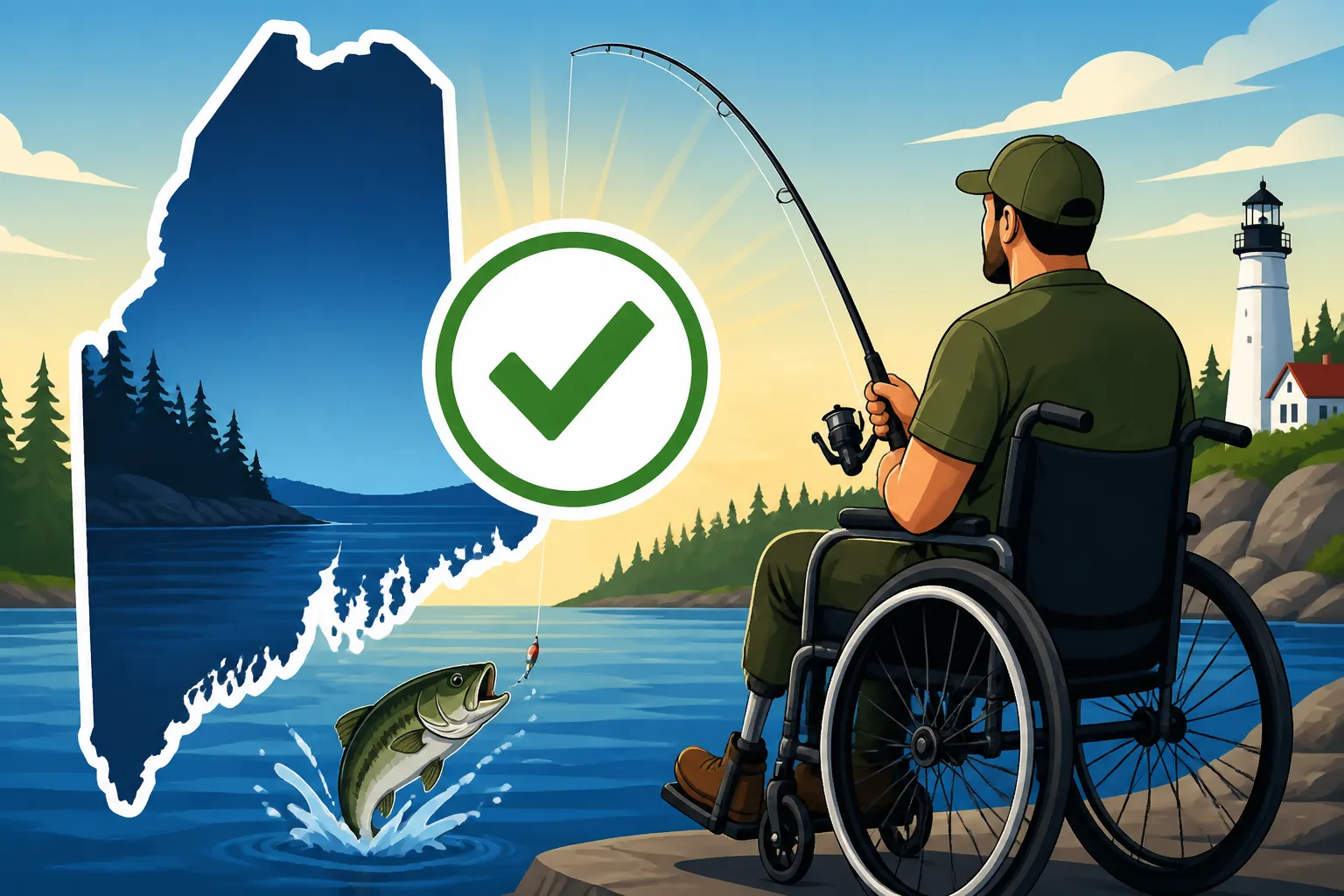
Do 100 Percent Disabled Veterans Fish Free in Maine?
It can be incredibly frustrating to navigate the seemingly endless maze of fishing regulations, especially when you've already sacrificed so much for our country. For 100% disabled veterans, trying to figure out if you're eligible for a free fishing license in Maine shouldn't be another challenge. This guide is here to cut through the confusion and clearly explain Maine's provisions for its disabled veterans, ensuring you can enjoy the peace and tranquility of fishing without unnecessary hurdles.
Understanding Maine's Generosity for Disabled Veterans
Maine, like many states, recognizes the immense sacrifices made by its veterans and offers specific benefits to those who are disabled. When it comes to fishing, there's a clear provision designed to make it easier for qualifying veterans to enjoy the state's incredible waters. It's not just a gesture; it's a well-deserved recognition of their service. However, understanding the exact criteria is key, as "100% disabled" can sometimes have different interpretations across various programs and agencies.
Eligibility for Free Fishing Privileges
For a veteran to fish free in Maine, the state requires official documentation proving 100% service-connected disability. This isn't something that's self-declared; it needs to be certified by the U.S. Department of Veterans Affairs (VA). Many veterans might receive disability compensation for various conditions, but to qualify for this particular benefit in Maine, the total combined disability rating from the VA must be at 100%. It’s critical to have your official VA disability award letter ready, as this is the primary document Maine will accept to verify your status.
Beyond the disability rating itself, Maine also requires proof of residency. This means that while your 100% disability is acknowledged by the VA, you must also be a bona fide resident of Maine to take advantage of this specific state-issued privilege. If you’re an out-of-state veteran with 100% disability, you would still need to purchase a Maine Nonresident Fishing License Cost or a shorter-term option like a Maine 7-Day Nonresident Fishing License to fish here, unless other specific exemptions apply for active duty military stationed in Maine. This distinction between resident and nonresident status is a common point of confusion for many.
The Specifics of the "Free" Privilege
When we talk about "free" fishing for 100% disabled veterans in Maine, we're primarily referring to the general freshwater fishing license. This exemption means you don't have to pay the standard fee that other residents would for their annual fishing license. It's a significant saving and a wonderful way for veterans to access the countless lakes, ponds, and rivers that Maine is famous for, like the serene waters of Moosehead Lake or the sprawling beauty of Sebago Lake.
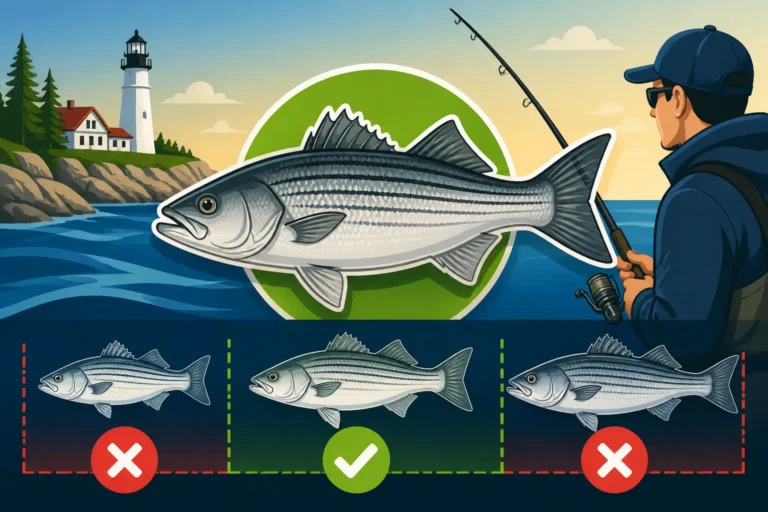
However, it's vital to understand that this exemption typically covers the freshwater fishing license itself. There are other regulations and requirements in Maine that might still apply. For instance, if you plan to fish in coastal waters for species like striped bass or mackerel, you might still need to register with the Maine Saltwater Fishing Registry Guide. While the registry itself is often free, the requirement to register still stands, regardless of your veteran status or disability rating. This is a crucial detail that can trip up even experienced anglers who assume their freshwater exemption covers everything. Always double-check local and special regulations for the specific waters you plan to visit, as detailed in the comprehensive Maine Fishing Regulations Explained.
How to Obtain Your Maine Disabled Veteran Fishing Privilege
Navigating the application process for any benefit can feel like a chore, but Maine has tried to make it as straightforward as possible for disabled veterans. The key is to have all your ducks in a row with the correct documentation. Taking the time to prepare everything beforehand will save you a lot of headache and ensure you can get out on the water sooner rather than later.
Application Process Overview
There are a few ways to secure your disabled veteran fishing privilege in Maine. The most common and often easiest method is to apply in person at an authorized license agent. These agents are located throughout the state, often at local town clerks' offices, sporting goods stores, or even some general stores. They can typically process your application on the spot, issue your permit, and answer any immediate questions you might have about How to Get a Maine Fishing License.
Alternatively, you can often apply by mail through the Maine Department of Inland Fisheries & Wildlife (MDIFW). This option might be more convenient if you live remotely or prefer to handle paperwork from home. You'll need to download the appropriate application form from the MDIFW website, fill it out completely, and mail it along with copies of your required documentation. While convenient, applying by mail can take longer due to processing and postal times, so plan ahead if you choose this route.
Required Documentation
To prove your 100% service-connected disability, the most important document you will need is your official award letter from the U.S. Department of Veterans Affairs. This letter explicitly states your disability rating and its service-connected nature. Make sure the letter clearly indicates a 100% total disability. A benefits summary or a general VA ID card might not be sufficient if it doesn't clearly state the percentage of disability.
In addition to your VA documentation, you'll need proof of Maine residency. This can typically be a valid Maine driver's license or state identification card. If you don't have one, other forms of proof, such as utility bills, property tax bills, or a vehicle registration with your Maine address, might be accepted, but it's always best to check with the MDIFW or a license agent beforehand. This ensures there are no surprises when you go to apply. Sometimes, having a secondary form of identification, like a social security card or passport, can also be helpful, just in case there are any discrepancies or additional verification needed.
What This Privilege Doesn't Cover Important Nuances
While the free fishing privilege for 100% disabled veterans is a fantastic benefit, it's crucial to understand its limitations. Just like a standard fishing license doesn't grant you carte blanche to ignore all other regulations, neither does this special exemption. Maine has a complex and highly managed fishery, and certain rules exist to protect fish populations and ensure fair access for everyone. Overlooking these nuances could inadvertently lead to issues.
Special Stamps or Registries
One of the most common areas of confusion is the distinction between a freshwater fishing license and other specific requirements, such as the Maine Saltwater Fishing Registry Guide. Even with your 100% service-connected disability and resident status, if you plan to fish in Maine's marine waters, you are still required to register with the Maine Saltwater Recreational Fishing Registry. The good news is that this registry is typically free for all Maine residents, regardless of disability status, but the act of registering is mandatory. This is particularly important if you're targeting popular coastal species like striped bass in Casco Bay or mackerel from a pier in Boothbay Harbor.
Furthermore, there are sometimes specific conservation stamps or permits required for certain species or waters. While less common for general fishing, it's always wise to consult the most current Maine Fishing Regulations Explained or directly contact the MDIFW if you plan to engage in highly specialized fishing, like Atlantic salmon angling on specific rivers, which often have very stringent rules and additional permit requirements. These are often tied to conservation efforts and apply universally, even to those with general license exemptions.
Federal Waters and Specific Regulations
Another area where the state-issued privilege has limitations is when fishing in federal waters, which typically extend beyond three nautical miles from shore. While most recreational fishing for common species like striped bass occurs in state waters, if you venture further offshore for deep-sea species such as tuna or groundfish, you might encounter federal regulations that operate independently of Maine's state rules. Federal permits or reporting requirements for certain species may apply, regardless of your state-issued license status.
Additionally, certain specific bodies of water within Maine may have unique, localized regulations that supersede general statewide rules. These "Special Regulation Waters" are often put in place to protect fragile populations or enhance specific fisheries, such as trophy trout waters with catch-and-release only rules or specific length limits that differ from the general law. For example, some ponds might have a stricter Brook Trout Daily Limit in Maine South Zone than others. Always check the MDIFW rulebook for the specific lake, pond, or river you intend to fish. This level of detail is crucial for responsible angling and avoiding accidental violations.
Here's a quick summary of the key requirements for Maine's 100% disabled veteran fishing privilege:
| Requirement | Details | Proof Needed |
|---|---|---|
| Disability Status | 100% service-connected disability, certified by the U.S. Department of Veterans Affairs (VA). | Official VA Award Letter explicitly stating 100% disability. |
| Residency | Must be a bona fide resident of Maine. | Valid Maine Driver's License or State ID. |
| Coverage | Exempts you from purchasing a standard Maine resident freshwater fishing license. | N/A (this is what the privilege grants you) |
| Limitations | Does NOT exempt you from the Maine Saltwater Fishing Registry (registration often free but still required). Does NOT exempt you from federal fishing regulations or specific local/special water regulations. | N/A (these are items you still need to adhere to or apply for) |
Where to Find More Information and Assistance
It's completely normal to have questions, especially with regulations that can be as intricate as fishing laws. The good news is that there are excellent resources available to help you confirm your eligibility and navigate the process. You don't have to figure it all out alone.
Maine Department of Inland Fisheries & Wildlife (MDIFW) Resources
The absolute best and most authoritative source for all fishing regulations in Maine, including those pertaining to disabled veterans, is the Maine Department of Inland Fisheries & Wildlife (MDIFW). Their website is a treasure trove of information, providing access to the current Maine Fishing License Guide, rulebooks, and application forms. They also have contact information for their regional offices, where you can speak directly with knowledgeable staff who can answer specific questions about your situation.
You can often find detailed sections on Maine Fishing License Exemptions that explicitly list who qualifies for free or reduced-cost licenses. It's always a good idea to refer to the official MDIFW sources, as regulations can occasionally be updated. Don't rely solely on word-of-mouth; verify information directly from the source to ensure accuracy and avoid any misunderstandings that could lead to penalties like a Maine Fishing License Fine for No License.
Veteran Support Organizations
Beyond the state agencies, there are numerous veteran support organizations that can provide assistance and advocacy. Groups like the Maine Bureau of Veterans' Services or local VFW and American Legion posts often have staff or volunteers who are intimately familiar with veterans' benefits, both federal and state. They can help you understand your VA documentation, assist with filling out forms, or even direct you to the right person at MDIFW if you have a particularly complex question.
These organizations are often hubs for community and support, and they exist to help veterans access the benefits they've earned. They can be particularly helpful if you're new to Maine or just starting to explore the available benefits. Don't hesitate to reach out to them; they are a valuable resource for navigating everything from fishing privileges to healthcare and housing assistance, making your transition to life back home a little smoother.
Disclaimer
Please note that fishing regulations and policies can change. While every effort has been made to provide accurate and up-to-date information, this guide is for informational purposes only and does not constitute legal advice. Always consult the official Maine Department of Inland Fisheries & Wildlife (MDIFW) website or contact them directly for the most current regulations and specific eligibility requirements before heading out to fish.