What Is Groundfishing and Does Maine Offer It?
Have you ever heard the term "groundfishing" and wondered what it truly means for an angler, especially if you're planning a trip to the beautiful coast of Maine? It's a common point of confusion, and many folks aren't sure if this exciting type of deep-sea angling is even an option in our waters. This guide is here to unravel the mystery, explaining exactly what groundfishing involves and confirming that, yes, Maine absolutely offers fantastic opportunities for it, detailing what you can expect and how to get started.
Understanding the World of Groundfishing
When we talk about fishing, most people picture casting a line into a lake or maybe trolling for salmon. But groundfishing is a whole different ballgame, taking you into the deeper, cooler realms of the ocean where some of the most sought-after table fish reside.
What Exactly is Groundfishing?
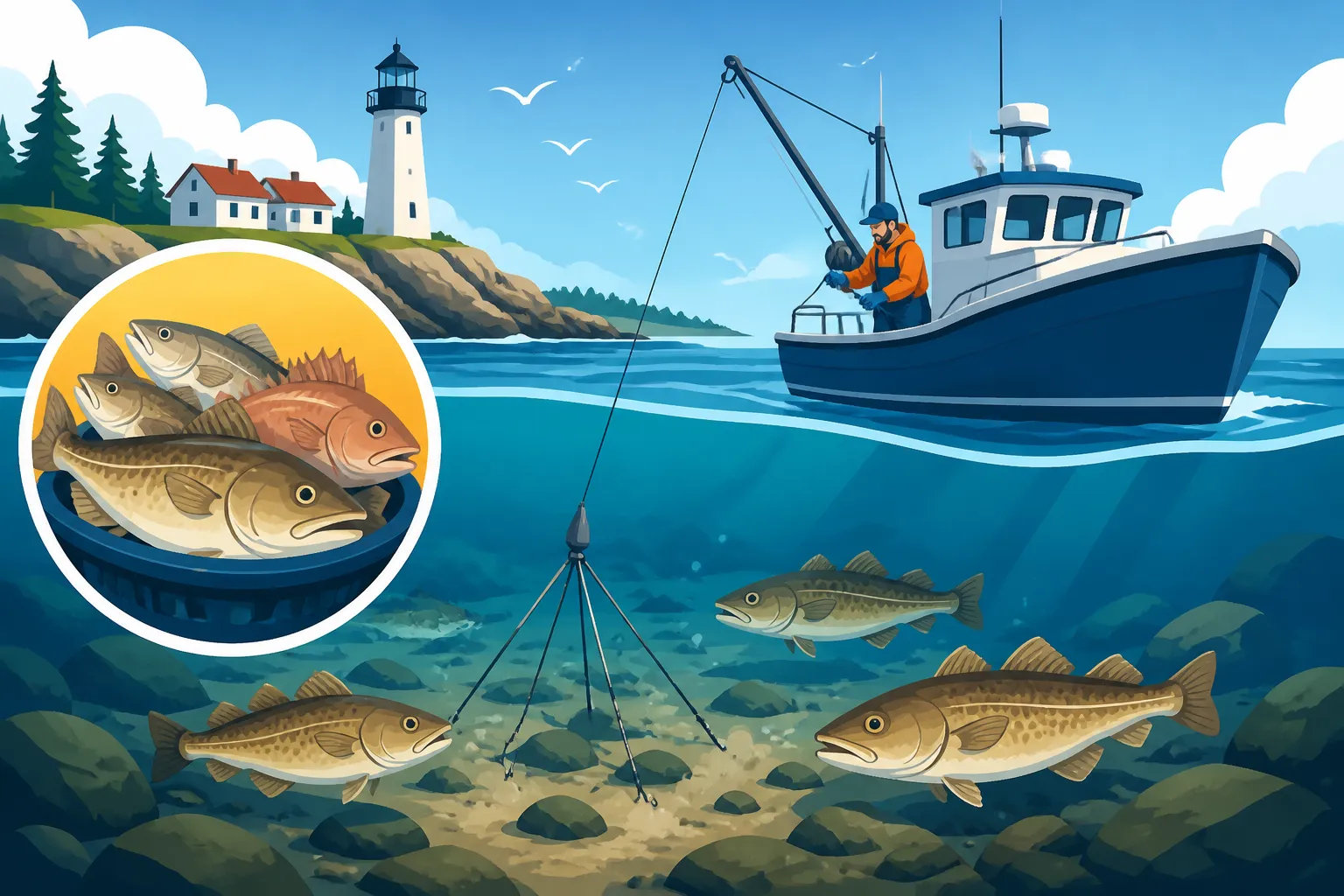
Simply put, groundfishing refers to fishing for species that live on or near the seabed, often in deeper offshore waters. These are your "bottom dwellers," so named because they spend their lives foraging along the ocean floor. Unlike pelagic fish, which cruise near the surface in the open water (think tuna or mackerel), groundfish are intimately connected to the ocean's structure—rocky ledges, underwater canyons, and sandy flats far from shore. The techniques typically involve getting your bait or lure right down to where these fish live, which often means fishing in hundreds of feet of water. It's a patient and rewarding pursuit, often leading to some hefty catches!
Common Groundfish Species
Globally, the term "groundfish" encompasses a wide variety of species. Here in the Gulf of Maine, however, a few key players steal the show. The most famous, of course, are Cod and Haddock, two species deeply ingrained in New England's maritime history and fishing culture. But the groundfish family is larger than just these two legends. You'll also find Pollock, a fast-fighting and delicious fish often found in the same areas, and various species of Hake, known for their softer, flavorful fillets. These fish typically prefer colder waters, making Maine's offshore environment an ideal habitat for them. Understanding their habitat preferences, like Cod loving rocky structures and Haddock preferring softer bottoms, is key to successful groundfishing.
Groundfishing Opportunities in Maine
Now for the big question: can you actually go groundfishing off the coast of Maine? The answer is a resounding yes, and it's an experience that truly connects you to our state's rich fishing heritage.
Is Groundfishing a Viable Option in Maine?
Absolutely! Maine's rugged coastline extends into the Gulf of Maine, which is a treasure trove of productive fishing grounds, including numerous banks, ledges, and deep channels that are perfect groundfish habitat. For generations, Mainers have relied on these waters, and while regulations have evolved to ensure sustainability, the opportunity to target these species remains a core part of our offshore fishing scene. When you head out with a reputable charter, you're not just fishing; you're participating in a tradition that's as old as Maine itself. The deep, nutrient-rich waters provide an excellent environment for these species to thrive, drawing anglers from all over.
Key Species to Target Off the Maine Coast
While there are many species in the "groundfish" category, when you book a trip off Maine, you'll primarily be focused on Cod, Haddock, and Pollock.
- Cod: These iconic fish are stout, powerful, and excellent eating. They tend to hang around rocky structures and wrecks in deeper waters. While their populations have faced challenges, dedicated anglers still find good opportunities for them in the right spots.
- Haddock: Often found alongside Cod but preferring slightly softer, gravelly bottoms, Haddock are known for their distinct lateral line and delicious flaky white meat. They are generally abundant and provide consistent action.
- Pollock: A schooling fish that can grow quite large, Pollock are aggressive feeders and put up a fantastic fight. They're often found suspended over deeper structures or near the bottom and are fantastic fun on lighter gear. They're also an underrated table fish, offering firm, white meat.
- Hake (Red Hake, White Hake): While perhaps not as famous as Cod or Haddock, Hake are common groundfish that are excellent for the dinner table. They prefer deeper, cooler water and can provide steady action when found.
These species make up the bulk of a typical Maine groundfishing trip, offering a diverse and exciting catch for anglers. For more on identifying different species, check out our Maine Fish Species Identification Guide.
Gear, Techniques, and What to Expect
Groundfishing isn't just about dropping a line; it requires specialized gear and techniques to be effective in the depths.
Essential Gear for Maine Groundfishing
When you're heading out for groundfish, you'll need tackle that can handle deep water, heavy weights, and strong, often sizable fish.
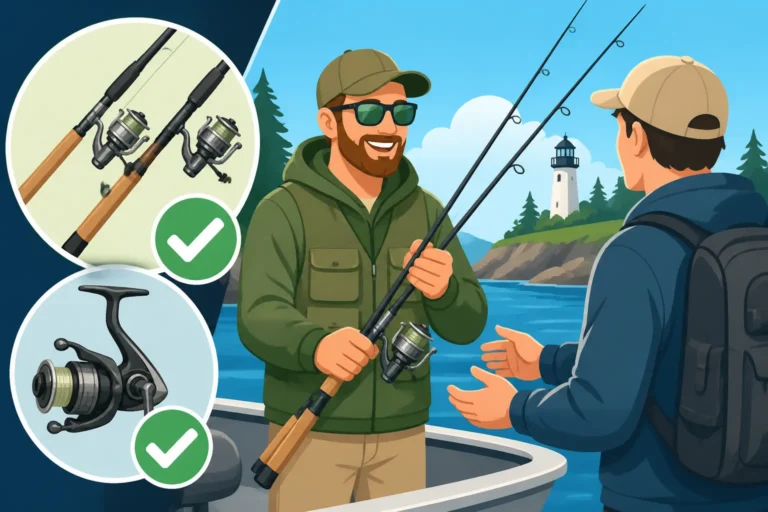
- Rods and Reels: A sturdy, medium to heavy action conventional rod, typically 6 to 7 feet long, paired with a robust conventional reel is standard. The reel needs to hold a good amount of heavy braided line, usually 50 to 80-pound test, to handle the depth and potential fight. A good quality reel with a smooth drag is crucial.
- Terminal Tackle: This includes heavy sinkers (often 8 to 20 ounces or more, depending on current and depth), strong swivels, and leader material. For bait fishing, you'll typically use a two-hook rig with circle hooks or J-hooks, depending on local regulations and personal preference.
- Baits and Lures: The go-to natural baits are clams, squid, and strips of mackerel. These are irresistible to most groundfish. For lures, heavy jigs (often 8-16 ounces) are incredibly effective, especially for Pollock and larger Cod. Butterfly jigs, Norwegian jigs, and soft plastics on jig heads are all popular choices.
- Electronics: While you likely won't bring your own, good charter boats will have advanced fish finders and GPS systems to locate productive bottom structure and mark fish schools. This is absolutely essential for a successful groundfishing trip.
Common Groundfishing Techniques in Maine
The tactics for groundfishing are fairly straightforward but require practice and attention to detail.
- Bottom Fishing (Bait): This is the classic approach. You'll drop your baited rig directly to the seafloor. Once you feel it hit bottom, reel up a few cranks to keep it just off the substrate, preventing snags and ensuring your bait is in the fish's strike zone. Charters often drift over known structures or anchor in a productive spot, allowing your bait to present naturally to the fish below.
- Jigging: This active technique involves vertically working a heavy jig near the bottom. You drop the jig, let it hit bottom, and then retrieve it with a series of lifts and drops, mimicking an injured baitfish. This can be incredibly effective, especially for Pollock and actively feeding Cod. It's a more physically demanding method but can result in exhilarating strikes.
- Reading the Captain: Perhaps the most important technique is listening to your experienced captain and crew. They'll tell you what depth to fish, how to work your bait or jig, and when to expect a bite. They're experts at Maine Deep Sea Fishing Charters for a reason!
Chartering for Groundfish: The Best Approach
For most anglers, especially those visiting or new to offshore fishing, booking a charter is hands down the best way to experience groundfishing in Maine. Trying to do it yourself without the right vessel, gear, and local knowledge would be incredibly challenging, if not impossible, given the distances and depths involved.
A good charter captain knows the productive grounds, understands the tides and currents, and has all the necessary safety equipment and tackle. They’ll take you miles offshore to secret spots that have produced for years. When considering a trip, look for reputable services. You can often find many great options and read reviews on platforms like FishingBooker, which can connect you with experienced captains who specialize in this type of fishing. Don't underestimate the value of a local expert. If you're looking for guidance, our article on Hiring a Maine Fishing Guide has more in-depth advice.
Regulations and Conservation for Groundfishing
Maine's marine resources are precious, and groundfishing, like all forms of fishing, is subject to regulations designed to ensure sustainable populations for future generations.
Navigating Maine's Groundfish Regulations
While I can't provide specific numbers or current dates, it's crucial to understand that groundfish species have strict regulations concerning bag limits (how many fish you can keep), size limits (minimum and sometimes maximum lengths), and sometimes even seasonal restrictions. These rules are put in place by federal and state agencies, and they can change.
Before any trip, your charter captain will be fully aware of the most current regulations, but it never hurts to familiarize yourself with the general principles. Always consult the official Maine Department of Inland Fisheries & Wildlife (MDIFW) or NOAA Fisheries websites for the latest information. Understanding the rules is part of responsible angling, and you can get a broader overview by reading our Maine Fishing Regulations Explained article. Remember, ignorance of the law is no excuse.
Sustainable Practices and Conservation Efforts
Groundfish populations, particularly Cod, have faced challenges over the years. This makes sustainable practices incredibly important. Many anglers and charter operations are committed to conservation.
- Catch and Release: For certain species or when you've reached your limit, responsible catch and release techniques are vital. This means handling fish gently, minimizing their time out of water, and using appropriate dehooking tools.
- Adherence to Limits: Respecting bag and size limits helps prevent overfishing and allows fish to reach reproductive maturity.
- Support for Research: By choosing charters that participate in data collection or support marine conservation groups, you're contributing to the long-term health of our fisheries.
- High-Grading: This is the practice of discarding smaller, legal fish in hopes of catching a larger one. This practice is discouraged and sometimes illegal, as it wastes valuable fish. Keep what you're legally allowed and release the rest responsibly.
Charter captains often lead the way in these efforts, ensuring that their clients have a great time while also being stewards of the ocean.
Planning Your Maine Groundfishing Adventure
A successful groundfishing trip requires a bit of planning, especially if you're traveling to Maine for the experience.
Choosing the Right Time and Location
Timing is everything in fishing, and groundfishing is no exception. While many groundfish are present year-round in Maine's deep waters, certain seasons can be more productive or offer more comfortable conditions.
- Peak Seasons: Late spring through fall generally offer the best weather conditions for offshore trips. Summer can be excellent for a variety of groundfish, and early fall often sees strong feeding activity as fish prepare for winter. You'll want to avoid the roughest winter months unless you're truly dedicated and the weather windows are perfect. For a general overview, take a look at our Best Time of Year to Fish in Maine guide.
- Departure Ports: Maine has several excellent ports where you can book deep sea groundfishing charters. Portland is a major hub, offering numerous options for Portland Maine Deep Sea Charters. Boothbay Harbor is another popular choice, known for its scenic beauty and access to rich fishing grounds, with many Boothbay Harbor Fishing Charters available. Other harbors like Kennebunkport or even down east ports can also offer services. The specific "best" location often depends on the captain's preferred grounds and the target species. The deeper ledges and offshore banks are often considered the Best Deep Sea Fishing Grounds Off Maine.
What to Bring on Your Trip
Even on a charter, there are a few essentials you'll want to pack to make your groundfishing trip as enjoyable and comfortable as possible.
- Appropriate Clothing: Dress in layers! Even on a warm summer day, it can be significantly cooler offshore, and the wind can pick up. Waterproof and windproof outer layers are a must, as are non-slip shoes.
- Food and Drinks: Pack plenty of snacks, lunch, and hydration for your trip. Most charters don't provide meals, though some might offer bottled water.
- Cooler and Ice: Bring a cooler to transport your fillets home. The charter crew will often help you fillet your catch, but having your own cooler filled with ice is crucial for keeping your prize fresh.
- Sun Protection: Sunglasses, a wide-brimmed hat, and plenty of sunscreen are vital, even on cloudy days. The sun's reflection off the water can be intense.
- Seasickness Medication: If you're prone to seasickness, take preventative measures before you board the boat. Ginger chews, patches, or over-the-counter medications can make a huge difference in your enjoyment of the trip.
- Camera: You'll want to capture those trophy fish and the stunning Maine coastline!
- Cash for Gratuities: It's customary to tip your captain and crew for their hard work and expertise.
For a more general packing list for any guided trip, our What to Bring on a Maine Fishing Charter article can be very helpful. Remember that while a charter typically covers the cost of gear and bait, asking questions beforehand is always a good idea to ensure you're fully prepared. You can explore typical expenses in our Maine Charter Fishing Cost Guide.
Disclaimer
This article is for general informational purposes only and does not constitute professional advice. Laws, prices and regulations vary by location and change over time. Consult a qualified professional for guidance on your specific situation.