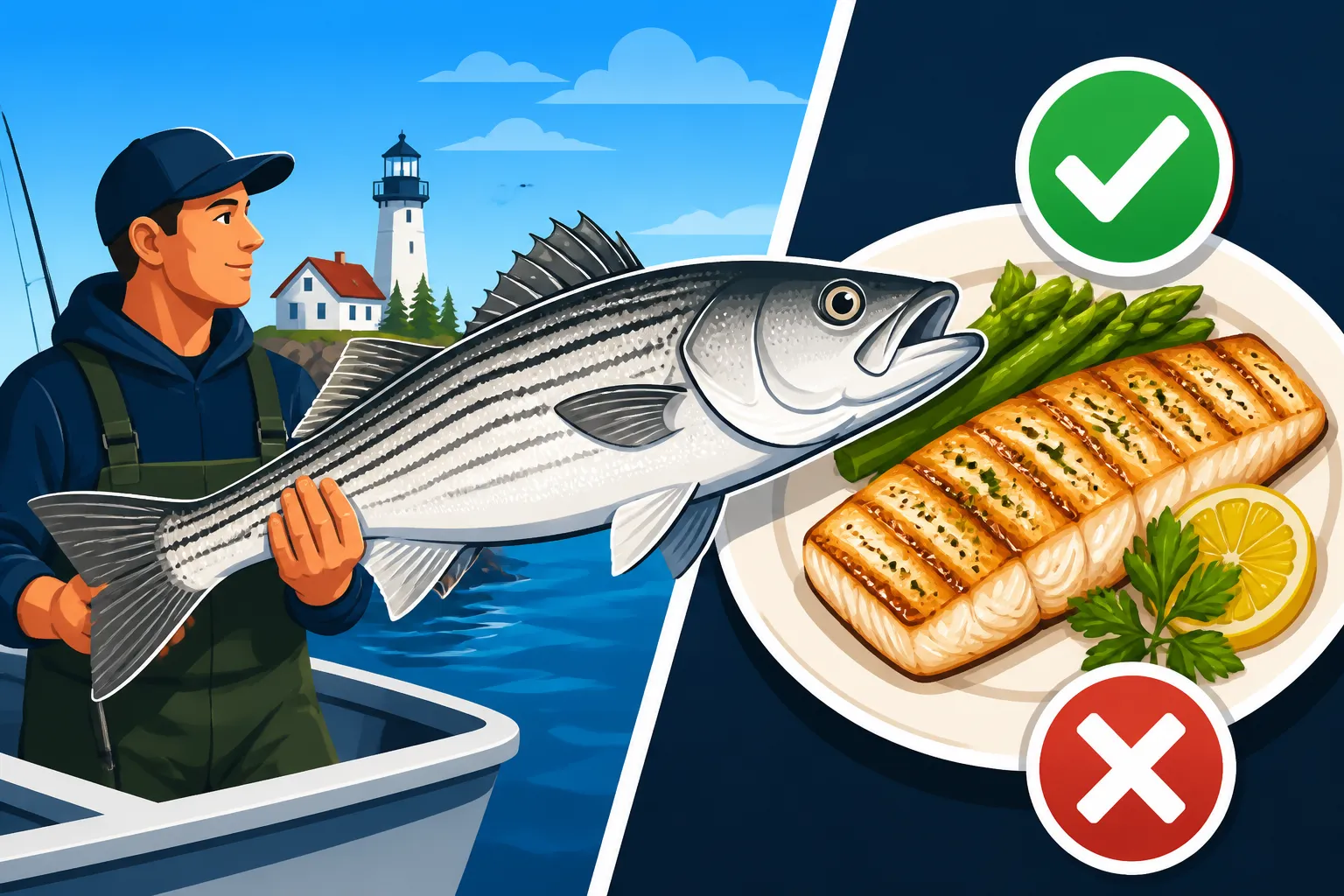
Can You Eat Striped Bass Caught in Maine?
One of the most common questions I hear from fellow anglers, especially those visiting our beautiful state, is whether it's safe and enjoyable to eat the striped bass they reel in from Maine's coastal waters. It's a valid concern, given evolving fish advisories and the desire to enjoy your catch responsibly. This guide will walk you through everything you need to know about consuming striped bass caught right here in Maine, from understanding advisories to preparing your delicious meal.
Understanding Striped Bass in Maine
There's something truly exhilarating about hooking into a powerful striped bass in Maine. Their strong runs and acrobatic fights make them a prime target for many anglers, and their prevalence along our coast makes them an accessible fish for many. But before you think about dinner, let's get a clearer picture of these magnificent creatures.
The Allure of Maine's Stripers
Striped bass, often affectionately called "stripers," are iconic fish of the Atlantic coast, and Maine marks the northern end of their main migratory range. They're a favorite among recreational anglers due to their size, strength, and willingness to strike a variety of baits and lures. What often surprises people is their versatility not just as a sportfish, but also on the dinner plate. Freshly caught striped bass, when handled and prepared correctly, offers a firm, flaky white meat with a mild, sweet flavor that many find incredibly appealing. It’s a rewarding experience to catch such a powerful fish and then bring it home to share with family and friends. This isn't just about fishing; it's about the entire experience, from the fight on the line to the sizzle in the pan.
Where They Roam: Maine's Coastal Waters
Striped bass are primarily saltwater fish, though they are anadromous, meaning they migrate from salt water to fresh water to spawn. In Maine, you'll find them predominantly in our estuaries, bays, and along the rocky coastline. They follow baitfish into tidal rivers and even penetrate slightly upstream into brackish water. The Kennebec River, Casco Bay, and the Saco River are just a few of the well-known hotspots where anglers flock to target these fish. Their diet consists mainly of smaller fish like mackerel, herring, and sand eels, along with crustaceans and squid, which contributes to their distinct flavor profile. Understanding where they feed and live can sometimes give you clues about their condition and, by extension, their eating quality. For more on where to find them, you might want to read our Striped Bass Fishing in Maine guide.
Safety First: Mercury and Contaminants
The question of whether fish is safe to eat often comes down to concerns about contaminants like mercury or PCBs. It's a responsible thought, and it's essential to be informed, not just about striped bass, but any fish you plan to consume. Maine, like other states, provides guidance to help anglers make safe choices.
Decoding Fish Consumption Advisories
Maine's Department of Inland Fisheries and Wildlife (MDIFW) and the Department of Marine Resources (DMR), in conjunction with the Department of Health and Human Services (DHHS), issue fish consumption advisories. These advisories are typically based on factors like the species of fish, where it was caught, and its size. For striped bass, the main concern can sometimes be mercury, a naturally occurring element that accumulates in fish. Larger, older fish tend to have higher concentrations because they've been accumulating mercury over a longer lifespan and through their diet.
It's crucial to check the most current advisories, as they can change. Generally, for striped bass caught in Maine waters, advice often suggests limiting consumption for sensitive populations like pregnant women, nursing mothers, young children, and those planning to become pregnant. For the general healthy adult population, moderate consumption is usually deemed acceptable. This isn't unique to Maine or to striped bass; many popular game fish across the country have similar recommendations. The key is moderation and being aware of the fish's size and origin. For specific details on state advisories, checking the official Maine Fish Consumption Advisory for Mercury is always a good idea.
Factors Influencing Contaminant Levels
Several factors contribute to the levels of contaminants found in fish. The age and size of the fish are paramount; older, larger fish have had more time to accumulate substances like mercury. The specific waters where the fish are caught also play a role. While Maine's coastal waters are generally clean, localized areas could have different contaminant profiles. The diet of the striped bass also matters; if they're feeding on smaller fish that themselves contain contaminants, those levels can bioaccumulate up the food chain.
Another important point to consider is how fat content might influence different types of contaminants. Some contaminants are stored in fatty tissues. While mercury is in muscle tissue, others can be in fat. For striped bass, which are a moderately fatty fish, understanding where these compounds might reside can sometimes influence preparation methods, such as removing skin and darker meat (the "bloodline") where some fats and therefore certain contaminants might concentrate. This careful consideration allows you to enjoy your catch with greater peace of mind.
Making the Catch Edible: Handling and Preparation
So, you've decided to keep a legal striped bass for dinner. Fantastic! Now, how you handle that fish from the moment it comes out of the water until it hits your plate can dramatically impact its flavor, texture, and overall eating quality. Proper handling is just as important as the cooking method itself.
Field Dressing for Optimal Quality
The moment you decide to keep a striper, the clock starts ticking on its freshness. To ensure the best flavor, you need to field dress it as quickly as possible. This means bleeding the fish immediately and gutting it. Bleeding the fish by cutting its gills or tail allows the blood to drain, which significantly improves the taste by preventing strong, "fishy" flavors. Many anglers bring a dedicated cooler with ice and ice water specifically for this purpose. Slitting the throat and placing the fish head-down in a bucket of seawater for a few minutes will bleed it thoroughly.
Once bled, gutting the fish removes the internal organs that can quickly spoil. You can do this right on the boat or shore. Then, get the fish on ice, completely surrounded. Not just on top of ice, but submerged or packed in it. This rapid cooling slows bacterial growth and keeps the flesh firm and delicious. A quality cooler, perhaps one you picked up from a place like Amazon, filled with an ice-slurry, is your best friend here. Don't let your prized catch warm up in the sun or sit in a warm fish box; treat it like precious cargo.
Best Practices for Cooking Striped Bass
Striped bass is a wonderfully versatile fish in the kitchen. Its firm, flaky, white meat holds up well to a variety of cooking methods, from grilling and baking to pan-frying and broiling. The key to really making it shine is not to overcook it. The flesh should be opaque but still moist and flaky.
When preparing your fillets, consider removing the darker red meat that runs along the lateral line. This "bloodline" can sometimes have a stronger flavor, especially in larger fish. Some people prefer to leave the skin on for grilling, as it helps keep the fillet together and crisps up beautifully. If you're baking or steaming, removing the skin is often preferred.
Here are a few popular ways to prepare striped bass:
- Grilling: Brush fillets with olive oil, season with salt, pepper, and your favorite herbs (dill, parsley, lemon zest work wonderfully). Grill over medium-high heat until cooked through, usually about 4-6 minutes per side depending on thickness.
- Baking: Place fillets on a baking sheet, drizzle with olive oil or butter, lemon juice, and seasonings. Bake at 375-400°F (190-200°C) for 12-18 minutes, or until flaky.
- Pan-Searing: Heat a skillet with a mix of olive oil and butter. Season fillets and sear skin-side down first (if skin is on) until crispy, then flip and finish cooking.
A simple squeeze of fresh lemon juice or a dollop of homemade tartar sauce is often all you need to complement the natural flavors of this fantastic fish. For more culinary inspiration, check out our guide on the Best Way to Cook Striped Bass. Remember, good cooking starts with good ingredients, and that includes properly handled fish.
Beyond the Plate: Sustainable Fishing Practices
Enjoying striped bass as a meal is a tradition for many, but it's important to remember our role in ensuring these fisheries remain healthy for generations to come. Sustainable fishing isn't just a buzzword; it's a practice that directly impacts the availability and quality of the fish we love to catch and eat.
Understanding Slot Limits and Regulations
Maine, along with other Atlantic states, employs specific regulations for striped bass to help manage their population. One of the most common and effective management tools is the "slot limit." A slot limit means you can only keep fish within a certain size range, for example, between 28 and 31 inches. This strategy aims to protect both the smaller, juvenile fish so they can grow and reproduce, and the larger, older "trophy" fish which are often the most prolific breeders. These larger fish, though impressive, also tend to accumulate more contaminants, so protecting them while simultaneously discouraging their consumption is a dual benefit.
It's absolutely critical to be intimately familiar with the current Maine Striped Bass Season and Limits and the Striped Bass Slot Limit in Maine before you head out. Regulations can change, so always consult the latest Maine Department of Marine Resources (DMR) guidelines. Carrying a measuring device, such as a tape measure that's readily available on platforms like Amazon, is non-negotiable. Knowing the rules not only keeps you compliant but also ensures you're contributing to a healthy fishery for the future.
Catch and Release for Future Generations
Even if you can keep a fish within the slot limit, sometimes choosing to release it is the most responsible choice. Many anglers practice selective harvesting, meaning they might keep one fish for the table and release the rest, especially if they catch several. This approach helps reduce overall pressure on the stock and allows more fish to contribute to the spawning population.
If you do practice catch and release, particularly for fish outside the legal slot or if you've already met your daily bag limit (our guide on How Many Striped Bass Can You Keep in Maine? has more details), it's vital to do so with care. Minimize the fight time, use appropriate gear, and handle the fish gently. Wet your hands before touching the fish to protect its slime coat, and use pliers to quickly remove the hook. If the fish is deeply hooked, cut the line as close to the hook as possible rather than trying to remove it, which can cause more damage. Observing these practices ensures that the fish you release has the best possible chance of survival, contributing to the health of Maine's striped bass population for years to come.
Disclaimer
This article is for general informational purposes only and does not constitute professional advice. Laws, prices and regulations vary by location and change over time. Consult a qualified professional for guidance on your specific situation.