What Documents Do You Need to Buy a Maine Fishing License?
Getting ready for a fishing trip in Maine is exciting, but nothing puts a damper on anticipation faster than showing up unprepared at the license vendor. Many anglers, especially those visiting from out of state or new to fishing here, often wonder exactly what paperwork and identification they need to purchase a Maine fishing license. This comprehensive guide will walk you through all the necessary documents, common scenarios, and helpful tips to ensure a smooth and hassle-free process, so you can spend less time at the counter and more time on the water.
The Essentials: What Every Angler Needs
No matter where you're from or what type of license you're seeking, there are fundamental documents you'll need to have on hand. Think of these as your foundational items, the bedrock upon which your fishing privileges will be built. Being organized with these basics will save you a lot of time and potential frustration.
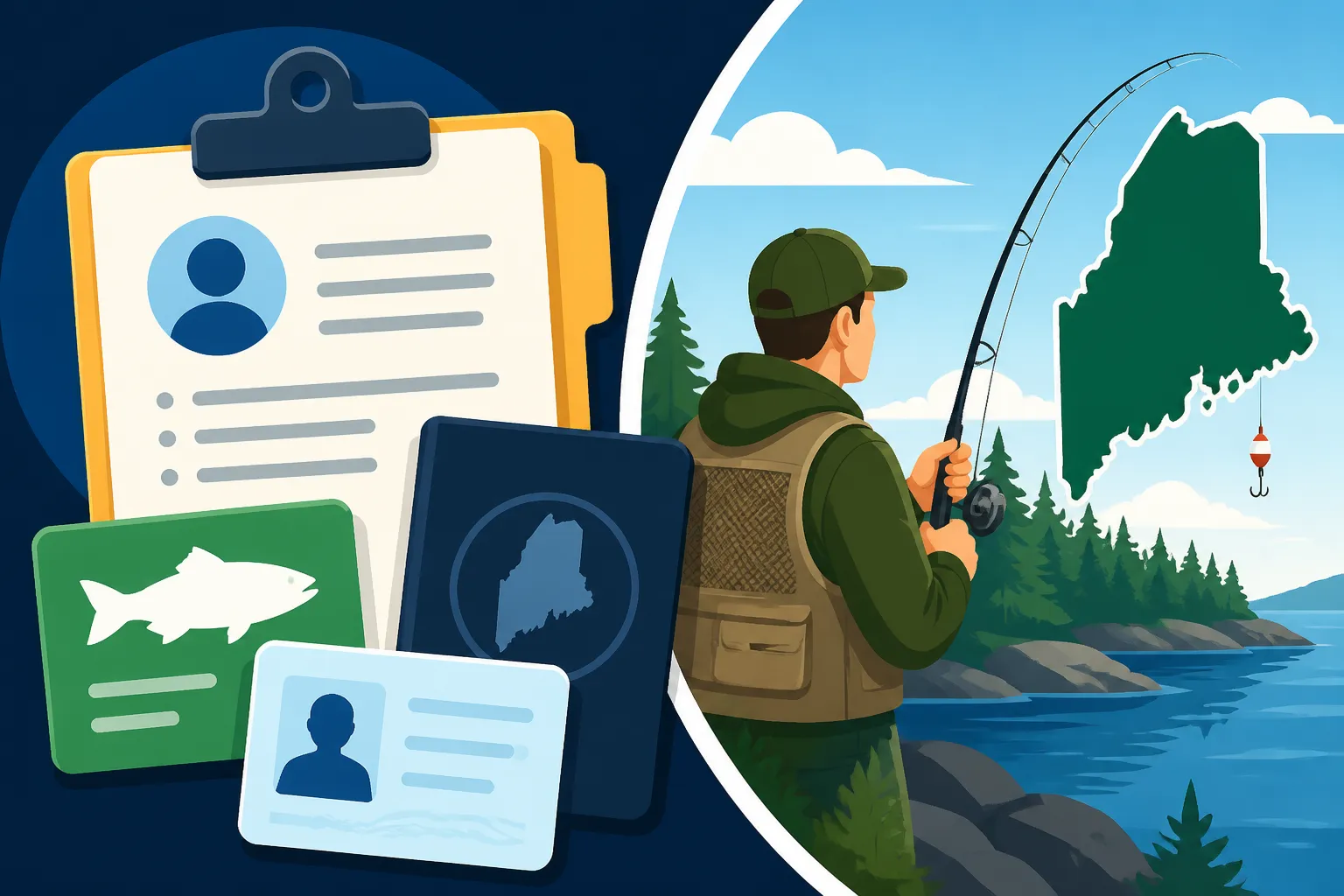
Proof of Identity and Residency
This is perhaps the most critical component of securing your Maine fishing license. The state needs to know who you are and, crucially, where you live, as residency status directly impacts the cost of your license. The difference between resident and non-resident fees can be significant, so verifying your status accurately is paramount.
For Maine Residents, you'll typically need a valid Maine driver's license or a Maine State identification card. These documents clearly show your current address and prove you've met the state's residency requirements. If your driver's license address is outdated, you might need to bring additional proof of residency, such as a recent utility bill, a property tax bill, or a voter registration card showing your current Maine address. It's important to remember that to qualify for a resident license, you must have established a permanent home in Maine and lived here for at least six months. The state takes its definition of residency seriously, and attempting to claim resident status without meeting the criteria can lead to issues. For a detailed breakdown of eligibility, you can review the Maine Resident Definition for Fishing License Purposes.
For Non-Residents visiting Maine, a valid driver's license from your home state or a government-issued photo ID (like a state ID card or passport) is usually sufficient to prove your identity. Since you won't be claiming Maine residency, the primary goal here is simply to confirm who you are. While you won't need to prove residency in Maine, you will need to pay the higher non-resident fee. Understanding the various options and costs can be helpful, so make sure to check out the Maine Nonresident Fishing License Cost to plan your budget accordingly.
Age Verification
Age plays a significant role in determining not only if you need a license but also what type of license you might be eligible for. Maine has specific rules regarding age exemptions and requirements for its anglers, from the youngest aspiring fisher to seasoned veterans.
Children under the age of 16 are generally exempt from needing a fishing license in Maine. This is fantastic news for families looking to introduce their youngsters to the joys of angling without the added cost and paperwork. However, it's always a good idea to confirm the exact age cutoff, which you can do by reading about Do Kids Need a Fishing License in Maine?. While they don't need a license, they still need to abide by all fishing regulations, including bag limits and length requirements for any fish they catch.
For adults, your driver's license or state ID card, used for identity verification, will also serve to verify your age. Seniors in Maine, specifically residents who are 65 and older, are eligible for a significantly reduced cost or even a lifetime license, with residents 70 and older able to fish for free. If you're nearing or past these age milestones, your identification will be critical to proving your eligibility for these benefits. For those wondering, the specifics are covered in detail in Do Maine Seniors Fish Free After Age 70?.
Payment Method
While not a "document" in the traditional sense, having a valid payment method ready is an absolute must. Whether you're purchasing your license online or in person, you'll need to be prepared to cover the cost. Most vendors, both physical and online, accept a variety of payment types, but it's always best to be aware of your options.
When buying a license in person at a general store, bait shop, or an official Maine Department of Inland Fisheries and Wildlife (MDIFW) office, cash, major credit cards (Visa, Mastercard, Discover, American Express), and sometimes personal checks are accepted. It's wise to carry a backup payment method, just in case a particular vendor doesn't accept one of your preferred options or if their card machine is down. Small, remote bait shops might be cash-only, so having some bills on hand is never a bad idea.
For online purchases, you'll almost exclusively need a major credit or debit card. The online system is streamlined for card transactions, making it quick and convenient. Just ensure your card information is up-to-date and that you have sufficient funds or credit available. The process for purchasing online is quite straightforward, and you can learn more about it in our guide on How to Buy a Maine Fishing License Online.
Special Circumstances and Additional Documentation
While the basic identity, age, and payment requirements cover most anglers, certain situations or eligibility for special rates might require additional documentation. These are often designed to provide benefits to specific groups, such as military personnel or those committing to a lifetime of Maine fishing.
Military and Veteran Status
Maine is proud to offer special considerations for its active-duty military members and veterans, particularly those with disabilities. To qualify for reduced fees or exemptions, you'll need to provide specific documentation that verifies your service and, if applicable, your disability status.
Active-duty military personnel stationed in Maine, regardless of their state of residence, often qualify for a resident-rate license. To prove this, you'll need your valid military identification card and official orders showing your current station in Maine. These documents confirm your active status and your current posting within the state. For comprehensive details on these benefits, refer to our article on Fishing License Rules for Active Military.
Disabled veterans who are Maine residents may be eligible for a free lifetime fishing license. This is a wonderful benefit to honor their service and sacrifice. The documentation typically required includes a letter from the U.S. Department of Veterans Affairs (VA) stating that you have a service-connected disability rating of 100% or that you are receiving 100% disability compensation. A VA identification card might also be accepted in some cases, but the official letter is usually the most universally recognized form of proof. To fully understand the criteria and how to apply, consult the guide on Disabled Veteran Fishing License Eligibility.
Lifetime Licenses
For those who know they'll be enjoying Maine's fantastic fishing opportunities for years to come, a lifetime license is an excellent investment. These licenses can be purchased at any age and often come with unique documentation requirements, especially if purchased for a minor.
When purchasing a lifetime license for an adult, the process is similar to a regular resident license, requiring proof of Maine residency and identity. However, when acquiring a lifetime license for a child, particularly one under the age of 16, additional documents might be requested. This can include a copy of the child's birth certificate to verify their age, as well as proof of the parent's or guardian's Maine residency. The intent is to ensure that the child meets the residency criteria for a Maine lifetime license, as these are typically reserved for residents. It's a fantastic gift that keeps on giving, and you can explore the full benefits and requirements in our article on Lifetime Fishing Licenses in Maine.
Previous License Information (Renewal)
While not strictly "new" documents, having your previous Maine fishing license details can significantly expedite the renewal process. If you're looking to renew an expired or expiring license, the system, whether online or in-person, often cross-references your past information.
Knowing your previous license number, or even simply having your old license in hand, allows the vendor or online portal to quickly pull up your profile. This saves time on data entry and helps ensure that your new license accurately reflects your information. In many cases, if your personal details (address, name, etc.) haven't changed, renewing is as simple as confirming your information and processing payment. If you've moved or had a name change, you'll need to update your identification documents before renewing. Details on streamlining your renewal can be found in our guide on Maine Fishing License Renewal Rules.
Where and How to Present Your Documents
Understanding what documents you need is only half the battle; knowing where and how to present them is equally important. Maine offers several convenient ways to purchase a fishing license, each with slightly different procedural nuances regarding document verification.
Online Purchases
Buying your Maine fishing license online is often the most convenient method for many anglers, especially if you're comfortable with digital transactions. The official Maine Department of Inland Fisheries and Wildlife (MDIFW) website allows you to purchase licenses from the comfort of your home, any time of day.
When buying online, you'll typically enter your personal information, including your name, address, date of birth, and driver's license number. For residents, this information is usually cross-referenced with state databases to verify your residency. For non-residents, your home state driver's license number serves as your primary identifier. While you won't physically "present" documents like you would in person, it's crucial that the information you input online precisely matches your official identification. Any discrepancies could lead to delays or invalidation of your license. You'll then proceed to the payment section using a credit or debit card. After successful payment, you can print your license immediately or save it digitally to your phone. It's a good idea to always carry a physical copy and have it accessible on your phone when fishing. For more detailed instructions, our guide How to Buy a Maine Fishing License Online is a great resource.
In-Person Purchases
For many, especially those who enjoy the personal touch or need last-minute assistance, purchasing a license in person is the preferred method. Maine fishing licenses are widely available at numerous authorized agents throughout the state. These agents can include sporting goods stores, bait and tackle shops, general stores, and sometimes even town offices. Large retailers like L.L.Bean and some local Amazon partner kiosks (for printing, not buying licenses directly) can also sometimes facilitate these processes.
When purchasing in person, you will need to physically present your identification documents. The agent will typically scan your driver's license or manually enter your information into their system. This is where having all your required documents handy and easily accessible will save you time. They will verify your identity, residency (if applicable), and age on the spot. If you're a disabled veteran or active military seeking special rates, you'll hand over your supporting documentation for the agent to review and process. Don't forget your payment method! Once everything is verified and payment is made, they will print your official license for you right there. To find a location near your planned fishing destination, check out our guide on Where to Buy a Maine Fishing License In Person.
Mail-In Applications
While less common these days, especially with the prevalence of online and in-person options, some anglers might still opt for mail-in applications for specific types of licenses or if they prefer traditional methods. This method typically involves downloading a form from the MDIFW website, filling it out completely, and mailing it along with copies of your required documents and payment (usually a check or money order).
When submitting a mail-in application, you'll need to include photocopies of your identification (driver's license, state ID, etc.) and any supporting documents for special rates (e.g., VA letter for disabled veterans). It is absolutely critical that these copies are clear and legible. Never send original documents through the mail unless specifically instructed, and always keep your originals safe. Ensure your check or money order is correctly filled out for the exact amount. This process will naturally take longer due to mailing times and processing, so it's not ideal for last-minute purchases.
Avoiding Common Pitfalls and Ensuring a Smooth Process
Navigating regulations can sometimes feel like trying to untangle a particularly stubborn fishing knot. However, by being prepared and understanding common issues, you can ensure your license purchase is as smooth as a fresh spool of monofilament.
Understanding Non-Resident Definition and Proof
One of the most frequent areas of confusion, and unfortunately, occasional mistakes, centers around the definition of a Maine resident for licensing purposes. Many people who own property in Maine, spend summers here, or are seasonal residents believe they qualify for a resident license. However, the state has a very clear and strict definition. To be considered a Maine resident, you must be domiciled in Maine and have resided here for at least six consecutive months. Domicile means your permanent legal home where you intend to return whenever you are absent. Owning property, paying taxes, or spending significant time here does not automatically grant resident fishing license status if your primary legal residence is elsewhere.
Attempting to purchase a resident license without meeting the criteria can lead to serious consequences, including fines and license revocation. Always be honest about your residency. If you're unsure, it's safer to purchase a non-resident license or contact the MDIFW directly for clarification. This will save you a headache and ensure you're fishing legally. You can delve deeper into this topic in our dedicated article on Maine Resident Definition for Fishing License Purposes.
The Importance of Accuracy
Regardless of whether you're buying online or in person, providing accurate and truthful information is non-negotiable. The information you provide on your application forms the legal basis of your fishing privileges. Any false statements or misrepresentations can have severe repercussions.
The state of Maine views providing false information to obtain a fishing license as a serious offense, often equating it to fishing without a license. This can result in significant fines, potential revocation of fishing privileges, and in some cases, even legal action. It's not worth the risk to save a few dollars or to avoid perceived hassle. Double-check all the details you enter online or provide to a vendor. Ensure your address, date of birth, and identification numbers are correct. This diligence protects you and helps maintain the integrity of Maine's conservation efforts. For a deeper understanding of the potential penalties, consult our article on Fishing Without a License in Maine.
Planning Ahead
The best advice for any angler heading to Maine is to plan your license purchase well in advance of your trip. Don't wait until you're pulling into the bait shop parking lot on opening day to realize you're missing a crucial document.
By planning ahead, you give yourself ample time to gather all necessary identification and supporting documents. If you have questions about specific requirements (e.g., for certain veteran statuses or unique residency situations), you'll have time to contact the MDIFW for clarification without feeling rushed. Purchasing your license online a week or two before your trip means you can print it out, pack it with your gear, and be ready to hit the water as soon as you arrive. If you prefer to buy in person, knowing exactly what you need ensures a quick stop at the local vendor, allowing you more precious time for fishing. Thinking ahead, and perhaps picking up some essential gear on Amazon beforehand, can make your trip much smoother.
Remember, a little preparation goes a long way in ensuring your Maine fishing experience starts off on the right fin.
Maine Fishing License Document Requirements
To help simplify the process, here's a quick reference table summarizing the typical document requirements for various angler types in Maine. Always confirm with the MDIFW for the most current and specific regulations, especially if your situation is unique.
| Angler Type | Primary Identification Required | Proof of Residency (if applicable) | Additional Documentation (if applicable) |
|---|---|---|---|
| Maine Resident (16-69) | Valid Maine Driver's License or Maine State ID Card | Verified by ID (or recent utility bill/voter registration if ID outdated) | N/A |
| Maine Resident (70+) | Valid Maine Driver's License or Maine State ID Card | Verified by ID | N/A (Free license, age verified by ID) |
| Non-Resident (16+) | Valid Driver's License from Home State or Government-Issued Photo ID (e.g., Passport) | N/A (Residency is out-of-state) | N/A |
| Minor (Under 16) | N/A (Generally exempt) | N/A | N/A (Still must follow all regulations) |
| Active Duty Military | Valid Military ID | Official orders showing station in Maine (for resident rates) | N/A |
| Disabled Veteran (Maine Resident) | Valid Maine Driver's License or Maine State ID Card | Verified by ID | VA letter stating 100% service-connected disability or 100% disability compensation |
| Lifetime License (Adult Resident) | Valid Maine Driver's License or Maine State ID Card | Verified by ID | N/A |
| Lifetime License (Child Resident) | Child's Birth Certificate (for age verification) | Parent/Guardian's Maine Driver's License/State ID (for residency) | N/A |
Disclaimer
The information provided in this guide is intended for general informational purposes only and does not constitute legal advice. Fishing regulations and license requirements in Maine are subject to change. Always consult the official Maine Department of Inland Fisheries and Wildlife (MDIFW) website or contact them directly for the most current and accurate information before purchasing a license or engaging in fishing activities.