Best Line Weight for Bass Fishing
Choosing the best line weight for Maine bass helps anglers catch smallmouth in Sebago Lake and largemouth in southern ponds.
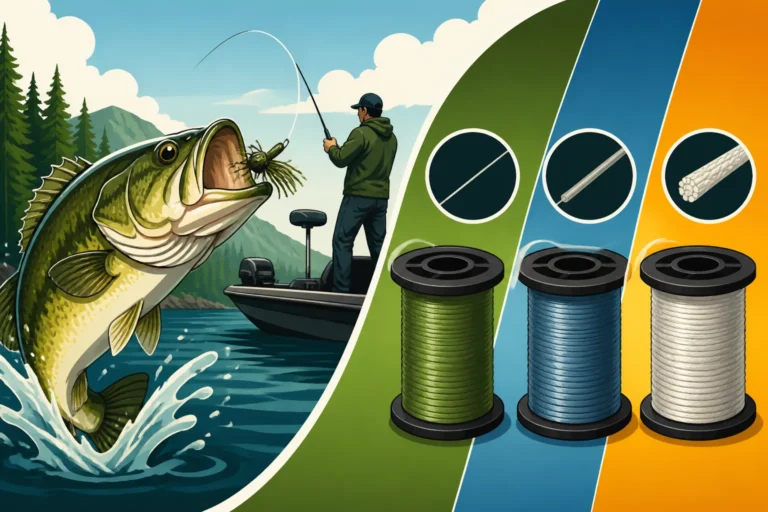
Choosing the best line weight for Maine bass helps anglers catch smallmouth in Sebago Lake and largemouth in southern ponds.
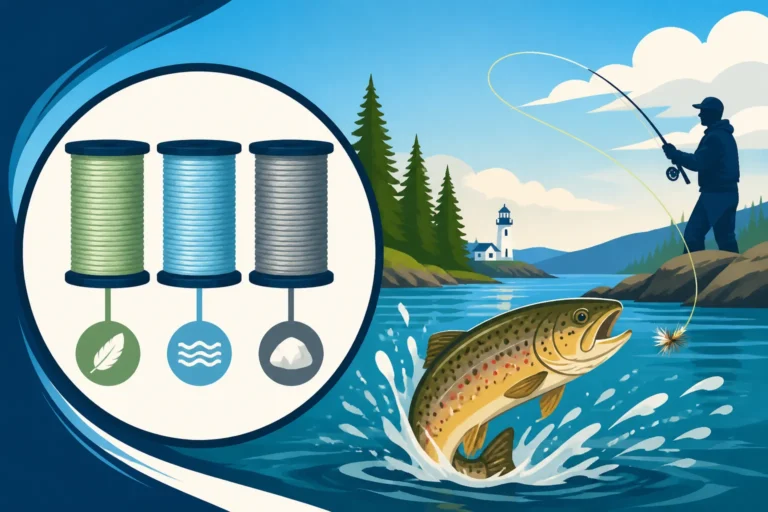
Proper fishing line weight for trout in Maine balances stealth and strength to prevent snapping lines and spooking fish.
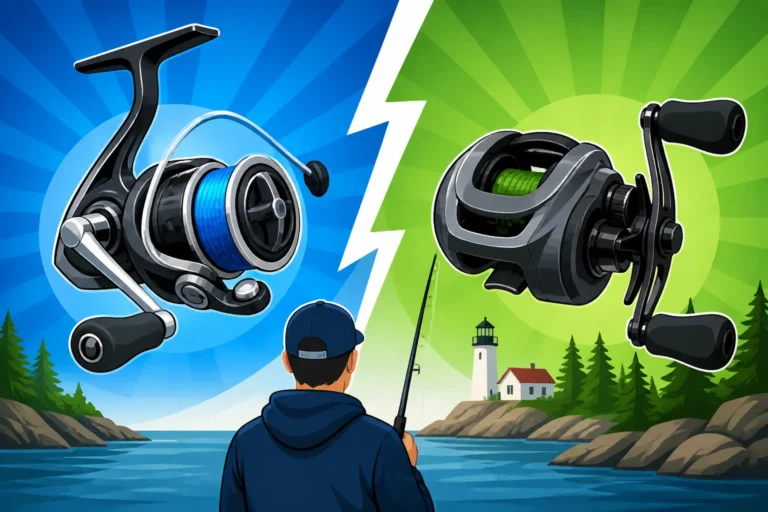
Spinning and baitcasting reels differ in mechanics and use, helping beginners choose the right option for Maine fishing.
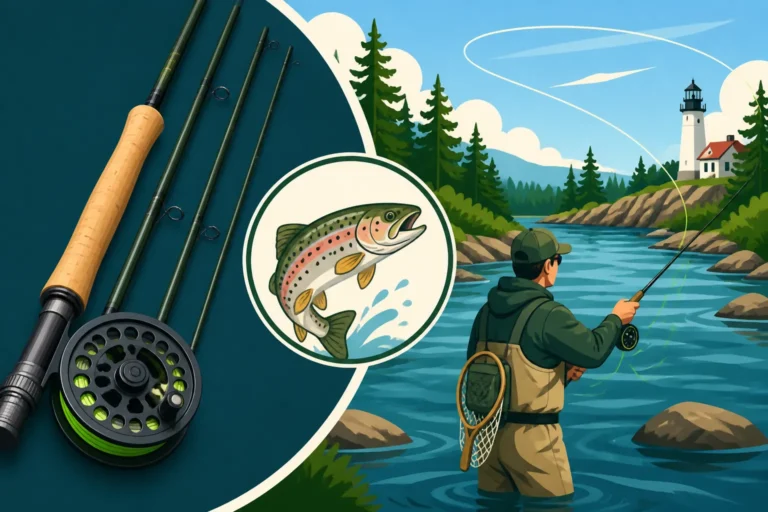
Choosing a trout fly rod requires evaluating weight, length, and action to match specific Maine fishing conditions and target species.
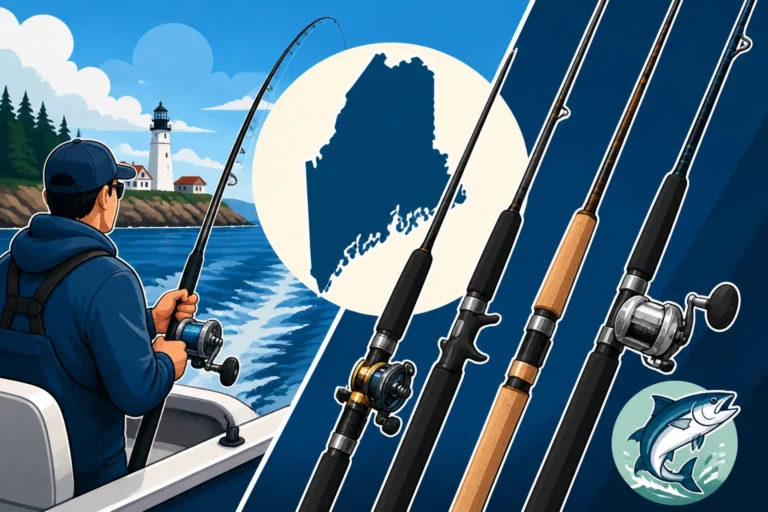
Selecting trolling rods for Maine waters requires understanding power, action, and length to catch salmon and togue at speeds of two to three miles per hour.
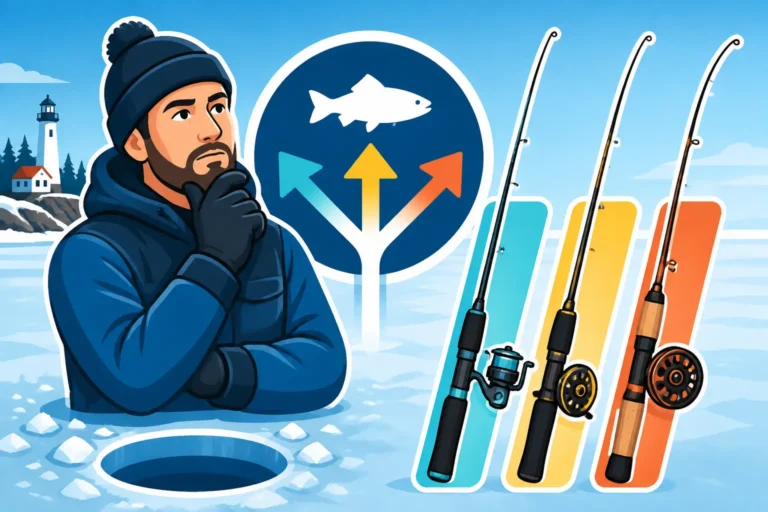
Ice fishing rod selection requires matching lengths between 24 and 36 inches, action types, and power ratings to catch Maine fish.
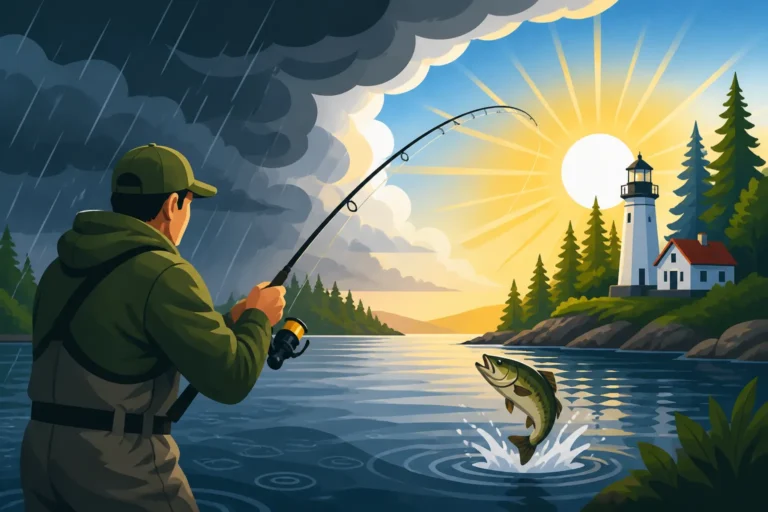
Post-rain fishing strategies in Maine explain how runoff, temperature swings, and oxygen levels alter fish behavior and feeding locations.
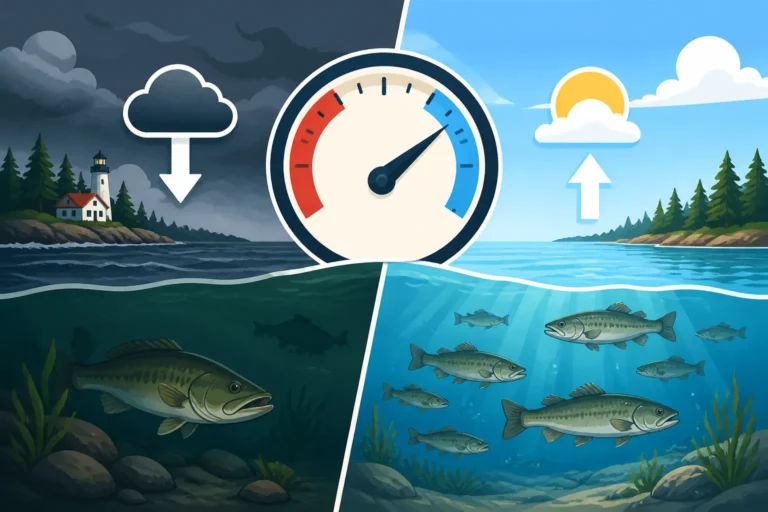
Barometric pressure changes affect fish behavior in Maine waters, explaining why fish feed actively or become lethargic.
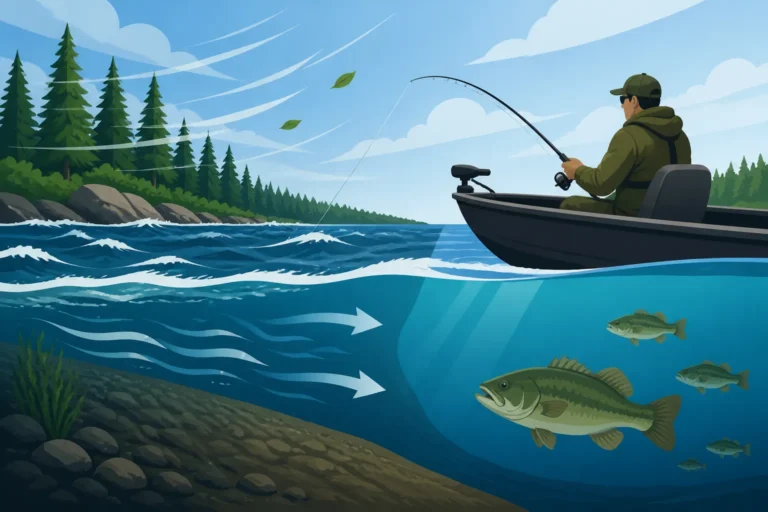
Wind creates surface chop, temperature shifts, and currents that alter fish behavior, oxygen levels, and fishing success on Maine lakes.
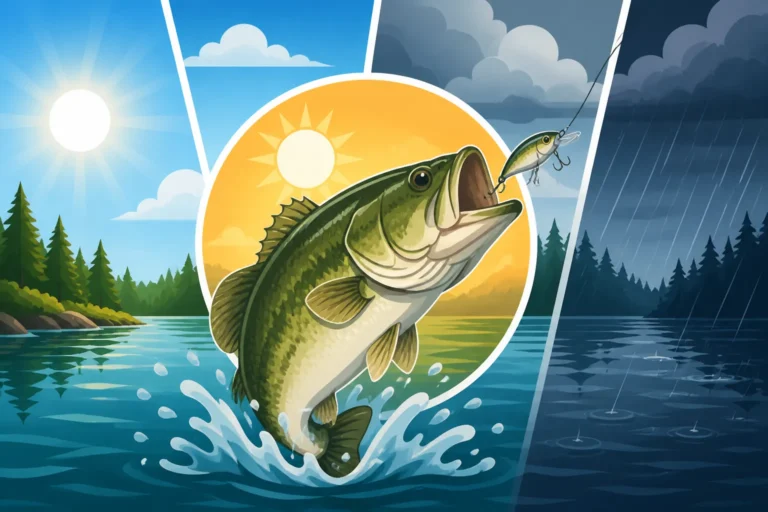
Barometric pressure shifts and water temperatures drive smallmouth and largemouth bass feeding habits across Maine lakes.