Best Way to Store Live Bait
There's nothing quite as frustrating as waking up for an early morning fishing trip, brimming with anticipation, only to find your carefully gathered live bait has perished overnight. It's a waste of time, money, and most importantly, a hit to your fishing morale. Keeping live bait healthy and vibrant is key to a successful day on the water, and it often feels like a constant battle against the elements. This guide is here to walk you through the best ways to store live bait, both at home and when you're out chasing those Maine trophy fish, ensuring your offerings are always enticing and full of life.
The Crucial Role of Proper Live Bait Storage for Success
We've all been there: you head to the bait shop, pick up a lively batch of worms or minnows, and then promptly lose half of them before your hook even hits the water. It's not just annoying; it directly impacts your fishing success. Live bait, when kept properly, has a natural allure that artificial lures sometimes just can't replicate, especially for particular species in specific conditions.
Why Healthy Bait Matters: More Bites and Better Action
Think about it from a fish's perspective. A struggling, half-dead minnow doesn't look like an easy meal; it looks like something that's been dead for a while, perhaps even scavenged. But a vibrant, energetic minnow darting around on your hook sends a clear signal: "Fresh food is here!" The same goes for worms, crickets, or leeches. Their natural movements, scent, and appearance are what trigger a fish's predatory instincts. Healthy bait is more active, it looks more natural in the water, and its vitality translates into more strikes. When you're using live bait, you're trying to fool a fish into thinking it's found a natural prey item, and nothing gives away the trick faster than sickly, lethargic bait.
The Shelf Life Dilemma: How Quickly Things Can Go Wrong
Live bait, by its very nature, is perishable. It's a living organism with specific needs regarding temperature, oxygen, food, and water quality. Neglect any one of these, and you'll quickly see your bait go from lively to lifeless. A simple bucket of water for minnows or a plastic container of dirt for worms might seem sufficient at first glance, but without understanding the nuances of their survival, you're setting yourself up for disappointment. Factors like overcrowding, stagnant water, extreme temperatures, and lack of proper bedding can decimate your bait supply in just a few hours. This is why investing a little time and effort into proper storage techniques pays dividends in the long run, ensuring you don't end up fishing with half a bucket of dead minnows.
Mastering Storage for Different Bait Types
Different live baits have different requirements, and a one-size-fits-all approach just won't cut it. Understanding the specific needs of your chosen bait is the first step toward keeping them alive and kicking.
Earthworms and Nightcrawlers: The Bedding and Temperature Game
These wriggly wonders are probably the most common live bait, and thankfully, also one of the easiest to keep. The key to their longevity lies in their environment.
- The Right Bedding: Forget plain old dirt from your garden. It often lacks the right nutrients, can contain pesticides, or become compacted, suffocating your worms. Specialized worm bedding, often made from peat moss, coconut coir, or shredded newspaper, provides the ideal texture and moisture retention. You can find excellent worm bedding options often found on Amazon. The bedding needs to be damp, but not soggy – think of a wrung-out sponge. If it's too wet, they drown; too dry, they dehydrate.
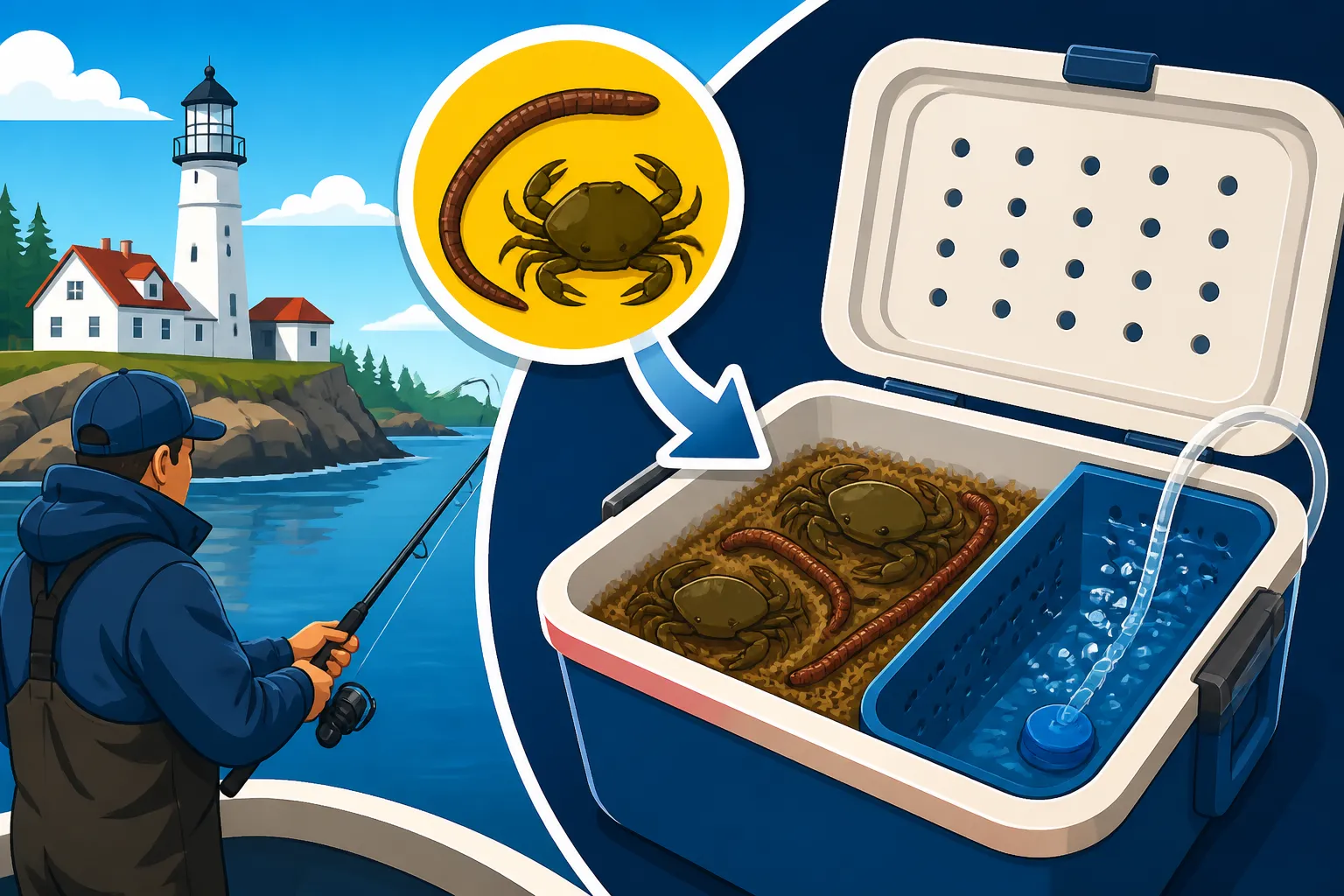
- Temperature Control: Worms thrive in cool, consistent temperatures, ideally between 40-55°F (4-13°C). A cool basement, a garage, or even a dedicated bait refrigerator is perfect. Avoid direct sunlight or extreme heat, which can kill them quickly. Many anglers use insulated foam coolers with a few ice packs (placed on top of the bedding, not directly on the worms) to maintain temperature for shorter periods or while traveling.
- Feeding (Optional but Recommended): For longer-term storage (more than a week), a little bit of food can help. A sprinkle of cornmeal, coffee grounds, or finely crushed oatmeal will keep them nourished. Don't overfeed, as decaying food can create harmful conditions.
- Container Choice: A breathable container is essential. Worm "boxes" often have small holes or vents. Never use an airtight container, as worms need oxygen. A large, shallow container is better than a deep, narrow one, as it allows for better air circulation and prevents overcrowding.
Minnows and Shiners: The Oxygen and Water Quality Challenge
Minnows and shiners are highly effective for various species, but they are also the most delicate to store. Their survival hinges on oxygenated, clean water and stable temperatures.
- Aeration is Non-Negotiable: Minnows need oxygen to breathe, and still water quickly depletes its oxygen content. A good aerator is your best friend. Small, battery-powered aerators are available on Amazon and are indispensable for keeping minnows alive in a bucket. For home storage, a larger aquarium air pump with an air stone works wonders.
- Temperature Stability: Sudden temperature changes stress minnows, making them susceptible to disease and death. Aim for water temperatures between 50-65°F (10-18°C). During transport, use an insulated bait bucket to minimize fluctuations. If you need to cool the water, use frozen water bottles or sealed bags of ice, rather than dropping loose ice directly into the water, which can introduce contaminants or sudden temperature shock.
- Water Quality and Changes: Chlorine in tap water is deadly to minnows. Always use dechlorinated tap water, well water, or natural pond/lake water if possible. Even with aeration, minnows produce waste that fouls the water. Regular water changes are critical. Replace about half the water every day or two, especially if you have many minnows in a smaller container. Watch for cloudy water or minnows gasping at the surface – these are signs of poor water quality or low oxygen.
- Avoid Overcrowding: This is a silent killer. Too many minnows in too small a space quickly deplete oxygen and contaminate the water with waste. A general rule of thumb is about one inch of fish per gallon of water, but this can vary. Err on the side of giving them more space.
Leeches: Simple Yet Specific Needs
Leeches are surprisingly resilient but still require attention to stay healthy. They are often a top choice for species like lake trout, or "togue" as we call them up here, and even brook trout in certain conditions.
- Clean, Cool Water: Leeches thrive in clean, cool, non-chlorinated water. Like minnows, avoid tap water unless it's been dechlorinated. Well water or lake water is ideal. Keep the water temperature between 40-55°F (4-13°C). A refrigerator or a cool basement is perfect.
- Minimalist Container: A wide-mouthed jar or a small, lidded plastic container (with a few small air holes poked in the lid) works well. Don't fill the container completely; leave some air space at the top. Leeches don't need bedding or aeration.
- Regular Water Changes: While hardy, leeches will eventually foul their water. Change the water every few days, especially if you notice it becoming murky.
- No Food Needed: Leeches are slow metabolizers and can go for weeks or even months without food, so you don't need to worry about feeding them.
Crickets and Grasshoppers: Ventilation and a Light Touch
These terrestrial baits are fantastic for bass and panfish. Their storage is less about water and more about air and keeping them contained.
- Ventilation is Key: Crickets and grasshoppers need plenty of airflow to prevent moisture buildup and ammonia, which can quickly kill them. A specialty cricket keeper with screened sides or a plastic container with numerous air holes is a must.
- Temperature: They prefer room temperature, around 65-75°F (18-24°C). Avoid direct sunlight or cold drafts.
- Food and Water: Crickets need a small amount of food and moisture. A slice of potato, apple, or a small piece of carrot can provide both. You can also use commercially available "cricket cubes" that offer both hydration and nutrition.
- Avoid Overcrowding: Just like other baits, too many crickets in a small space will lead to stress and death. Give them room to move. Add some egg cartons or cardboard tubes for them to climb on and hide in.
On-the-Water Bait Care for a Successful Day
Having healthy bait at home is one thing; keeping it that way while you're actually out fishing is another challenge entirely. The boat, the shore, the sun – all can conspire against your efforts. But with the right gear and habits, you can keep your bait lively all day long.
Portable Solutions: Insulated Buckets and Aerators
When you're out on the water, space is often at a premium, and you're battling fluctuating temperatures. This is where purpose-built gear truly shines.
- Insulated Bait Buckets: These are a game-changer for minnows and leeches. They help maintain a stable water temperature, protecting your bait from both the heat of the summer sun and the chill of a spring morning. Many feature an inner liner that can be easily removed for cleaning or to refresh water. Brands like Frabill or Engel make excellent ones, often available on Amazon.
- Portable Aerators: For minnows, a battery-powered portable aerator is non-negotiable for a full day of fishing. Clip it to your bait bucket, and it will continuously oxygenate the water, keeping your minnows frisky. Ensure you have fresh batteries, or even better, a spare set, because a dead aerator means dead minnows. You can find reliable portable aerators on Amazon for various bait bucket sizes.
- Worm Carriers: For worms, a dedicated insulated worm carrier with proper bedding will keep them cool and comfortable. Some even have a small ice pack compartment.
Temperature Management: Battling the Elements
Maine weather can change on a dime, and so can the temperature of your bait bucket. Proactive temperature management is vital.
- Shade, Shade, Shade: Always keep your bait bucket out of direct sunlight. Place it in the shade of your boat, under a seat, or even under a damp towel. Sunlight will rapidly heat the water, depleting oxygen and stressing your bait.
- Ice Packs (with caution): If it's a hot day, frozen water bottles or sealed bags of ice are your best friends for minnow and leech buckets. Place them in the water to gradually cool it down. Never use loose ice cubes directly in the bait water, especially if you're using municipal ice, as it can contain chemicals that are harmful to baitfish. For worms, an ice pack placed on top of the bedding, separated by a paper towel, will help keep them cool without directly soaking the bedding.
- Know Your Water: If you're fishing a lake, the water in the lake itself is often cooler than the ambient air temperature, especially a few feet down. Periodically refreshing your bait bucket water with fresh lake water can help, but be mindful of introducing invasive species if you're moving between different water bodies.
Water Refreshment: Keeping Minnows and Leeches Happy
Even with aeration, water quality in a bait bucket will degrade over time due to bait waste and slime.
- Partial Water Changes: Don't replace all the water at once, as a sudden change in temperature or water chemistry can shock your bait. Instead, every few hours, carefully remove about a third to half of the water and replace it with fresh, cool water from the lake or river you're fishing. If you're planning on a long day of Maine Open Water Fishing Techniques Guide you'll want to ensure you have a plan for this.
- Use a Net: When changing water or picking out bait, use a small, soft net to scoop out your minnows. This minimizes handling stress and reduces the chance of injuring them with your hands.
- Check Water Clarity: Cloudy water is a clear sign that the water quality is poor and needs to be refreshed. If you're seeing minnows at the surface gulping, it's an emergency – they're gasping for oxygen, and you need to change water and/or check your aerator immediately. This is especially important for minnows, which are frequently used as Best Bait for Maine Ice Fishing.
Avoiding Common Bait Storage Blunders
Even with the best intentions, it's easy to make mistakes that quickly lead to dead bait. Understanding these pitfalls can help you avoid them and ensure your bait stays lively.
Overcrowding and Contamination: The Silent Killers
These two issues often go hand-in-hand and are among the most common reasons bait perishes.
- The Overcrowding Effect: Picture a crowded subway car on a hot day – not pleasant, right? That's how your minnows feel when there are too many in a small bucket. Overcrowding rapidly depletes oxygen, increases stress, and significantly raises the amount of waste in the water. For worms, too many in a small container compact the bedding, making it harder for them to breathe and move. Always err on the side of fewer bait per container or larger containers. For example, if you're stocking up for Landlocked Salmon Fishing in Maine, consider having two smaller minnow buckets rather than one giant, overcrowded one.
- Contamination Sources: Anything introduced into your bait's environment that shouldn't be there can be harmful. This includes:
- Chlorinated Water: As mentioned, chlorine is toxic to many aquatic baits.
- Dirty Hands: Residues from sunscreen, bug spray, or even hand soap can contaminate bait water. Always rinse your hands thoroughly before handling bait or putting them in the water.
- Old or Decaying Food/Bedding: For worms, rotting food or bedding creates harmful gases and bacteria. For minnows, uneaten food settles and fouls the water. Keep environments clean.
- Introducing Sick Bait: If you buy bait and some look sickly or have lesions, avoid putting them with your healthy stock. They can quickly spread disease.
Ignoring Temperature Swings: The Fast Track to Dead Bait
Temperature is perhaps the single most critical factor for most live baits. They are cold-blooded creatures, and rapid changes or extreme temperatures can be fatal.
- Sudden Shocks: Moving a bucket of minnows from a cool bait shop directly into a hot car, or from a cool basement into direct summer sun, can cause thermal shock. Always try to acclimate your bait gradually to new temperatures. If you're bringing minnows from a cold environment to a warmer one (or vice versa), let the bucket sit for a while to slowly equalize with the ambient temperature before making drastic changes.
- Extreme Heat: This is the most common killer. Warm water holds less oxygen, and high temperatures increase a bait's metabolism, meaning they consume oxygen faster. It's a double-whammy. Never leave bait in a hot car or in direct sunlight.
- Extreme Cold: While most baits tolerate cold better than heat, freezing temperatures will also kill them. Ensure your bait containers are insulated during colder months, especially if you're doing some Maine Ice Fishing Techniques Guide.
The Wrong Containers: Why Not Just Any Bucket Will Do
While a simple bucket might seem convenient, the right container is designed to facilitate the specific needs of your bait.
- Airtight Containers: These are a no-go for any live bait, as they quickly deplete oxygen. Worms and crickets will suffocate, and minnows will die. Always ensure your containers have adequate ventilation or aeration capabilities.
- Clear Containers in Sunlight: Transparent containers, when exposed to light, can quickly heat up and promote algae growth in water. Opt for opaque, insulated containers for water-based baits.
- Rough Edges or Corners: Cheap plastic buckets might have rough edges or seams that can injure delicate minnows, leading to stress and infection. Choose containers with smooth interior surfaces.
- Small Openings: For minnows, a bucket with a wide opening makes it easier to change water, net bait, and clean. For crickets, a secure, fine-mesh lid is crucial to prevent escape artists from vanishing.
By understanding and avoiding these common mistakes, you'll dramatically improve your live bait's chances of survival, which in turn significantly increases your chances of a successful fishing trip. Remember, healthy bait is happy bait, and happy bait catches fish.
Here's a quick overview of optimal conditions for common live baits:
| Bait Type | Ideal Temperature Range | Key Storage Elements | Common Food Source (Optional) |
|---|---|---|---|
| Earthworms | 40-55°F (4-13°C) | Damp, breathable bedding (peat, coir) | Cornmeal, coffee grounds |
| Nightcrawlers | 40-55°F (4-13°C) | Damp, breathable bedding (peat, coir) | Cornmeal, coffee grounds |
| Minnows/Shiners | 50-65°F (10-18°C) | Aerated, dechlorinated water, insulation | Fish food flakes (sparingly) |
| Leeches | 40-55°F (4-13°C) | Clean, cool, dechlorinated water | None needed |
| Crickets/Grasshoppers | 65-75°F (18-24°C) | Ventilated container, hiding places | Potato/apple slices, cricket cubes |
Keeping your live bait in top condition truly makes a difference out on the water. It requires a bit of planning and attention, but the reward of more bites and bigger fish is absolutely worth the effort. Now you're ready to learn How to Keep Bait Alive on a Fishing Trip!
Disclaimer
This article is for general informational purposes only and does not constitute professional advice. Laws, prices and regulations vary by location and change over time. Consult a qualified professional for guidance on your specific situation.